A crowded price gap, and a travel problem
Original Heir is betting that hairbrushes can be designed around how people use them every day, including when they travel, without treating appearance as an afterthought. Founder Isabella Di Stefano sees a market split between inexpensive plastic brushes and luxury models, with few options in the middle and limited travel designs. That gap gives the brand a clear pitch: make the brush feel considered in the hand and on a vanity, while giving its shape and bristles a practical job. The harder question is whether those details will matter enough for shoppers to rethink a product many people buy only when an old one wears out.
“Most people have no idea what hairbrush they should be using, what the bristles are actually doing or why one brush costs $10 and another costs $200,” Di Stefano told Fashionista by email. She argues that bristle material, flexibility, spacing and placement should guide brush design because each affects how the tool interacts with hair. The argument pushes back on a familiar way of shopping: choosing by price, appearance or broad claims about hair type, without much explanation of what the brush is meant to do. Original Heir is trying to make those choices legible, though customers will still have to decide whether the differences justify the price.
Four brushes, two use cases
The debut lineup starts with two folding travel brushes that fully enclose their bristles: Pronta Smooth, priced at $69, and Pronta Untangled, at $59. Pronta Smooth combines natural boar and gem-infused nylon bristles, designed to smooth hair and reduce static. Pronta Untangled uses widely spaced, gem-infused TPEE bristles to work through knots while preserving a style. The distinction is functional: one brush is framed around smoothing, the other around detangling, so the travel format doesn't have to stand in for a single all-purpose tool.
Enclosing the bristles also addresses a mundane weakness of travel brushes: loose items in a bag can press against or collect debris on exposed bristles. A folding design makes the brush easier to pack and protects its working surface between uses. That convenience is easy to understand, but the two models still ask buyers to choose between different brushing goals. If you're working out which one fits your routine, the stated bristle arrangement and intended use offer more guidance than the finish alone.
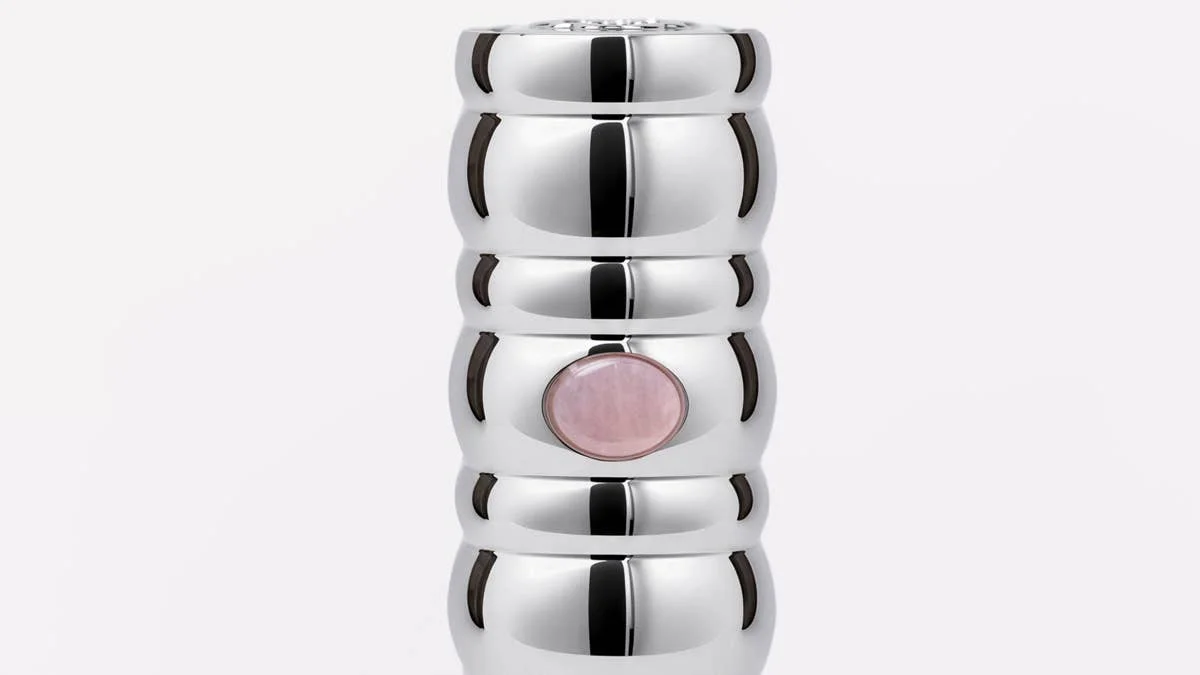
Pronta Smooth
Two full-size paddle brushes are available for pre-order ahead of a mid-November release. The Bella Paddle Brush costs $99 and uses the same bristle combination as Pronta Smooth, set into a sculptural metal design. The Doppio Paddle Brush, priced at $89, is made for wet or dry hair and carries over Pronta Untangled’s bristle technology. Both have longer handles intended to improve grip, control and reach. That gives the range a straightforward structure: two protected brushes for packing, then two larger versions for regular use, with the bristle approach carrying across each pair.
The paddle brushes' higher prices place more weight on the claim that materials and ergonomics have been thought through. Longer handles may help with reach and control, but their value will depend on how they feel in actual use and whether the brush suits a buyer's hair and habits. Pre-ordering also means customers are judging the design and product description before the brushes reach their routine. The product lineup is specific; the long-term case for it will depend on whether that specificity feels useful day after day.
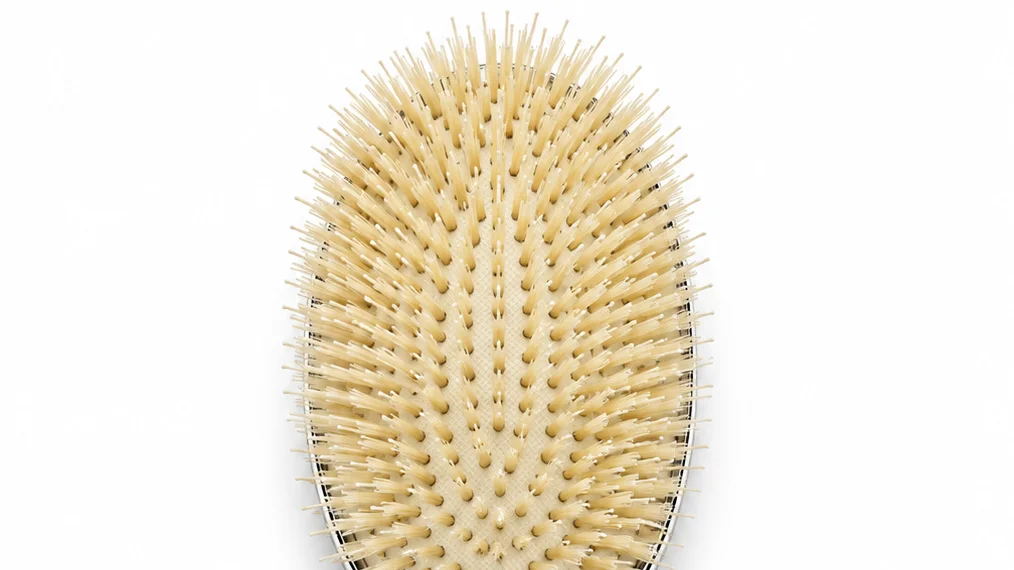
Bella Paddle Brush
Material choices meet styling
Di Stefano’s background spans creative strategy, consumer behavior and brand building, including work with Calvin Klein, Barbie and the CFDA. For product development, she teamed up with bioengineer and hair scientist Sareena Karim, whose previous work includes K18, L’Oréal and Dove. Their experiments with materials and bristle arrangements addressed common concerns such as static, breakage and uneven oil distribution. The partnership brings brand development and technical experience into the same product brief, a useful combination when the aim is to explain both what a brush looks like and what it is supposed to do.
“We think very carefully about what we put on our hair, but much less about the tool physically interacting with it every day,” Karim said in a statement. Brushing creates friction, tension, static and mechanical forces, she said, and the team set out to design tools with those interactions in mind. That's a more grounded proposition than promising a dramatic transformation: the brush is a repeated point of contact, and its construction can affect how that contact feels. The source describes the team's design intentions, though it doesn't provide comparative performance results or evidence that one arrangement works for every person.
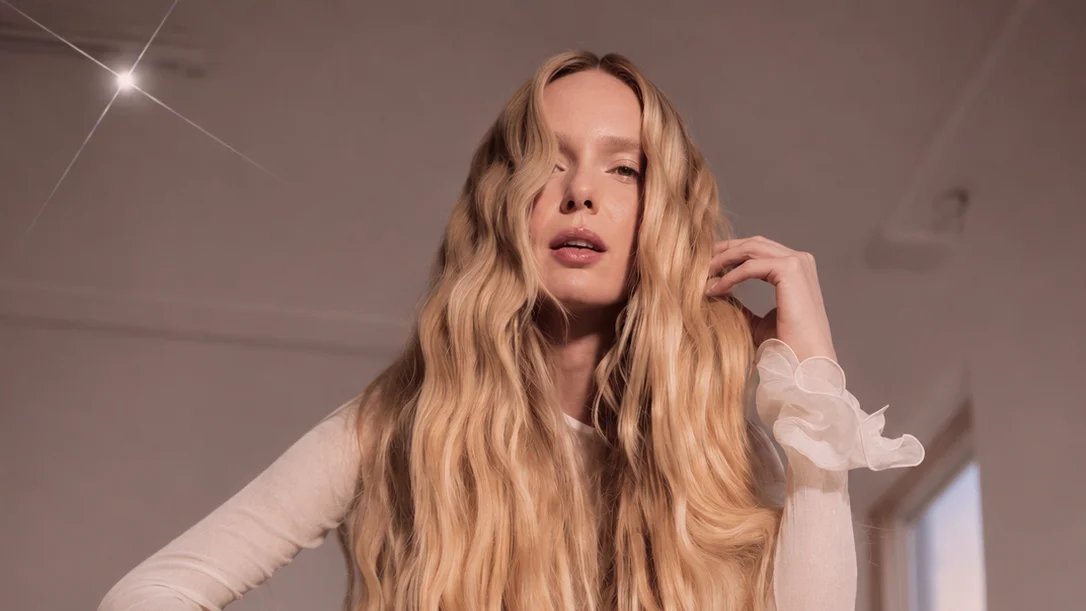
Photo: Kat Irlin/Courtesy of Original Heir
The visual approach is part of the pitch. Chrome finishes, natural gemstones and sculptural shapes position the brushes as objects to leave on a vanity, rather than tuck away in a drawer. Di Stefano describes the aim as combining technical care with a more playful sense of beauty, drawing on nostalgia, glamour and fantasy. That styling gives the products a recognizable identity, but it also makes the design carry two jobs: signaling taste and supporting the practical story about bristles, grip and travel. The balance will depend on whether the objects remain satisfying once they move from product photography into daily handling.
What the launch will have to prove
Original Heir’s launch tests whether that mix can make a routine tool feel worth choosing: a brush tailored to a specific task, designed for daily handling and built to travel without exposing its bristles. This is more significant than it looks: a brush is an ordinary object, but its everyday use gives small design choices plenty of chances to matter. At the same time, a refined finish and a clear product story can't establish performance on their own. Buyers will have to judge the fit between the promised use and their own experience.
Here's the thing: the brand is asking customers to think more carefully about a category they may rarely research. That can make the product differences more meaningful, especially for someone who wants separate tools for smoothing and detangling. And yet. A well-defined purpose is only persuasive if the brush delivers a noticeable benefit in the routine it targets (and this is the part most people overlook). Original Heir has made the case for treating brush design as more than decoration; customer experience will determine how far that case travels.
Please note: Occasionally, we use affiliate links on our site. This in no way affects our editorial decision-making.


