Pie dough by touch, pasta by hand
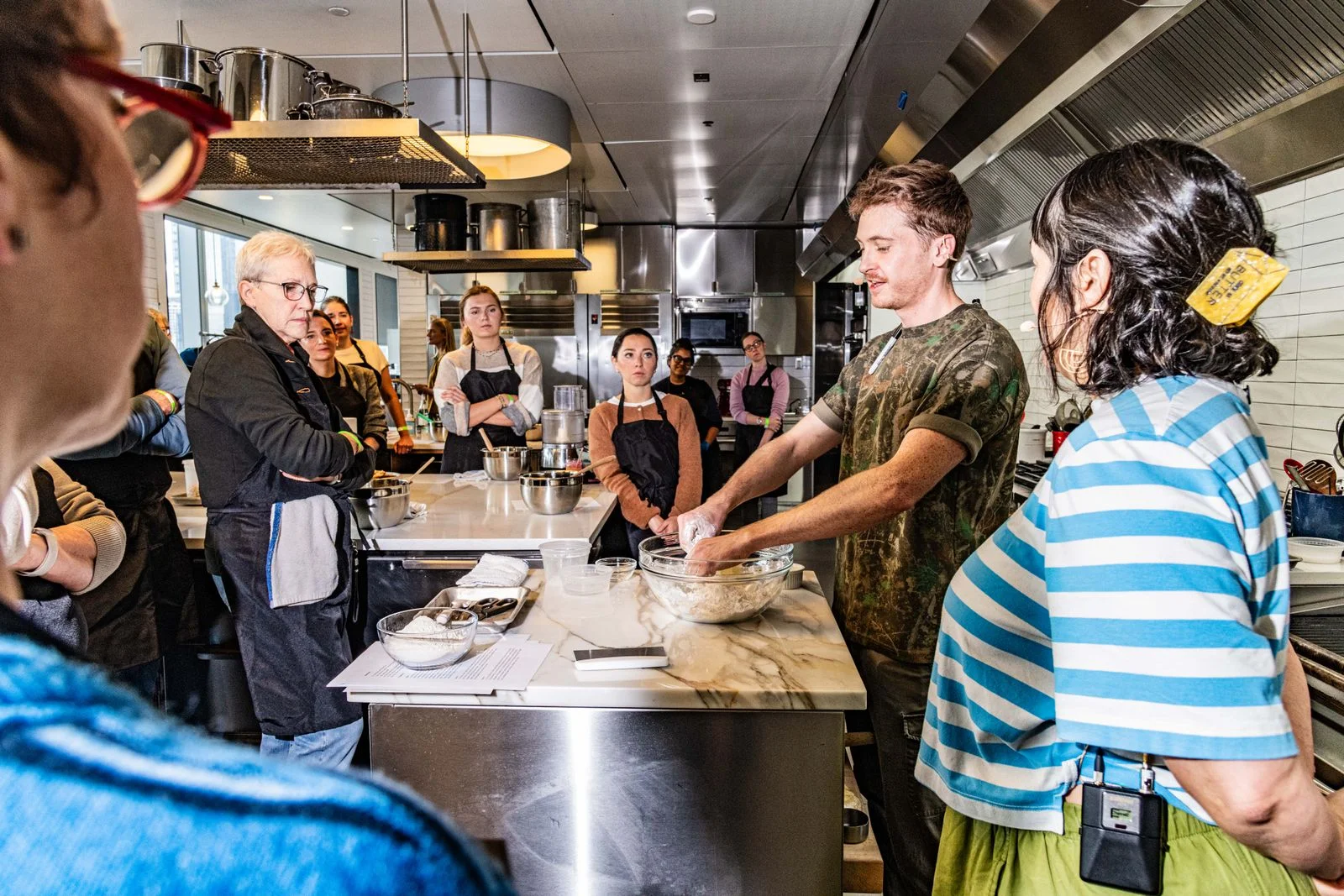
Senior Test Kitchen editor and [BA Bake Club](https://www.bonappetit.com/misc/bake-club) expert Jesse Szewczyk opened the classes with Pie Crust Fundamentals, presented by [East Fork](https://eastfork.com/). Brand storyteller Keia Mastrianni—who calls herself East Fork’s “unofficial pie lady”—joined him to teach the tactile work of making dough. “A recipe can be written, but teaching someone to make pie dough requires demonstration,” Szewczyk said. The class used a buttery cream cheese crust developed by former senior Test Kitchen editor Shilpa Uskokovic, a [pie crust recipe](https://www.bonappetit.com/recipe/homemade-perfect-pie-crust) suited to Thanksgiving baking. After Mastrianni demonstrated crimping, attendees worked at stations with editors offering help. One guest, James, credited Emma Laperruque and Chris Morocco’s recipes with making cooking feel accessible and building his confidence. That’s a useful measure of what a food brand can offer beyond recipes: people leave believing they can do the work themselves. Guests took home new pie-making skills and a [ceramic pie dish](https://eastfork.com/products/pie-plate) from East Fork’s bakeware collection. The company makes its own clay and glaze using materials sourced in the Southeast. Mastrianni’s advice was simple: “Practice makes pie. Progress, not perfection.”
Cooking shaped by place and experience
On the 34th floor, Robinson moderated a panel called Bringing Culture to Cooking with Fariyal Abdullahi, executive chef at New York’s Hav & Mar; Nicholas Bazik, chef and owner of Philadelphia’s Provenance, named a [Bon Appétit Best New Restaurant of 2025](https://www.bonappetit.com/story/best-new-restaurants-2025); and Vijay Kumar, executive chef and partner at New York’s Semma, named a [Best New Restaurant of 2022](https://www.bonappetit.com/story/10-best-new-restaurants-america-2022). They discussed how identity, culture, and personal experience shape their food. The panel also got practical. Bazik shared a seasoning made by mixing fresh lime juice with salt at a 2% ratio by weight. Abdullahi described berbere as “Ethiopian salt,” given how widely it appears in the country’s cooking, and urged guests to make the spice blend at home rather than assume store-bought versions are top quality. Back in the Test Kitchen, Visit Maine sponsored Lobster 101, led by Bon Appétit audience strategy manager Carly Westerfield and Krista Tripp, founder of [Aphrodite Oysters](https://aphroditeoystersme.com/) in South Thomaston, Maine. Each guest received a steamed Maine lobster and the tools to turn it into a dip with cream cheese, mayonnaise, celery, chives, and lemon juice. The class walked them through cracking the lobster, pulling out the meat, and assembling the appetizer. Tripp also explained the difference between hard-shell and soft-shell lobster. They’re the same animal at different points in its molting cycle: after shedding its shell, a lobster has a newer, more pliable one. Soft-shell lobster is typically in season from July through August and tends to be sweeter and more tender. The session ended with Aphrodite Oysters, grown in the cold, brackish waters of the Lower Weskeag River. Their medium-sized oysters were briny with a hint of sweetness; a squeeze of lemon was enough.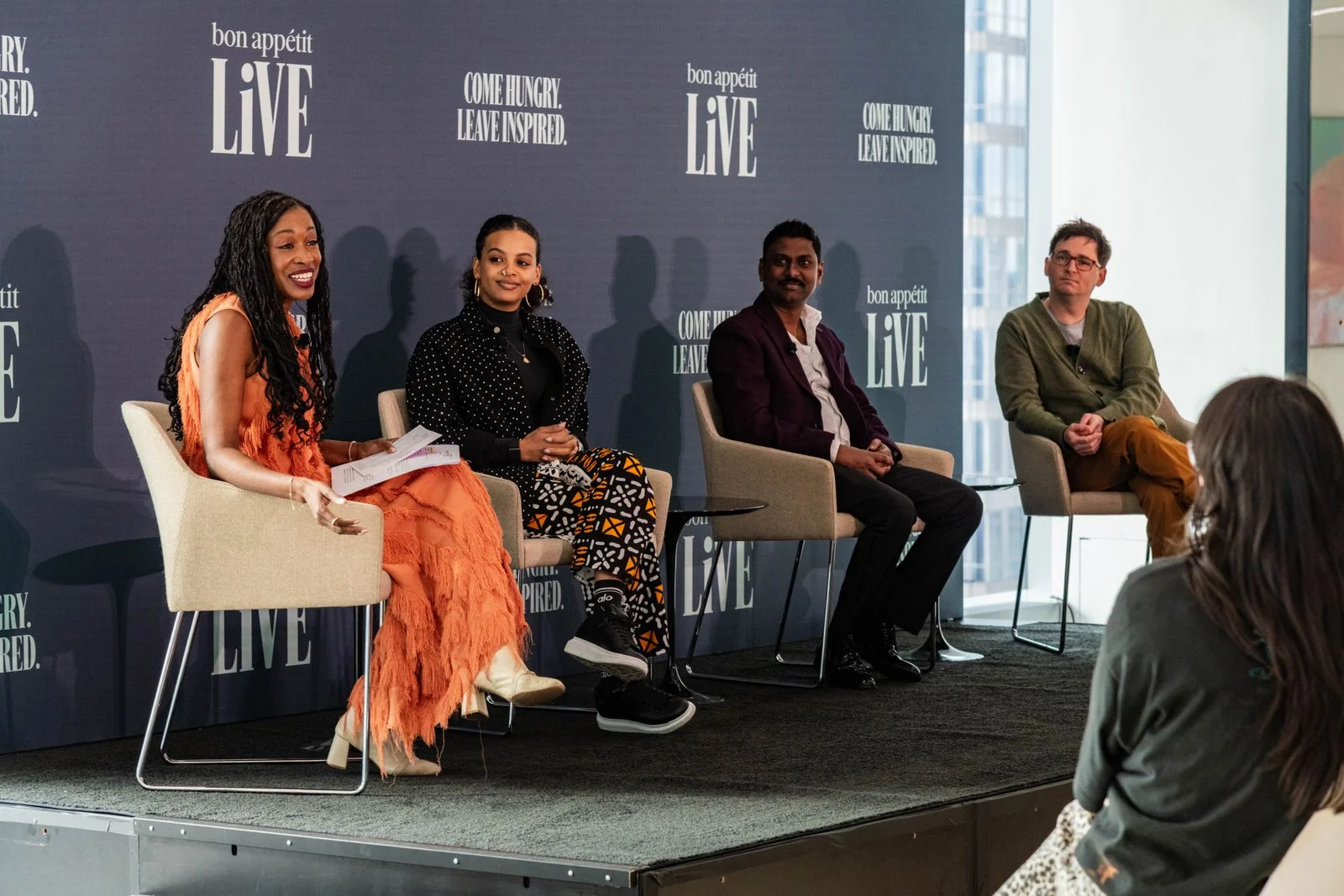
Advice, seasonal cooking, and a very long cake
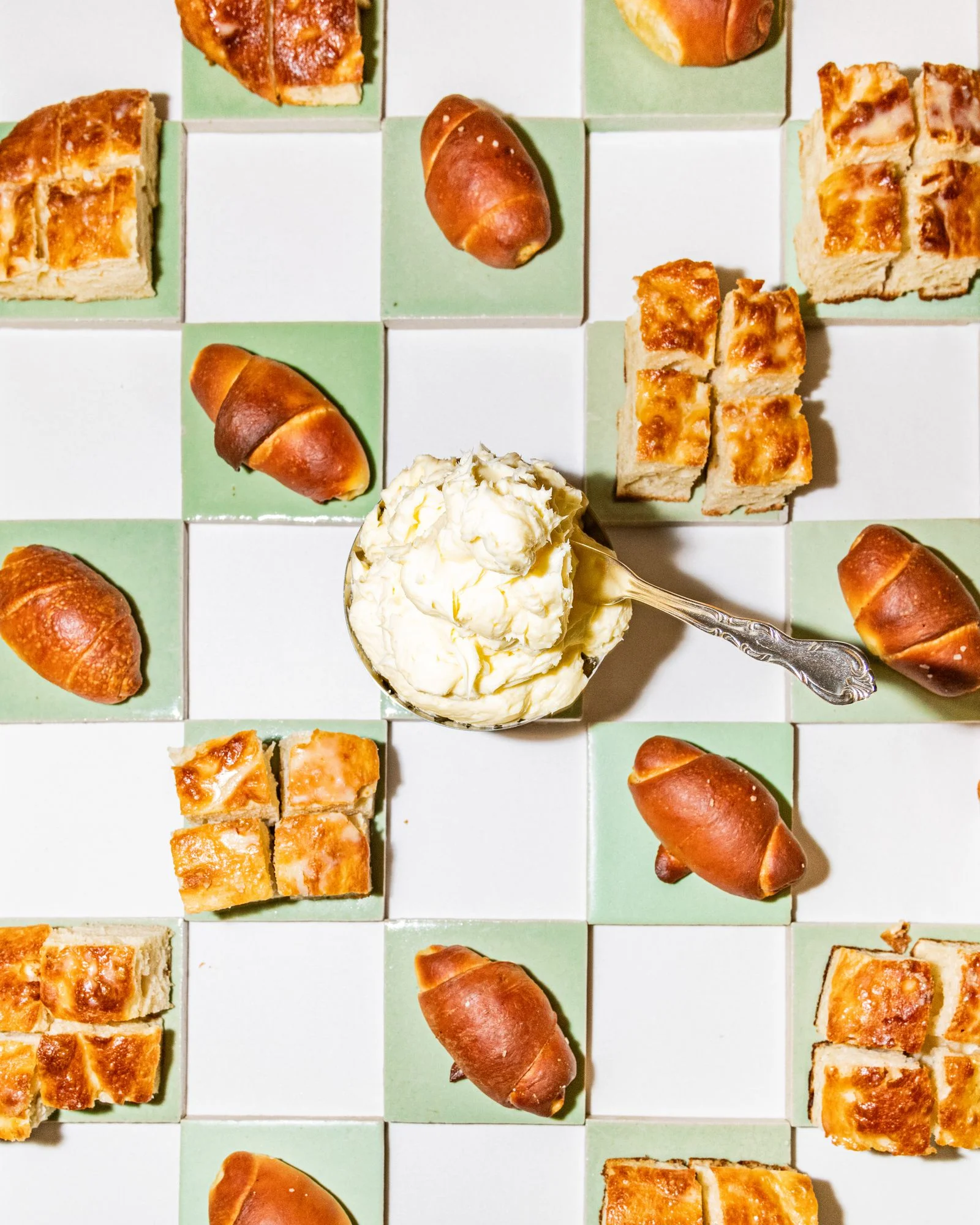
The food offerings included Bon Appétit’s [Salt Bread](https://www.bonappetit.com/recipe/salt-bread-shio-pan) and [Shockingly Easy No-Knead Focaccia](https://www.bonappetit.com/recipe/easy-no-knead-focaccia). In the Demo Kitchen, director of culture Joseph Hernandez joined Matt Conroy, chef at Washington, D.C.’s Maison Bar à Vins, for a live demonstration. The restaurant, named a [Best New Restaurant of 2026](https://www.bonappetit.com/story/best-new-restaurants-2026), pairs French-inspired cooking with an eclectic wine list and seasonal cocktails. Conroy made a fall salad of chicory, pear, and smoked blue cheese with Banyuls vinaigrette. Elsewhere, director of cooking Emma Laperruque hosted a live Dear Bon Appétit advice session with chef Amanda Freitag. Asked how to deal with turkey legs and thighs that stay undercooked, Freitag suggested removing them and cooking them separately, as in Jesse Szewczyk’s [Gravy-Braised Turkey](https://www.bonappetit.com/recipe/gravy-braised-turkey).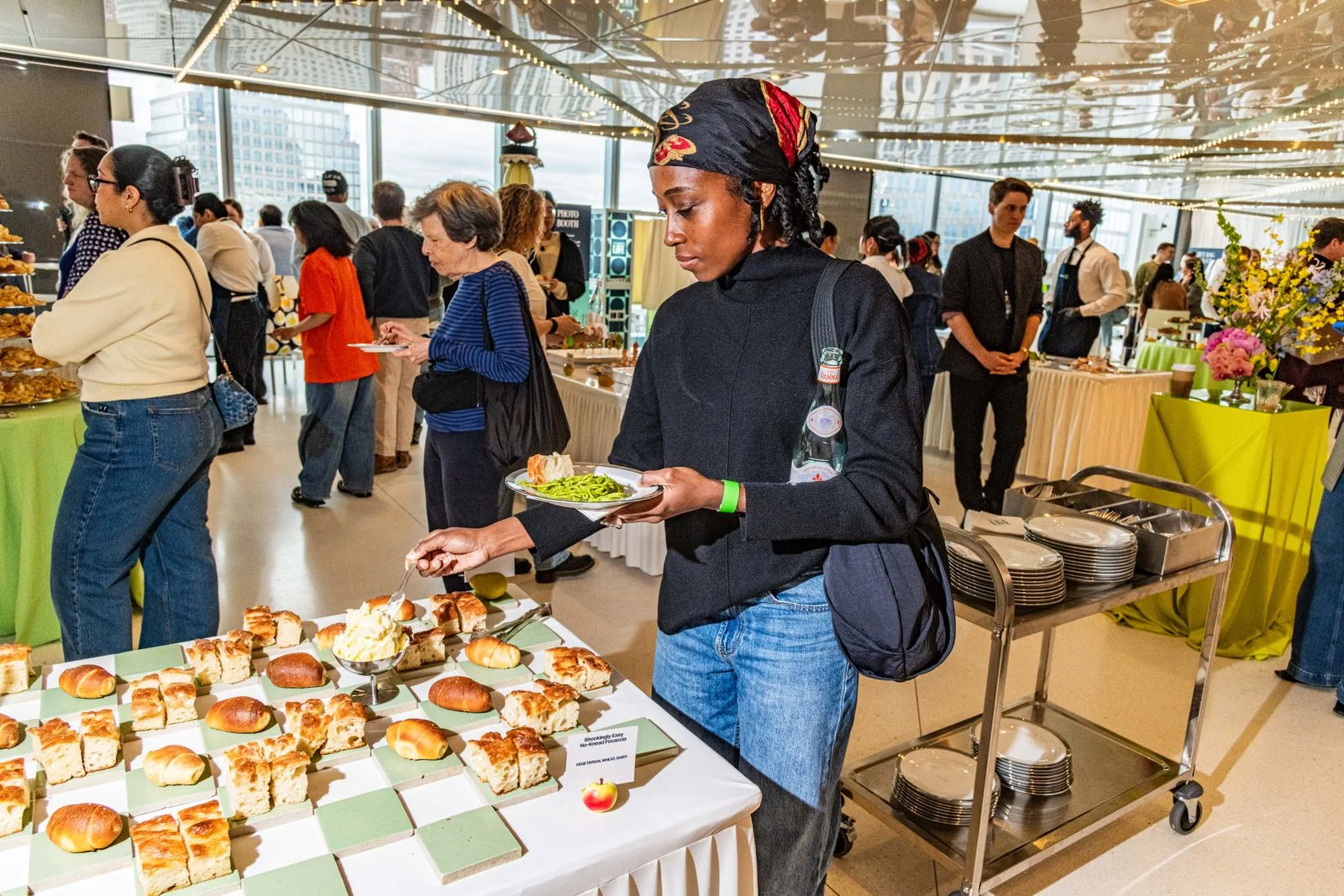
Food, from demonstration to shared table
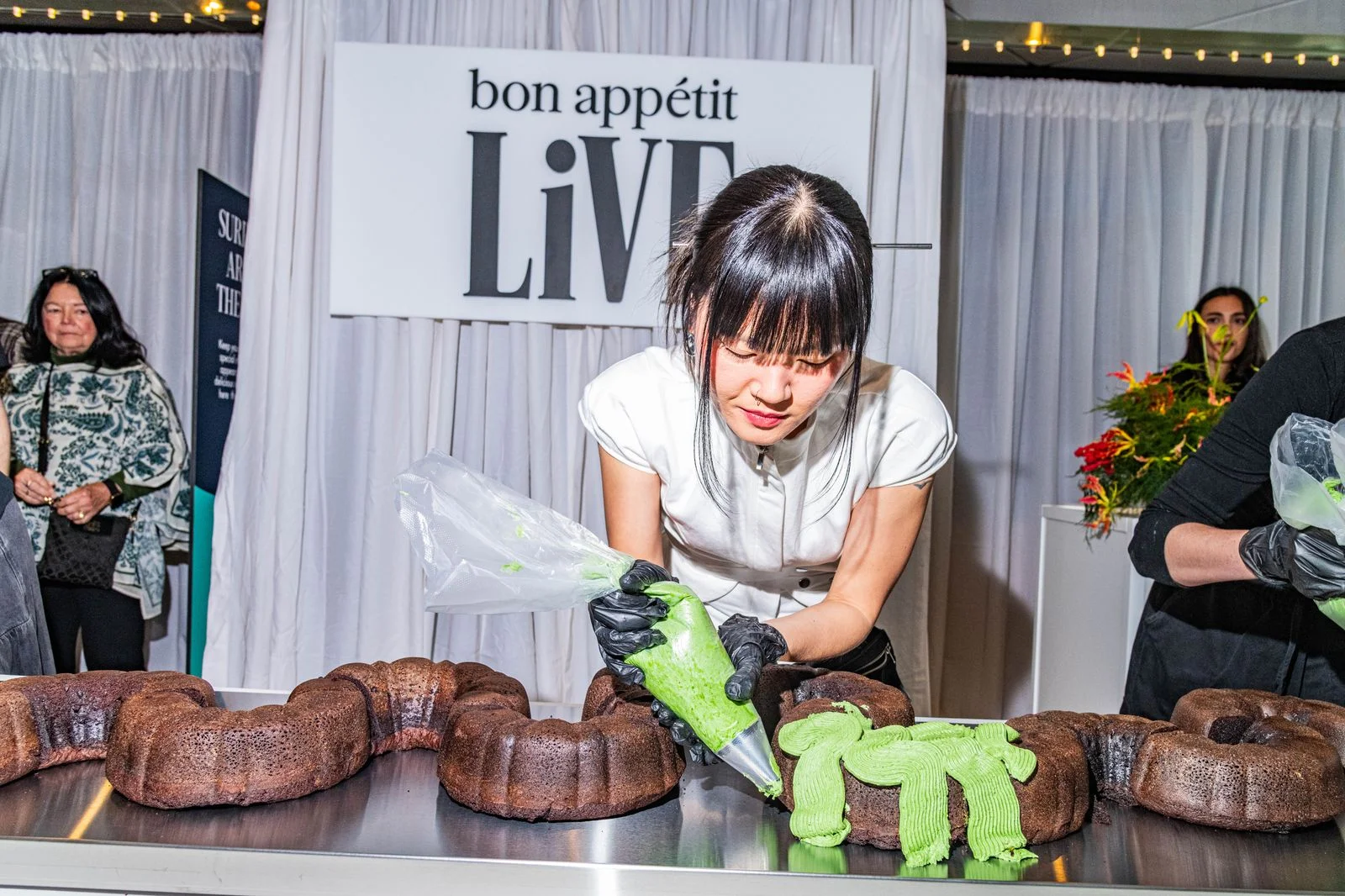
The most revealing part of Bon Appétit Live was how the cooking demos carried on into the meal. After food stylist Thu Buser decorated a snake cake with green swirls and flowers, guests sat down to mozzarella sticks, salads, tofu skewers, hot honey salmon, smoothies, and cranberry maple mules. BA’s Best Mozzarella Sticks, a crunchy salad with dates and fried shallots, and Peruvian-style tofu were among the dishes on offer. The format made the event feel less like watching a stage and more like joining a working kitchen.
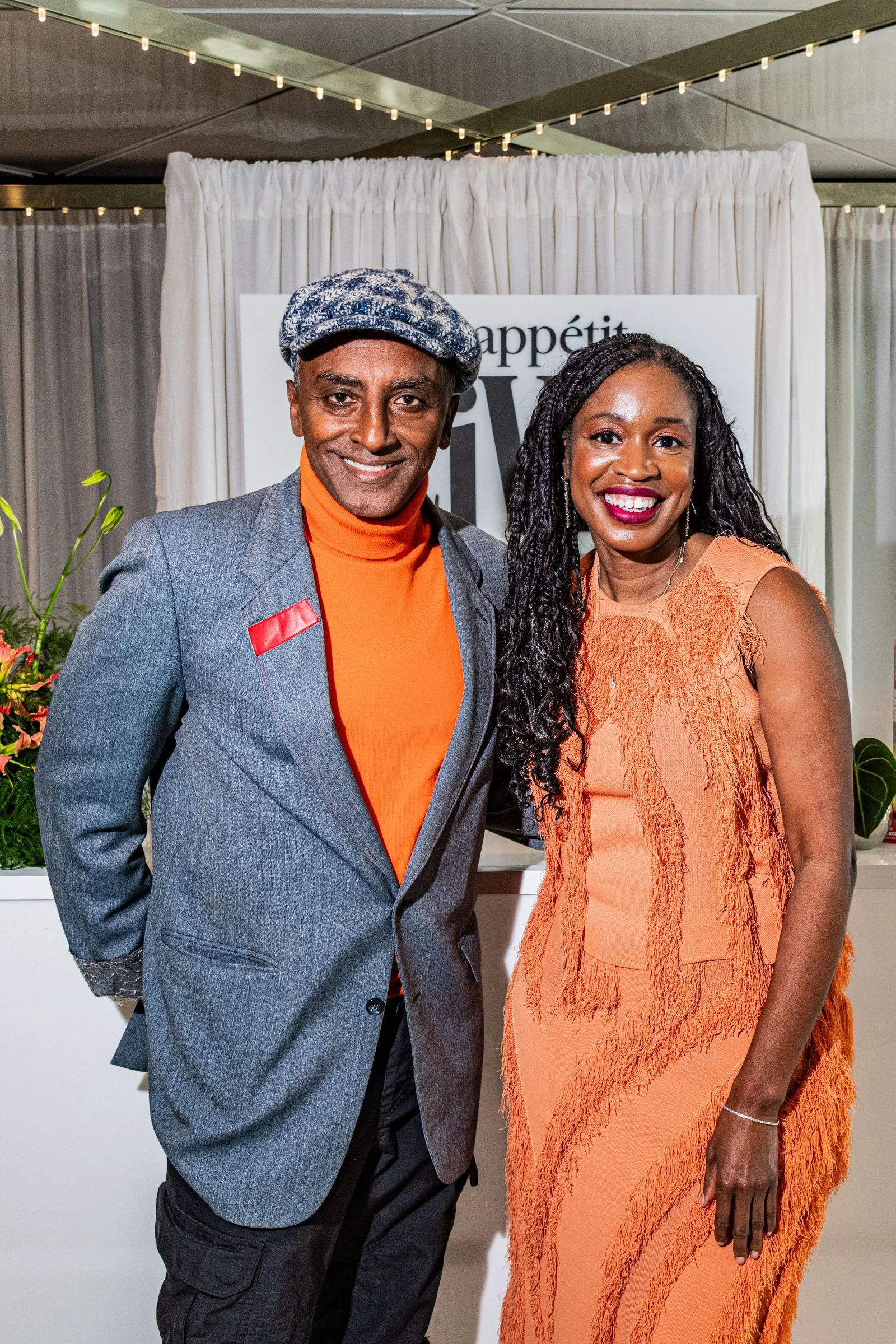
Marcus Samuelsson and Jamila Robinson.
That sense of access continued over lunch, when editor-in-chief Jamila Robinson spoke with chef and restaurateur Marcus Samuelsson about Back to Green: Rediscovering a World of Delicious, Healthy Eating, his new plant-forward cookbook coauthored with Robinson. Samuelsson summed up the room’s mood: “What a party we are having here…the energy is amazing!”
Maine’s blueberry case
The day’s last cooking demonstration put a regional ingredient at the center: Jesse Szewczyk prepared cornmeal shortcakes with blueberry compote using a recipe by Test Kitchen editor Rebecca Firsker and wild blueberries from Brodis Blueberries, a ninth-generation family farm. Ron Howard of the farm spoke about the fruit’s place in Maine agriculture. Wild blueberries are native to the region and date back to the end of the last Ice Age; Howard argued they deserve recognition as the state’s signature crop, ahead of even lobster. The shortcakes offered a tasty argument. Szewczyk said the wild berries gave them a deeper color and a more pronounced blueberry flavor than conventional berries.
For anyone working in food, that distinction matters: a local ingredient can tell a story, but it also has to deliver on the plate. Here, the tasting gave Howard’s claim something more persuasive than a slogan.
A hands-on closing
Pastry chef Eunji Lee, named North America’s Best Pastry Chef by The 50, brought the day to a close with pastries from Lysée. Her New York boutique draws on both Korean and French culinary culture, and guests had the chance to meet Lee as well as sample her work.
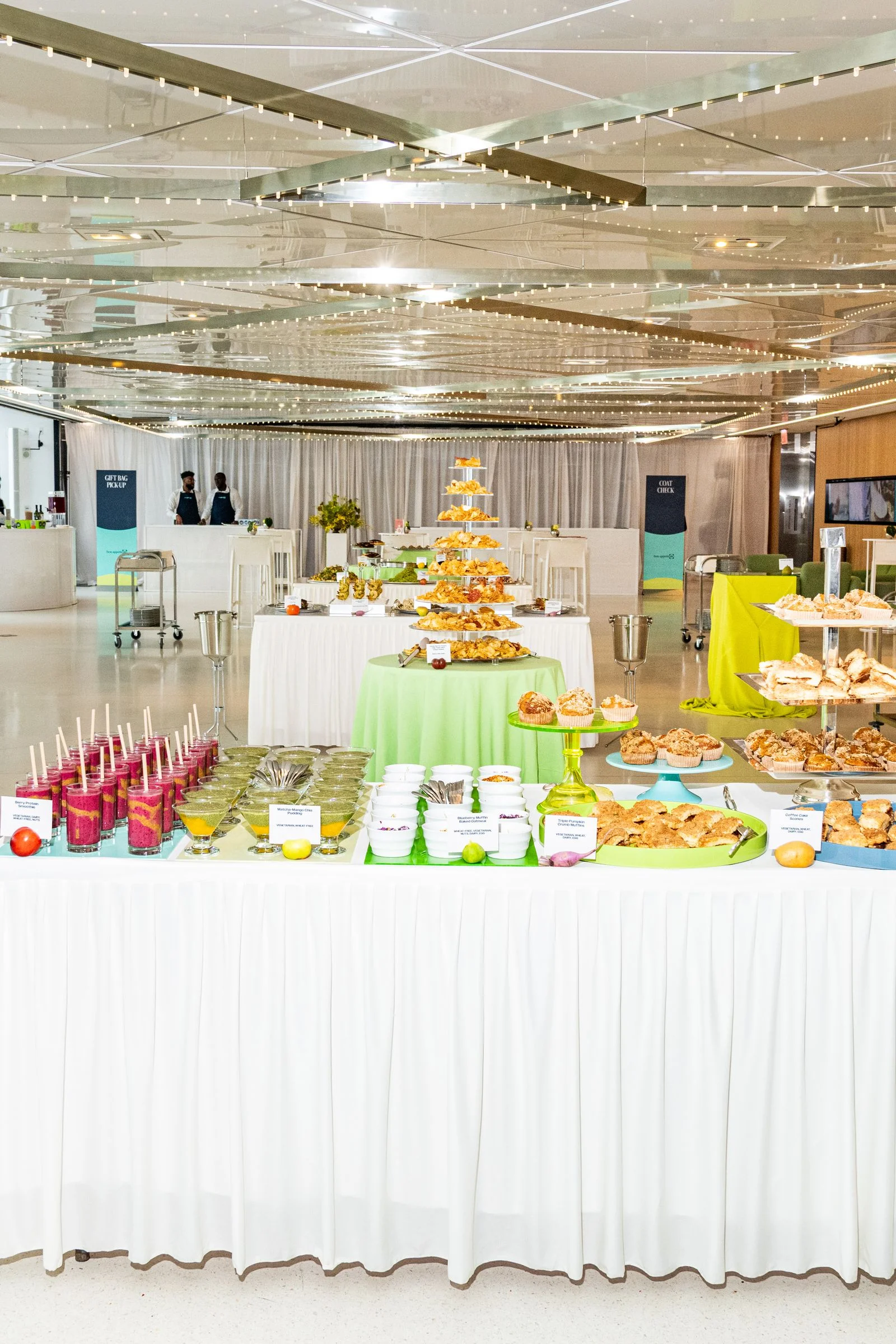
Bon Appétit Live brought chefs, culinary personalities, and editors together for conversations, demonstrations, tastings, and lessons inside the Test Kitchen. The appeal is straightforward: attendees could meet the people behind the food and try what they made. Robinson put the idea plainly: “Food is always an invitation…we are so happy to give everyone access to the same experiences we have.”
Bon Appétit LIVE 2026 was sponsored by East Fork, Visit Maine, and S.Pellegrino® Sparkling Natural Mineral Water, with thanks to All-Clad, As Ever, Bachan’s, Better Sour, Field Company, Floura, Gimme Seaweed, GOODLES, Graza, Hedley & Bennett, Kann Coffee, Material Kitchen, Misen, Owala®, Rip Van, SharkNinja, and Staub.
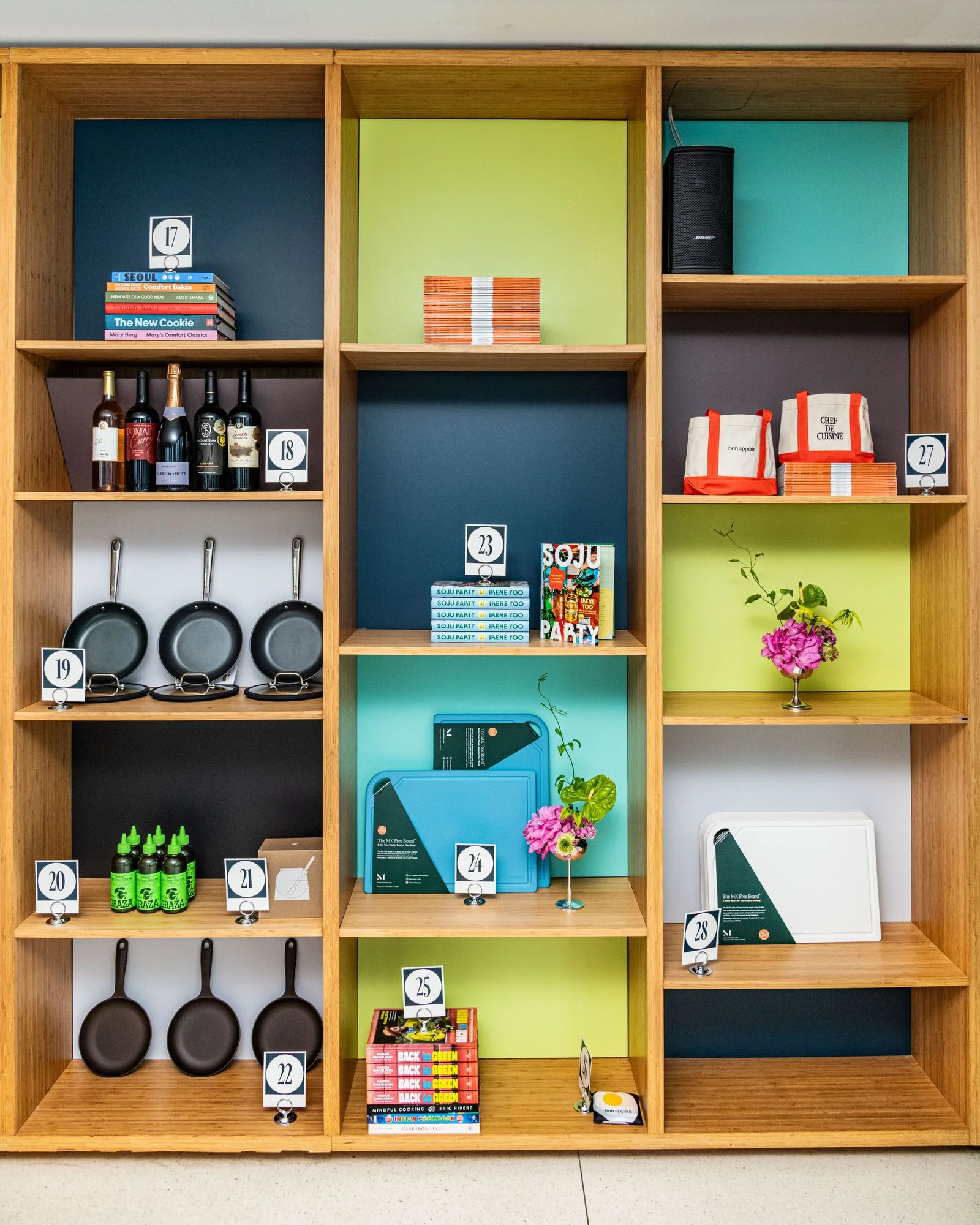
The prize wall.


