Best Cast Iron Skillets: Lancaster No. 8 and Victoria Compared
2026-11-17 20:15
634 views
The lighter Lancaster No. 8 heats quickly and is built for long-term use, while Victoria offers an affordable, slick skillet for everyday cooking.
Cast iron rewards use in a way modern nonstick coatings don’t: its seasoning can build with years of cooking, and the pan itself can take metal utensils and high heat. That’s the case for owning one. The harder question is which one to buy, because cast-iron cooks can be fiercely loyal to their pans.
Some swear by Lodge, an affordable American-made skillet. Others seek out vintage Griswold or Wagner pans, sometimes rescuing them from scrap yards and restoring them with electrolysis and their own seasoning methods. Both camps have their reasons. If you’ve cooked with the same skillet for years, a side-by-side test may not change your mind—and that’s fine. The point here is to compare the options and help you find one that suits the way you cook.
Cast iron’s appeal is practical. As oil layers polymerize on the cooking surface, seasoning can make the pan increasingly nonstick. It can wear or get damaged, but these skillets are more forgiving—and easier to care for—than their fussy reputation suggests. The simplest advice from cast-iron enthusiasts is also the most useful: cook with the pan.
This update includes a review of Made In’s new cast-iron pan and additional long-term testing of the top pick.
The heirloom pick: Lancaster Cast Iron No. 8
The Lancaster No. 8 is listed at $175. That’s a serious price for a skillet, so its appeal depends on treating the pan as a long-term purchase rather than a cheap route to crisp hash browns.
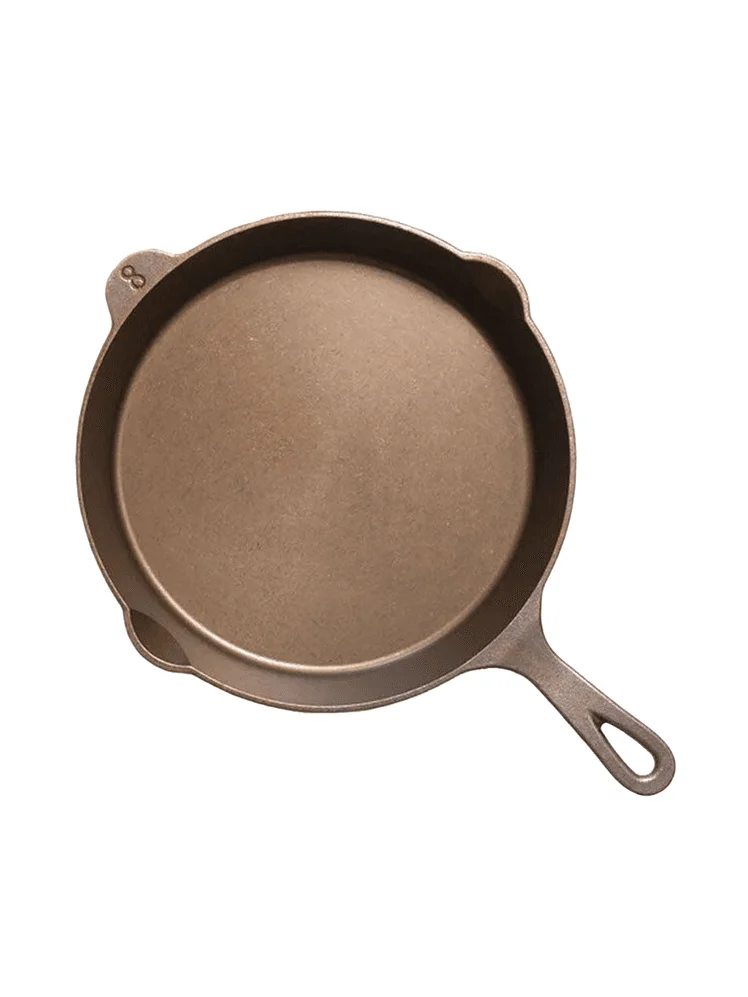
Lancaster No. 8: A lighter take on cast iron
The Lancaster’s biggest difference shows up before you cook: it weighs just 4 pounds in the 10-inch size, compared with roughly 5 pounds or more for many similarly sized skillets. That pound matters. In side-by-side testing, several people picked it out as the easiest pan to lift and maneuver.
Its thinner walls also brought it to temperature more than a minute faster than heavier pans. I expected that speed to come at the cost of browning power, but it still crisped cornbread effectively. Heat was relatively even, too, though cast iron’s cold spots haven’t magically disappeared.
That combination makes the Lancaster more than a polished version of a conventional skillet. It’s quicker to handle and quicker to heat, while still doing the jobs people buy cast iron for. The smooth surface helped with release straight out of the box, even though the factory seasoning is lighter than what you’ll find on a Lodge or Victoria.
Seasoning takes time; the price takes a decision
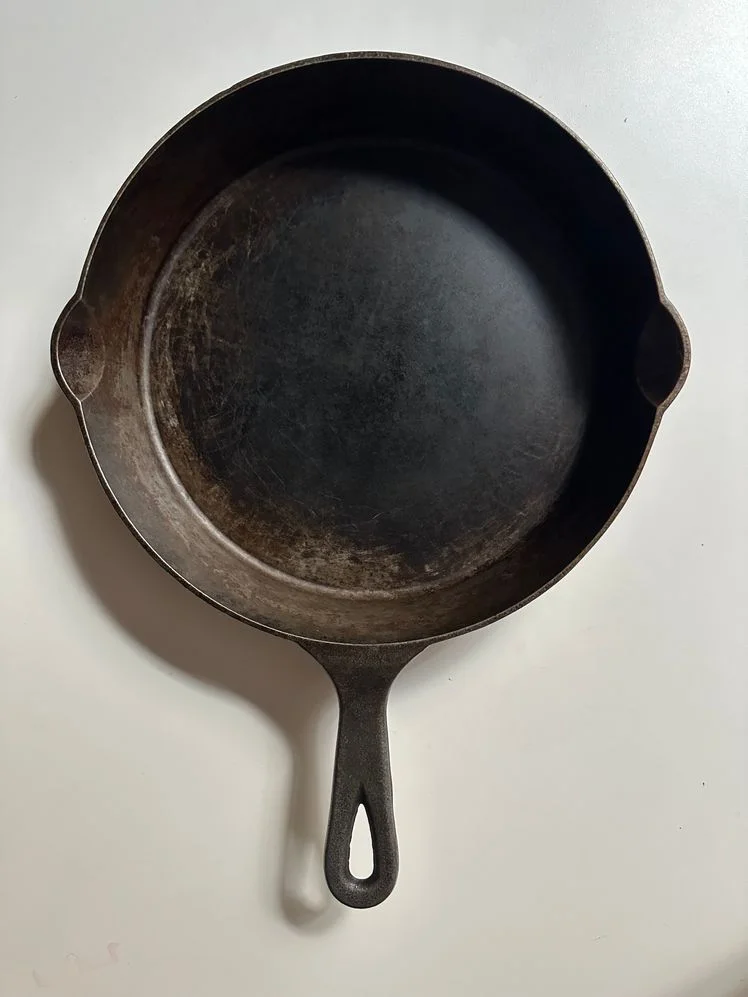
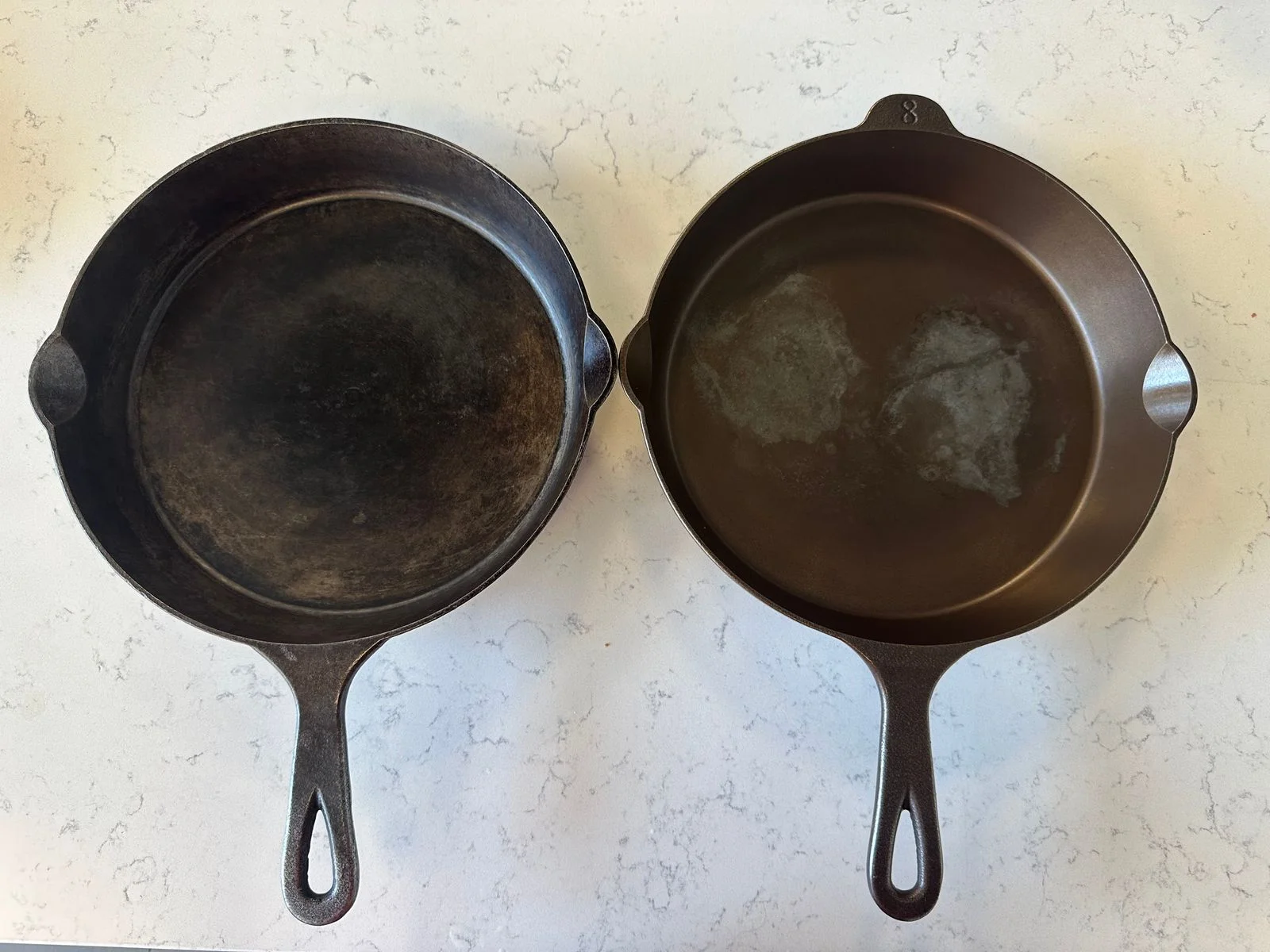
Here’s the thing about that thin seasoning: searing meat can leave gray patches where food pulls some of it away, and you’ll need to watch for rust until the pan has seen a few uses. That’s a maintenance quirk, not a cooking failure. Keep cooking, and the seasoning builds. A little neutral oil, wiped nearly dry and heated in the pan, can help protect it in the meantime.
After searing chicken thighs, the four-year-old pan on the left has a dark, established seasoning. The newer pan on the right has gray patches where the chicken skin lifted some of its factory coating. Keep cooking, or wipe on a trace of neutral oil and heat the pan for a few minutes. Wilder Davies
Cosmetic changes during seasoning bother some cooks. They don’t affect performance, and I like that the pan’s surface records its use. The newer design also adds a helper handle, an improvement over the earlier version that was already easy to lift. [Read a full review of the Lancaster No. 8](https://www.bonappetit.com/story/lancaster-cast-iron-skillet-review).
At $175, this is an expensive skillet in a category known for bargains. The case for spending that much is longevity: a well-kept cast-iron pan can last a lifetime. That’s a very different proposition from paying a similar amount for [ceramic nonstick cookware](https://www.bonappetit.com/story/made-in-ceramiclad-non-stick-frying-pan-review) that may last only a year or two. Whether the Lancaster is worth the price comes down to how much you value its lower weight and smooth surface.
If you want a slick pan for hash browns without spending much, the [Victoria Cast Iron Skillet](https://www.amazon.com/Victoria-Skillet-Seasoned-Flaxseed-Certified/dp/B01726HD72) is the budget pick; its listed price here is $37. The Lancaster is the one to consider if you want a lighter skillet that could become a family heirloom.
Victoria’s edge is real, but small
The Victoria skillet arrives with a better head start than Lodge. Its flaxseed oil seasoning felt glossier and slicker in testing, making eggs and fried potatoes release a little more easily. Seasoning improves with use, but if you’d rather not wait for a pan to build up that surface, Victoria has the advantage.
Its wide pour spouts also make it easier to drain oil and pan juices, and testers found its handle a touch more comfortable than Lodge’s. Those are useful refinements, though they’re minor enough that a Lodge fan can still buy with confidence.
The trade-off is weight. In the same diameter, Victoria’s skillet weighs a pound and a half more than the Lancaster pan. That heft comes with the low price; if easy handling matters more than saving money, it may be a poor fit.
Victoria’s practical strengths are easy to sum up: it’s affordable, comes pre-seasoned, and has two pour spouts plus a helper handle. The drawback is that it’s heavy. It comes in five sizes: 4.8 inches at 1.1 pounds, 6.5 inches at 2 pounds, 8 inches at 3.1 pounds, 10 inches at 5.5 pounds, and 12 inches at 7.5 pounds.
How the pans were tested
Several staff members handled the skillets to judge how manageable they felt. Then we cooked sunny-side-up and scrambled eggs with a little oil, seared skin-on chicken thighs to assess heat distribution, and measured how long each pan took to reach 375° over medium heat.
After washing each skillet in hot water, we checked for spots where seasoning had worn away. We then re-seasoned the pans in an oven for an hour at 500° and cooked another round of eggs to see whether the surface had changed.
What matters when choosing cast iron
The comparison focused on bare cast-iron skillets. Enameled pans, including those from Le Creuset and Staub, have different cooking and care requirements, so they weren’t included. Griddles and grill pans were also excluded because they serve different purposes.
For a consistent comparison, the testing centered on 10-inch skillets, known as No. 8 in traditional cast-iron sizing. That’s the most common size, though dimensions vary among manufacturers.
And a final point about seasoning: cast iron doesn’t become oil-free nonstick. A well-used skillet may come close, but seasoning mainly helps food release with less oil. Victoria’s smoother starting surface is a meaningful convenience; it doesn’t change what the material is.