5 Star Trek Characters Who Died And Came Back
In Star Trek, death can be less an ending than a plot complication. Across six decades, the franchise has found ways to bring people back through cloned bodies, advanced technology, and the occasional unexplained return. That’s more than a convenient storytelling trick: it reflects a universe where identity can outlast the body, though the shows don’t always agree on what that means.
The list of major characters whose deaths stick is surprisingly short. Jadzia Dax, played by Terry Farrell, died in the Season 6 finale of Star Trek: Deep Space Nine, “Tears of the Prophets.” But Dax was a Trill, a humanoid joined with a symbiotic slug. In Season 7, the symbiont survived in a new host, Ezri, played by Nicole de Boer. Other deaths have been reversed in tie-in fiction; the novels, for example, brought back Lieutenant Trip Tucker (Connor Trinneer), whose death in Star Trek: Enterprise remained final on television. The franchise’s central canon has its own share of returns.
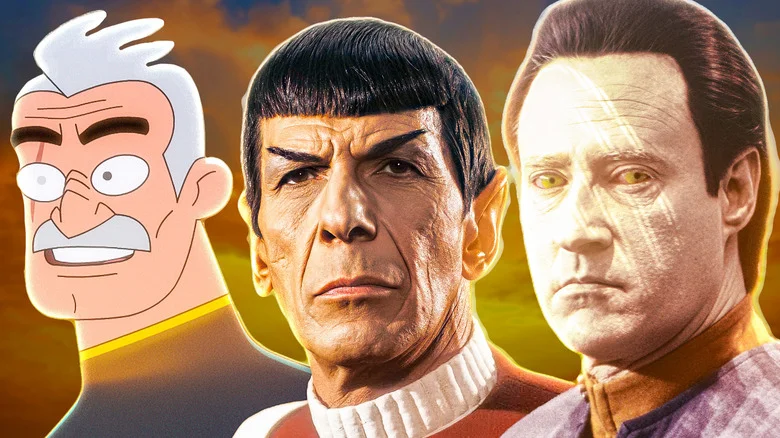
Spock
The franchise’s best-known resurrection belongs to its best-known character. Spock’s return was planned into the story, but it also grew out of a change of heart behind the scenes.
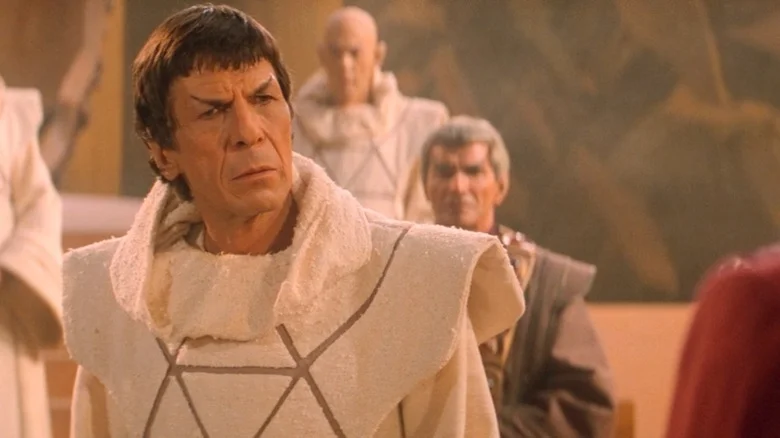
By the 1980s, Leonard Nimoy was tired of being typecast as Spock. His 1975 autobiography, I Am No Spock, made that frustration plain. To persuade Nimoy to return for Star Trek II: The Wrath of Khan, executive producer and writer Harve Bennett offered him a memorable death scene. Nimoy accepted, but enjoyed making the film enough to reconsider leaving the role. Reports that Spock would appear in a third movie surfaced even before Wrath of Khan reached theaters.
In the film, Spock dies from radiation poisoning after sacrificing himself to save the Enterprise crew. He and his friend, Captain Jim Kirk (William Shatner), exchange final words through a transparent barrier. There’s a clue to what comes next, if you can catch it through the heartbreak: Spock apparently mind-melds with Dr. McCoy (DeForest Kelley) and says, “Remember.” His casket lands on the Genesis planet, created by a device capable of producing life from death.
Star Trek III: The Search for Spock, directed by Nimoy, follows those clues. Genesis restores Spock’s body, but as a rapidly aging child. Meanwhile, McCoy carries Spock’s katra, the Vulcan concept of a soul. The film brings the two back together, restoring Spock to life.
Weyoun
Weyoun’s repeated returns raise a harder question: if a clone has the same memories and personality, is that person still the same individual? Deep Space Nine leaves the philosophy open while making the practical answer clear: the Dominion can keep producing another Weyoun.
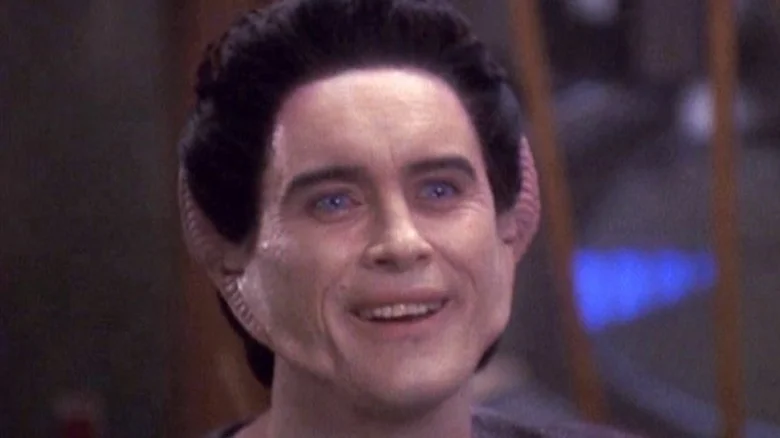
Jeffrey Combs plays Weyoun, a Vorta: an artificial species engineered by the shapeshifting Founders to handle diplomacy and administration for their Dominion. Like the Dominion’s genetically engineered Jem’Hadar troops, Vorta are expendable. But their genetic codes, personalities, and histories are preserved, allowing them to be cloned again.
Weyoun first appeared as a one-off villain in Season 4’s “To the Death,” where he died. Season 5’s “Ties of Blood and Water” brought him back and revealed that Vorta are cloned. The first Weyoun we saw was actually the fourth version. Captain Ben Sisko (Avery Brooks) observed that the Vorta seemed to have immortality; Weyoun replied, “of a sort.”
Weyoun 5 survived into Season 7, then died offscreen in what was apparently a transporter “accident” arranged by his rival Damar (Casey Biggs). Weyoun 6, introduced in “Treachery, Faith and the Great River,” was a flawed clone who wanted to defect and didn’t last long. In “Strange Bedfellows,” Worf (Michael Dorn) killed Weyoun 7 by snapping his neck. By then, the revolving door had become a running gag.
The finale, “What You Leave Behind,” finally appeared to close it. Garak (Andrew Robinson) shot Weyoun 8, and no further cloning material was available. That version was the last.
Data
Data’s death in Star Trek: Nemesis was designed to echo Spock’s sacrifice. The film left a path back, but it took years for the franchise to use it.
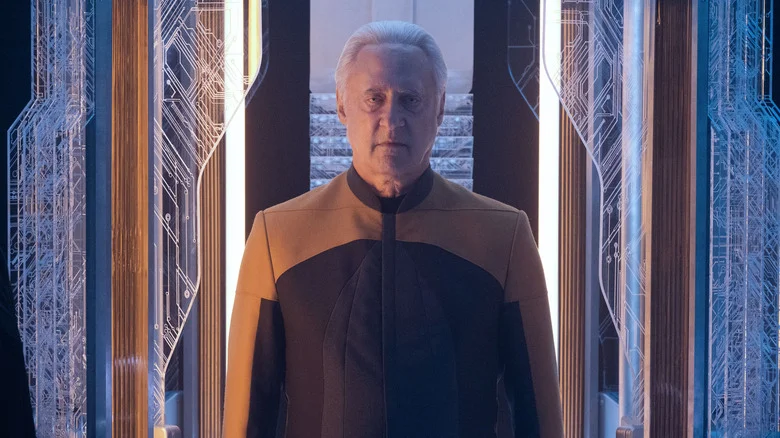
In the 2002 film, Data (Brent Spiner) gives his life to save Captain Jean-Luc Picard (Sir Patrick Stewart). Picard is stranded aboard the Scimitar, an enemy ship about to unleash lethal thalaron radiation, and the Enterprise transporters are disabled. Data doesn’t need to breathe, so he crosses the vacuum carrying an emergency transporter, gets Picard to safety, and destroys the weapon. The blast kills him too.
Nemesis is not widely beloved, and Data’s death can feel like an attempt to recreate the emotional punch of Spock’s. Still, the film leaves a possible route back: the Enterprise crew finds B-4, a prototype android created by Data’s maker, Dr. Noonien Soong. In the final scene, Picard hears B-4 singing a song Data had sung earlier, hinting that some of Data’s memories may have survived in his “brother.”
Data’s return came in stages. In Season 1 of Star Trek: Picard, Dr. Soong’s son Altan (also played by Spiner) reconstructs Data’s consciousness from memories embedded in B-4 and places it in a simulation. Data speaks with Picard there, then asks him to delete the simulation at the season’s end.
Season 3 gave Data a physical body. The season reunited the Next Generation cast in the long-awaited send-off many fans wanted, and restored Data through Soong Jr.’s work. This version combines the Soong androids, including Data’s malicious “brother” Lore, and inhabits a humanlike “golem” body. It brings Data closer than ever to the human life he wanted.
Shaxs
Star Trek: Lower Decks plays with franchise conventions while sitting inside the main Trek universe. It follows the junior crew of the USS Cerritos, ensigns who would likely be red shirts in a more serious series. Yet some of its bridge officers become familiar faces, including Bajoran security chief Lieutenant Shaxs (Fred Tatasciore).
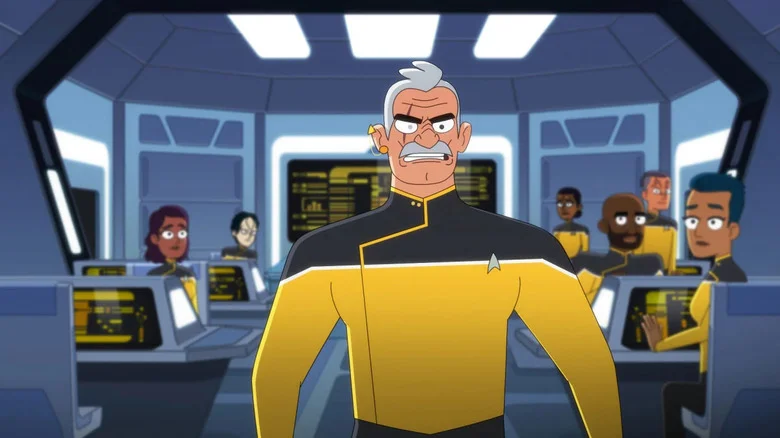
Shaxs appears to die in the Season 1 finale, “No Small Parts,” caught in the explosion of a self-destructing Pakled ship. Then he turns up alive in Season 2, Episode 3, “We’ll Always Have Tom Paris.” The show never explains how he survived. Whatever happened, Shaxs finds it too harrowing to discuss.
That gag points to a strange side effect of Trek’s resurrection habit. Imagine an ordinary Enterprise crew member attending Spock’s funeral, then returning to duty under him after Spock comes back. Lower Decks turns that oddity into a joke: escaping death, and knowing how it happened, seems to come with seniority aboard a starship.
Tasha Yar
Tasha Yar’s second death gave her story some purpose
Tasha Yar’s return in “Yesterday’s Enterprise” is a resurrection with an asterisk: the episode brings her back by changing history, then lets her choose a death that matters. That’s a far stronger use of Denise Crosby than simply undoing the abrupt, anticlimactic end her character got in “Skin of Evil.”
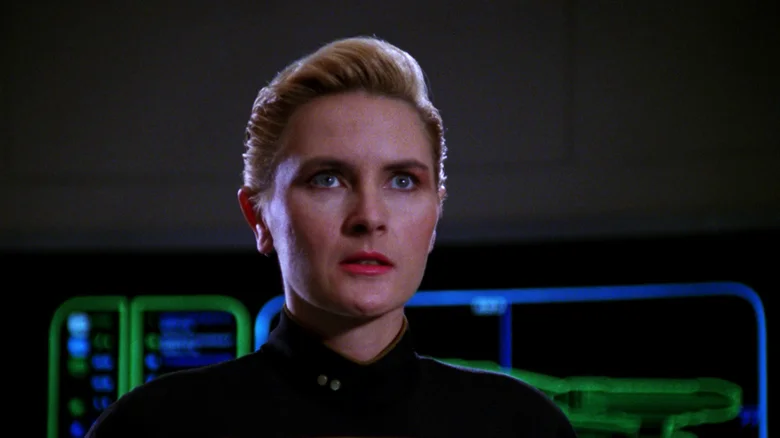
At the close of season one, Crosby left “Star Trek: The Next Generation”. Armus, played by Mart McChesney and Ron Gans, killed Tasha with the casual brutality usually reserved for a redshirt. Season three’s “Yesterday’s Enterprise” gave Crosby another appearance—and a better sendoff.
The episode’s arrival of the Enterprise-C through a space-time anomaly rewrites the present. In the original history, the ship was destroyed more than 20 years earlier while defending a Klingon colony from Romulans. Its sacrifice helped turn the Federation and Klingons’ uneasy peace into genuine friendship. In the altered timeline, that alliance never takes hold; Starfleet is losing a war with the Klingons, and Tasha is alive.
Guinan, the Enterprise-D bartender and clairvoyant El-Aurian played by Whoopi Goldberg, senses that restoring history will leave Tasha dead again. Picard gives Tasha permission to join the Enterprise-C, and she accepts. If she has to die, she wants it to be for something. Her choice helps send the ship back through the anomaly and put the timeline right.
That’s the episode’s real repair: it gives Tasha agency, even if it can’t erase how carelessly the series first killed her off. The later story offers little comfort. A retcon says Romulans captured Tasha, forced her into sexual servitude, and that she gave birth to Sela, her half-Romulan daughter—also played by Crosby—before the Romulans executed her. Some timelines are simply cruel.


