A promising premise with a short run
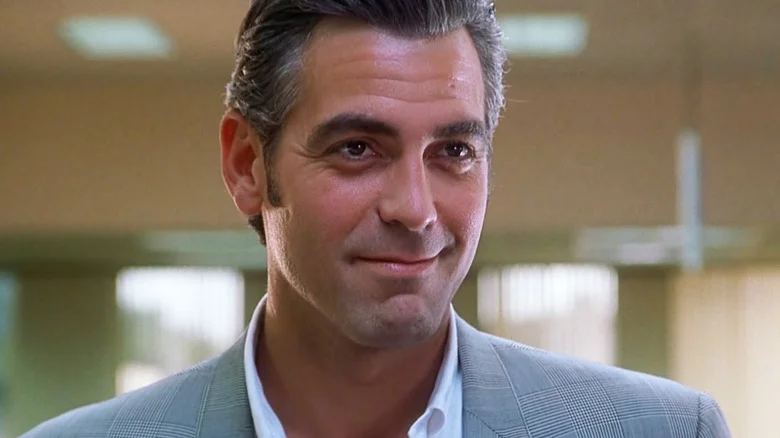
George Clooney’s 2005 HBO series Unscripted had an unusual premise, a notable creative team and guest appearances from some of Hollywood’s biggest names. It still lasted just 10 episodes. That short run leaves the series in an awkward position: it had enough behind-the-scenes pedigree to draw attention, but not enough time to establish whether its format could sustain a longer story. The result is an interesting case of a promising idea that didn’t quite turn its material into compelling television.
The show followed three actors, played by Bryan Greenberg, Krista Allen and Jennifer Hall, as fictionalized versions of themselves. They improvised scenes about the indignities and uncertainty of trying to build careers in Hollywood, with acting teacher Goddard Fulton, played by Frank Langella, as a guiding presence. Clooney executive produced the series with Steven Soderbergh and Grant Heslov, and directed its first five episodes. Heslov directed the remaining five, giving the project a consistent creative team even as the stories moved between different performers’ struggles.
Improvisation built around real acting frustrations
The series took its stories from experiences shared by its cast and crew. In a New York Times interview, Clooney said they’d trade “acting horror stories” and use them as the basis for episodes. The concept initially centered on Greenberg; Clooney recalled, “We actually called the show 'Bryan Greenberg' for a while,” before the team decided to build the series around an acting class instead. That change gave the premise a natural frame: performers could bring their professional disappointments into a shared space, while the class offered a reason for their stories to intersect.
Greenberg’s fictional counterpart draws on his real career: he’d appeared on One Tree Hill, and the show folds that experience into the plot. His character lands a regular role on the teen drama, only to lose it. Krista Allen’s storyline focuses on the limits of being typecast as the attractive one, while Jennifer Hall plays an actor trying to stay hopeful in an industry that routinely wears people down. These distinct problems let the show approach the same broad subject from different angles: work can be available and still be limiting, and a moment of apparent progress can vanish.
Langella’s Fulton offers the aspiring performers advice, but the show’s central tension comes from the gap between their ambitions and Hollywood’s uncertainty. That gap is familiar well beyond acting; many careers involve long stretches when effort doesn’t produce a clear result. The setup gave the cast room to draw on recognizable frustrations, though the premise could also feel self-conscious: the people making a show about acting were themselves Hollywood insiders. Here’s the thing: familiarity with the subject can sharpen a story, but it can also make the show assume viewers already care about the people telling it.
Big-name cameos couldn’t fix the uneven execution
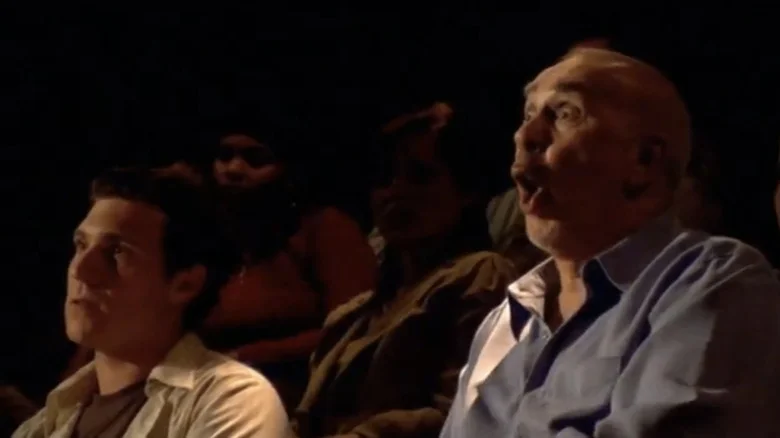
Unscripted also brought in Clooney’s friends and collaborators, including Brad Pitt, Keanu Reeves and Noah Wyle, who’d worked with Clooney on ER. Greenberg’s One Tree Hill co-star Barry Corbin also appeared. The guest list added recognition, but a familiar face can only do so much in a series built around improvised scenes. Its main appeal depended on whether those loosely shaped stories could make the actors’ setbacks feel vivid and specific, rather than like a string of anecdotes that happened to involve famous people.
That question split contemporary critics. Nathan Rabin, writing for the AV Club, called it “the TV equivalent of junk food: wildly addictive, yet almost wholly without substance.” Tim Goodman of the San Francisco Chronicle judged it “a miss,” arguing, “There's nothing entertaining or even enlightening about the series or the actors involved.” Their responses point to a basic risk in the format: stories drawn from real frustrations may feel immediate, but improvisation still needs shape, momentum and a reason for the audience to stay with each scene.
Tom Shales offered a more enthusiastic read in The Washington Post. He said he was “utterly embedded” by the end of the first episode and saw the story as being about “striving to succeed at anything,” not simply Hollywood insiders making a show about themselves. That wider reading explains why the concept could connect with viewers who’d never set foot in an acting class: the profession is specific, but the uncertainty of trying to get somewhere isn’t.
A format ahead of its moment, but short on staying power
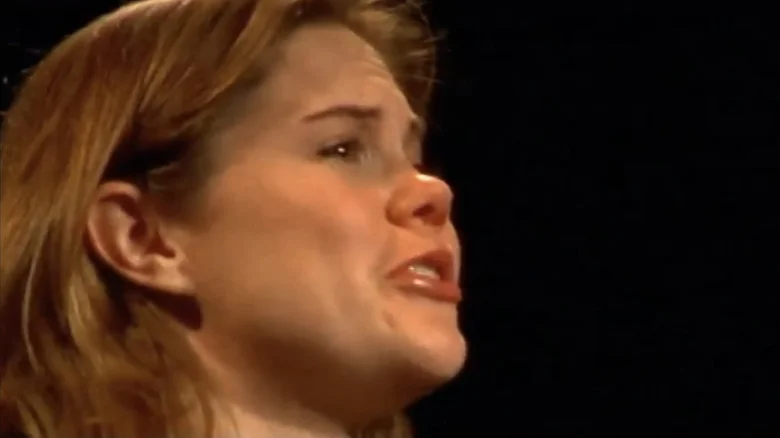
The format had a clear point of difference in 2005, the year The Office debuted in the United States. Its handheld, mockumentary approach suggested Clooney and his collaborators understood that television comedy was moving beyond the familiar multicamera setup. Yet a visual style can signal freshness without solving the harder problem of story. A show still needs scenes that build, characters whose choices carry weight and comic or dramatic payoffs that make the next episode feel necessary. Unscripted had an appealing structure and a capable ensemble; those ingredients weren’t enough to give it staying power. The numbers here are underwhelming: 10 episodes, and no second season.
That’s more significant than it looks. Unscripted sits at the intersection of performance and autobiography, asking actors to turn the frustrations of their working lives into entertainment. Similar systems typically depend on a careful balance: the material has to feel candid, while the finished scenes still need enough direction to engage viewers who don’t know the people involved. If you’re working in this space, that’s the useful lesson in the show’s mixed reception. Personal experience can supply texture, but it can’t replace dramatic construction.
What remains of the experiment
The show is now difficult to find: it isn’t available on HBO Max, and the surviving online videos are low resolution. That limited access makes its short life harder to assess, since viewers can’t easily revisit the series and judge the execution for themselves. It also leaves the show with a thinner afterlife than its prominent creative team and guest cast might suggest. And this is the part most people overlook: an intriguing premise can become a footnote when the work itself is difficult to watch.
Its brief run leaves a useful question for anyone who can track it down: can stories drawn from actors’ real disappointments turn industry familiarity into something that resonates beyond Hollywood? The answer depends on how well a series translates those experiences into scenes with stakes for the audience. Unscripted had the raw material and a distinctive approach. Whether it consistently made those pieces add up is still the question hanging over its 10 episodes.