Critics this week kept reaching for the same kind of praise: books that are messy, funny and more emotionally precise than they first let on. The strongest reviews went to a sprawling short-story collection, a history of an everyday object and a debut novel with a deeply unlikable heroine.
Fiction
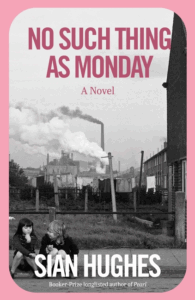
No Such Thing As Monday by Siân Hughes (Henry Holt) is the week's most admired novel, with five raves, two positive notices and one mixed review. Steffie, the protagonist, is the sort of person you'd sensibly avoid at a party. Leah Greenblatt of The New York Times still found her a pretty great company on the page: "spiky, sharp-witted, blazingly self-aware." Greenblatt also credits Hughes with an ear for misfits and underdogs, and with a tenderness that keeps the book from sliding into despair. That balance is harder to pull off than it looks.
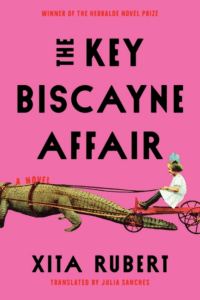
Xita Rubert's The Key Biscayne Affair (Ecco) earned three raves and two positive reviews. Michael Shorris of The Brooklyn Rail praised its slender frame and its prose, which he called "sly, rewarding" and free of the flattening minimalism that dominates so much contemporary fiction. His highlight is the sentence-level work: lines that stretch and take risks, with wisdom scattered across nearly every page.
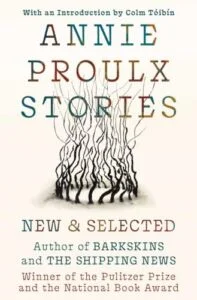
Annie Proulx Stories: New & Selected (Scribner) drew four raves, and the most vivid one came from Dwight Garner of The New York Times. Reading the collection, he wrote, feels like an antique shop emptying onto the floor, full of rusted farm implements. He meant it as high praise. Garner argues that Proulx's stories are her most demanding work, and that their apparent chaos is deliberate. From that mess, he says, she draws out "wild, wind-chapped poetries." It's a dense book, and reviewers are treating it as a career-spanning argument for her range.
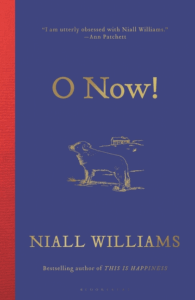
Niall Williams's O Now! (Bloomsbury) earned three raves and one positive notice. Carol Haggas of Booklist called this novella a "shimmering jewel," a quiet and lyrical meditation on life's largest questions. Short books rarely get this kind of attention, so the praise says something about how much the reviewers connected with it.
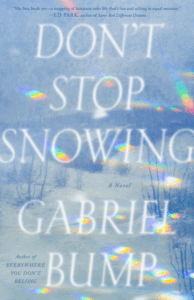
Gabriel Bump's Don't Stop Snowing (Algonquin) collected one rave and four positive reviews. Rob Franklin of The New York Times Book Review described its melancholy as something like a blizzard, both desolate and romantic. The narrator's reflections on identity, family and inherited tragedy arrive with so little fuss that readers can find themselves moved before they notice. Franklin admits he teared up more than once.
Nonfiction

James Gleick's The Telephone: A New History (Farrar, Straus and Giroux) is the top nonfiction title, with four raves and three positive notices. Alexandra Jacobs of The New York Times says Gleick gives a once-mundane device real dignity and mystery. She also points to his habit of leaving the lab for the street, which keeps the history grounded in how people actually used the thing. Her verdict is blunt: this survey should be required reading for digital natives, who have never had to wait for a dial tone.
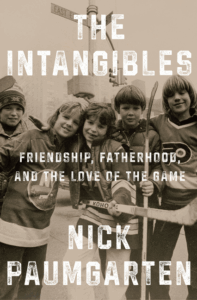
Nick Paumgarten's The Intangibles: Friendship, Fatherhood, and the Love of the Game (Penguin) drew five raves and one positive review. Publishers Weekly called its writing inventive and vivid, and said hockey fans will adore it. The reviewer also thinks casual readers will be won over by Paumgarten's thoughtful look at manhood. The book's sports frame seems to be doing more work than its subject matter suggests.
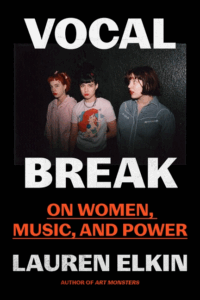
Lauren Elkin's Vocal Break: On Women, Music, and Power (Farrar, Straus, and Giroux) earned three raves and two positive reviews. Fiona Sturges of The Guardian notes that Elkin doesn't force a grand theory of the female voice. Instead, she shows how women's vocal styles are rich, varied and routinely manipulated or criticized, and how the music business underserves them. Sturges reads the book as both sharp analysis and a real love letter to singing as expression and freedom.
Nancy Isenberg's Aristocracy, American Style: Class Privilege and the Persistence of Elite Power (Viking) picked up three raves and two positive reviews. Kirkus credits Isenberg with tracing how the pursuit of status-driven power and far-reaching influence has shaped American society. The reviewer argues the analysis matters as much now as it did at the nation's founding, which is an uncomfortable thing to read.
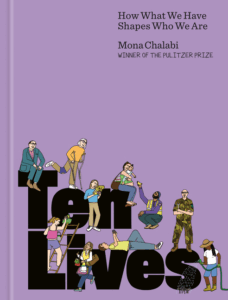
Mona Chalabi's Ten Lives: How What We Have Shapes Who We Are (Random House) earned one rave and three positive reviews. Rachel Clarke of The Guardian calls it a mix of journalism, data visualization and memoir, and says it's both a joy to read and a serious provocation. Its subjects' stories show how problems like the lack of affordable healthcare or childcare can upend a life. Clarke's review argues the book works because the numbers are hard, and the people are the reason to care about them.


