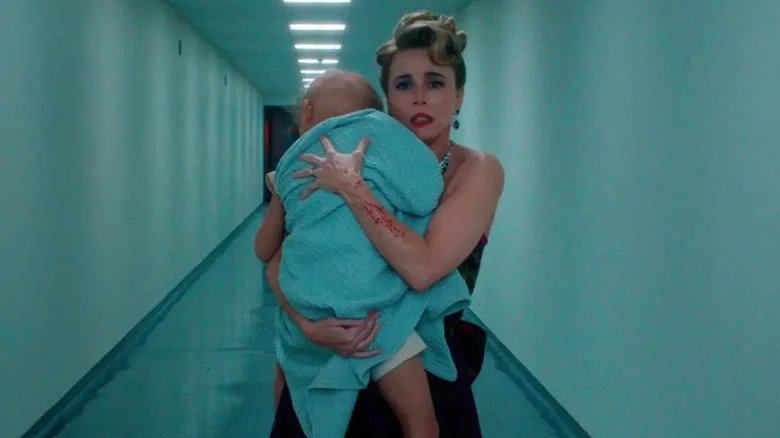
The most interesting thing about Crystal Lake may be the freedom it takes with a franchise fans already know by heart. Brad Caleb Kane’s prequel series revisits the history of Jason Voorhees and his mother, Pamela, while leaving room to reshape familiar ideas. That approach recalls Brian Michael Bendis’ Ultimate Spider-Man: both projects use a well established mythology as raw material, rather than treating every old detail as a rule.
The comparison has limits. Marvel clearly positioned Ultimate Spider-Man in its own continuity, apart from the main Amazing Spider-Man stories. Where Crystal Lake fits within the Friday the 13th timeline is still an open question. That uncertainty, alongside the show’s changes to Jason’s origins, has helped make its reception as divided as the reaction to Ultimate Spider-Man.
That tension is part of the appeal. Ultimate Spider-Man wrapped a fresh start around the character’s essential traits. Crystal Lake is trying something similar with a horror series whose history has always been a little slippery.
A familiar mythology, newly arranged
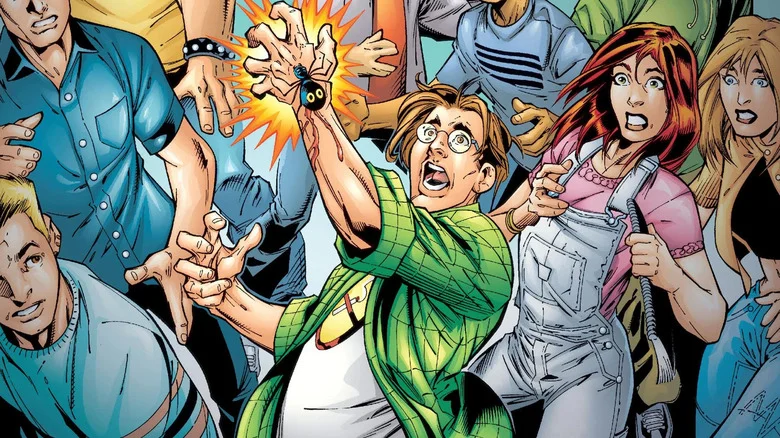
When Bendis launched Ultimate Spider-Man in fall 2000, the goal was to make Peter Parker’s story work for contemporary readers. The series revisited his supporting cast and villains, but it also introduced ideas that traveled beyond the comic. Peter’s spider bite came from a genetically altered spider rather than a radioactive one, a change later used in Sam Raimi’s Spider-Man. Bendis also had Aunt May discover Peter’s secret, a beat echoed in the closing moments of Jon Watts’ Spider-Man: Homecoming. Those additions gave the mythology new angles without losing its core character. The film’s final scene made that shift especially clear.
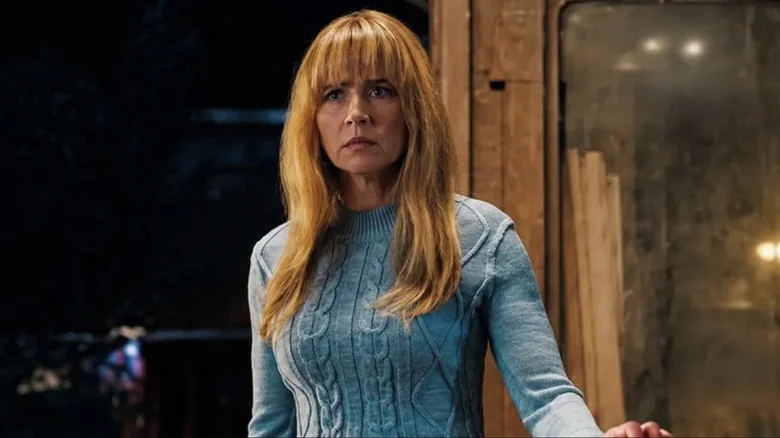
Crystal Lake takes a different route to freshness. Instead of updating Jason’s story to the present, Kane sets the series in the early 1970s, the period the show presents as the relevant starting point. Jason’s accidental drowning, Pamela’s grief and descent into madness, and the curse surrounding Crystal Lake remain central. Around those anchors, the show adds new turns, including a revised idea about Jason’s origins that has already sparked debate among fans.
The show’s creative wager is that audiences can recognize the Voorhees story even when some of its details change. For a franchise built on repeat visits to the same lake, that’s a useful way to make familiar material feel unsettled again.
The timeline question remains
Marvel’s Ultimate line gave Bendis and other writers a clear space to reinterpret the larger universe. The main Marvel continuity, by comparison, often operates on a sliding timeline: characters age slowly, and past events can be adjusted to fit new stories. Friday the 13th has its own loose relationship with continuity. Even the 2009 film, nominally a remake, stays close enough to Jason’s established traits that some viewers have treated it more like a sequel.
The films had already made literal consistency difficult. Early entries say Jason died in 1957, then reveal that he survived. Later installments push the character and his world into increasingly unlikely situations. Against that history, Crystal Lake may be less a break from a stable canon than another attempt to arrange a messy one.
Still, the show’s early 1970s setting raises a real question: is Kane adapting the broad Friday the 13th mythology in the spirit of Ultimate Spider-Man, or adding a new chapter to the existing franchise timeline? Some details appear to conflict with the films, and the series could be establishing a revised backstory—similar to the continuity adjustments made in Freddy’s Dead for A Nightmare on Elm Street. Its eventual place in the franchise remains unclear.
For now, the useful comparison is creative, not structural. Bendis showed that a separate continuity could refresh Spider-Man without stripping away what made him recognizable. Kane is testing how much room Jason and Pamela have to change while remaining unmistakably part of Friday the 13th. The answer will depend on where the series takes its lore next—and whether its new ideas deepen the story beyond the familiar lake.