Christmas horror can travel well beyond theaters when a film finds a lasting audience. Briarcliff Entertainment’s Christmas at the Kringles has a steep climb to that kind of afterlife: it opened to $675,000, and critics have given it a 0% score on Rotten Tomatoes. Those figures describe a difficult launch, but they don’t settle the film’s longer-term prospects. Seasonal horror often depends on viewers discovering it later, when the calendar makes the premise feel timely again.
The challenge is that a home-viewing afterlife has to be earned. A film needs some combination of curiosity, word of mouth, repeat viewing, or a niche audience willing to recommend it. A 0% critics’ score can become part of the pitch for viewers who enjoy notorious misfires, but it can just as easily deter people who are deciding what to watch. The opening weekend gives the movie little evidence that either response has taken hold.
A difficult opening weekend
The film arrived over Halloween weekend, when a Saturday holiday and an underwhelming slate of new releases did little to help. Across 1,825 screens, it averaged just $369 per theater and finished 17th at the box office. A wide release gave it access to a substantial number of screens, but that footprint didn’t translate into meaningful attendance. The gap between availability and audience interest is the central problem in these early results.
Those numbers leave the movie relying heavily on later viewing at home, where its critical reception could make it harder to attract curious viewers. The timing may have been an additional hurdle: Halloween is a natural moment for horror, while a Christmas story can feel early before the holiday season has begun. That’s a tough overlap to manage. The film asks audiences to embrace two moods at once, and the box office suggests the invitation didn’t travel far on opening weekend.
Holiday cheer turns unsettling
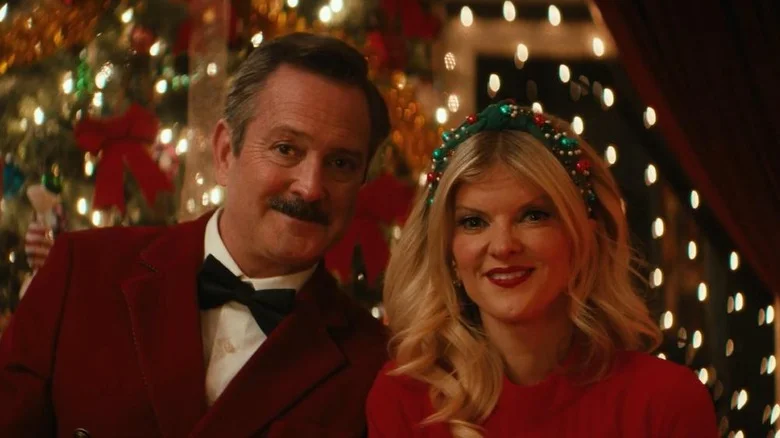
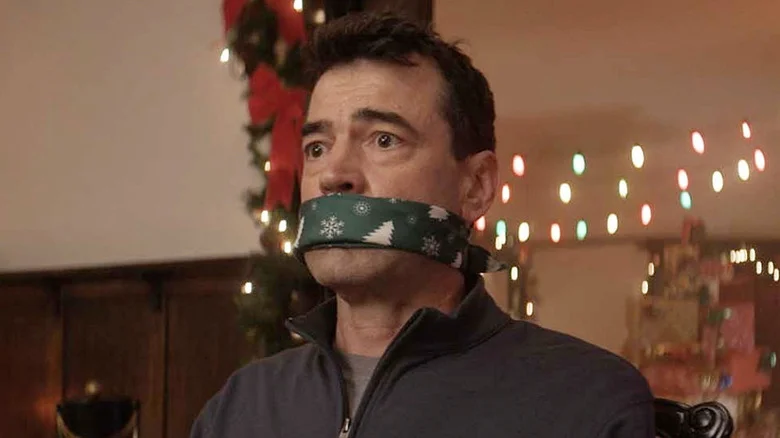
Directed by Kevin Lewis, whose credits include the Nicolas Cage horror comedy “Willy’s Wonderland,” the new film pairs suburban unease with year-round Christmas cheer. The Severson family moves to a quiet neighborhood and meets the Kringles, whose holiday spirit never lets up. Their initially charming neighbors become a source of concern when the Seversons’ son grows attached to them, setting off a story of holiday chaos.
That setup gives the movie a clear source of tension: a familiar symbol of comfort becomes unsettling through excess and proximity. Christmas horror often works by turning decorations, rituals, or family expectations into material for suspense. Here, the Kringles’ constant cheer appears to be the hinge between neighborly charm and unease. The premise has a built-in contrast, though a sharp concept still needs to make viewers care about the people caught in it.
The cast includes Ron Livingston, Rachel Bilson, Thomas Lennon and Donald Faison. That recognizable lineup and an unusual seasonal premise gave the film ingredients that could have helped it stand out. The opening and reviews suggest those elements didn’t connect with audiences or critics. This is more significant than it looks: casting can attract initial attention, but it can’t substitute for the audience response that gives a film staying power.
A niche genre with a real audience
A weak opening doesn’t automatically sink a horror film. “Other Mommy” recently showed that horror can draw moviegoers despite critical headwinds. And Christmas horror has produced enduring favorites: films such as “Krampus” and “Gremlins” have shown how seasonal scares can find an audience. Those examples establish that the category has room to work, not that every film built around the same mix will find comparable viewers.
That audience may be difficult to reach in early November, when many viewers aren’t yet in a Christmas mood. The timing also put the film alongside other theatrical choices, including “Clayface,” for horror fans. A movie competing for genre viewers has to give them a reason to choose its particular tone and premise. The concept had a path to success, but the opening weekend offered little evidence of momentum.
Briarcliff could point to recent genre hits for a reason to take the chance. “Terrifier 3” earned $90 million worldwide in 2024, following the surprise success of “Terrifier 2.” But that series had built a following, and its films also earned notable critical support despite their graphic violence. “Terrifier 3” had an audience already waiting. That distinction matters: a breakout can make a genre look commercially inviting, while the audience built around a specific series may be difficult for a new title to reproduce.
Last year’s “Silent Night, Deadly Night” remake offered another point of comparison. It wasn’t a major hit, but it received a more positive response. Christmas horror can work in theaters; this release simply hasn’t shown that it will. If you’re working in this space, the lesson is plain: a seasonal hook can open a door, but audience connection has to carry the film through it.
What happens after theaters?
For now, Christmas at the Kringles is in theaters. Its next chance is to find viewers at home—and, eventually, the kind of devoted following that can keep an unconventional holiday movie in rotation. Home viewing may suit a premise that some viewers would rather sample on their own schedule, but availability alone doesn’t guarantee discovery. The movie still needs people to recommend it, revisit it, or make it part of a seasonal watchlist.
And this is the part most people overlook: a film’s reputation can outlast its theatrical performance, but that reputation can take time to form. Christmas horror has the advantage of a recurring viewing season, giving the film another opportunity to meet an audience when its subject feels relevant. Whether that opportunity becomes a durable second life will depend on the response the film earns beyond its opening numbers. For now, the early evidence is underwhelming.
A long afterlife is possible. Not assured.