A viral wipeout exposes the risk behind a familiar skating trick
Nearly 10 million people have watched Ariel and Prince Eric crash onto the ice during a Disney on Ice performance in San Jose, California. The clip’s reach is striking; the reason viewers are alarmed is more serious. The pair were attempting a headbanger, a move that brings one skater’s head close to the rink as their partner spins them by the ankles.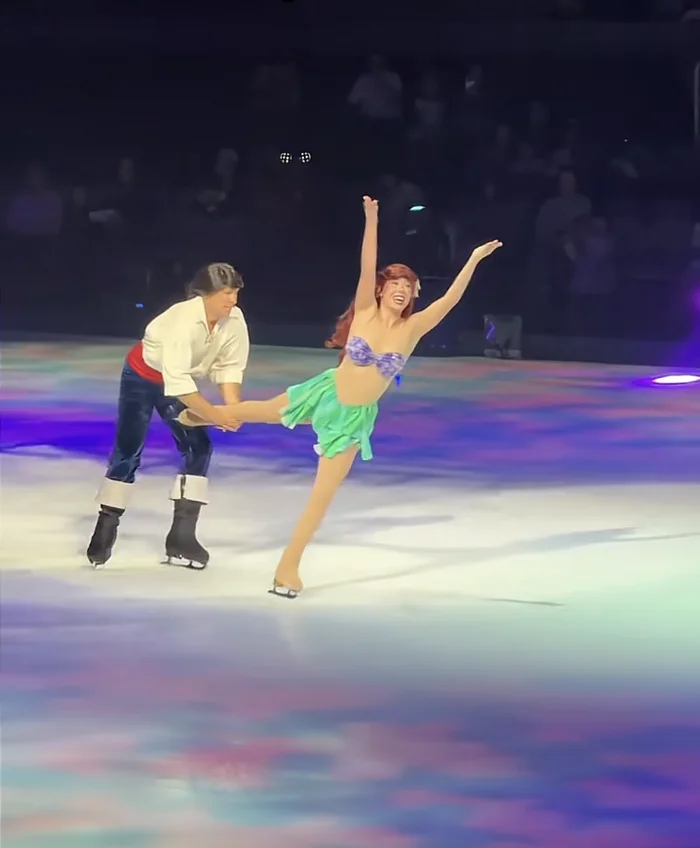 The maneuver, also called a bounce spin, demands strength and precise control from both performers. The skater doing the lifting must stay balanced on their own blades while swinging their partner low and then back up. One mistake can end in a hard fall. In the viral performance, the move went wrong and both skaters hit the ice.
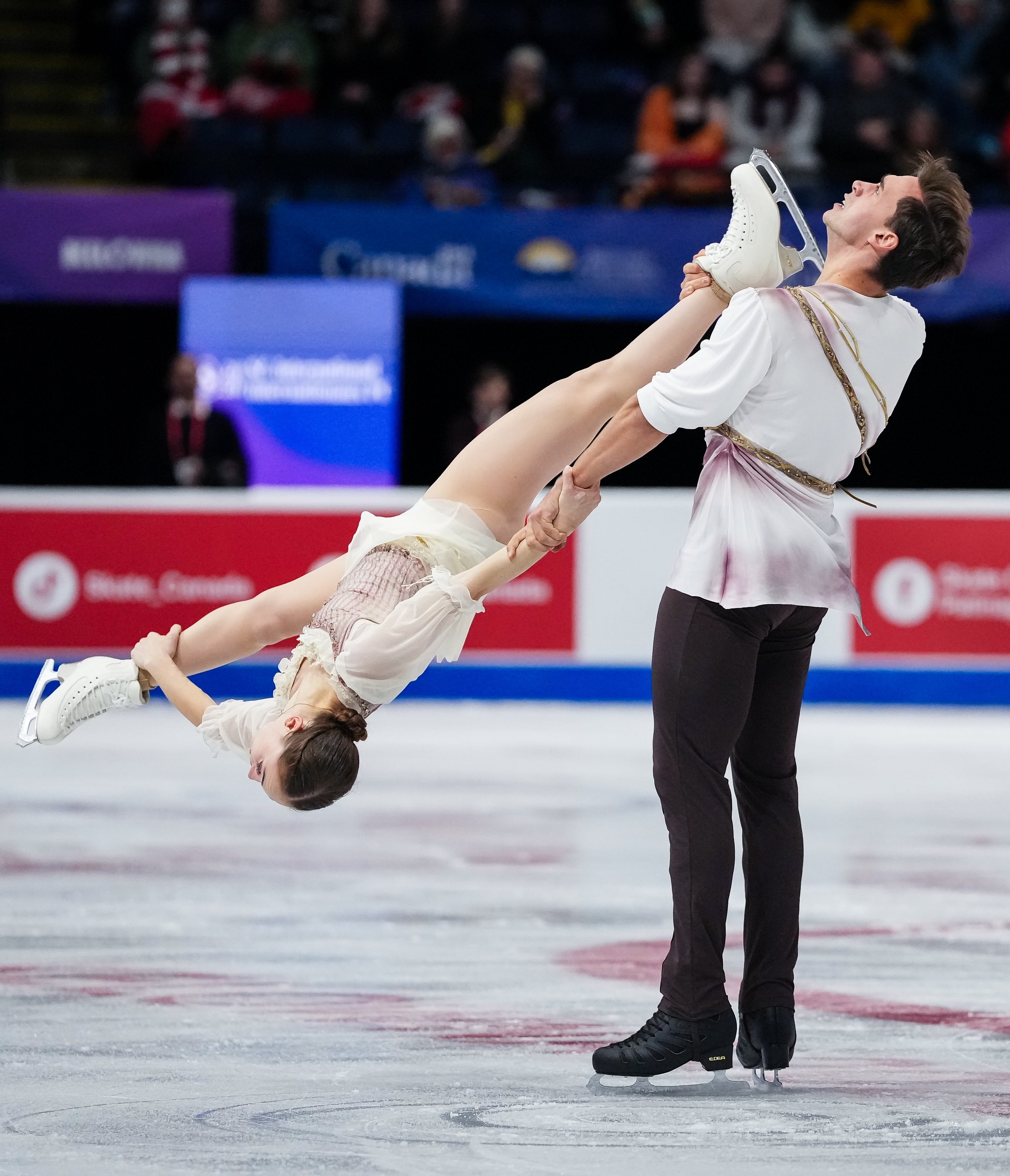
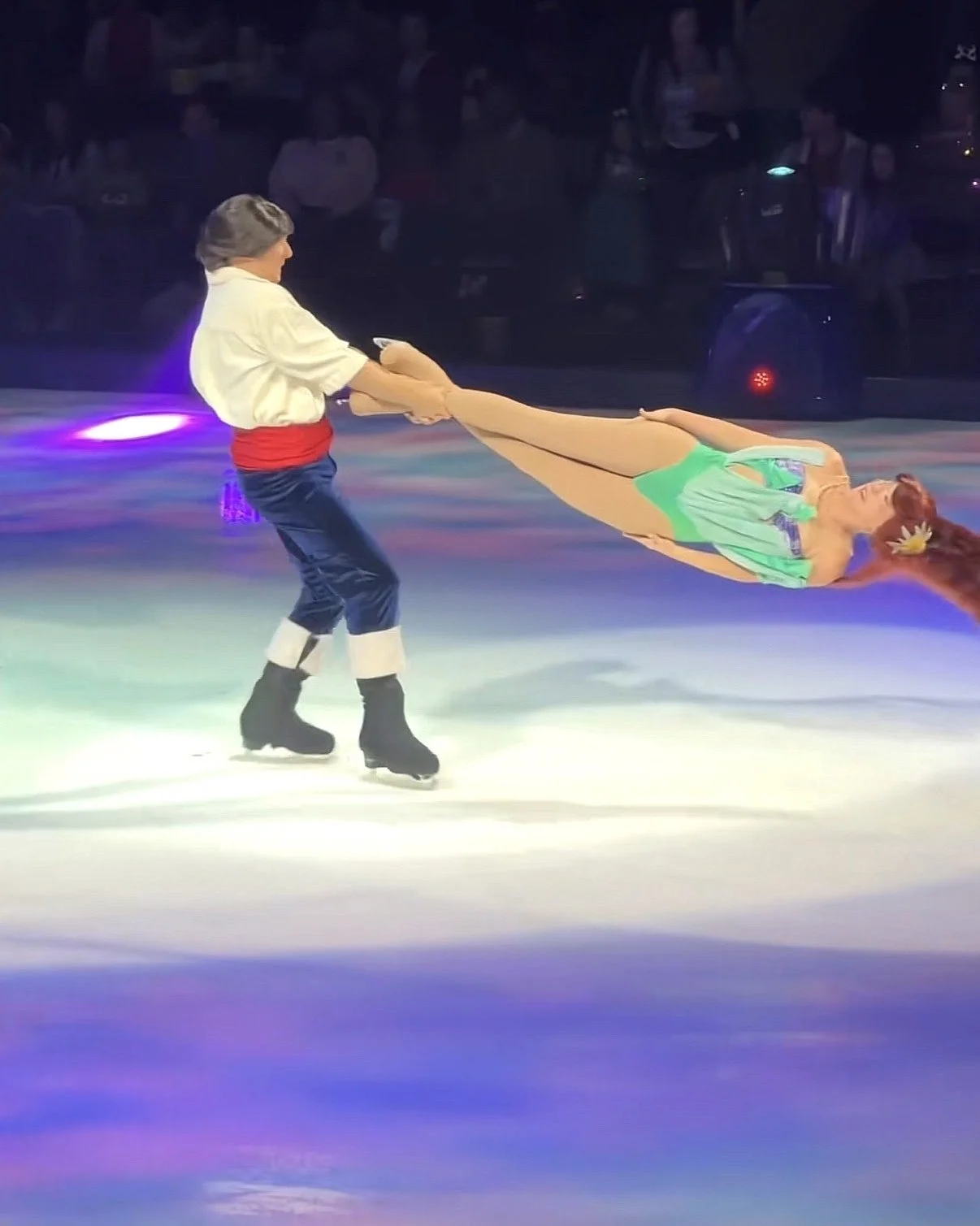 The obvious question is why the pair were doing it at all. The International Skating Union bans competition moves that put an athlete’s head or neck at risk, and also prohibits lifts where the supporting skater holds only their partner’s figure skates. The details are in the [ISU competition regulations](https://www.isu.org/en/isu-regulations), on page 86.
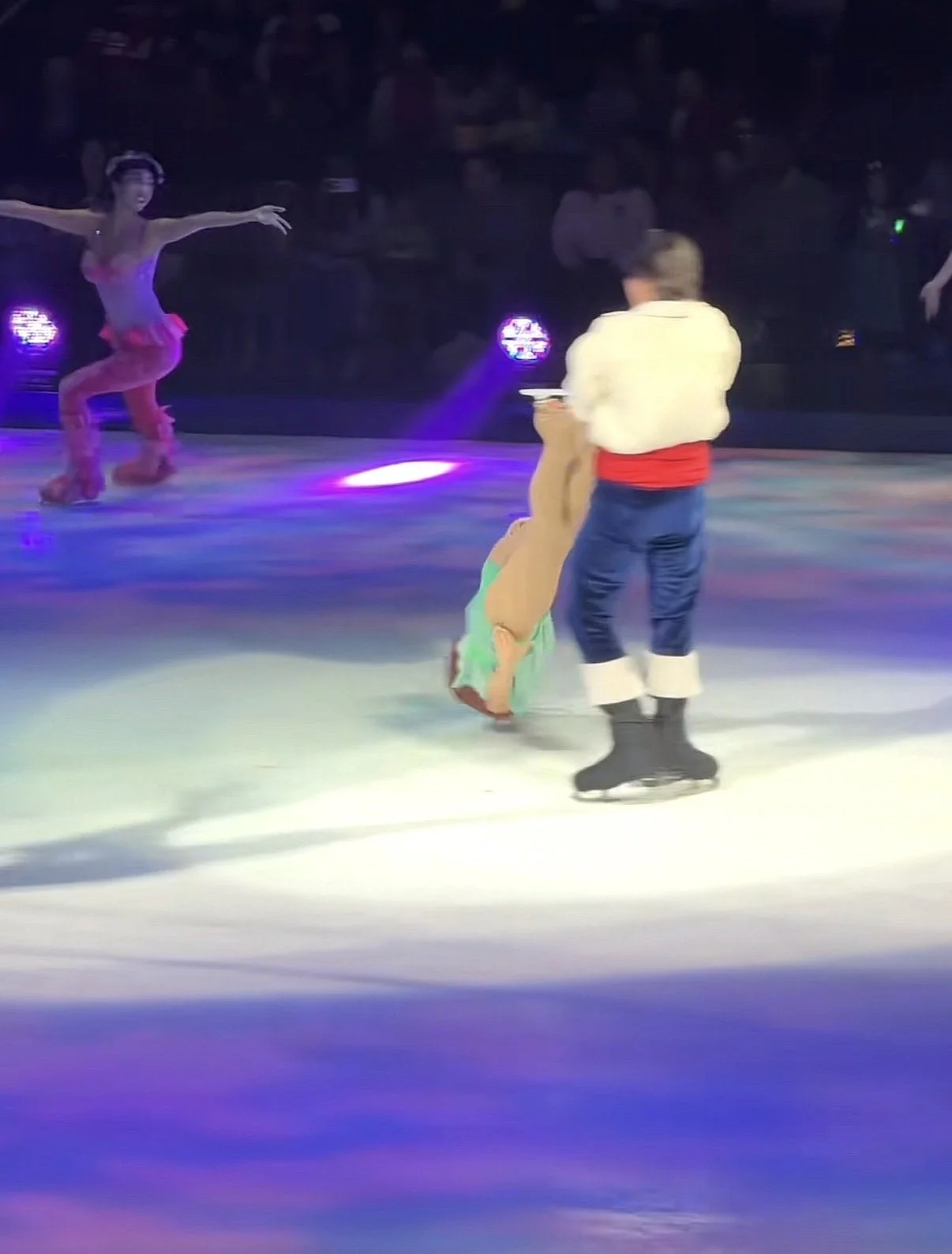 That restriction applies to official competition. Shows and exhibitions such as Disney on Ice operate without the same limits, and the headbanger is reportedly a routine feature of these performances. Here’s the concern: a trick can be familiar to the show and still leave little margin for error.
The clip’s reach turned a frightening fall into a public debate
The video of the Ariel and Prince Eric performers falling during a Disney On Ice show has passed 10 million views on TikTok and drawn 8,200 comments. Most commenters thought the move was unnecessary. The reaction is striking, but the view count alone doesn’t tell us what happened on the ice.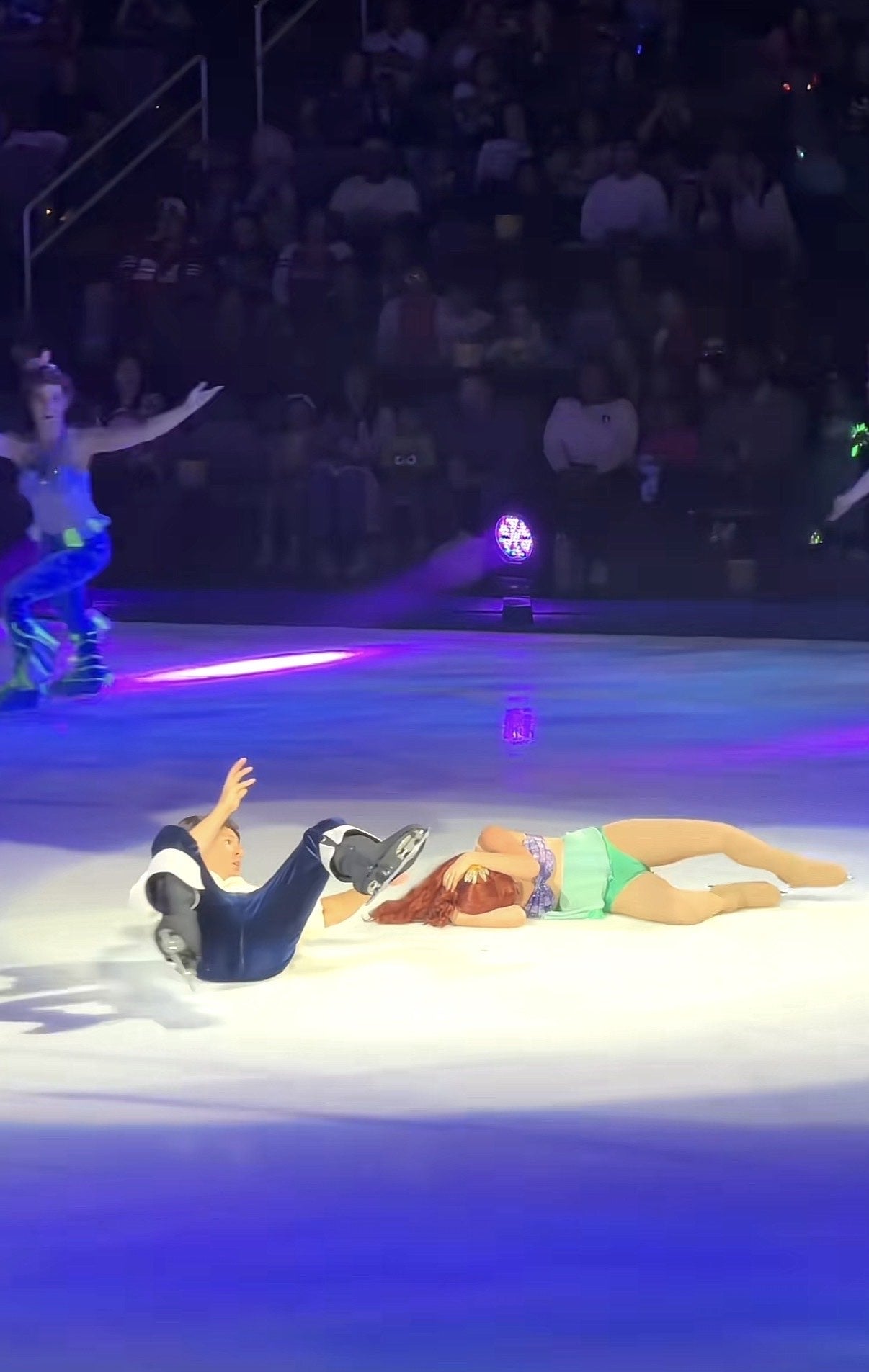
Viewers questioned the move—and worried about Ariel
Here’s the thing: some viewers asked whether the maneuver was legal, while others focused on how close Ariel’s head appeared to come to the ice.
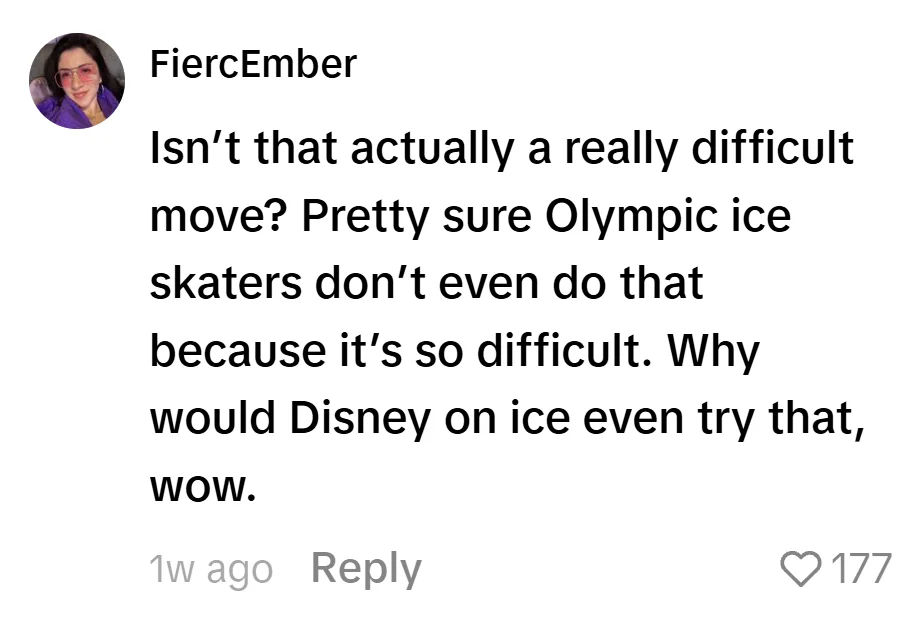





Viewers questioned the choreography and the risk
Some commenters focused on the routine itself. One asked why the move had to be included; another argued that the skater’s head was already close to the ice and questioned whether the lift suited the pair. Those reactions don’t establish what caused the fall, but they point to a practical question: whether a risky element is worth keeping if it leaves so little room for error.


That concern widened into a broader criticism of ice-show stunts. One viewer said a search for Disney on Ice fails turned up a new accident with every scroll. That’s an impression from a social media search, not evidence of how often these incidents happen. Still, it captures why repeated clips can make audiences wonder whether the spectacle carries too much risk.

Relief that the skater wasn’t seriously hurt sits alongside the uncomfortable thought of how much worse the fall could have been. The performers were reported to be all right, but viewers’ reaction is a reminder that a safe outcome doesn’t settle the question of whether a routine should be reworked.