The Best Teriyaki in Seattle
Where’s the best gordita in Mexico City, or Baltimore’s can’t-miss crab cake? Taste of the Town asks local experts to make the case for the foods their cities are known for. This time, the subject is Seattle teriyaki.
Seattle teriyaki is more than a local favorite. It’s a distinctly regional adaptation that grew into an everyday staple, then spread through kitchens shaped by the city’s Vietnamese, Korean, and Hawaiian communities. That history matters: The dish’s staying power comes from how readily people made it their own.
The story starts with Toshi Kasahara. In 1976, he opened a restaurant serving lightly marinated chicken thighs grilled over a flame and glazed with soy sauce, ginger, garlic, and sugar. His version wasn’t the teriyaki you’d find in Japan. It was an affordable, filling meal built for a working-class Seattle that hadn’t yet seen the tech boom coming. Teriyaki became part of the city’s food vocabulary.
Kasahara eventually opened and sold about 30 shops. Others followed, and the format became so common that some Seattleites don’t realize it’s a hometown specialty until they move away and can’t find it. Vietnamese-owned restaurants often pair teriyaki with bowls of pho; a familiar plate might bring chicken, rice, fried gyoza, and iceberg lettuce under a light mayo dressing. Korean immigrants put their own stamp on it, adding bulgogi and marinating chicken with gochujang.
A local staple with plenty of room for shortcuts
Here’s the thing: Teriyaki’s ubiquity can hide how much care the best versions require. Rising rents and changing tastes have thinned the ranks of neighborhood shops, and some remaining kitchens take shortcuts—leaving the chicken underwhelming and the sauce cloyingly thick and sweet. The difference is easy to taste. A house-made sauce and thighs grilled over high heat bring the char and caramelization that keep the sweetness in check.
Local advice says the best teriyaki is the nearest teriyaki. Fair enough. But these eight places, old and new, show what the dish can be.
Toshi's Teriyaki Grill
16212 Bothell Everett Hwy, Mill Creek
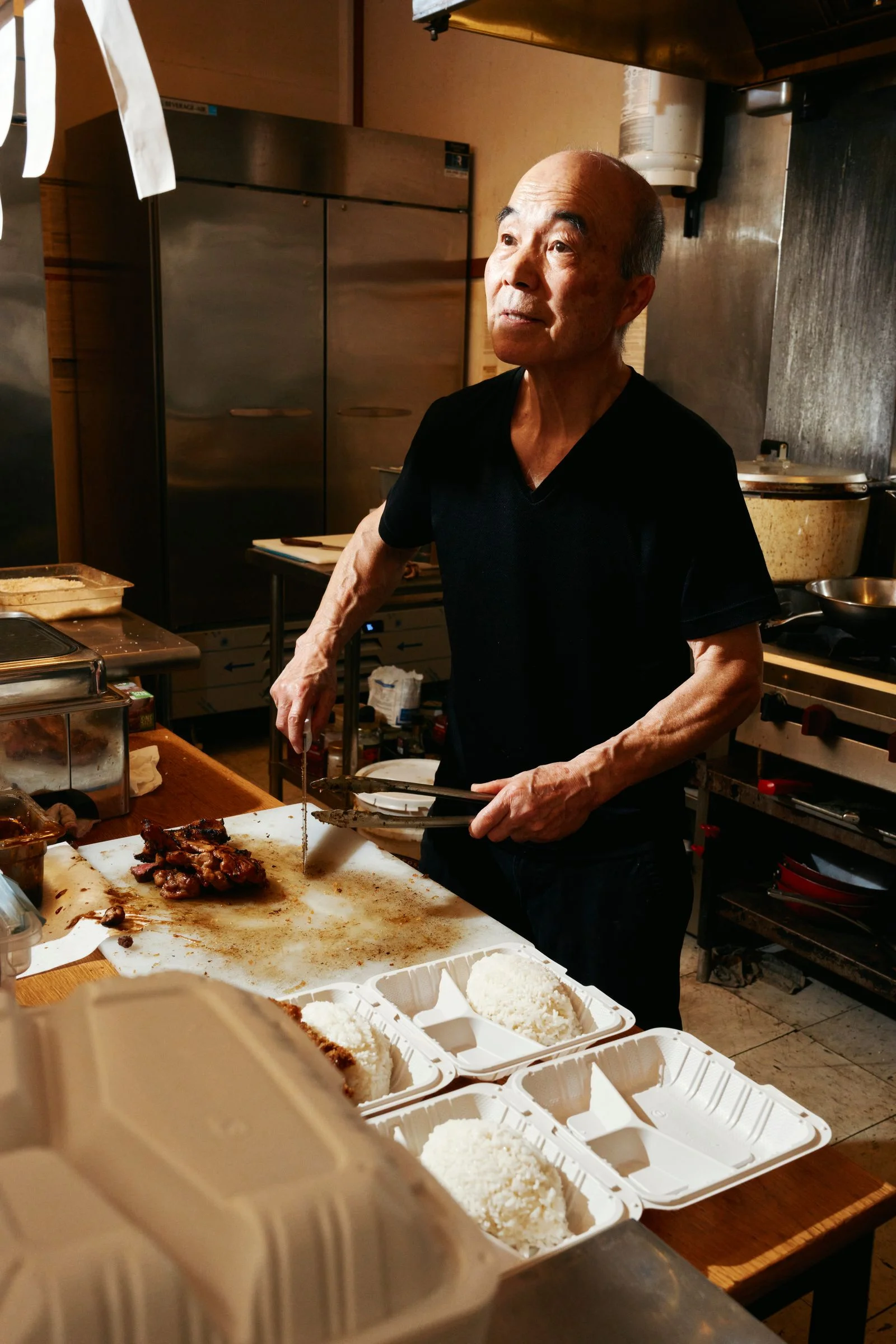
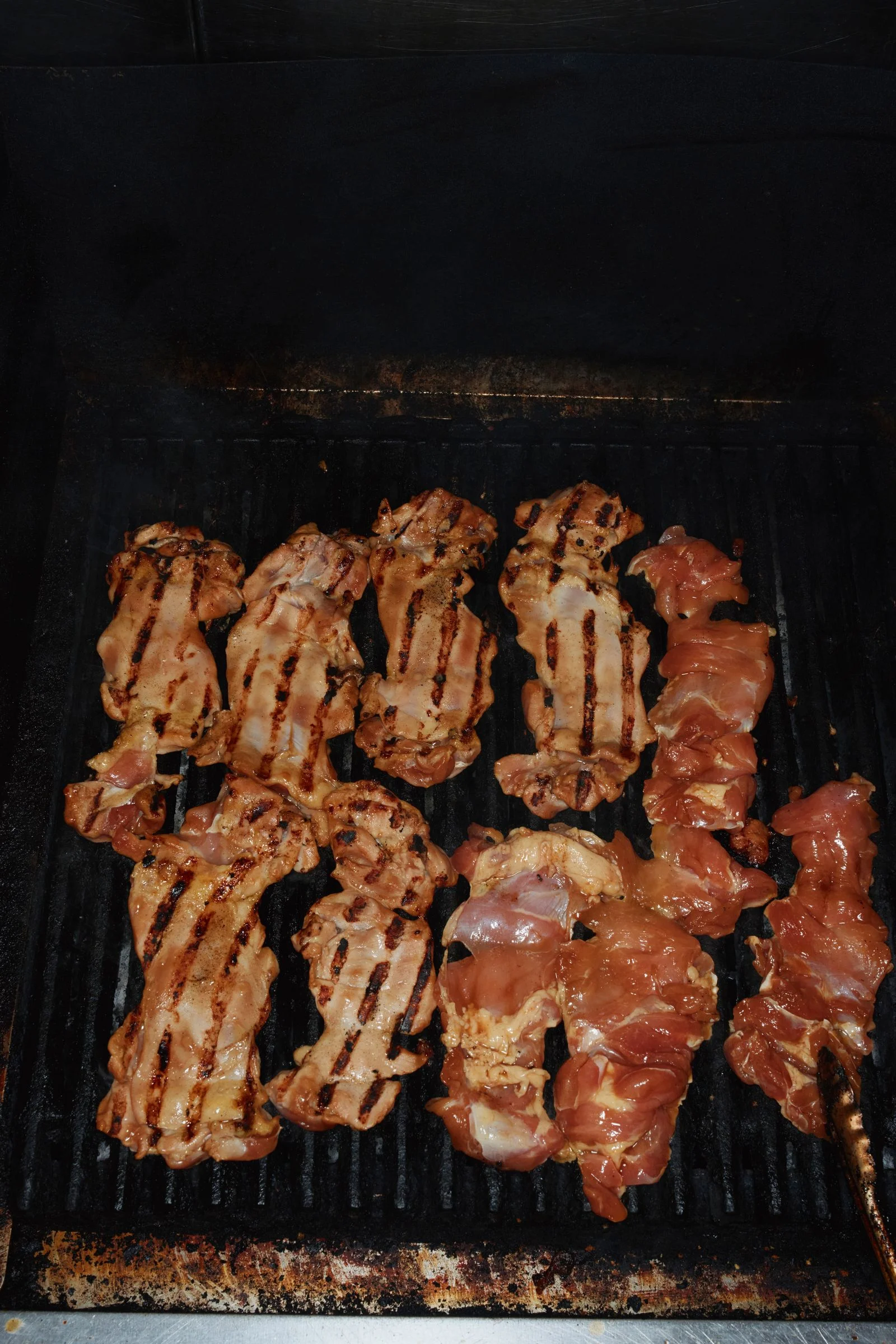
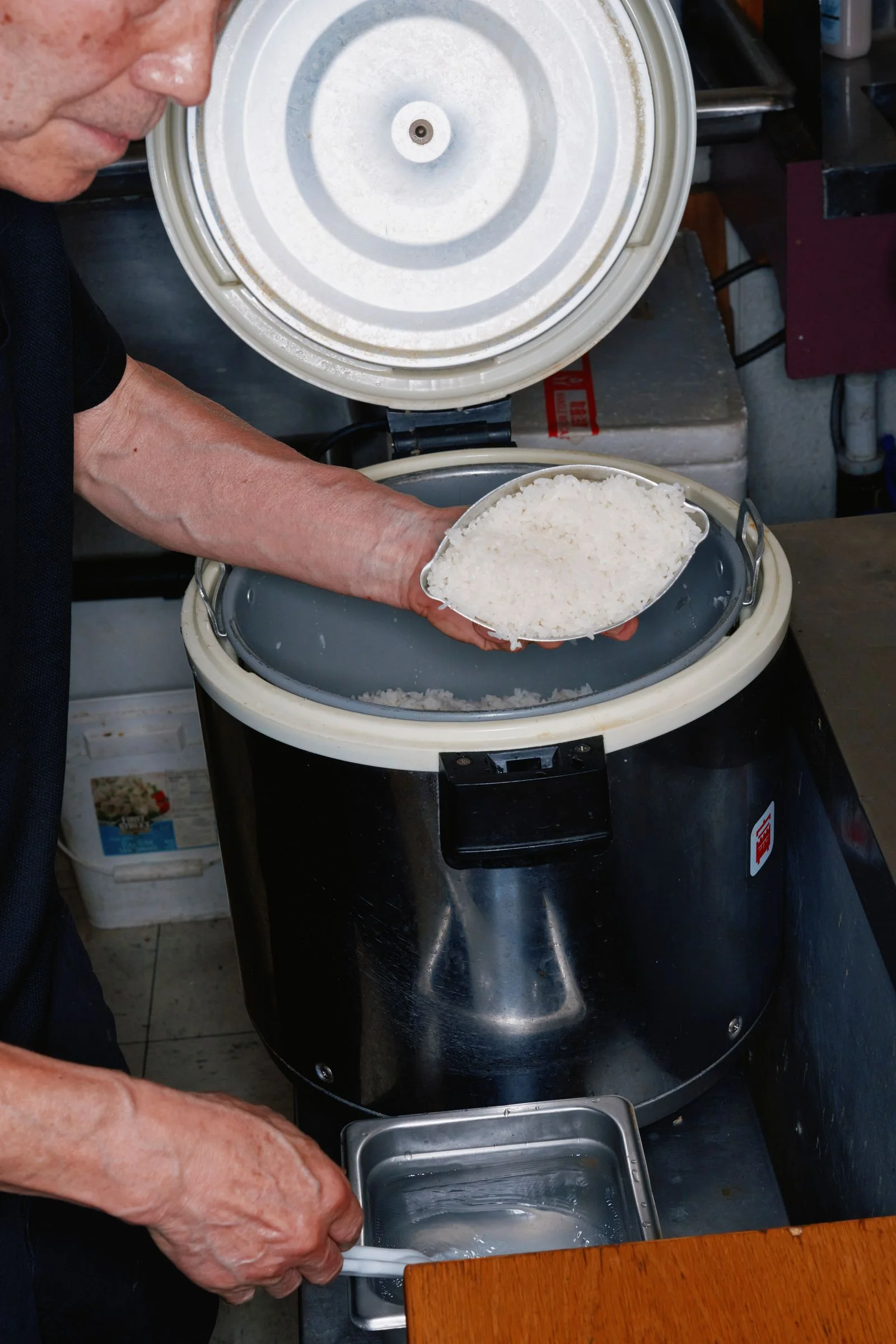
Kasahara’s original restaurant is long gone, but its spare, cafeteria-like model—short menu, chicken at the center—still defines the Seattle style. The surviving original is now a takeout counter tucked into a Mill Creek strip mall, open only a few evening hours. At 77, Kasahara still works the grill. His technique has shifted over time, but the result remains juicy, smoky chicken. No Seattle shop quite reproduces it. His sons carry the name farther afield: one operates a Toshi’s food truck in San Francisco, and another is set to open a shop this winter in Kasahara’s hometown of Ashikaga, Japan.
Grillbird
Multiple locations
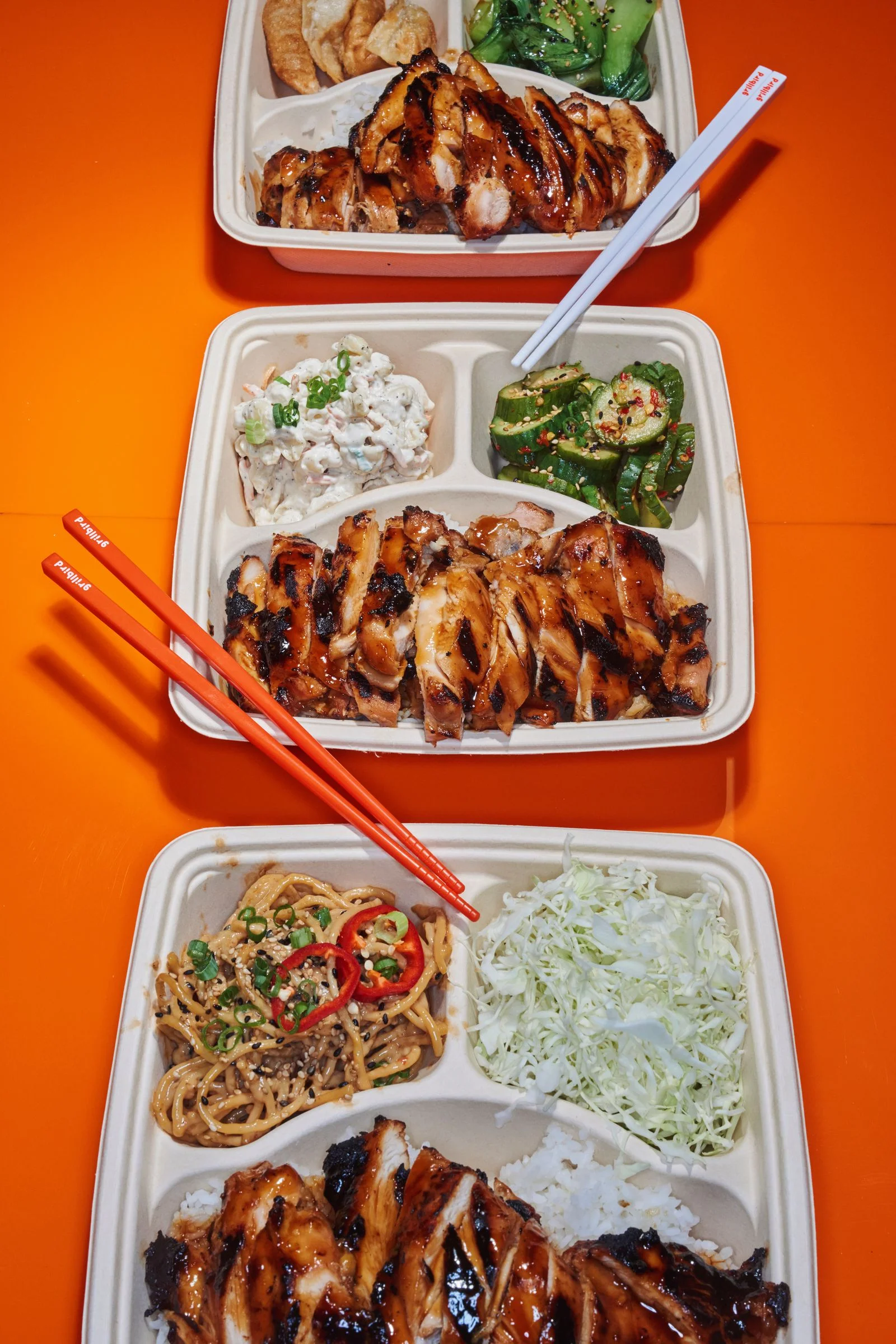
Grillbird shows how a teriyaki shop can stretch the tradition without losing the appeal of a fast, satisfying plate. Restaurateur Matthew Parker drew on the teriyaki counters that fed him during his first 20 years in Seattle, then looked to his family’s Oahu roots and huli huli chicken for the house sauce. Pineapple juice and ketchup give it a glossy, gently sweet finish. Instead of iceberg salad, the sides include mac salad and marinated cucumbers, both familiar from Hawaii’s plate lunches—the island answer to meat and three.
Purists may prefer an old-school shop in every detail. I’m glad Grillbird makes room for online ordering and a mostly gluten-free menu. Its original West Seattle location occupies a former Pizza Hut, a suitably practical setting for a no-fuss meal. A second shop in Phinney Ridge shares space with its sister concept, Salad Party.
Tá Jóia
22833 Bothell Everett Hwy, Bothell
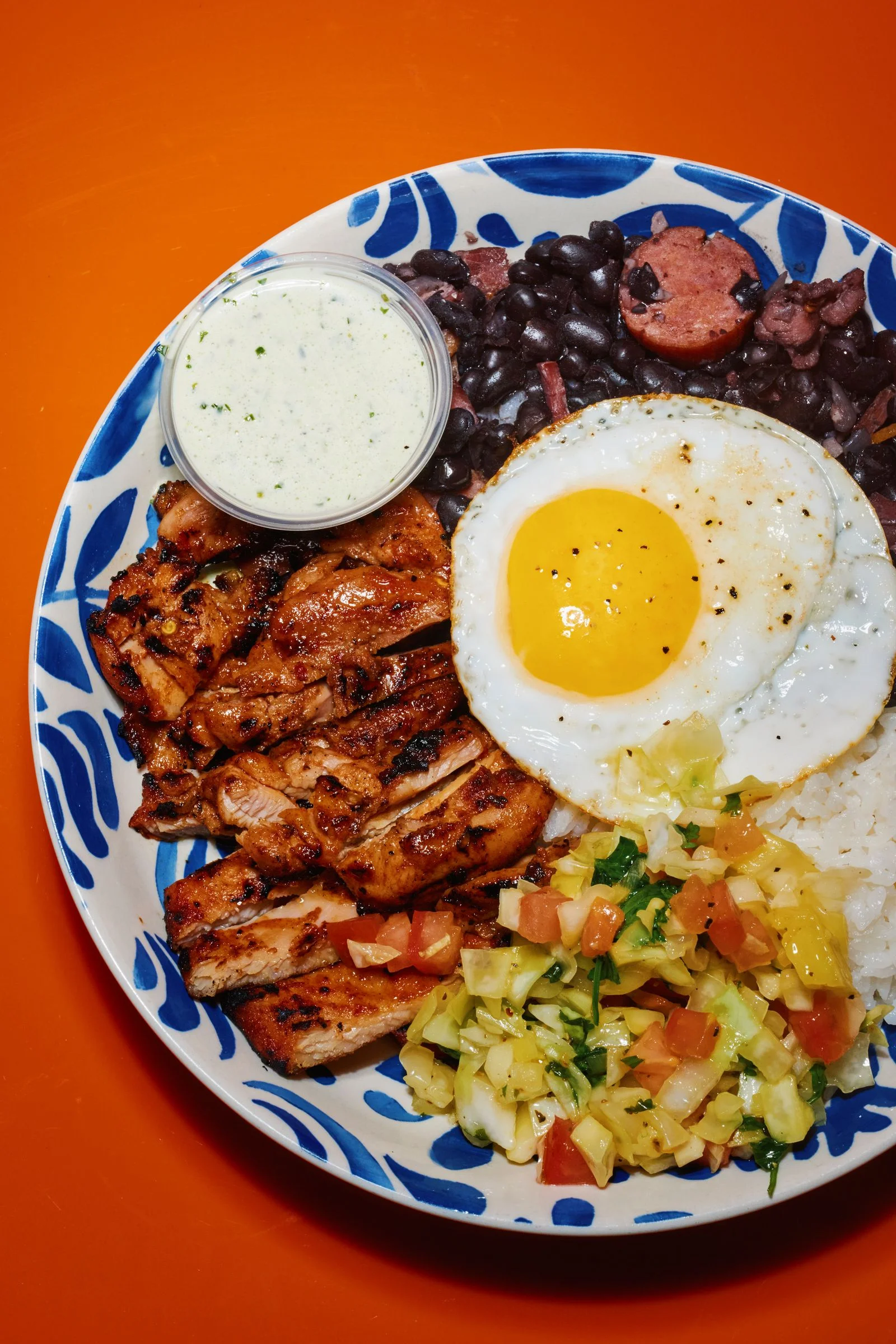
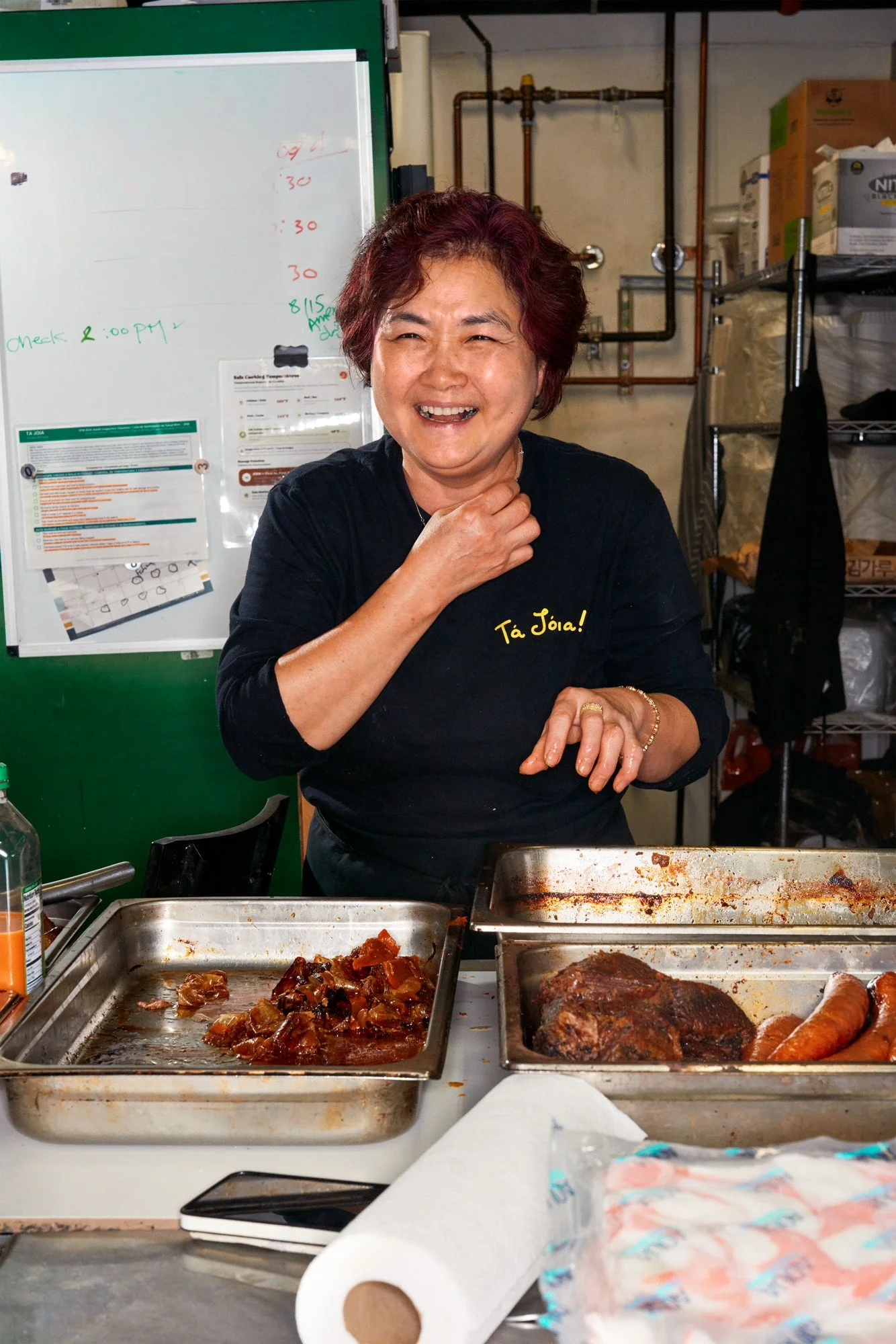
A lost lease sent the Lee family looking for a new home for their teriyaki restaurant. The space they found already had a teriyaki shop, so matriarch Yoo-Mi Lee built a menu around Korean food and flavors the family picked up while living in Brazil. The result is Tá Jóia’s Brazilian-Korean teriyaki mix—and it’s persuasive enough to imagine on a much bigger scale.
Feijoada, the slow-simmered black bean stew with pork, bacon, and sausage, sits comfortably beside bulgogi. The restaurant’s standout teriyaki is easier to miss: It appears as the “spicy chicken bowl,” with hot, chili-laced chicken brightened by pico de gallo and a creamy house cilantro sauce.
Rainier Teriyaki
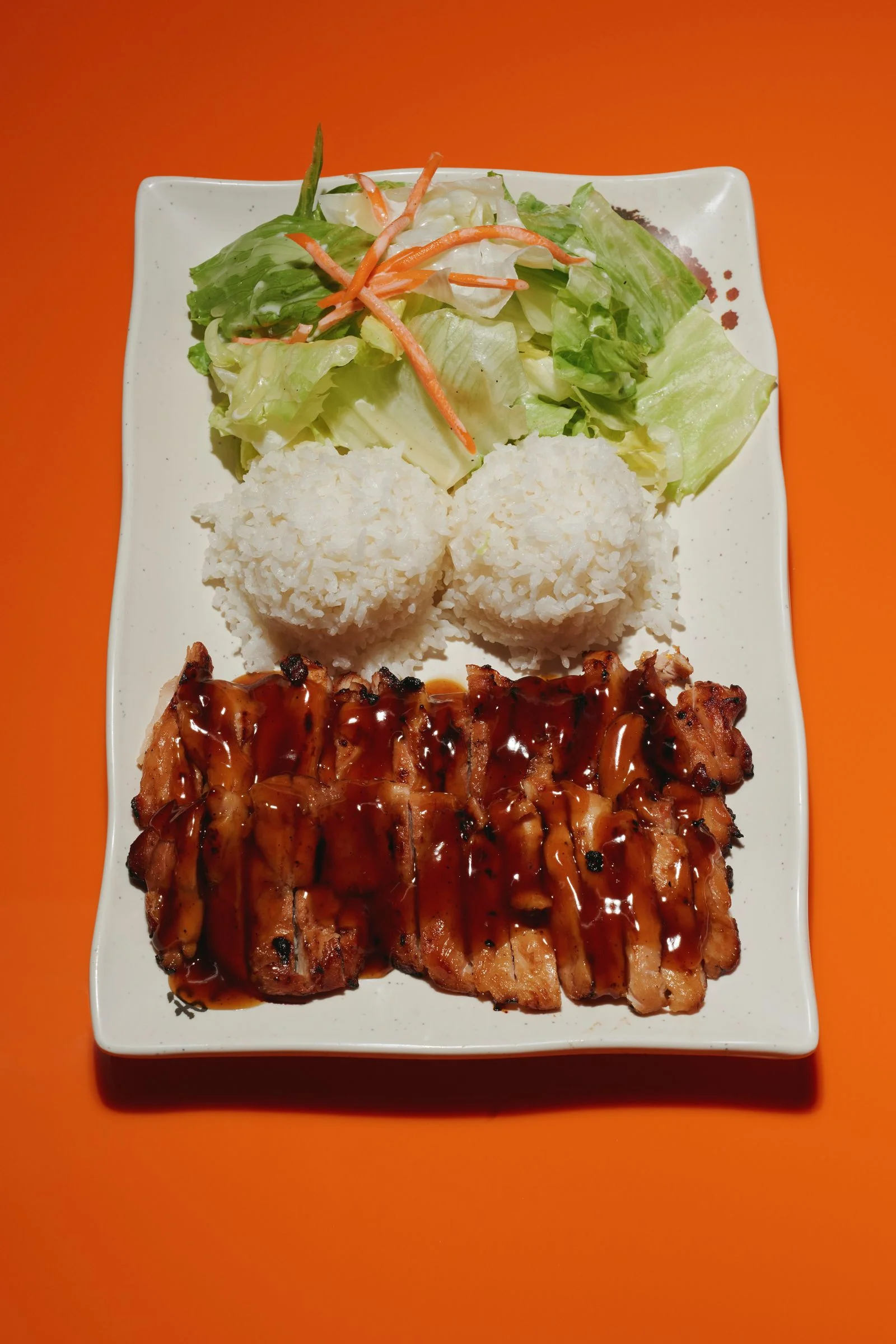
At Rainier Teriyaki, the welcome often starts before the food does: a member of the Kim family may bring you tea while you wait. Then comes chicken teriyaki with charred edges, juicy meat, and the kind of polish that makes it look almost staged. The menu’s many combinations invite comparisons—gingery sauce over beef, pork, prawns, or tofu—but the triple combo is the move if you arrive hungry, pairing chicken and beef teriyaki with crisp, blistered gyoza and aromatic fried rice.
This restaurant’s place in the neighborhood carries a heavier story. Hansoo Kim, its late owner, was killed during an attempted armed robbery in 2023. His family later reunited to reopen the restaurant in his honor. That history makes its everyday hospitality feel especially meaningful.
Fremont Bowl
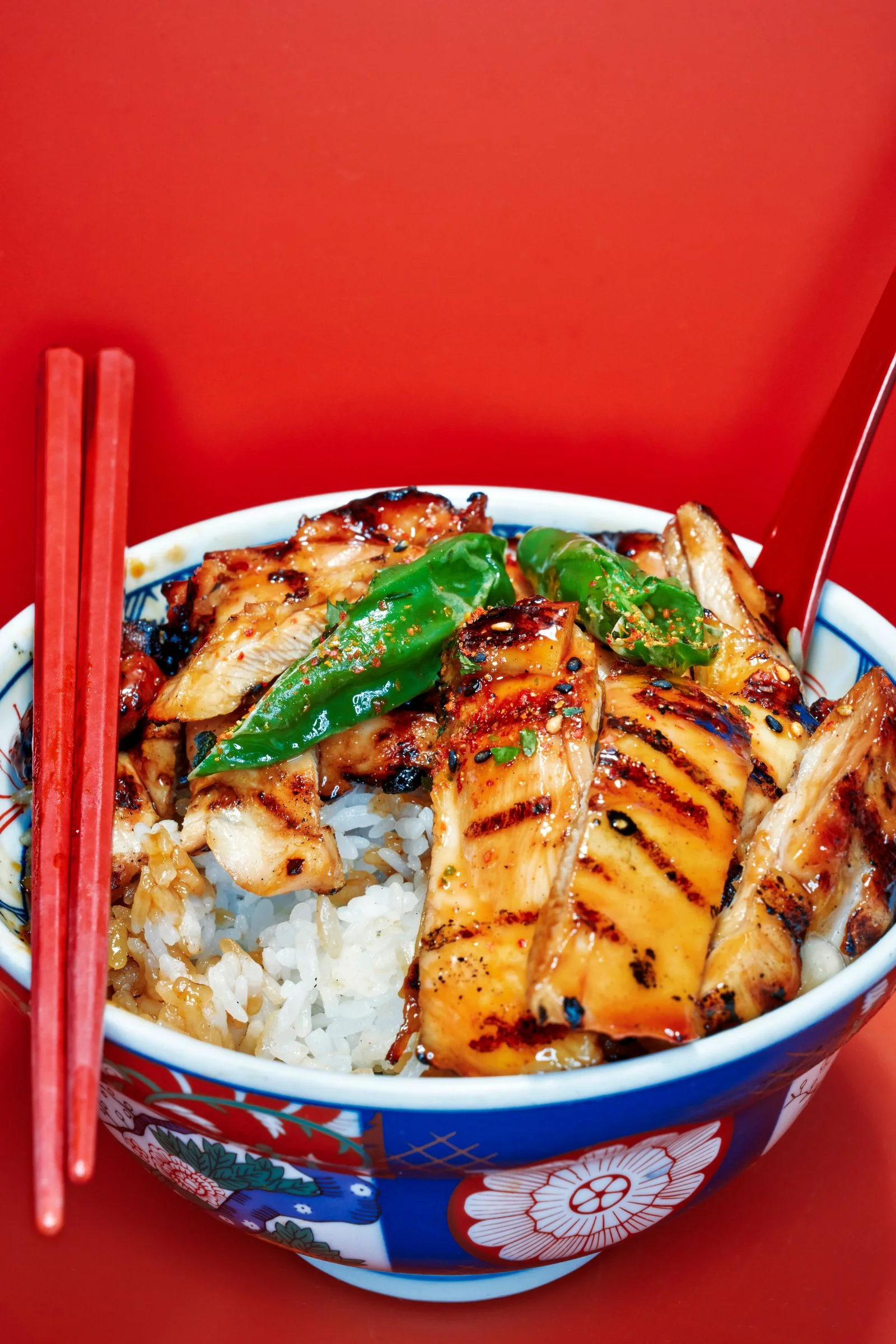
Fremont Bowl may draw its crowds for chirashi, but its chicken teriyaki offers a quieter argument for what the dish can be. Butterflied thighs get a light marinade and a quick trip to the grill; the sauce is thinner and less sweet than Seattle’s familiar style, with a savory-sweet balance that suits the shop’s Japanese rice bowls. That restraint works. If you want more punch, the house chili oil adds heat and texture. Ordering runs through kiosks, and though the place is geared toward takeout, the room is friendly when you can claim a table.
I Love Teriyaki
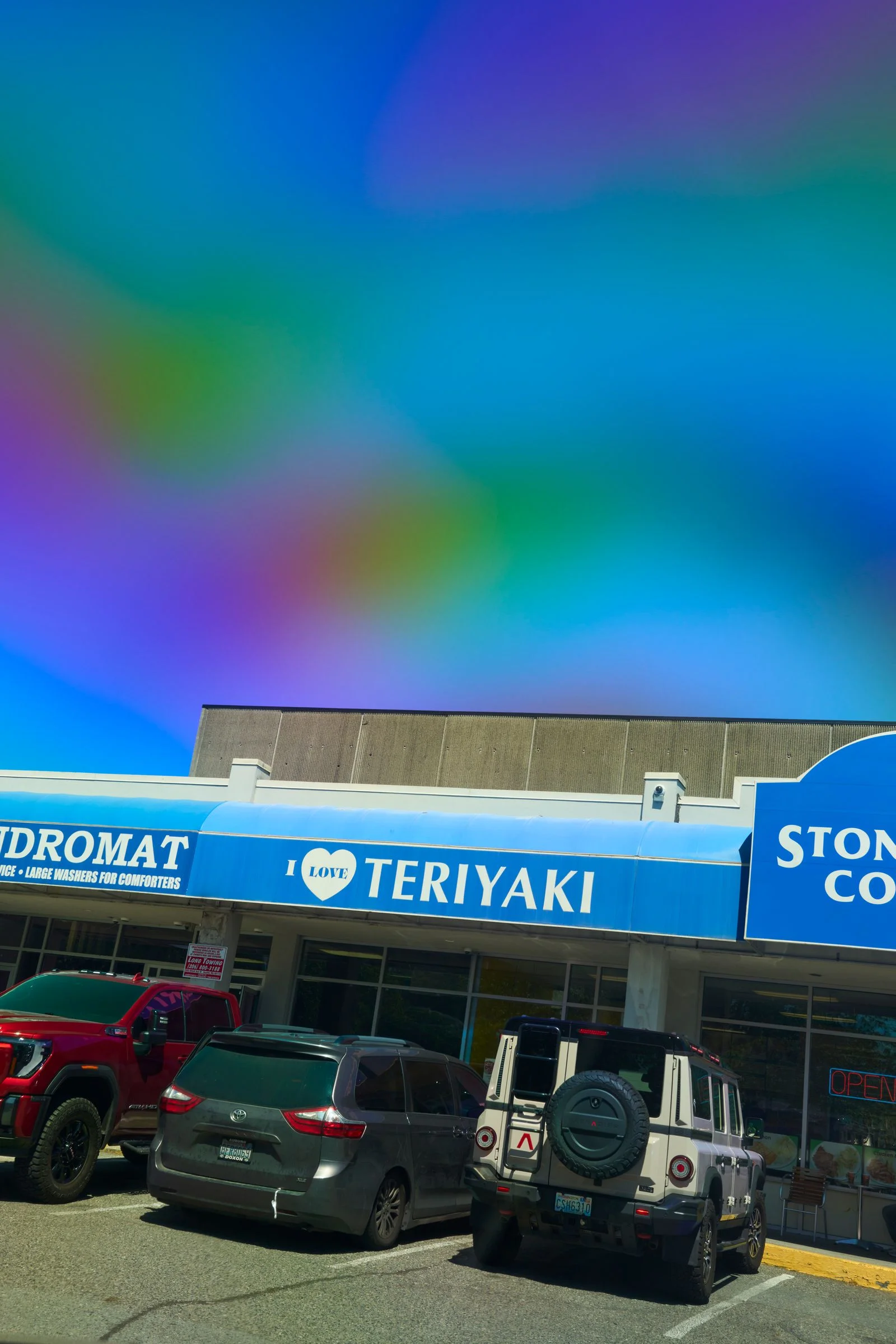
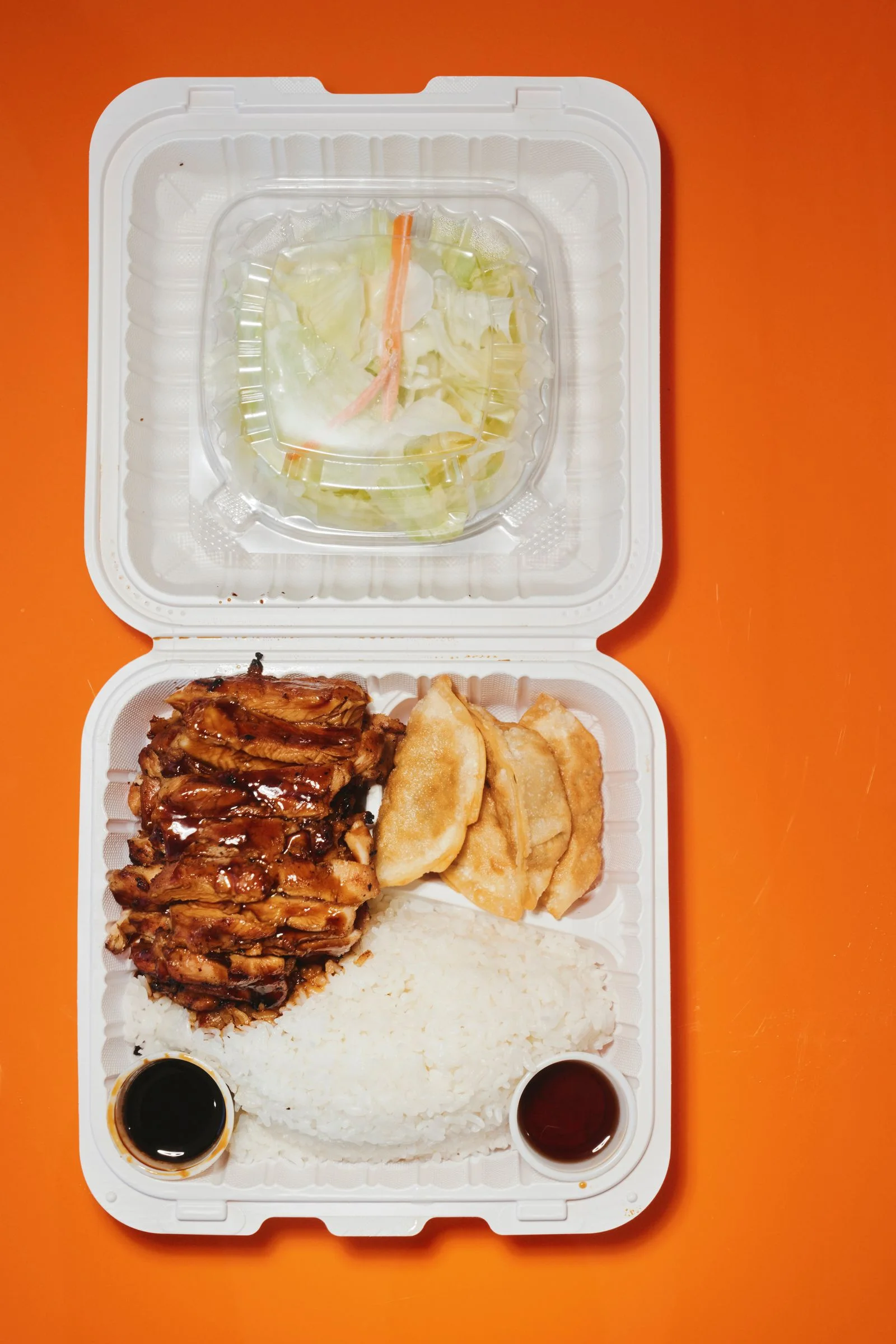
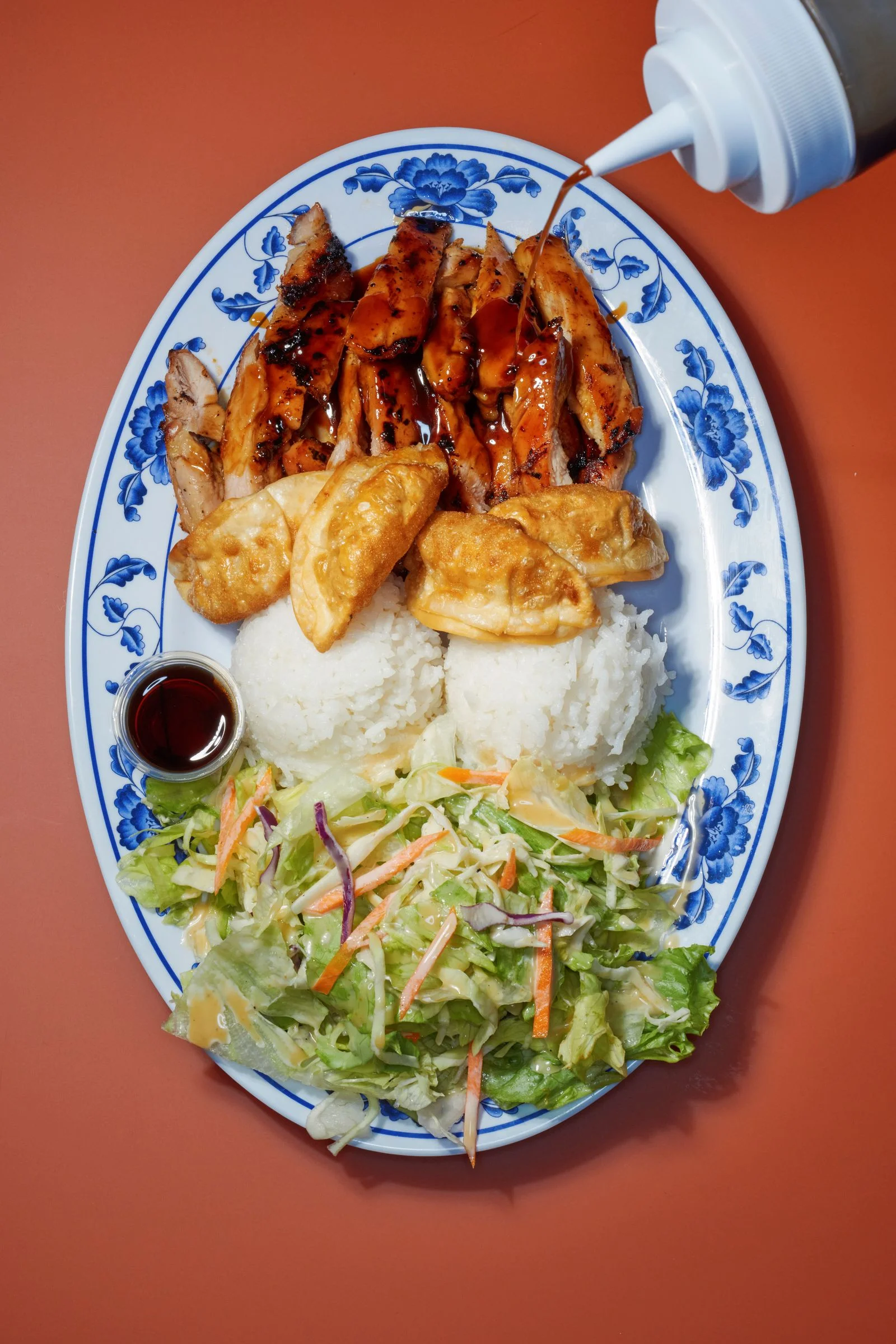
Locals often point to this longtime counter near Lake Union’s north end, tucked beside a laundromat, when asked where they go for teriyaki. The sauce leans on dark soy, and its rich flavor meets a cool, lightly dressed iceberg salad. Rice arrives pressed into the shop’s old-fashioned half-football shape. The chicken katsu and egg rolls deserve attention too: both come with crisp shells that avoid the grease common to takeout versions.
The room mostly serves as a staging area for orders headed to Gas Works Park, nearby brewery taprooms, and tech offices. Portions are enormous. Don’t mistake the modest setup for a light lunch.
Nikko Teriyaki
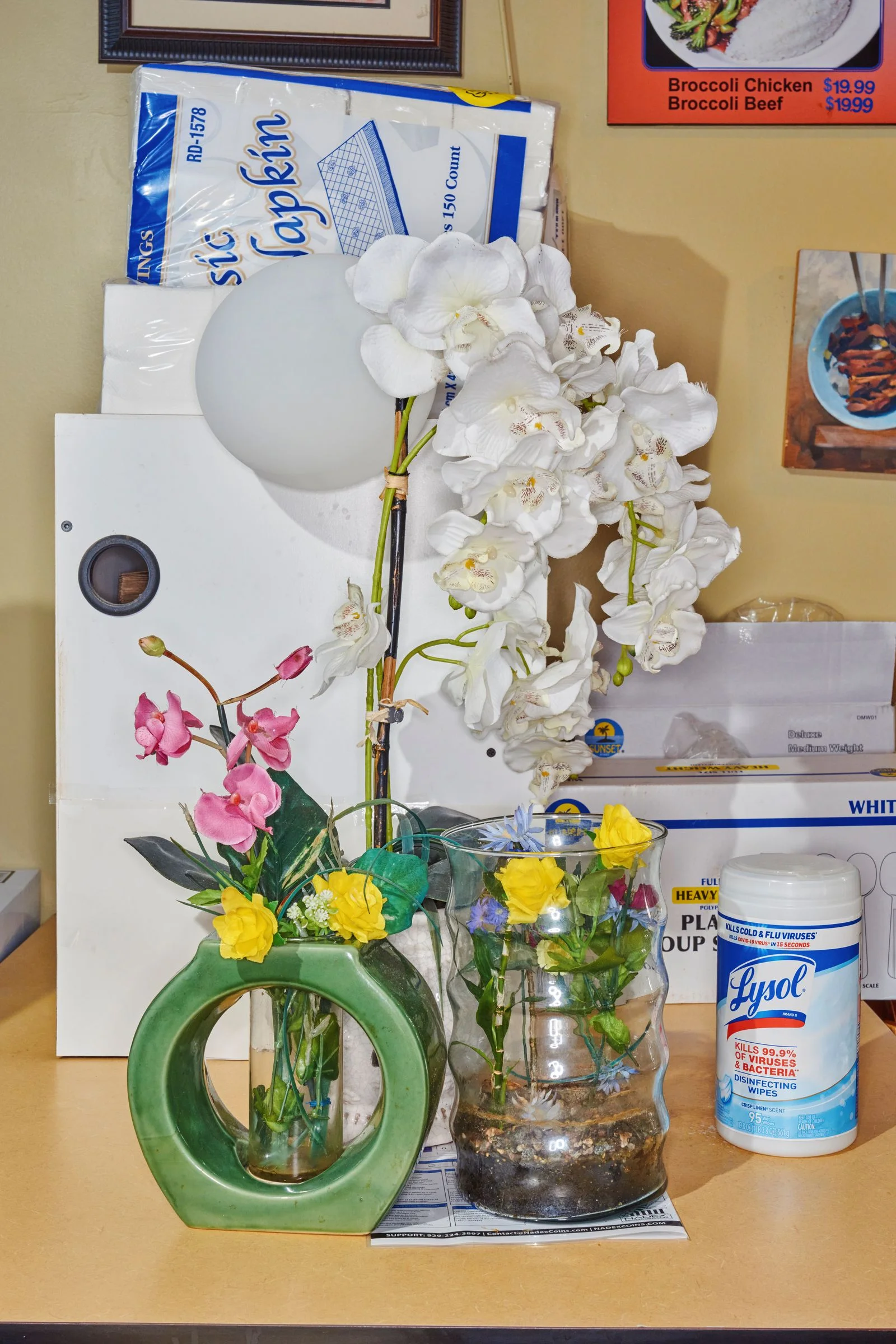
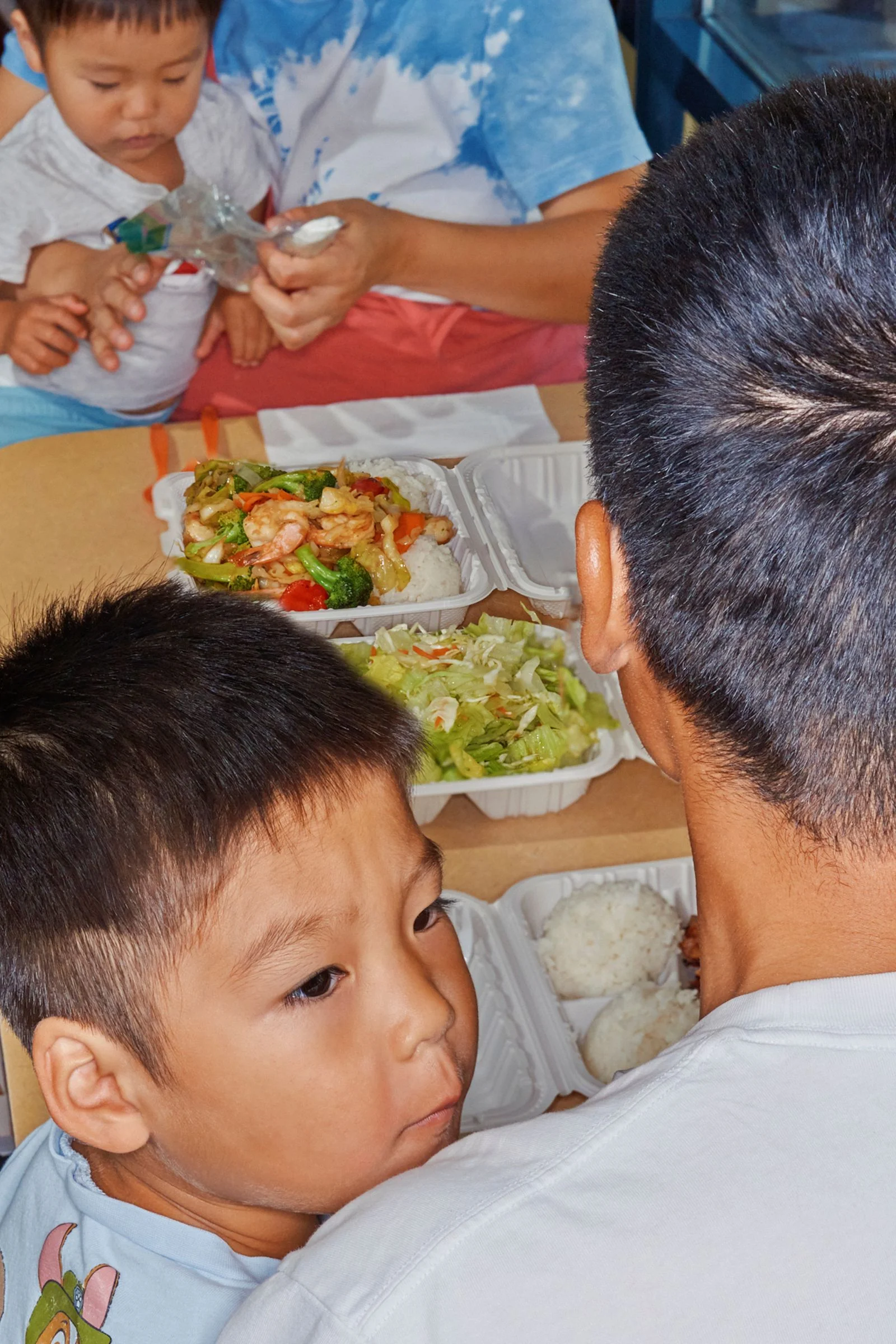
Nikko stays busy from lunch through the after-school and dinner rushes, and that steady stream helps keep each order fresh. Its teriyaki sauce is thick but not pasty, with soy taking the lead over sugar. Jong Kwon and his family have operated this West Seattle favorite for more than 20 years, greeting customers in a narrow shop that feels like a surviving piece of peak-era Seattle teriyaki: menu photos on the wall, familiar faces at the counter, and no QR code between you and lunch.
I Luv Teriyaki
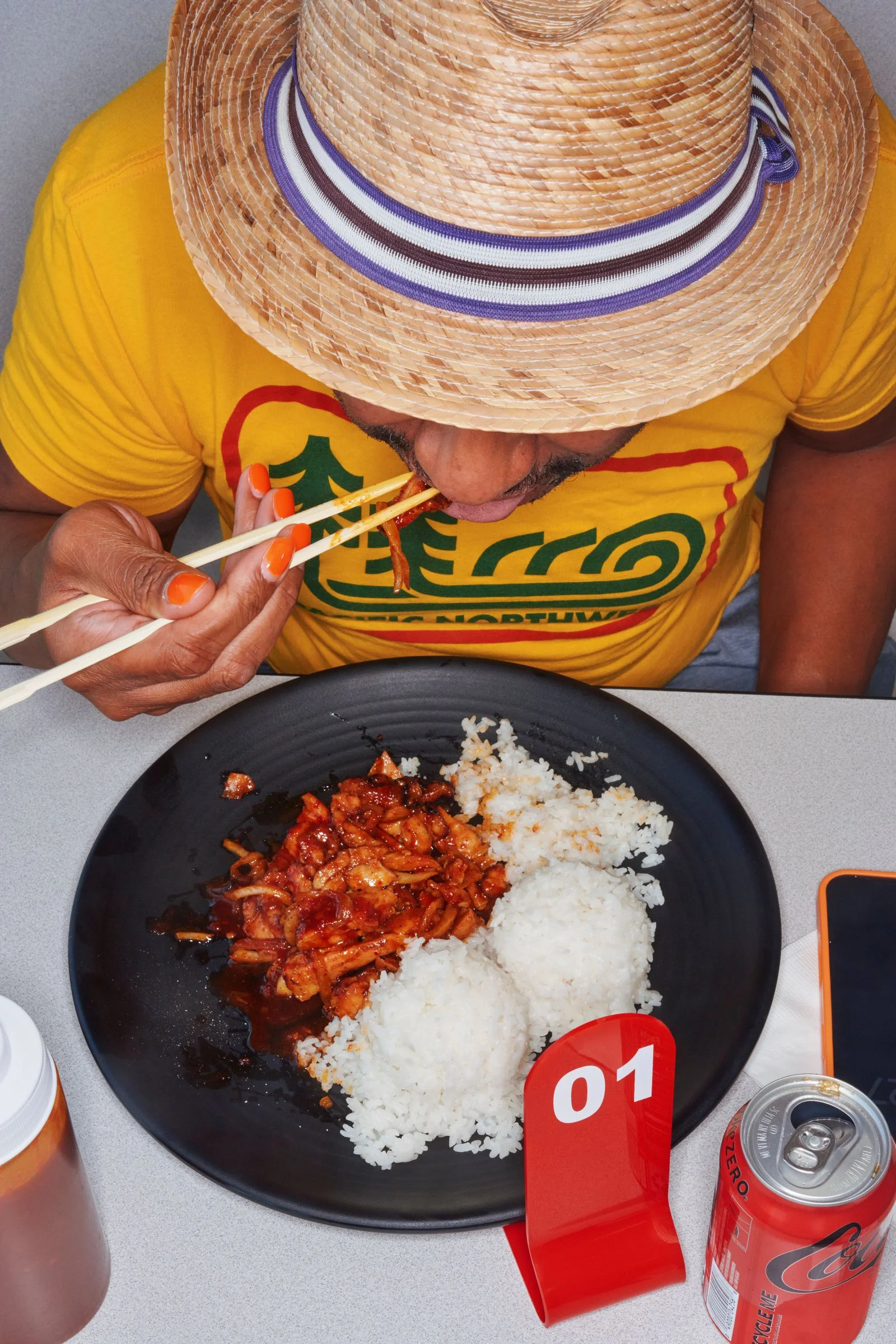
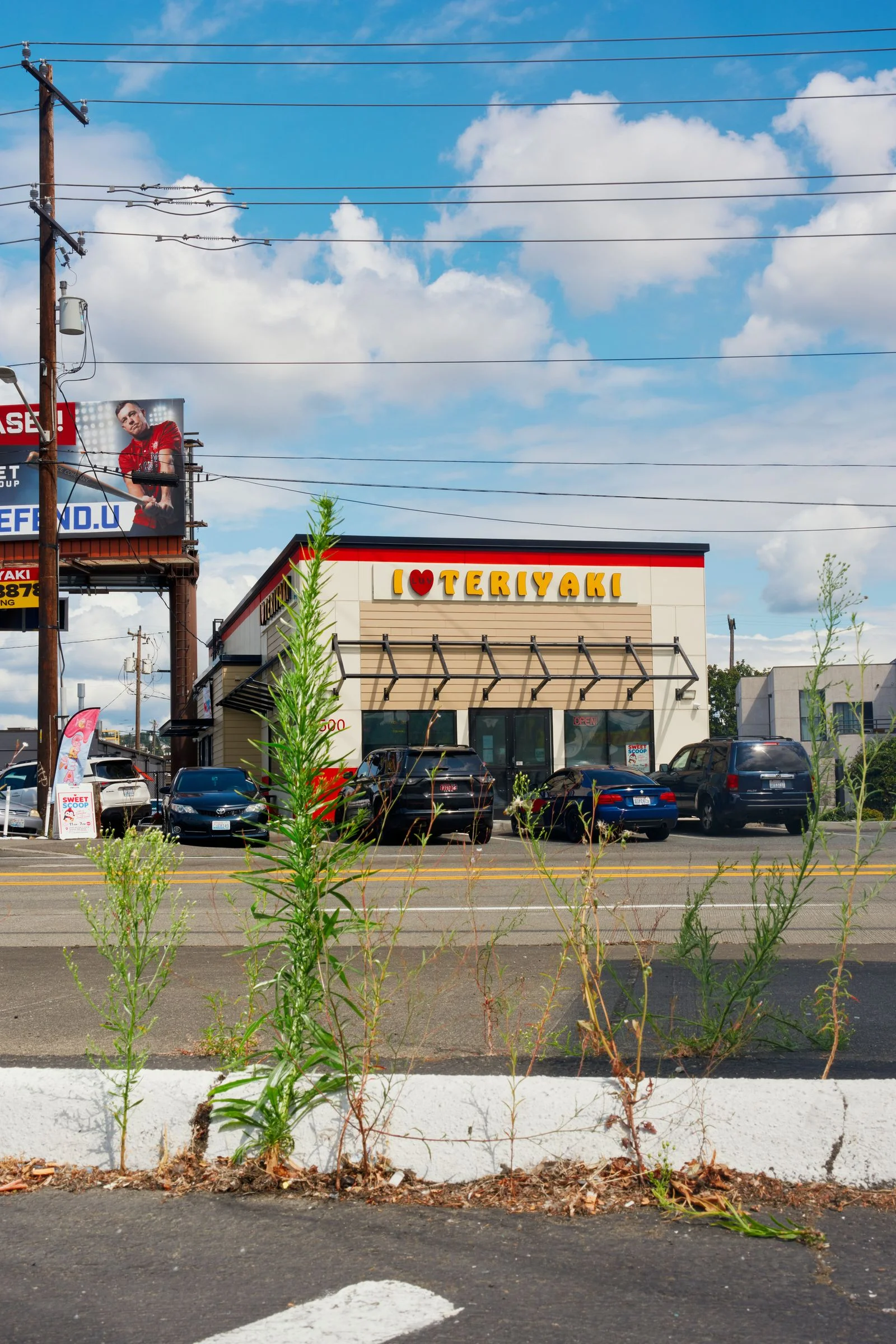
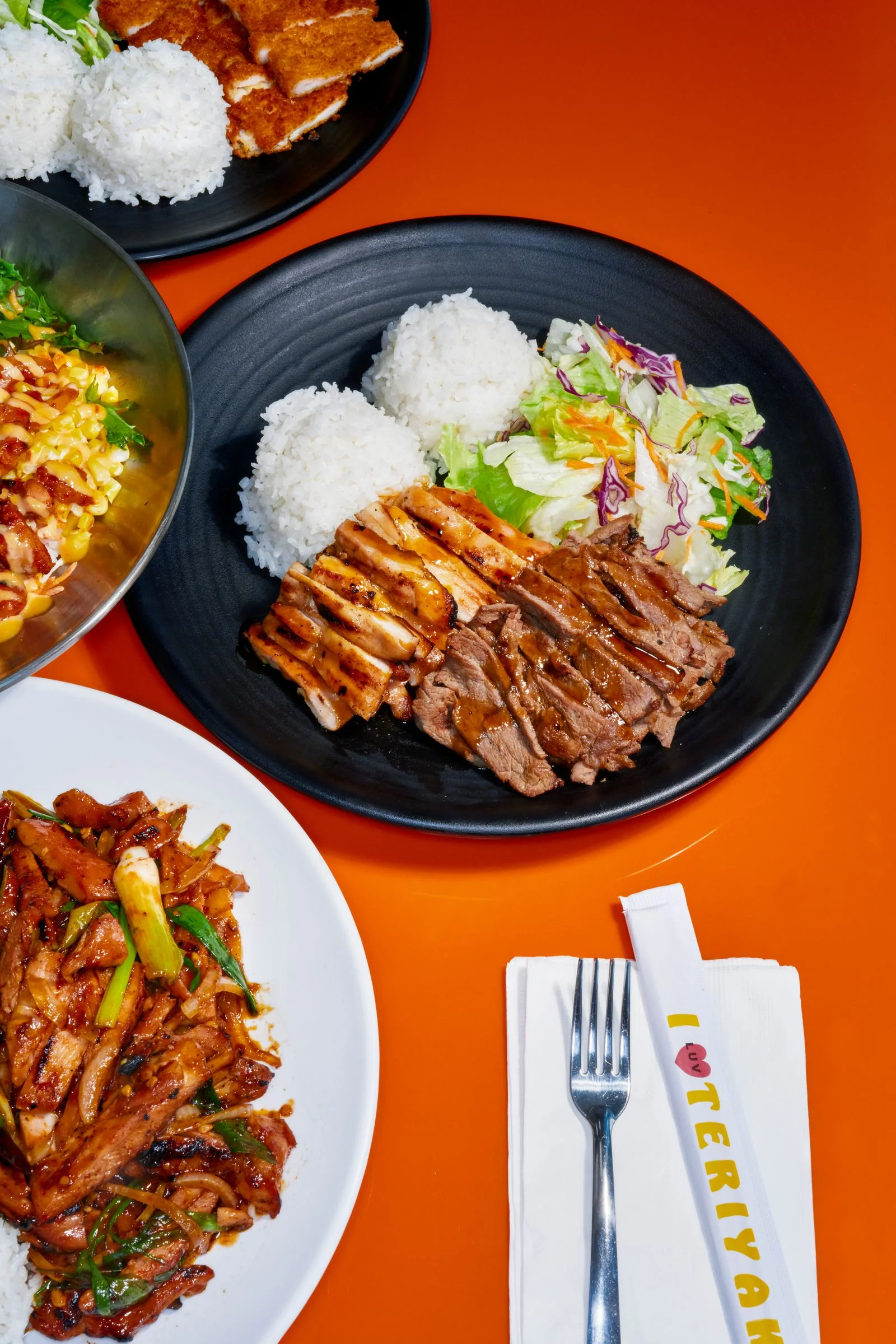
Georgetown’s I Luv Teriyaki is an exception to the usual takeout-first routine: diners here eat from real plates in a cheerful room, and the smell of grilled meat reaches you in the parking lot. Don and Eva Lo rebuilt the original building—a former KFC—after a fire forced a three-year closure. The new space is bright and often full. Skip the newer teriyaki burritos and order the short ribs: smoky, tender, and good enough to make chicken seem like an afterthought. Almost.
That’s the range Seattle teriyaki still offers: family counters with deep neighborhood roots, kiosk-run bowl shops, and dining rooms where the grill announces itself before you reach the door. The sauces and sides differ, but the best spots make a familiar format feel unmistakably their own.


