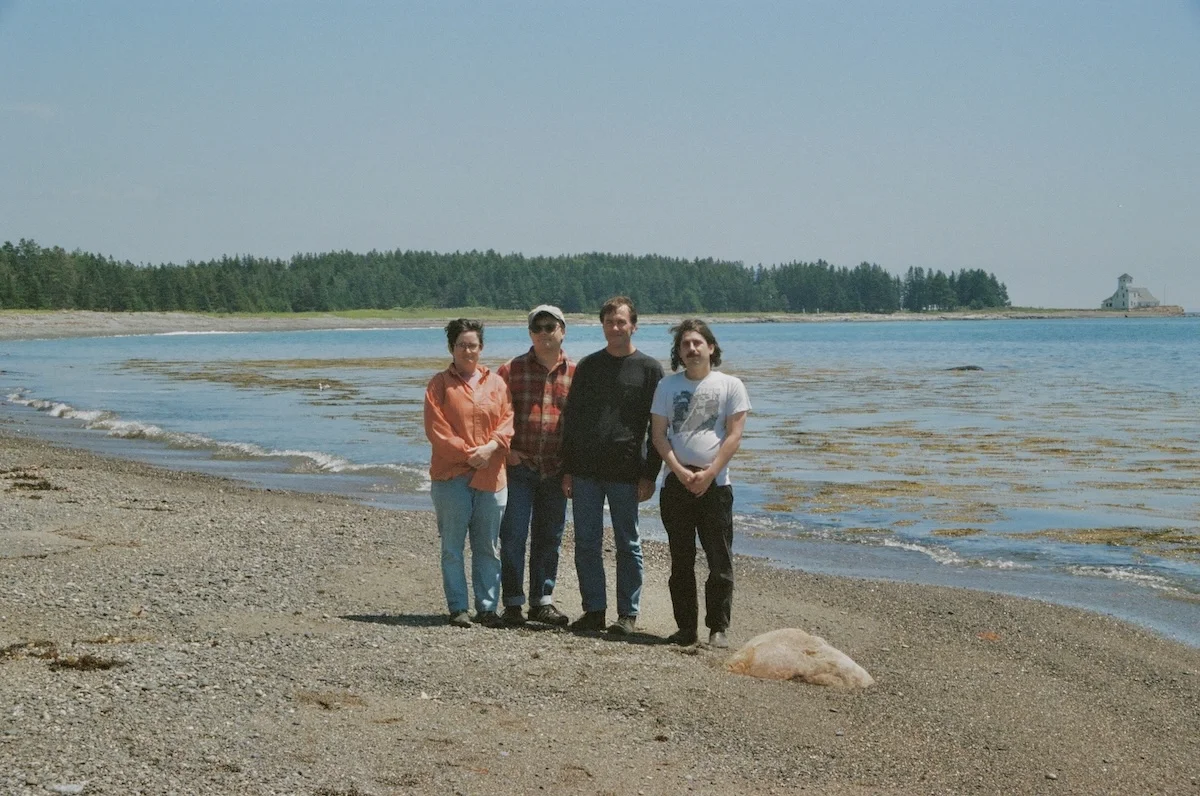
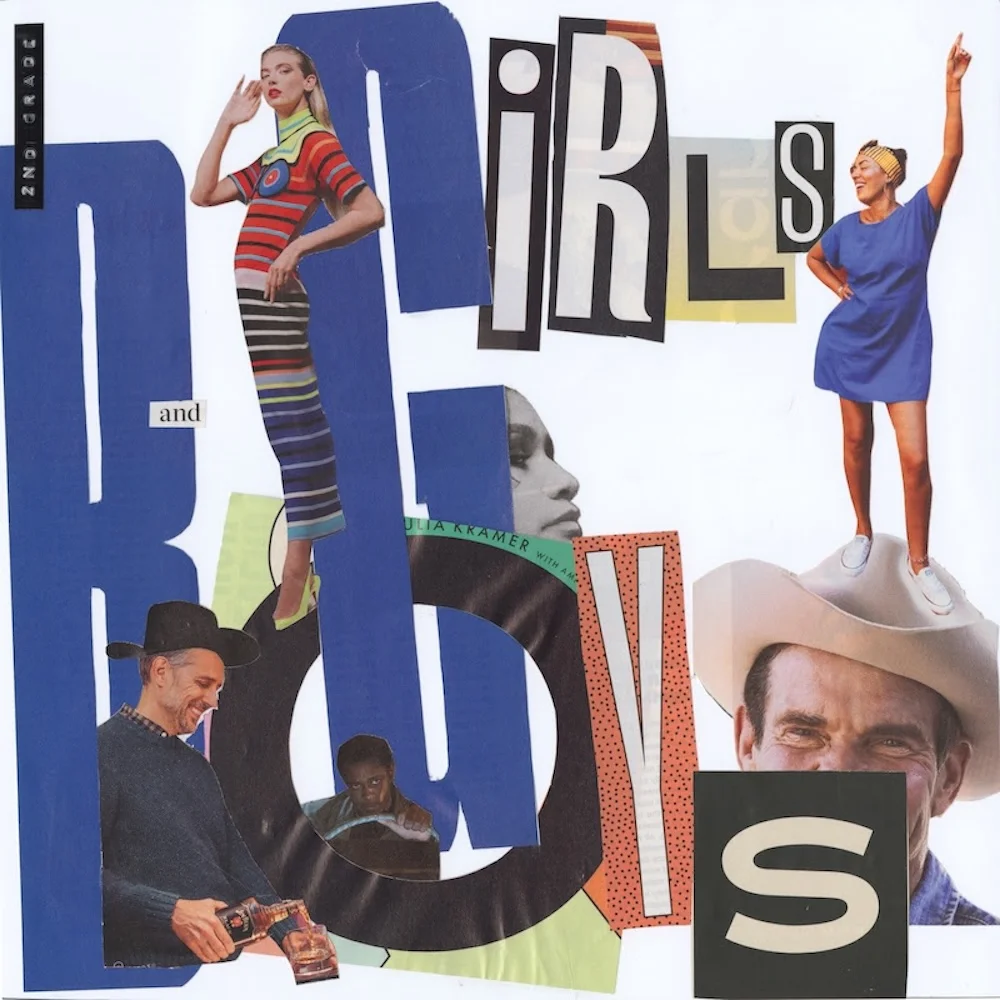
The trick of great power pop is making craft sound like instinct. 2nd Grade’s fifth album, Girls and Boys, puts that skill on display across 20 compact songs, pairing bright melodies with lyrics that often sound like someone trying to hold it together. The contrast is the record’s central strength: the music offers immediate pleasures, while the words keep interrupting that ease with irritation, worry, or an offhand observation that won’t quite leave the mind. It’s a familiar power pop balance, but the band gives it a distinctively conversational feel.
The album’s conceit is neatly symmetrical: 10 songs about girls and 10 about boys, with male and female voices sharing the set. The project is led by songwriter and producer Peter Gill, with Catherine Dwyer and Jack Washburn of Remember Sports returning to the lineup. That framework could have tipped the record toward novelty, especially if the songs treated their categories as the main event. Instead, it gives Gill room to revisit familiar power pop subjects from more than one vocal perspective. The division organizes the album, but the writing’s small emotional shifts are what keep it from feeling like a simple counting exercise.
Hooks with a restless edge
The guitars and harmonies carry a warm, familiar ring, but the performances keep the songs moving. “Anywhere Girls” and “Cellophane Girls” have the jangling ease of the dBs or Tom Petty, pushed along by drums that feel more urgent than their melodies initially suggest. That difference matters: the songs may sound breezy at first, but their rhythm gives them a slight forward lean, as though they’re in a hurry to reach the next thought. Gill and Dwyer turn phrases into quick, looping runs, giving the tracks an energy that’s closer to a nervous rush than a stroll. A hook can be inviting and unsettled at once.
“Glacial Boys” joins a Big Star-like vocal melody to a fuzzier, chugging bass line. On “Upstream Girls,” the back-and-forth vocals might bring Belle and Sebastian to mind, while small repeated figures give the song a distinctly contemporary indie pulse. These references point to the band’s musical vocabulary, not a lack of identity: 2nd Grade knows the genre’s familiar moves, then nudges them into less expected shapes. The arrangements don’t need to announce their cleverness. A change in texture or the way a vocal phrase circles back can be enough to keep a compact song from settling into autopilot. This is more significant than it looks; familiarity is part of the appeal, but the details keep it from becoming mere imitation.
Small details, uneasy thoughts
Gill’s lyrics are strongest when they pin a passing thought to a precise image. One narrator wants to “throw a chair like Oliver Reed in the 1970s”; another observes, “They put up a new McDonald’s where the old McDonald’s used to be.” The everyday inventory “Phone keys wallet charger headphones, I guess I’m ready to go” is funny, recognizable, and oddly memorable. Each detail has the unpolished specificity of something that might surface in ordinary conversation. The humor comes partly from the gap between the grandness of one image and the plainness of another.
Those lines aren’t just quirky decoration. Across the record, the lyrics have the feel of an anxious stream of consciousness: people trying to keep a pleasant face while their thoughts race. That tension gives the songs their appealing double character. They’re sunny enough to invite a singalong, but there’s a low hum of worry underneath. The writing doesn’t spell out a single overarching crisis, and that restraint suits its subject: the small distractions and private spirals that can coexist with an ordinary day. (And this is the part most people overlook.) A funny line can reveal how hard a narrator is working to seem fine.
A brief, well-paced set
Every track runs under three minutes, and many finish before the two-minute mark. The concise format keeps the hooks coming without letting the album’s central idea wear thin. It also shapes how the songs communicate: there’s little space for a thought to become a long explanation, so images and repeated phrases have to do more work. That economy can make the record feel quick by design, though it places extra weight on the variety between tracks. The shifting voices, guitar textures, and lyrical turns help supply that variation. The physical edition arrives October 30, with a digital release through Lame-O Records scheduled for December 4.
Girls and Boys finds 2nd Grade making difficult songwriting look casual. Its melodies feel familiar without sounding stuck in the past, and its lyrics add just enough unease to complicate the sweetness. The takeaway is simple: this band’s power pop works because the lightness is carefully made. That said, the album’s brevity leaves little room for extended development; its appeal rests on the cumulative effect of concise songs rather than a dramatic change in direction. If you’re working in this space, that’s the useful distinction: a short song can still hold conflicting moods, provided the performance and writing give those tensions somewhere to land. A bright surface, with a restless mind underneath.
Why the balance matters
The album’s approach offers a useful reminder about power pop’s craft. A familiar chord or vocal harmony can make a song feel accessible, but accessibility alone won’t make it memorable. Here, the lyrics complicate the polish, and the arrangements keep the songs from becoming interchangeable. The contrast isn’t a gimmick; it’s the source of the record’s character. When the music sounds open and the narrator sounds distracted, the listener gets both the pleasure of the tune and a reason to listen again.
What this means for you as a listener is straightforward: the record rewards attention without demanding a long stay. Its short songs make the first impression easy, while the odd details give that impression a second life. The symmetry of the concept supplies a frame, but the album’s emotional pull comes from the imperfect thoughts inside it. Not a grand statement. A collection of quick, carefully shaped moments that keep their edges.
To see our running list of the top 100 greatest rock stars of all time, click here.


