A familiar winter series returns
Windham Hill’s winter music tradition is getting a new chapter. A 14-track collection, A Winter’s Solstice Celebration, brings together artists associated with the label to mark 40 years since the first A Winter’s Solstice album and Windham Hill’s 50th anniversary. That pairing gives the release two jobs: it’s a new seasonal record, and a look back at a label whose identity became closely tied to a particular kind of quiet, acoustic music.
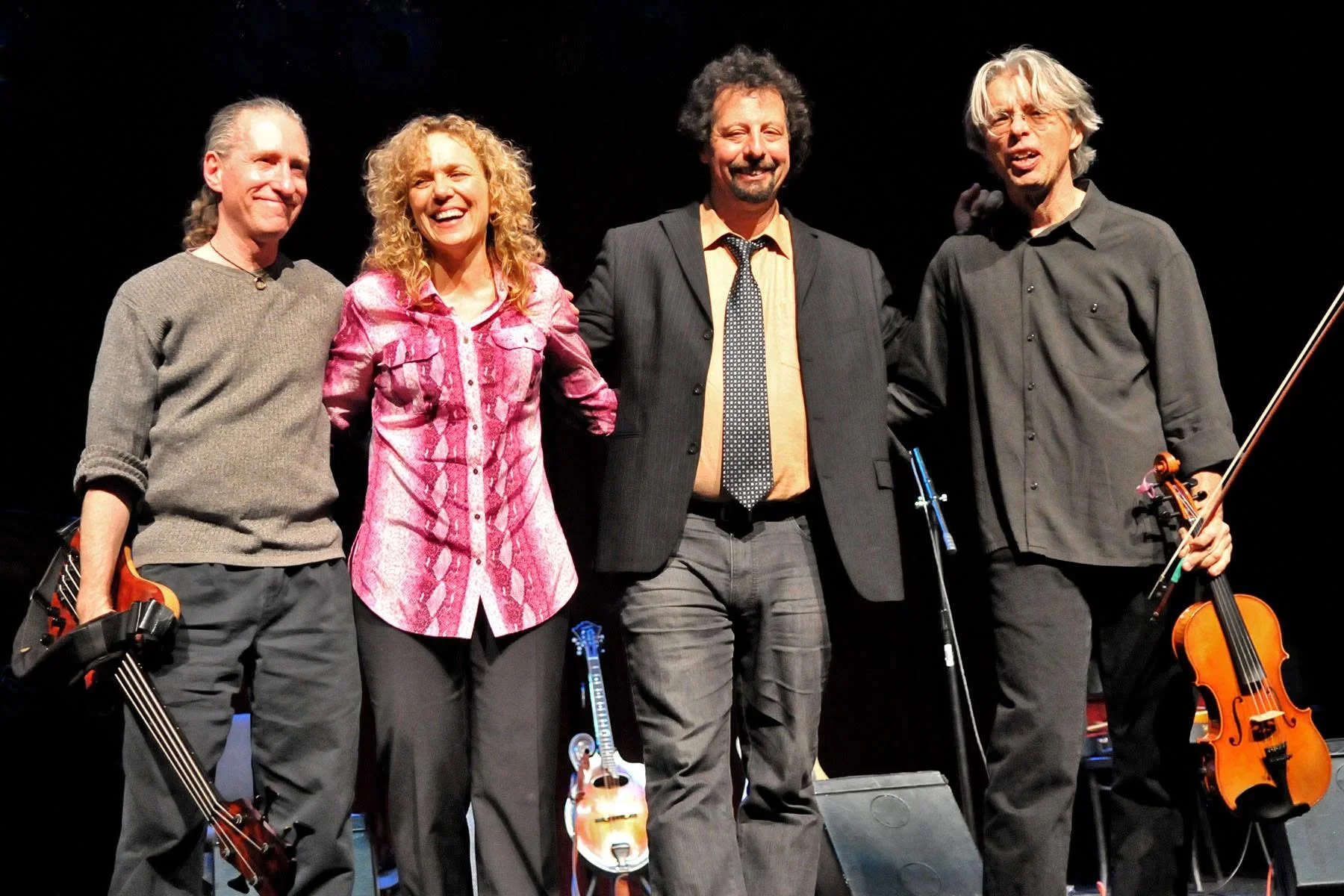
The project brings together founder Will Ackerman, pianists Liz Story and the late George Winston, guitarist Alex de Grassi, multi-instrumentalist Barbara Higbie, bassist Michael Manring and pianist Jim Brickman, among others. Dawn Atkinson, who oversaw six volumes of the original series, co-produced the collection with former Windham Hill staffer Bob Duskis, while Ackerman served as executive producer. A Kickstarter campaign raised more than $65,000, and the artists retain ownership of their recordings—a production arrangement that puts the musicians’ stake in the project plainly on the record.
The roster reaches across different points in Windham Hill’s history, but it’s not simply a roll call of familiar names. The album pairs new performances with music that connects directly to earlier releases, giving returning listeners a thread to follow while leaving room for new material. That balance matters for a legacy project: nostalgia can draw attention, but new recordings have to give the reunion a reason to exist beyond remembrance.
New recordings with roots in the catalog
Several tracks make the connection to Windham Hill’s past explicit. Philip Aaberg’s “Carol for Ukraine” was performed live in December 2025 and recorded shortly before the pianist died in May. Winston’s solo piano piece “Winter Sunflower” appears here for the first time, giving the collection a previously unheard work by an artist whose recordings are part of the label’s history.
The album also reunites Montreux, the group of Darol Anger, Higbie, Mike Marshall and Manring. Their new recording of Manring’s “Welcoming” returns to a composition first released on his 1986 Windham Hill debut, Unusual Weather, and later included on the 1990 compilation The First Ten Years. For listeners who know the earlier versions, the new performance makes the song itself a point of continuity; for others, it offers a route into the label’s catalog. (And this is the part most people overlook: a reunion can make old work newly legible, not just replay it.)

Ackerman contributes “The Longest Night,” a piece shaped by the Vermont setting that has informed much of his work. He calls it “ultimately a hopeful piece,” connecting the solstice to “that turning point, when the longest night is passing and winter will be turning to spring.” The description fits the seasonal premise without reducing the music to background decoration: the calendar provides a frame, while the feeling of transition gives the piece its emotional center.
A quiet turn toward spring.
Why the seasonal sound endured
Founded by Ackerman with a $300 loan from friends to finance his first recording, Windham Hill built its identity around melodic, acoustic-forward instrumental music. The label’s A Winter’s Solstice series became one of its signature projects, and the original 1986 album earned Platinum certification for U.S. shipments of one million copies. Its restrained sound offered a counterpoint to louder holiday fare, even as the label’s artists bristled at being categorized as “new age.”
That tension helps explain why the series could become a holiday tradition while the label’s musicians resisted a simple genre label. Seasonal music often gets treated as a narrow category, expected to return at the same time each year and perform a familiar role. Windham Hill’s acoustic focus gave the albums a recognizable mood, but the artists’ resistance to categorization suggests they saw more in the music than a seasonal function. The new collection inherits that challenge: it has to carry the comfort listeners expect while still sounding like work made by individual musicians.
Atkinson says listeners still tell her the earlier albums are part of their holiday traditions. She describes the new collection as “more than a reunion,” a connection between the series’ past and present. Duskis spent months gathering and curating submissions, shaping the sequence and reconnecting with musicians who had spread across the label’s extended community. That work points to the less visible side of an ensemble release: the final track list is also an editorial choice about which histories and musical relationships the album will foreground.
A reunion with a future-facing question
The release precedes Windham Hill’s 50th anniversary event on Sunday, Nov. 1, at the Freight in Berkeley, California. Ackerman, Story, de Grassi, Higbie, Anger, Manring, Scott Cossu, Fred Simon and Ira Stein are scheduled to perform together for the first time in many years. The daylong program will include artist conversations, panels, archival footage and a preview of A Quiet Revolution, Tal Skloot’s forthcoming documentary.
The event extends the project beyond the recordings, bringing live performance and archival material into the same anniversary program. It also gives the label’s history a public setting, where musicians and audiences can encounter it together rather than through the album alone. If you're working in instrumental music, that combination is a reminder that a label’s identity can persist through the relationships between artists, listeners and recordings, even as the original community changes over time.
This is more significant than it looks. The new album’s strongest case is in the music itself: familiar artists bringing new work to a series whose quiet, seasonal sound has stayed in listeners’ lives for four decades. Its harder test will be whether those new performances can earn a place beside the earlier records, rather than depending on the anniversary to do all the work. That said, the collection’s mix of first-time appearances, revisited compositions and returning collaborators gives it a clear reason to be heard now.


