From a fear of flying to a career on the road
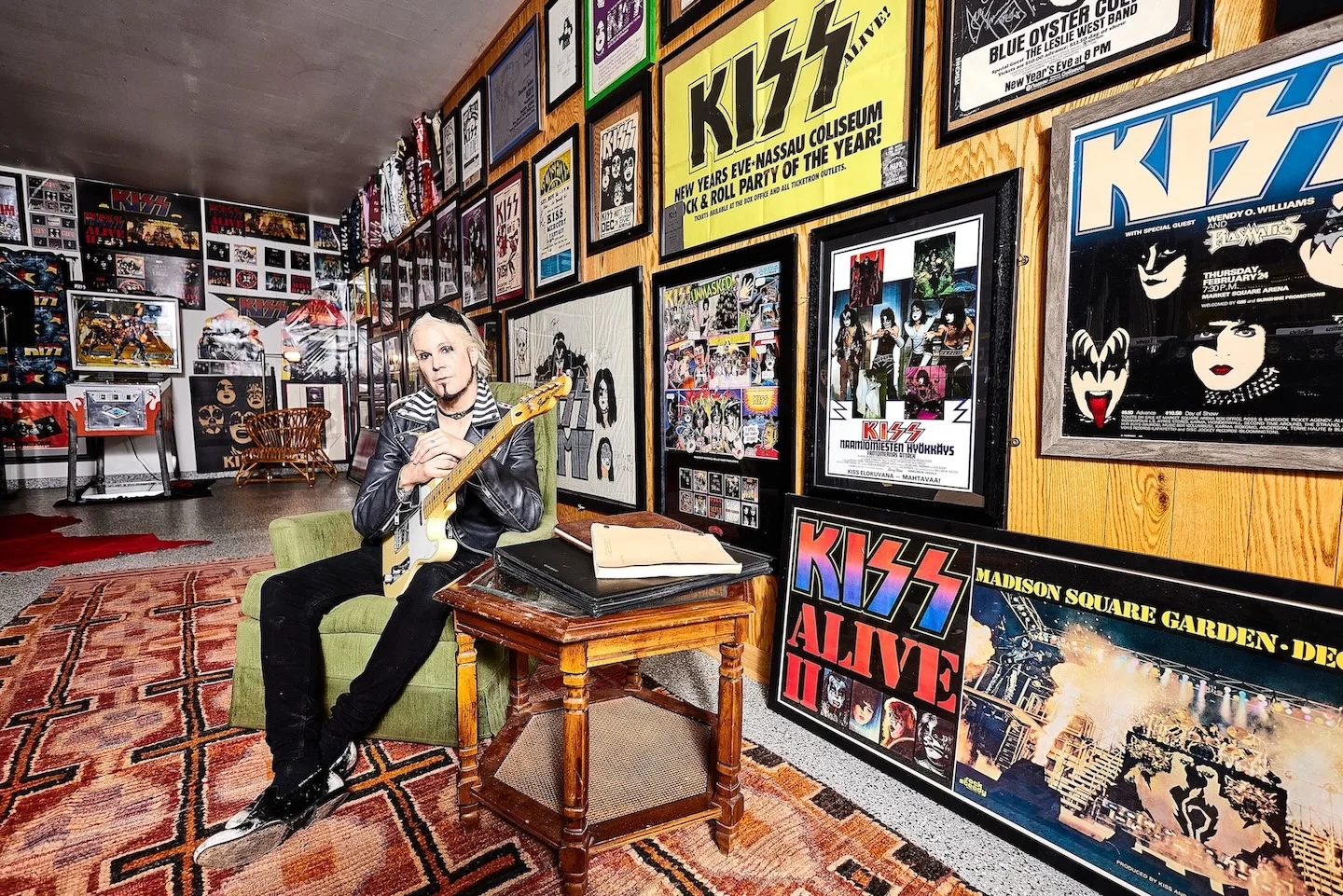
John traces that reluctance to a frightening flight to Palm Springs when he was a child. In the 1970s, he recalls, pilots might announce they were going to “ride the storm out.” He became violently ill and terrified. Still, he understood that a music career would require travel. A documentary short he saw in the late 1970s or early 1980s suggested another path: session work, where he could play at home. He moved to California for sessions, then the requests for shows accumulated until they became tours. The session work came from years of study. John says he learned to read music and prepared across styles so he could handle whatever a producer put in front of him. Early on, he worked on *Baywatch* and other television shows, undercutting other players’ rates and finishing faster. If someone else charged $500, he says, he’d do the job for $200. The strategy got him hired regularly. He says he avoided drugs and alcohol partly because he has an intense fear of vomiting, and partly because he saw no appeal in losing control. His parents let him play nightclubs as long as he got up for school. He says they could see he came home sober, and that he was committed to music. Even when people offered him drugs, he says, he declined without pressure. Those clubs were in Detroit. John grew up near the city in Grosse Pointe, which he describes as affluent—Henry Ford’s family lived there, and wealthy residents had homes along Lake Shore. Detroit itself felt frightening to him at the time, and his car was broken into repeatedly. Still, he says, he loved the experience. John says two Warner Brothers representatives came to Michigan after hearing about him. They met with his parents and told them their son had talent, in a scene he compares to recruiting an athlete. His parents let him go with them to Los Angeles. He was 17, in his senior year of high school, and didn’t finish school. The label helped set him up with work, he recalls, then the representatives disappeared. In hindsight, he suspects they may have lost their jobs as the record business shifted people around. He says he rarely discussed the episode because it felt strange. He describes himself as rational even as a child, though he acknowledges making mistakes. He wasn’t pushed into music by strict “tiger parents”; his discipline came from within. That self-control, he says, also helps him stay relaxed before performances.Preparation is the method
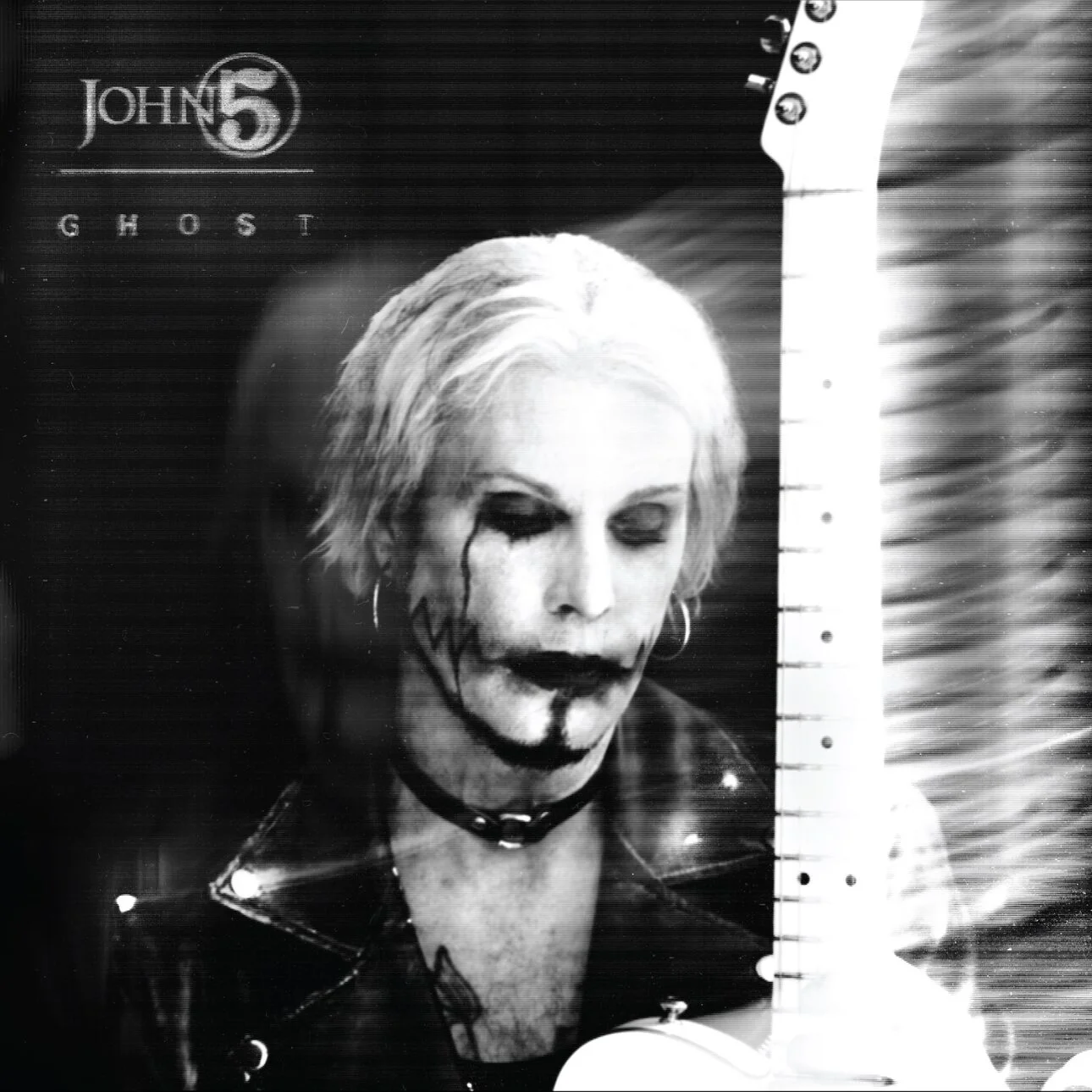
For a session, John studies the artist’s catalog, the keys they favor and the guitars used on earlier recordings. That familiarity lets him respond when someone references an obscure track or asks for a part in its style. He wants collaborators to know he’s there because he cares about their music. He points to an appearance with Salt-N-Pepa on *The Tonight Show With Jay Leno*: he knew the songs in their hits medley, played with energy, and says the group could tell he was enjoying it. That preparation has opened doors across sharply different genres. Lap steel player Greg Leisz told him k.d. lang was auditioning guitarists for a tour. John learned every song, including the separate instrumental parts, because he didn’t know what he’d be asked to play. Lang kept him onstage because he knew the material. He calls the experience transformative. If a band needed him tomorrow, John says, he’d be ready. At his first Mötley Crüe rehearsal, he says, they ran through the full set as if they could have played a show. His drive to prepare comes partly from anxiety: he hated the feeling of doing poorly at school when he wasn’t ready. Knowing the material lets him relax, onstage and off. He applies the same discipline to live performance, where he tries to play with exactness. Some listeners accuse the band of not playing live when the performance sounds so precise. John takes that as praise. He treats accuracy as a private challenge, comparing it to driving down a highway without hitting the reflective markers. It’s harder than it sounds. John reaches for two familiar examples of perfectionism: Steely Dan’s famously demanding studio process, and a Stanley Kubrick documentary in which an actor repeats a speech more than 80 times. Kubrick, John recalls, finally chose the take where the actor looked panicked. For John, that pursuit of the right moment is part of what a live show can be. He practices his stage material daily. Live television is the exception to his usual calm, and the worry is practical: equipment could fail, especially in hot venues where he uses multiple fans. He says he’s concerned about protecting the performance, not about himself. That same standard shaped *Ghost*. John wanted to record it as if it were made in the 1940s, when musicians played together into microphones and a mistake meant starting over. He contrasts that approach with later recording tools: punch-ins in the 1950s and ’60s, improved technology in the ’70s, ADATs in the ’80s and digital manipulation by the ’90s. Each track on the album, he says, is a complete performance. He aims to reproduce the records note for note onstage, even though some people prefer improvisation. For him, the method tests memory as well as technique. A solo show, he promises, moves between styles. He might bring out banjo and mandolin, then shift from Chet Atkins-style playing to much heavier material. The unpredictability is part of the appeal.
More from SPIN:
- Update: System Of A Down Adds Fourth Rose Bowl Show
- The SPIN Q&A: Queens Of The Stone Age’s Josh Homme
- Flaming Lips ‘Throb’ On Third Man Debut
Related coverage: Dolly Parton’s death, John 5’s Kiss memorabilia collection, and Salt-N-Pepa.
See SPIN’s list of the 100 greatest rock stars of all time.


