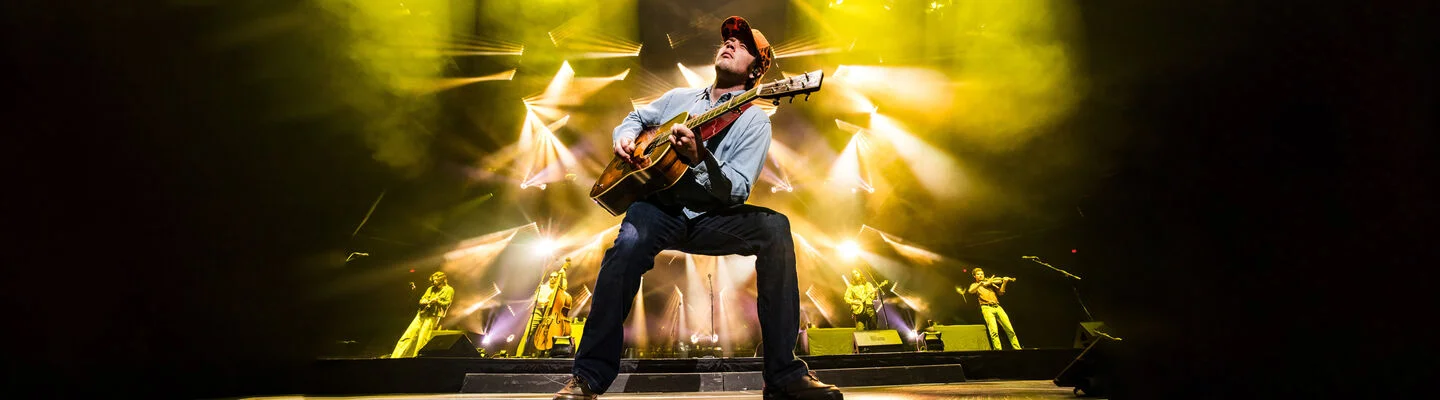
Music streaming has solved access. Live recordings address a different problem: what happens to a performance after the crowd leaves? A song may remain available for decades, while the version that moved a room on one particular night can vanish unless someone captured it.
That gap matters most to artists whose music keeps changing onstage. An unexpected solo, a setlist curveball or a fragile moment between band and audience can turn a familiar song into something distinct. The recording preserves more than notes; it keeps evidence of what the musicians chose to do in that room.
More from Spin:
- Adam Young Makes His Album Debut With Another Life
- Singer-Songwriter ADOM Is Releasing ‘House of Memories’ One Song at a Time
- Jessie Altman Finds Her Sound, and Something Real, on ‘Lovelight’
The song keeps changing after the album
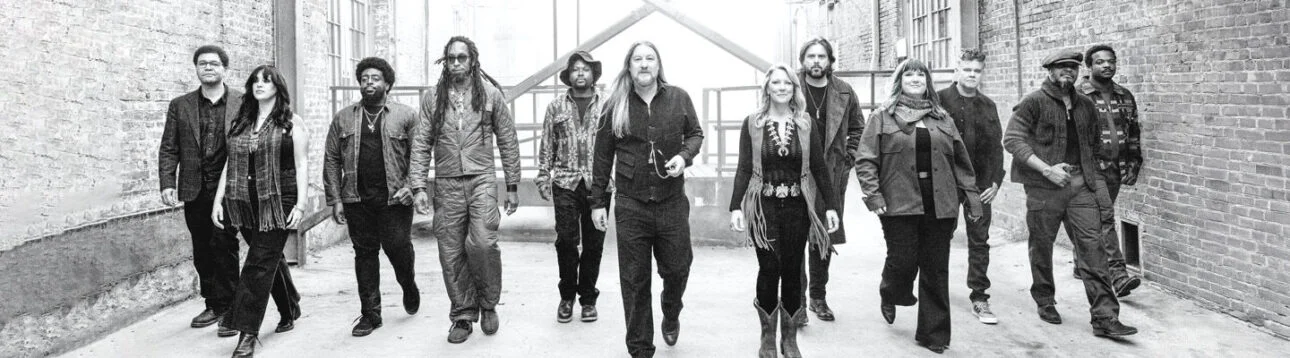
For some audiences, the studio track is a starting point rather than the definitive statement. Deadheads, Phish fans and people who have followed Pearl Jam on tour understand the appeal: a song can be reshaped every night, and its history grows through performance.
Billy Strings has brought younger listeners toward bluegrass, with a live approach that keeps the music in motion. His technical skill is part of the draw, but so is the unpredictability: the material doesn’t settle into one fixed version. Tedeschi Trucks Band reaches a similar place through a different combination, with Susan Tedeschi’s voice and Derek Trucks’ slide guitar supporting arrangements that shift between shows. For these fans, asking for the one correct version misses the point.
The recording industry has long treated the finished studio take as the song’s final form. Live music challenges that idea. A concert archive lets listeners follow the variations, compare choices and hear how a band’s interpretation develops over time.
Metallica puts the audio behind the spectacle
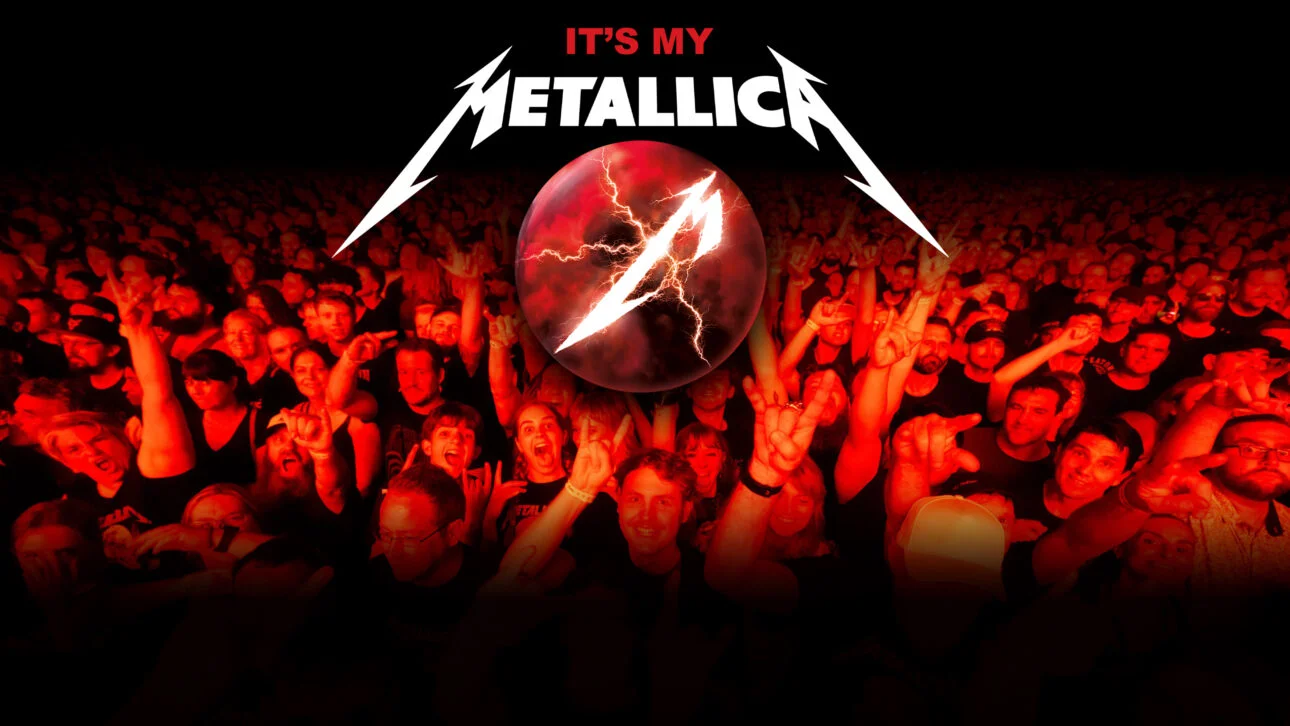
Metallica’s Sphere residency poses a useful question about large-scale concert production. The venue’s wraparound screen and immersive sound system can make a performance feel unlike a conventional arena show. That spectacle is part of the experience, but the music still has to carry weight when separated from the visuals.
The band is making official audio recordings from the residency available through nugs. The shows run from October 2026 through March 2027, and fans can pre-order recordings as MP3 downloads, CD-quality downloads or physical CDs. Releasing the audio gives the performance a life beyond the venue and lets listeners judge what the band played on its own terms.
For someone in the audience, a recording can return them to a particular night. For someone who missed it, it offers a way to hear a show they couldn’t attend. Metallica’s archive already reaches back more than four decades; each new performance adds another point in the band’s history. The format also resists the idea that a concert matters only as a stream of short clips. Sometimes the value is in hearing the whole night unfold.
A playlist can’t tell you why a show stayed with you
Streaming services can make sharp guesses about what a listener wants next. They can assemble playlists, surface unfamiliar artists and match a mood. But they can’t know why one concert became personally significant: the place you stood, the people around you, or the exact moment a familiar song changed shape.
That connection has long driven the exchange of live recordings. Before digital music made official releases easy to find, fans traded tapes, compared setlists and searched for recordings of shows they’d attended or wished they had. The sound could be rough, and a tape might leave out songs, but it still held the night in a form people could revisit.
Official audio and livestreams now make many performances easier to access and hear clearly. The reason fans want them hasn’t changed. A live version captures what happens when musicians bring songs into a room, with different choices and outcomes each time.
Halloween shows make uncertainty part of the appeal
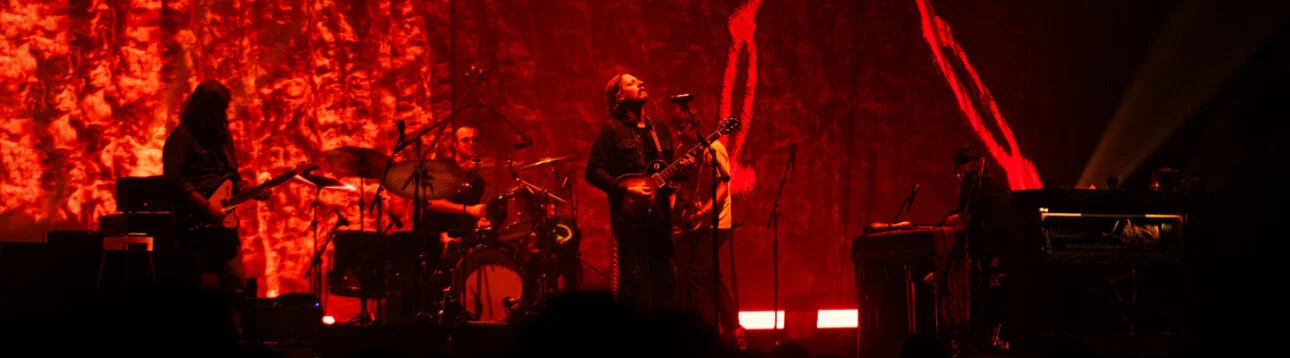
Late October often gives concertgoers a reason to expect the unexpected. Costumes and surprise covers can loosen the usual setlist conventions, turning a routine tour stop into a show fans remember long after the date has passed.
Billy Strings is planning a two-night Baltimore run that ends on October 31 with a performance billed as “Heartbeat of Eternia.” Tedeschi Trucks Band has four nights scheduled at The Chicago Theatre, while Johnny Blue Skies & The Dark Clouds are set to close their “Mutiny For The Masses” Tour in Lexington, Kentucky, on October 30.
Not every show on the calendar is explicitly tied to Halloween. The draw is the possibility that a band will do something different once it takes the stage. nugs is livestreaming these performances as part of its Halloween season lineup, extending that uncertainty to viewers who aren’t in the venue. A livestream can work as its own way to experience a performance, rather than simply standing in for a ticket.
Archives give a tour its own history
More music is available on demand than ever, yet that abundance can make listening feel temporary. Songs surge through feeds and playlists, then give way to the next release. Phone clips offer glimpses of concerts, but a complete recording gives a listener time to hear how a performance takes shape, including the turns that might not have worked in a studio.
That record matters to artists, too. A live archive documents where a band stood at a given point in its career, apart from its studio albums. For a group with Metallica’s long history, individual shows add detail to a story that would otherwise be remembered through albums, photographs and anecdotes.
Concert production will keep changing as venues add larger screens and more elaborate sound systems. The basic appeal of live music remains more direct: a song can evolve once the band starts playing it. Recording those performances gives fans and artists a way to keep that evolution in view after the lights come up. Streaming made the song easy to find; live archives can help make the night possible to revisit.
SPIN Magazine newsroom and editorial staff were not involved in the creation of this content.
To see our running list of the top 100 greatest rock stars of all time, click here.


