A long cycle finally reached its limit
Cardi B and Offset’s split makes more sense as the end of a years-long cycle than as a sudden break. Their relationship has been closely followed in public, and Cardi has now described what made her decide the marriage was over. Earlier coverage traced the couple’s history, including their tumultuous relationship and Cardi’s explanation of the divorce, alongside reporting on why she stayed with Offset after cheating.

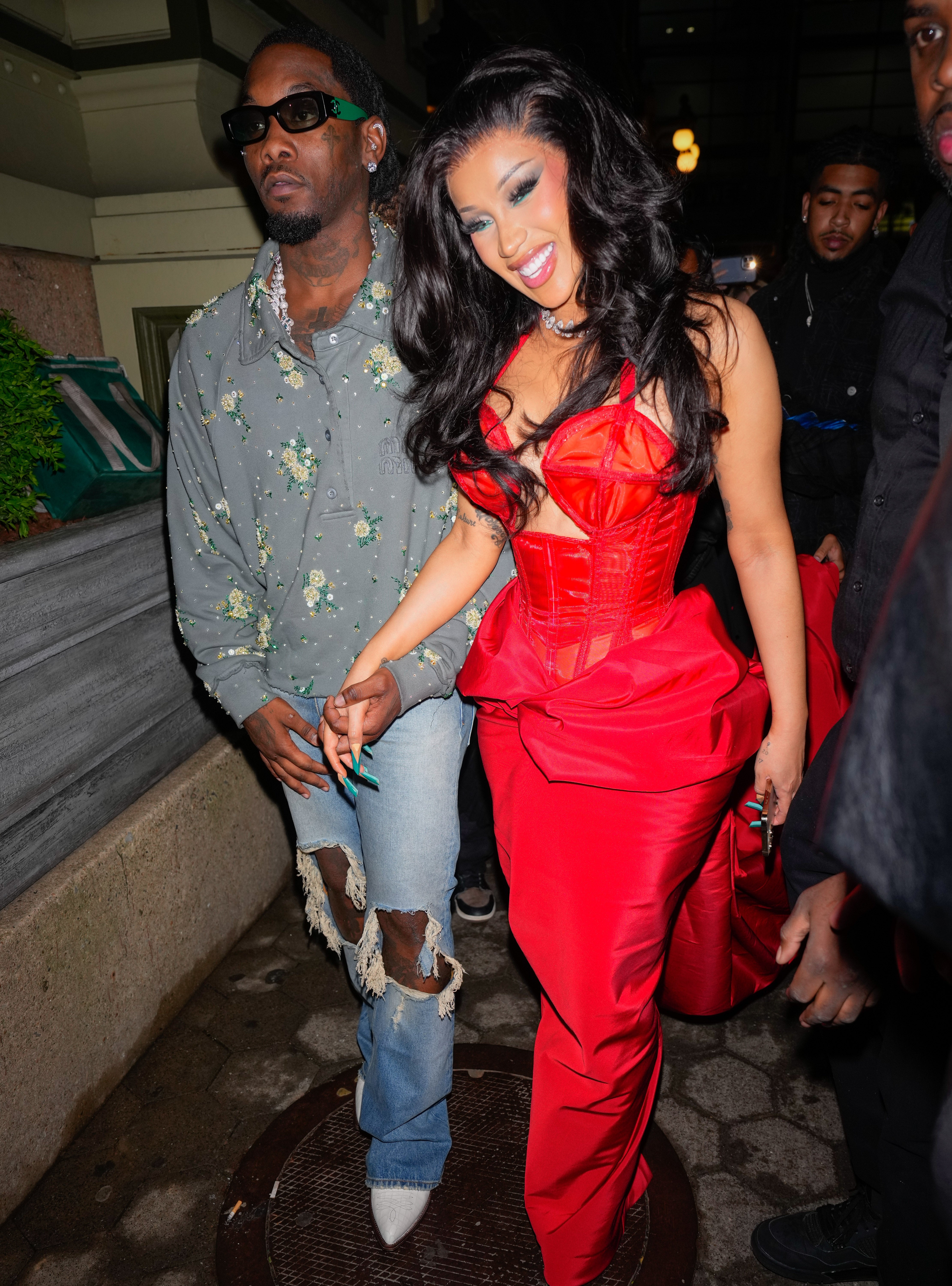
Infidelity appears to have been a recurring source of strain. The pair separated more than once, and by 2018 Cardi was already posting, then deleting, social media messages about the relationship ending. Offset later made a public appeal to win her back, as BuzzFeed reported.
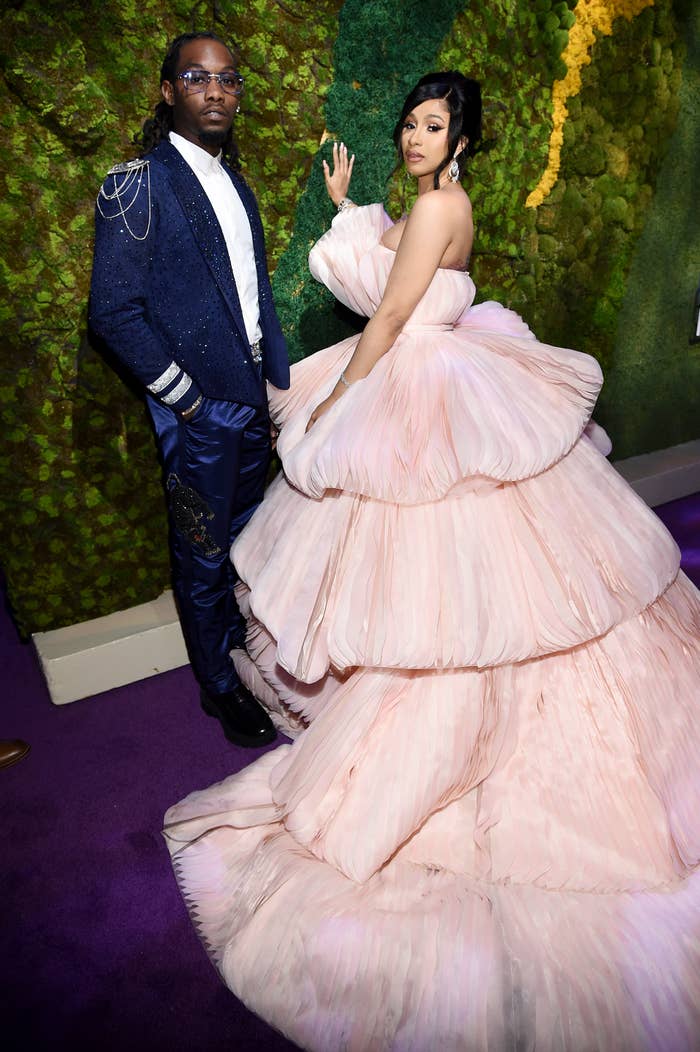
They filed for divorce in September 2020. Cardi later said she pursued the filing to “teach [him] a lesson,” after Offset tried to persuade her to return with gifts. That episode makes the eventual separation look less like one isolated decision and more like a relationship that had repeatedly approached the same breaking point.

Cardi filed again in the summer of 2024, according to Forbes. In an interview on the On Purpose With Jay Shetty podcast, she described feeling the love fade on both sides and said she felt lonely because she had chosen to withdraw. “I was saying, like, you know what? I [can’t] go through this anymore. I have to put a stop to it.”

Cardi B says reconciliation came when she was ready
Cardi B’s account of her marriage to Offset turns on a distinction that sounds simple but isn’t: deciding to leave and actually being ready to leave are different things. On the Jay Shetty Podcast, she said she could promise herself she’d stop the relationship, or stay away for a month, but the decision only held once she felt it “in her heart.”

She described trying to impose rules on herself: no contact for a month, no easy forgiveness, no return to the same pattern. But she said she was crying daily, hurt, and alone in a Los Angeles mansion, thinking about the relationship constantly. “When your heart is not done, your heart is not done,” she said.


Taking responsibility has limits
Pregnancy shaped how Cardi B thought about the future of the relationship. She said she decided to accept what she saw as her own flaws in the marriage, apologize for them, and work on them. That willingness to take responsibility, though, didn’t mean she thought the relationship’s problems were hers alone to fix.

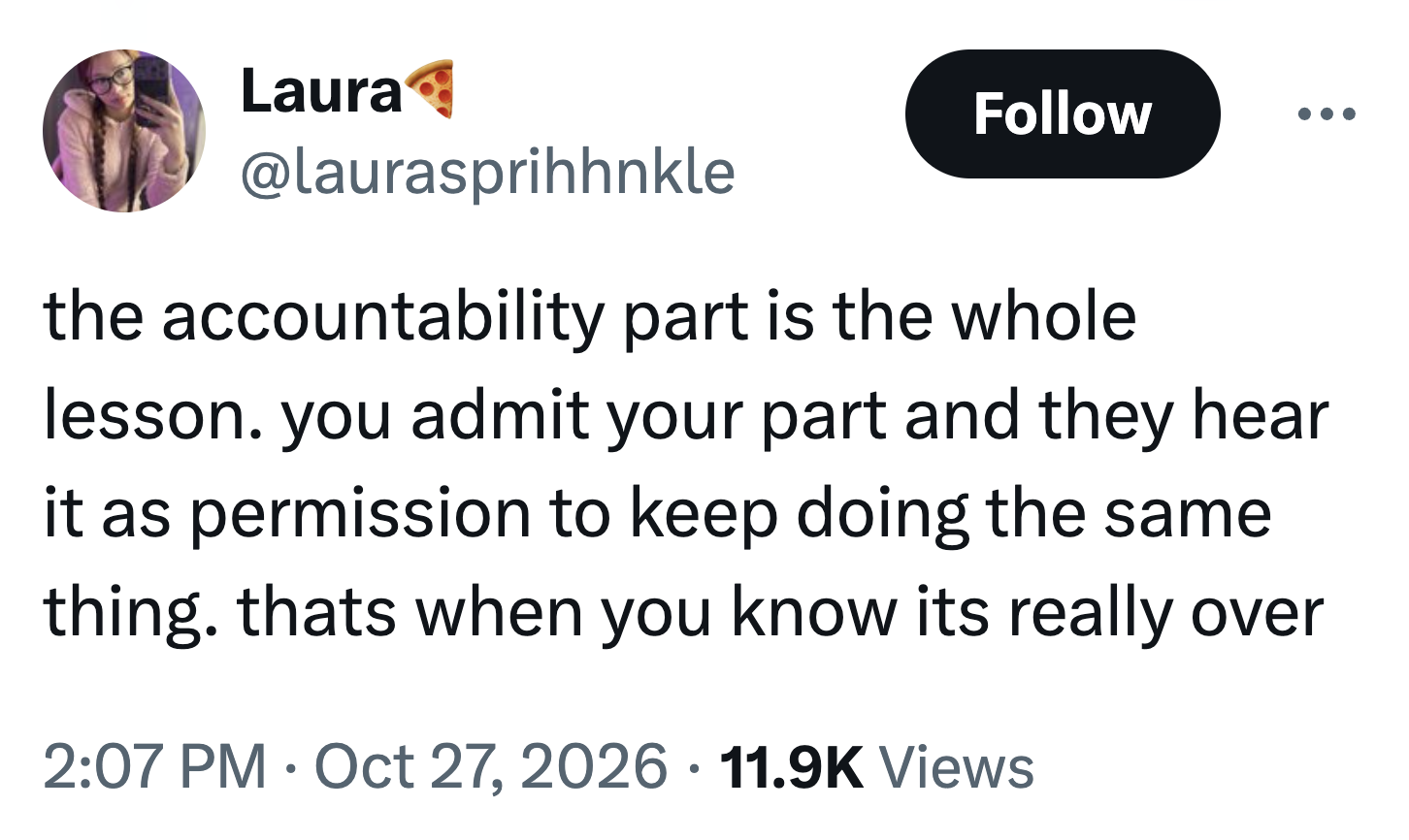
Her sharper point was about what happens when one partner uses the other’s accountability against them. Cardi B said that when she owned her part, Offset could treat it as proof she would always come back. “It really just killed everything,” she said. It’s a pointed account of how an apology can become a lever in a relationship instead of a starting point for change.


She also weighed the prospect of raising her child without Offset and losing him as a friend. She said those thoughts could leave her sad, depressed, and feeling lost. Still, she described herself as having overcome that period and being stronger than ever.

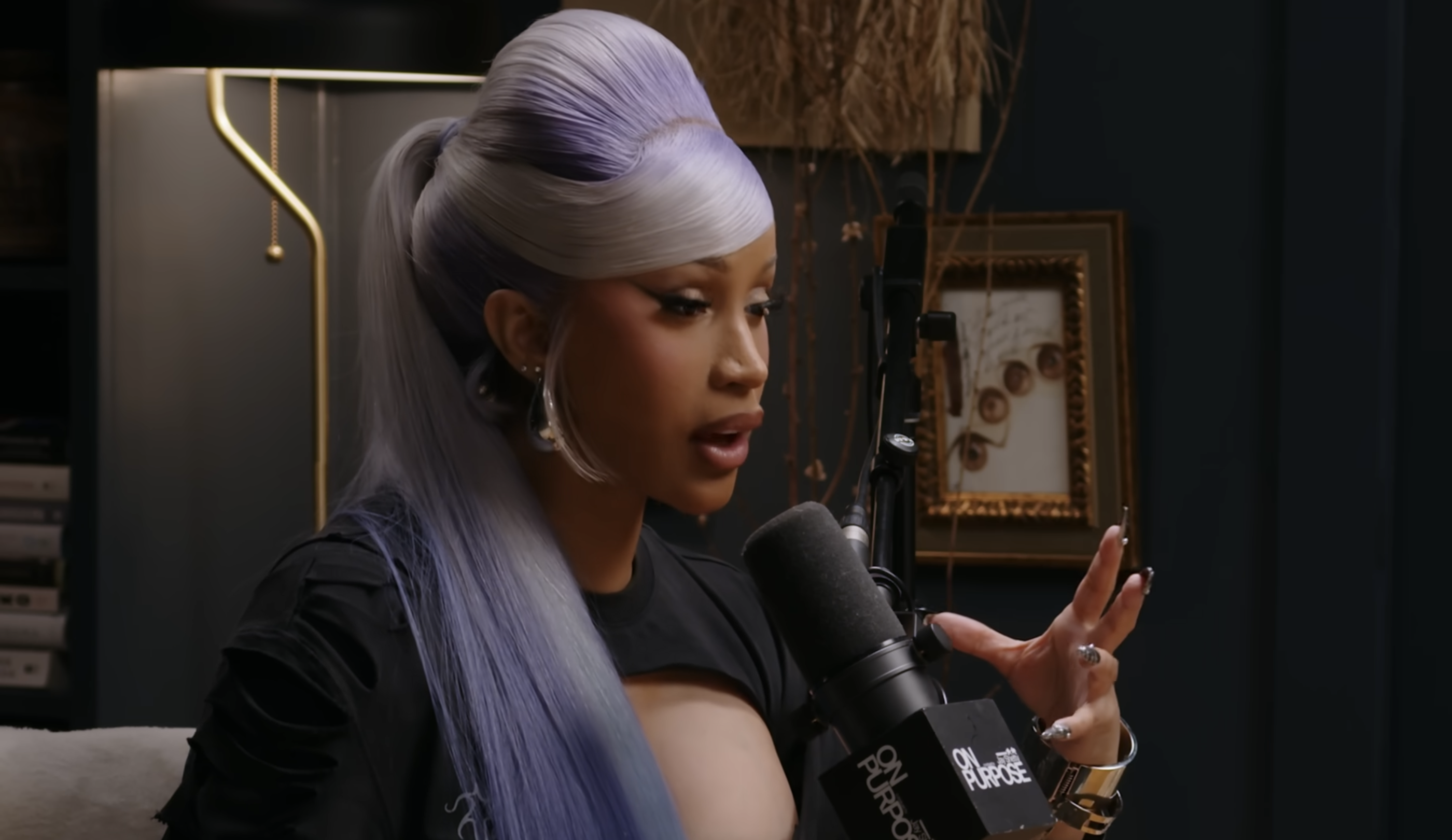

That sense of strength, she said, reminded her of being 22, 23, and 24, when she felt she was “living in a power.” Now, she said, she feels that way again.
When the heart finally catches up
Cardi B described the gap between deciding to leave and feeling finished: “And it took months for the heart to say you’re done, instead of my mouth and my brain. My heart had to be like, you’re done. ’Cause you could say it and you could take actions, but even if you take actions, if you’re not done, you’re not done.” That distinction lands because a breakup can be clear in practice long before it feels settled. She also acknowledged the pain involved: “It took some crying, it took some thoughts, scary thoughts. But I’m here.” The interview doesn’t explain what those thoughts were, so it’s best not to read more into that line than she says. Still, her willingness to name how hard the process was gives the account its weight.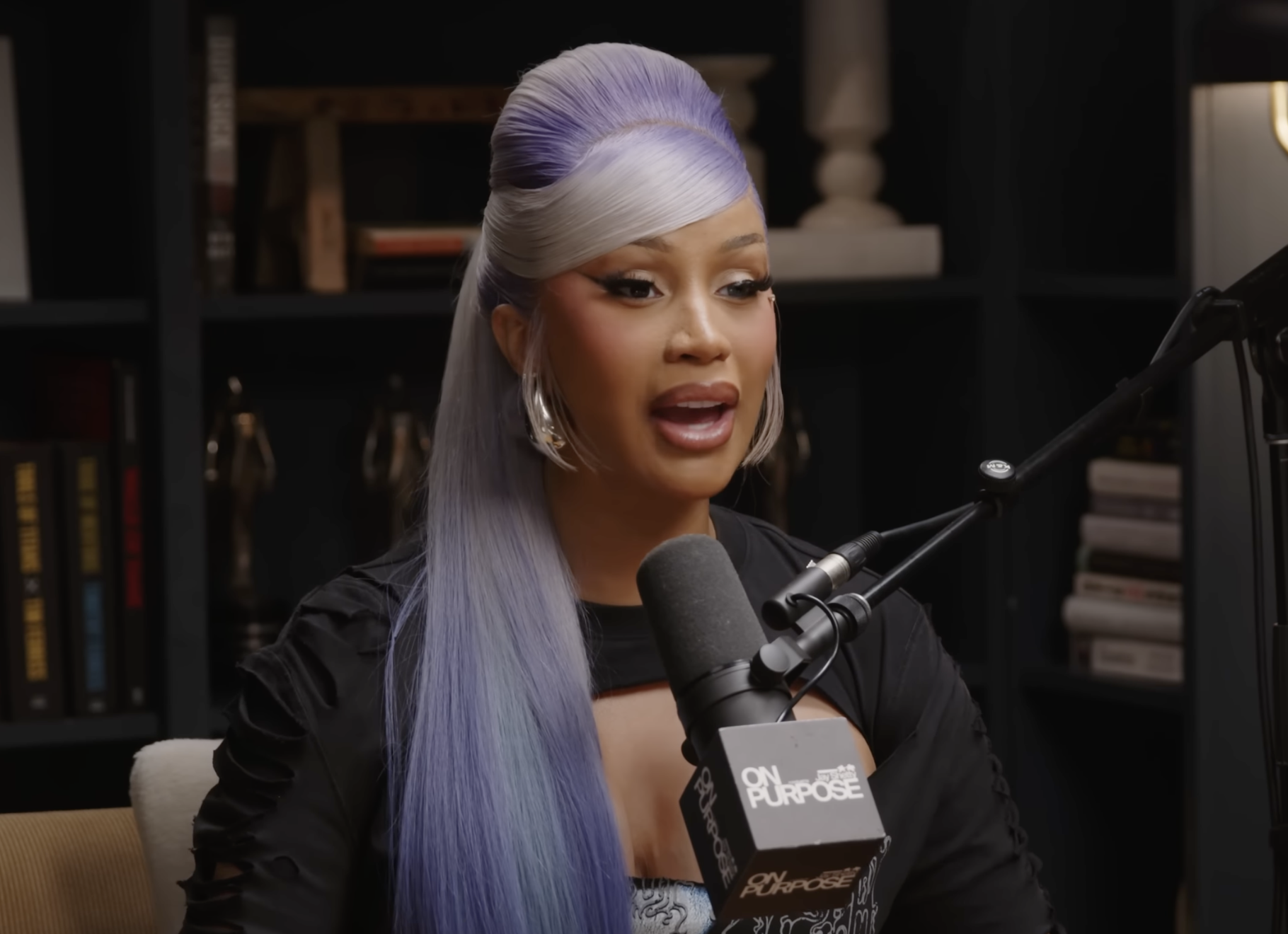
Why listeners connected
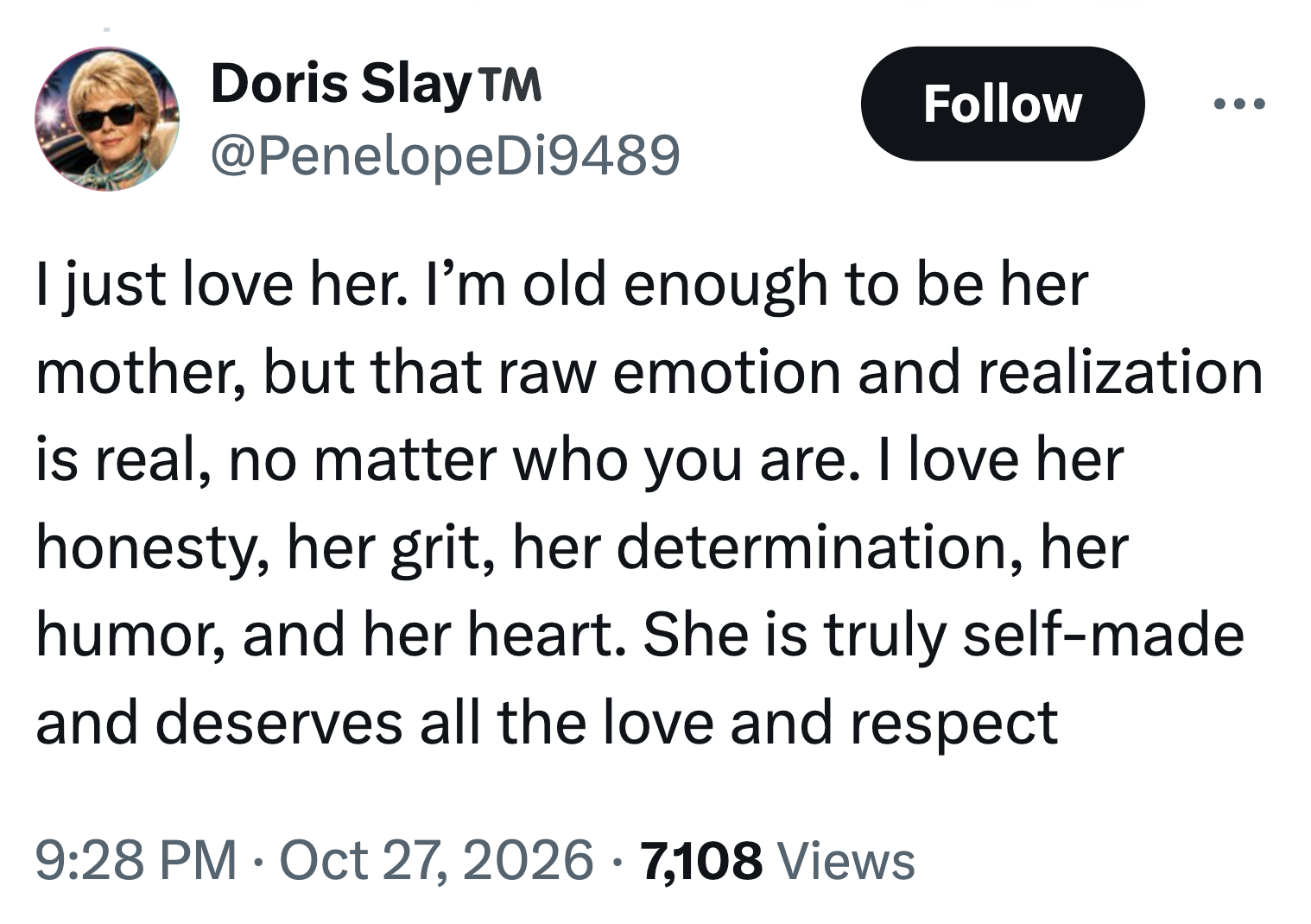
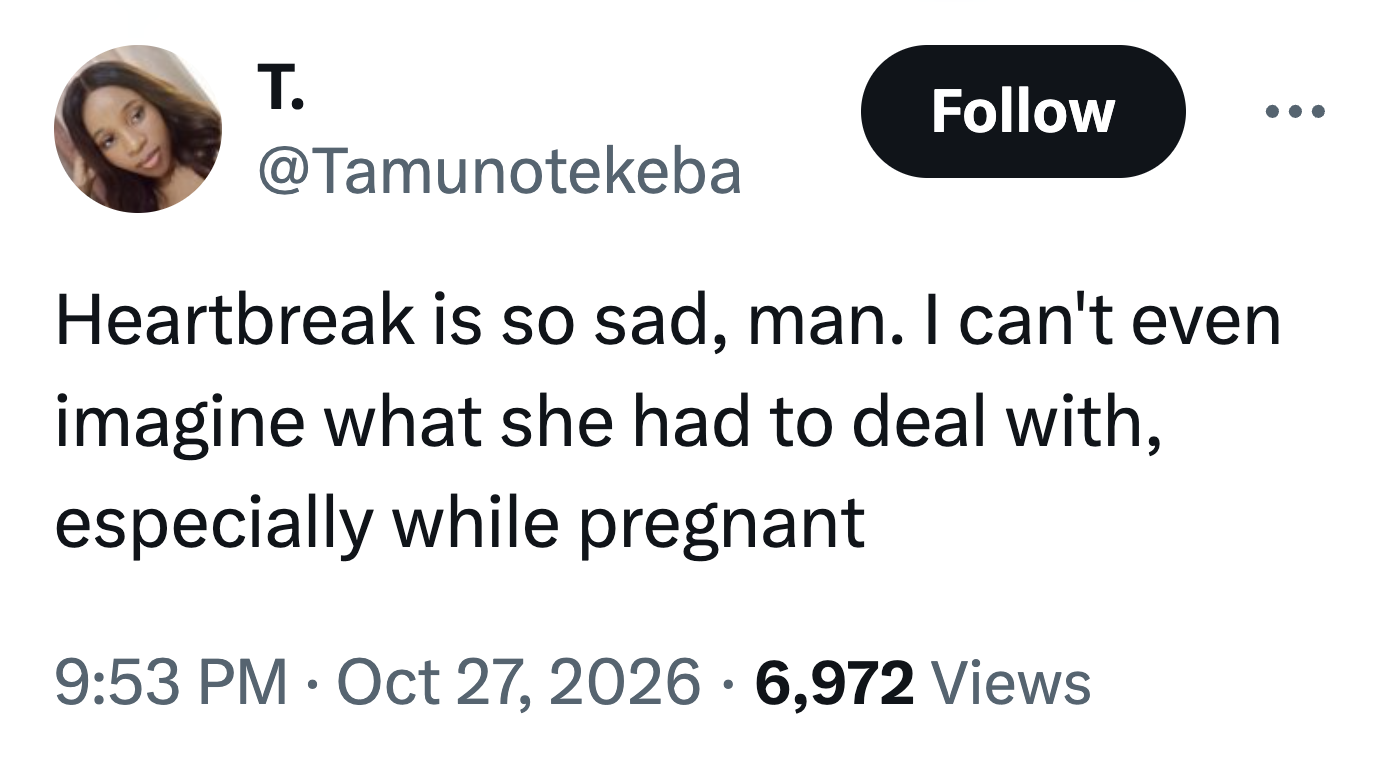
On X, people praised Cardi B’s strength and honesty, and some said her words reflected their own experiences. One post highlighted her determination, humor and self-made success, arguing that she deserves love and respect. Another expressed sympathy for her facing heartbreak while pregnant. The response also picked up on her account of taking responsibility. One user, Laura, wrote that admitting your own part can be mistaken for permission to repeat the same behavior—and that this can be the moment you know the relationship is over. It’s a pointed interpretation, though one person’s post can’t tell us how broadly that view is shared.