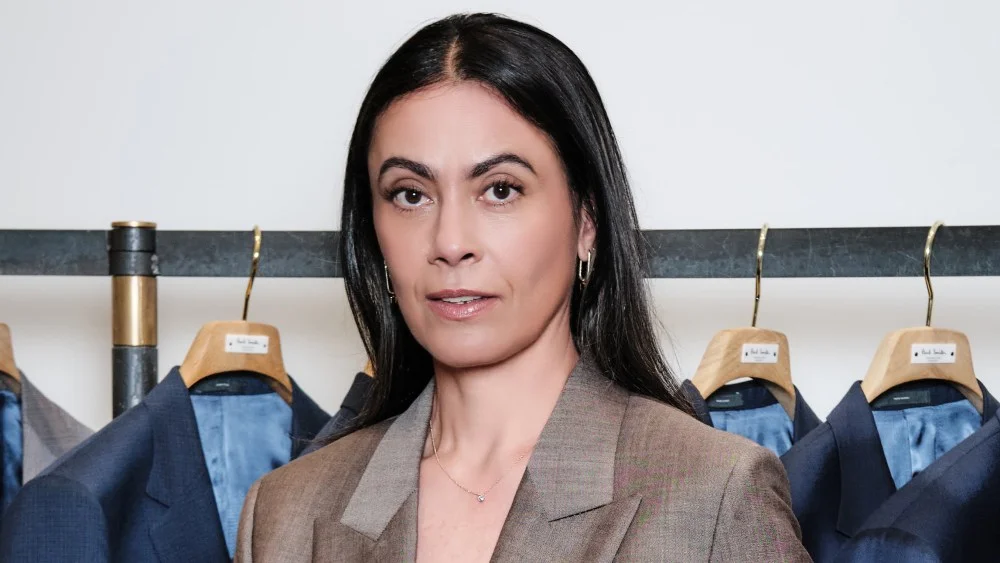
The recent pause in production by Anifa Mvuemba's fashion label, Hanifa, sends a powerful message about the fragility of momentum in the fashion industry. Despite garnering significant celebrity endorsements—from Savannah James to Megan Thee Stallion—and recognition as a finalist in the CFDA/Vogue Fashion Fund, Mvuemba's brand fell victim to the very success that propelled it. The announcement of an indefinite halt due to manufacturing delays and customer dissatisfaction speaks volumes about the often ignored challenges brands face as they scale. Mvuemba candidly reflected on her situation, stating, “I’m allowing myself to be human in the process. I don’t know exactly what the future of Hanifa looks like at this very moment”—a sentiment that resonates deeply in an industry driven by both hype and hard realities.
The Fabric of Supply Chain Struggles
Hanifa's predicament isn’t an isolated case; similar struggles have been echoed by other designers. Just two days after Mvuemba's announcement, British-Jamaican designer Martine Rose revealed she was canceling her Fall 2026 collection due to unforeseen supply chain disruptions. Such instances illustrate the inherent vulnerability of fashion brands, particularly those experiencing rapid growth.
Phyllis Sevachko, a production manager at Stateless, attributes these disruptions to a combination of high material costs, limited factory resources, and cash flow constraints. “When something like that happens, there has to be, I would have to assume, an interruption in the supply chain somewhere,” she explains. The rapid ascent often leaves brands scrambling for infrastructure, placing them in precarious positions as they attempt to meet spiraling demands.
Preparing for Growth: Supply Chain Strategies
To mitigate these risks, brands must prioritize building strong relationships with manufacturers. A solid partnership can provide essential flexibility, enabling brands to navigate sudden surges in demand. Self-made success stories, like Kimberley Gordon's Selkie, exemplify the importance of this dynamic. Following the viral success of her Puff Dress, Gordon faced overwhelming demand that she initially struggled to meet. “One of Selkie's success drivers is the fact that I have such a good factory and we're so close,” she reveals. This relationship allowed her to more effectively manage production and mitigate delays, underscoring the value of intimacy and trust with production partners.
However, the landscape isn’t the same for all brands. Emerging labels often find it harder to secure the attention and resources of larger factories, particularly those overseas. “Sometimes [overseas factories] aren't even willing to work with smaller emerging brands,” Sevachko notes, highlighting a critical gap in accessibility for burgeoning designers. This variation in factory capability and support can significantly influence production timelines and, ultimately, business viability.
Cash Flow Considerations
The financial architecture of a fashion brand is as crucial as its creative vision. Often, a substantial cash outlay is required to fulfill production orders well in advance of seeing any returns. “Factories do not generally give brands, especially small brands, credit,” explains Gary Wassner, CEO of Hilldun Corp. This financial reality can lead emerging brands into perilous waters if they’re unable to support the upfront costs of inventory.
Industry expertise highlights the importance of cash flow management. Brands often must navigate complex relationships with retailers that delay payments, exacerbating cash flow issues. This financial strain can hinder brands' ability to capitalize on trending products or fulfill unexpected demand peaks.
To create a buffer against these challenges, companies may engage financing firms to bridge cash flow gaps, allowing them to produce without being beholden to retail payment cycles. Businesses that effectively plan financially for various scenarios—such as spikes in demand—are better positioned to succeed. “[Brands need to] consider economies of scale. As you grow, what does that look like, and are you set up for that success?” asks Sevachko, emphasizing the need for proactive planning.
Choosing the Right Production Model
The decision on how to produce products—whether through traditional mass production or more agile, flexible models—should align with the brand's size and budget. Starting small is often a sound approach. Gordon advises brands to adopt a pre-order model, allowing them to gauge demand accurately without being overwhelmed by excess inventory. “Pre-order allows you to see how many you can sell in real time,” she explains, which helps brands sidestep the pitfalls of unsold stock.
Yet, brands must tread carefully. The pre-order model may not suit every company—especially those looking to establish immediate consumer trust. Incoming demand doesn't always align with consumer patience, particularly when buyers are unfamiliar with the brand. Hence, a strategy that involves exploring various production and distribution models can help brands reduce risk and enhance market responsiveness. Wassner advocates for diversifying distribution channels to build a loyal customer base, emphasizing the importance of nurturing relationships with smaller retail partners globally.
Conclusion: Navigating the Complexities of Fashion
The fashion industry's complexities can be daunting, and there’s no guaranteed formula for success. However, as Mvuemba's situation reveals, effective preparation and strategy can significantly mitigate the risks associated with rapid growth. Establishing reliable vendor relationships, maintaining a robust financial plan, and choosing a thoughtfully aligned production model are critical for brands aspiring to reach new heights without succumbing to the pressures that growth brings. As Sevachko succinctly puts it, “You've got to be able to pivot and react to it.” In this ever-shifting arena, the brands that thrive will be those that not only respond to demand but actively shape their strategies around anticipated challenges.