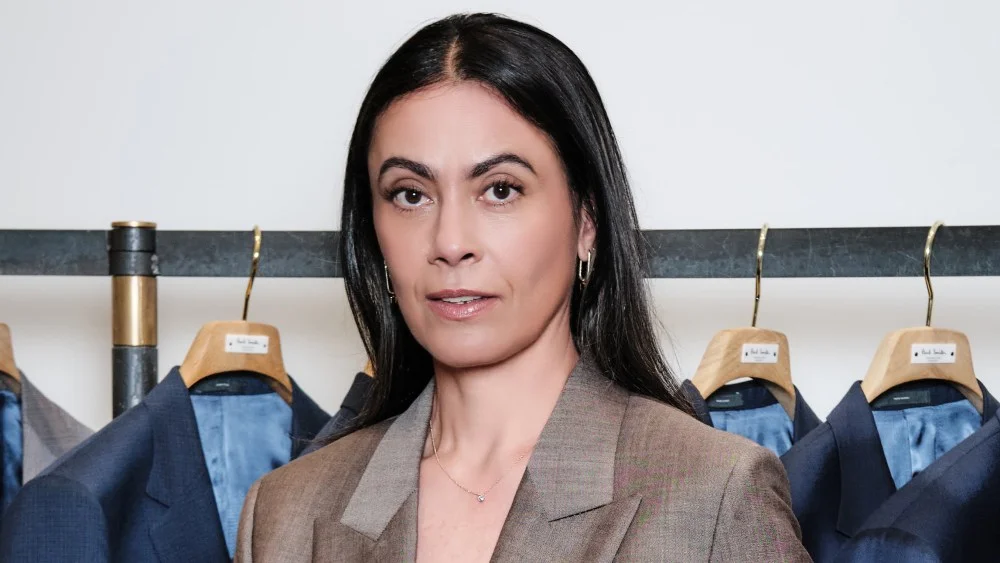
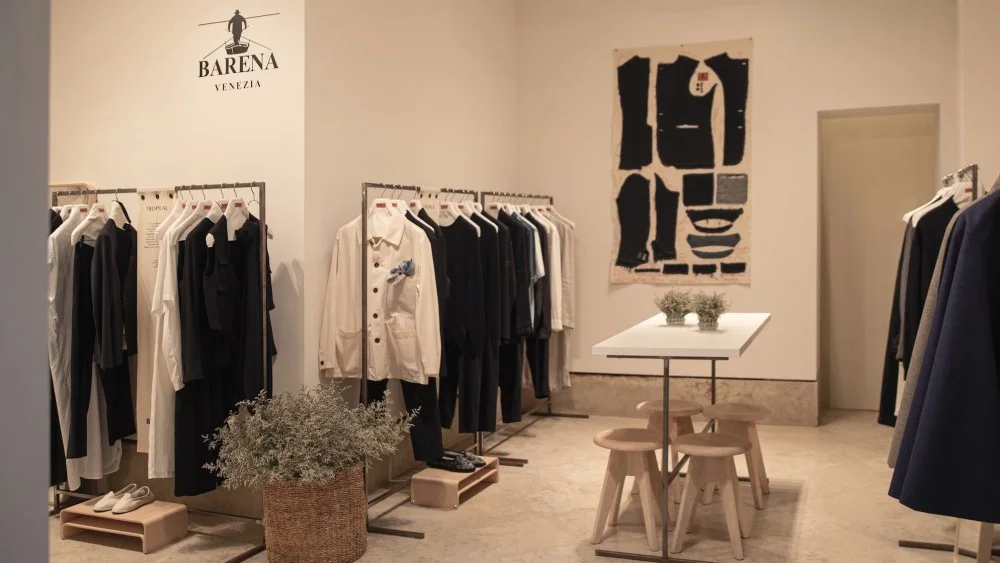
Paris-based Fairly Made is set to launch a New York office, welcoming clients Another Tomorrow and G-III, the parent company of DKNY and Karl Lagerfeld.
Fairly Made's U.S. Ambitions: A New Chapter in Fashion Traceability
Paris-based Fairly Made is making a significant move by entering the U.S. market, driven by an increasing demand for transparency in fashion supply chains. The firm is betting that heightened regulatory scrutiny and ongoing disruptions in supply chains will motivate American brands to invest in traceability technologies. This transition marks a pivotal time for Fairly Made, as it seeks to establish itself within an industry facing mounting pressures from consumers and legislators alike.
The company has appointed Sydney Ellis, a recognized expert in circularity consulting, as its director for North America and will set up an office in New York. Ellis emphasized the urgency for brands to bolster their supply chain security, manage compliance risks, and leverage data for informed decision-making. "In today’s market, visibility into the supply chain isn’t optional; it’s essential for survival," she stated, setting the tone for Fairly Made's vision in the region.
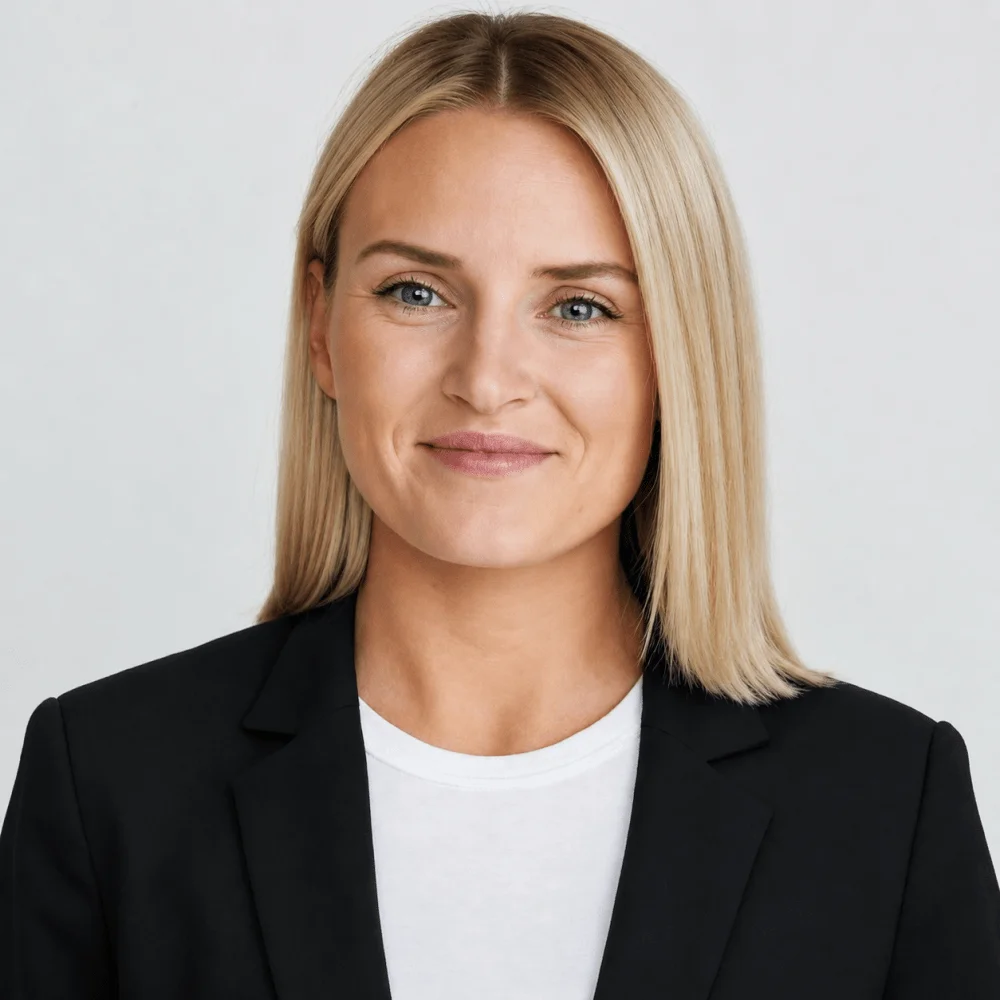
Sydney Ellis. Courtesy of Fairly Made.
Already, Fairly Made is onboard with notable U.S. clients like Another Tomorrow and G-III Apparel Group, which manages over 30 brands, including well-known names such as Calvin Klein and DKNY. This immediate traction underscores the company's methodical approach to establishing a foothold in the American market.
Founded in 2018 by Laure Betsch and Camille Le Gall, Fairly Made has emerged as a leader in the fashion traceability sector. Their platform has empowered luxury brands such as LVMH and Isabel Marant with tools to enhance transparency. As the U.S. fashion sector grapples with intensified scrutiny on tracing supply chains and compliance, especially around forced labor, Fairly Made's expertise is more relevant than ever.
The ongoing regulatory climate in the U.S. is fragmented and evolving. While Europe focuses heavily on environmental regulations, the U.S. is increasingly prioritizing social compliance, particularly surrounding risks linked to forced labor. As Betsch articulated, "The U.S. landscape demands that brands grasp the full spectrum of their supply chain." This shift in focus presents a unique opportunity for Fairly Made’s technology, which aims to convert complex data into actionable insights.
Le Gall elaborated on this difference, noting that while European brands prepare for aggregate regulatory requirements, U.S. organizations face immediate risks from regulations like the Uyghur Forced Labor Prevention Act (UFLPA). This law grants U.S. Customs the authority to halt imports suspected of using forced labor from China's Xinjiang region. "For brands, compliance isn’t just a box to check; it’s a matter of operational viability," she explained.
Such critical compliance pressures are proving to be a catalyst for the adoption of Fairly Made's tools. Some European brands already utilize the platform's capabilities to streamline customs processes, thus minimizing costly delays that could impact profitability.
Looking ahead, Fairly Made’s U.S. strategy mimics its European expansion efforts, which began with organic client engagement before scaling operations. The company aims to double its American clientele over the next year, but not at the expense of genuine partnerships. "Our priority lies in fostering relationships that enhance social and environmental outcomes in the industry," Le Gall reflected.
Through careful planning and strategic alliances, Fairly Made is poised to play a pivotal role in reshaping the U.S. fashion landscape, where transparency and responsible sourcing are becoming the hallmark of brand integrity.
WWD Recommends
With the ever-growing demand for curated content, WWD has rolled out its recommendations for standout stories, providing insights into the latest trends and cultural phenomena. This initiative not only enriches its readership but also positions WWD as a go-to source for the fashion-conscious. Let's take a closer look at what's currently catching the eye of their editorial team.
One prominent piece features the return of Michael Jordan’s iconic “Space Jam” Air Jordans, a release that’s creating a buzz after a decade-long hiatus. This shoe doesn’t just carry nostalgia; it highlights how sneaker culture continues to bridge generational gaps. You can check out the full feature [here](https://wwd.com/footwear-news/sneaker-news/air-jordan-9-retro-space-jam-release-date-hv4794-106-1238948918/).
Another highlight is the revival of La Perla, led by new owner Peter Kern. His insights shed light on the brand's strategy to reclaim its standing in a competitive market. The transformation of established brands is always a noteworthy story, as it reflects broader trends in consumer preferences and business adaptability. You can read more about this revitalization [here](https://wwd.com/fashion-news/intimates/la-perla-innerwear-revival-new-owner-peter-kern-1238938978/).
This selection reflects a keen awareness of both market dynamics and cultural significance. If you're in the fashion space, these stories aren’t merely fluff; they encapsulate the shifting tides of consumer interest and brand loyalty, which are crucial for understanding market trajectories.The recent shake-up in the fashion industry reflects a significant shift in brand affiliations and public perception. With Adidas severing ties with Ye, formerly Kanye West, the ramifications are both immediate and profound. This isn't just another celebrity departure; it’s a clear signal of the growing importance brands are placing on social responsibility amid public scrutiny. As we witness brands navigating intense cultural winds, this swift decision by Adidas marks a pivotal moment—one where reputational management takes center stage.
For industry insiders, this raises a larger conversation about what it means to partner with influential figures. Adidas’ decision came swiftly, suggesting a proactive approach to managing their public image. If you're operating in this space, understanding the balance between celebrity endorsement and societal impact is increasingly paramount. It’s not solely about the runway or sales figures anymore; it’s about aligning brand values with public sentiment.
Looking ahead, we can expect other brands to take notice. They may tighten their vetting processes for collaborations or adopt more transparent practices to safeguard against potential fallout. Expect to see more brands actively engage in dialogues around social issues, making decisions that resonate with their consumer base's values. It won’t be enough to just sell products; brands will need to navigate the complex interplay of consumer expectations and public image.
This moment serves as a reminder: in an age defined by social media and heightened accountability, brands must remain vigilant and responsive. The fallout from associations like Yeezy can quickly ripple into crises if not handled with care. And this, ultimately, will shape how brands align their strategies in an unpredictable climate.