Celebrities
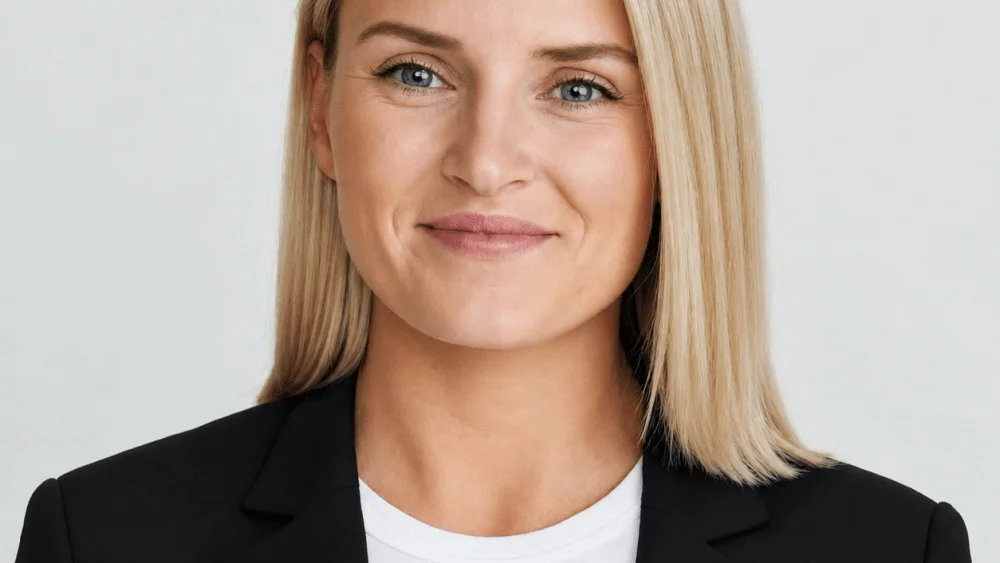
Paul Smith Appoints Zia Zareem-Slade as Managing Director in Landmark Year
Zia Zareem-Slade previously served as CEO of Annoushka and has held senior leadership positions at Fortnum & Mason, Hauser & Wirth, and Selfridges.
Zia Zareem-Slade's Vision for Paul Smith
The recent appointment of Zia Zareem-Slade as managing director of Paul Smith marks a strategic pivot for the renowned British fashion house, reinforcing its commitment to evolving in a challenging retail landscape. This transition comes at a time when brands are increasingly prioritizing digital engagement and customer experience, making her role particularly significant.
Zareem-Slade, previously CEO of the fine jewelry brand Annoushka, is recognized for her impressive track record of driving growth through innovative digital strategies. Under her leadership at Annoushka, the brand successfully expanded its wholesale distribution and enhanced its online presence, essential for any modern retail operation. If you’re immersed in retail or fashion tech, her appointment signals a pronounced shift towards emphasizing e-commerce and customer interactivity at Paul Smith.
Sir Paul Smith himself noted that Zareem-Slade’s fresh perspective is vital for continuing the brand's evolution. He's not just looking for incremental improvements; he wants a transformation fueled by original thinking—something Zareem-Slade has already indicated she's passionate about. In her own words, she lauded Paul Smith as “one of the last truly independent British fashion houses,” hinting at her ambition to both preserve and elevate that legacy while accelerating the brand's digital capabilities and commercial strategies.
Her appointment reflects a thoughtfully executed strategy by Paul Smith's board, which has been bolstering its management team over the past year. This isn't merely about filling a vacancy—it's about recalibrating the organization's approach to meet evolving consumer expectations. Ewan Venters, executive chairman, emphasized Zareem-Slade's mix of commercial, digital, and creative abilities as a crucial asset. Venters himself has a background steeped in retail, having led other prestigious names, ensuring that the leadership duo is well-prepared to navigate future challenges.
As Paul Smith prepares to celebrate its 80th anniversary later this year, the timing seems deliberate. The efforts to revitalize and adapt the brand during this milestone period could very well dictate its next chapter—one that must resonate with a generation increasingly defined by digital interactivity and sustainability in fashion. The outcomes of Zareem-Slade's initiatives will likely set the stage for Paul Smith's journey into the coming decade.Fashion Takes Center Stage
The upcoming 2026 Miami Grand Prix isn’t just a showcase for racing enthusiasts; it’s evolving into a convergence of motorsport and high fashion. Brought to life through the lens of marquee brands, including Oracle Red Bull Racing, the event reflects a growing trend: the blurring of lines between sporting events and fashion showcases. This isn’t merely a side note; it’s indicative of how deeply intertwined these two worlds have become. As brands leverage the event's high visibility to promote their collections, the implications for both industries are significant.
Much like what transpired at the Met Gala, fashion’s influence at sporting events is spotlighted. Designers and labels see these events as ripe venues for marketing strategies, where athletes become their models. The Grand Prix has attracted attention, with not just drivers like Max Verstappen and Lando Norris sporting customized gear, but influencers and celebrities appearing in designer attire that straddles both fashion and functionality.
A New Platform for Exhibitions
Similarly, the “Costume Art” exhibit at the Metropolitan Museum of Art serves as another example of melding art with fashion. This integration highlights the cultural relevance of style — and not just within traditional settings. When clothes are viewed as a form of art, it recontextualizes everything from showmanship to the narrative of the garments themselves. The exhibit invites attendees to explore how fashion intersects with broader cultural dialogues.
This connection explains why high-profile individuals, such as those behind iconic brands, are increasingly keen to participate in exhibitions and other events. They recognize that these platforms provide fertile ground for engaging a diverse audience. But let’s be real: It’s not just public interest driving this trend; there’s also a potent mix of marketing savvy and brand positioning at play.
What does this mean for the fashion industry’s future? If you’re navigating these waters, expect a paradigm shift. Fashion isn’t a fringe element at sporting events anymore; it’s a significant player. As major brands invest in these activations, the reverberations will likely echo across both the fashion and sports landscapes for years to come.Looking Ahead: Fashion's Dynamic Future
As we wrap up this exploration of recent trends and developments in the fashion industry, one glaring insight stands out: the sheer pace of change. The fashion landscape is no longer just about seasonal collections; it's about constant evolution driven by cultural shifts, consumer demand, and technological advances. Designers like Willy Chavarria and LaQuan Smith are propelling this forward not just with their designs, but through narrative—melding personal stories with contemporary themes that resonate on a global scale.
What's more, platforms enabling behind-the-scenes access, like various video segments highlighted in this article, are democratizing fashion commentary. For instance, Chavarria's backstage views provide insights beyond the runway, allowing us to appreciate the thought processes and inspiration behind the clothes. This kind of transparency fosters deeper connections between designers and consumers, which can be a double-edged sword. The expectation for brands to maintain a relatable and authentic persona can be intense.
Then there's the influence of pop culture. Beyoncé, for instance, isn't just a music icon—her impact on fashion cannot be overstated. The recent evaluations of her style choices reveal that pop culture figures are not merely spectators anymore; they are active participants shaping garments and trends. The report card on her 'Renaissance' speaks volumes about how intertwined music and fashion have become.
If you're working within this space, it's essential to recognize that adaptability is key. The industry is rapidly moving from a model where collections were primarily seasonal to one of continuous engagement and fluidity. The concept of a "skin show" for the upcoming spring reflects this transition, showcasing not just garments but personal expression.
Ultimately, if fashion brands want to thrive, they'll need to embrace innovation and authenticity while remaining in tune with their audience. Engaging the consumer's evolving demands will dictate who thrives in this fast-paced sphere. The future of fashion is here, and it's more interactive and interconnected than ever.