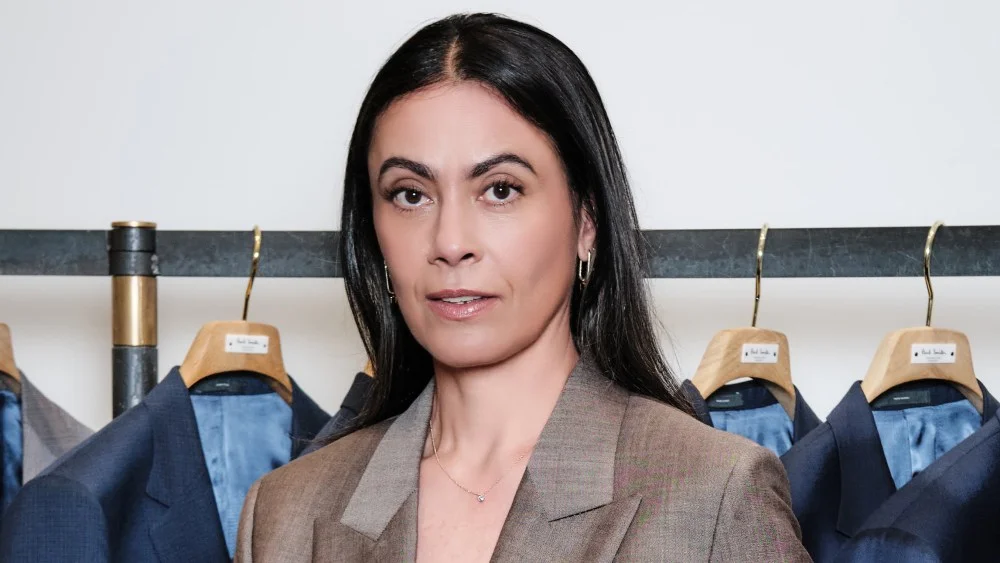
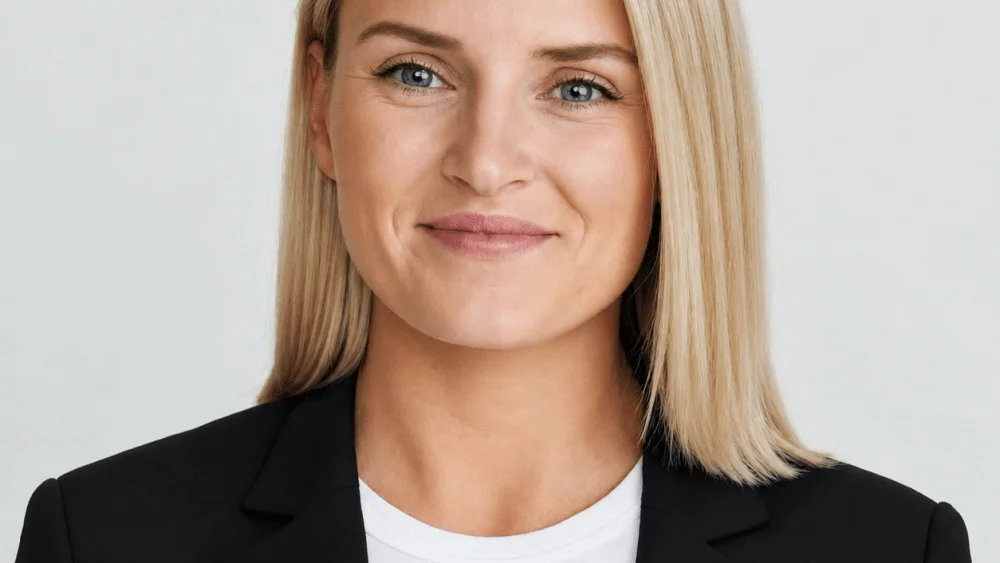
The rising trend of track shorts as a legitimate fashion statement signals a broader cultural shift in how we perceive comfort and style in everyday life. Traditionally relegated to the realm of athletic wear, these shorts are now making their way into casual outings and even office environments, challenging long-standing conventions around what is deemed appropriate for non-exercise contexts. The essence of this trend lies not just in their comfort but in the possibility of creative styling that accommodates both leisure and style without compromising either.
Challenging the Norms of Fashion
With temperatures soaring, the fashion industry appears to be reacting to a collective weariness with restrictive clothing. Track shorts, characterized by their light material, breathability, and casual aesthetic, are being embraced for instances far beyond the gym. Ethan Glenn, founder and creative director of Every Other Thursday, encapsulates the sentiment: “No rules in fashion — especially when it’s 100 degrees out. Wear whatever you want.” This perspective highlights how climate influences style choices, as practicality and comfort increasingly take precedence.
Styling track shorts for more than workouts is likely driven by a desire for flexibility in wardrobe choices. Pairing these shorts with items typically found in formal or semi-formal attire—think oversized blazers, tailored loafers, or trendy boots—transforms their utility and appeal. As Sue Williamson, founder of the activewear brand H-O-R-S-E, puts it, “I think people are getting sick of leggings… they look better for working out and for non-athletic purposes, too.” This shift indicates a notable departure from form-fitting, body-hugging options, opting instead for relaxed fits that prioritize comfort.
The Role of Emerging Brands in This Trend
Unisex appeal is a crucial aspect of this track-short resurgence, with brands like Every Other Thursday and H-O-R-S-E catering to diverse body types and tastes. There's an observable equal interest in these shorts across demographics, reflecting a growing acceptance and demand for versatile, gender-neutral clothing. Glenn emphasizes simplicity, noting, “I think clothes that are simple and easy to wear on any body always do well.” This philosophy resonates in contemporary discussions about fashion inclusivity and body positivity.
Notably, several brands are amplifying the appeal of track shorts by incorporating elevated design elements. For instance, Chan Luu’s taffeta shorts and designs from Sea NY and Mother Denim feature intricate embroidery and embellished patterns that bridge the gap between casualwear and fashion-forward statements. This development raises important questions about consumer preferences in the age of fast fashion, signaling a potential pivot toward more thoughtfully designed pieces that retain the essence of casual comfort.
Where This Trend Might Lead Us
The emergence of styled track shorts can be traced back to influential spaces like wellness studios in New York, such as Sky Ting, where fashion and fitness converge seamlessly. Williamson points out how observing the unique styling choices of fellow practitioners can inspire broader fashion trends. This connection between fitness culture and fashion underscores how lifestyle choices—prioritizing health and well-being—can shape everyday attire.
It’s critical to recognize that this trend reflects more than just a shift in popularity; it highlights an evolving societal mindset where functionality does not have to come at the expense of style. The instinct might be to see track shorts merely as a whimsical trend, but that perspective overlooks a significant cultural evolution toward comfort, versatility, and a distinct rejection of traditional fashion constraints.
What This All Means for Industry Professionals
If you’re working in the fashion or retail space, the rise of track shorts as a stylish choice should encourage a rethinking of inventory strategies. Increasingly, consumers are searching for comfort-driven options in their wardrobes, and this trend is poised to grow. Emphasizing unisex options and offering innovative styles that elevate commonplace athletic wear could capture a larger market share.
For brands entrenched in traditional silhouettes, adapting to these changing preferences will be crucial. This landscape reveals a demand for clothing that prioritizes movement and ease while still appealing to the aesthetic sensitivities of a modern consumer. In other words, if you can marry comfort with flair, you might just be ahead of the curve.
As the conversation about fashion becomes increasingly intertwined with lifestyle choices, keeping an eye on how trends like the stylish track short evolve will likely provide insights into broader consumer desires. It’s not just about staying relevant in the fashion industry; it's about understanding the fundamental changes in how we view and wear clothing. The track short might just be the beginning of redefining comfort in contemporary dress.