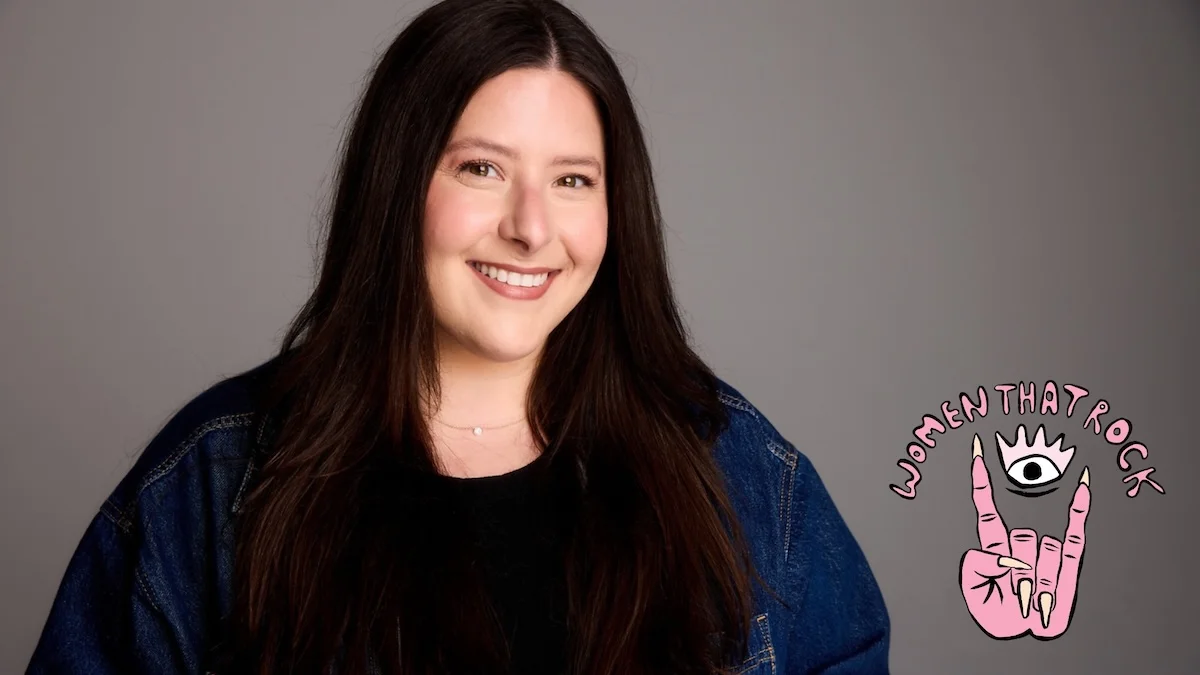
There’s a “girl math” problem in the music industry that Andie Aronow felt no one was solving. “Did you know that women accounted for just 37% of artists on Billboard’s Year-End Hot 100 chart?” she begins, sharing a series of dire stats pulled from the Annenberg Inclusion Initiative steered by the University of Southern California that examines diversity and inclusion in entertainment. “And women represent only 18.9% of songwriters and 5.9% of producers on those same hits. In fact, across 13 years of popular music, more than 93% of charting songs were created without a single woman producer.”
Aronow points this out to rebuff the notion that women artists are dominating right now. While, yes, the Top 40 is inundated with the Taylors, Sabrinas, and Beyonces of the pack, “that’s just the top level,” says Aronow, echoing some of the topical articles she’s recently published on the matter with Hypebot. “Under the surface, the percentages are still pretty abysmal in terms of the market share of opportunities for women.”
More from Spin:
- Jeff Ament’s Pearl Jam Photo Book Digs Beyond The Famous Shots
- Bette Midler Named 2026 Recipient Of Woody Guthrie Prize
- Seth MacFarlane’s American Songbook Obsession Meets The Muppets
These inequities inspired Aronow to create the organization Women That Rock in 2018. It’s what Aronow describes as “a music discovery platform that’s dedicated to amplifying the voices of femme talent in person and through the digital world.”
One part of the business is a thriving online presence that regularly spotlights up-and-coming talents. The other is a concert series largely held throughout the organization’s home base of New York. And for the first time this summer, Women That Rock is headed out on the road with a mini-tour featuring Abby Holliday and Charli Adams that kicks off August 7 in Washington, D.C., and will also hit Brooklyn, Boston, Chicago, and Nashville through August 15.
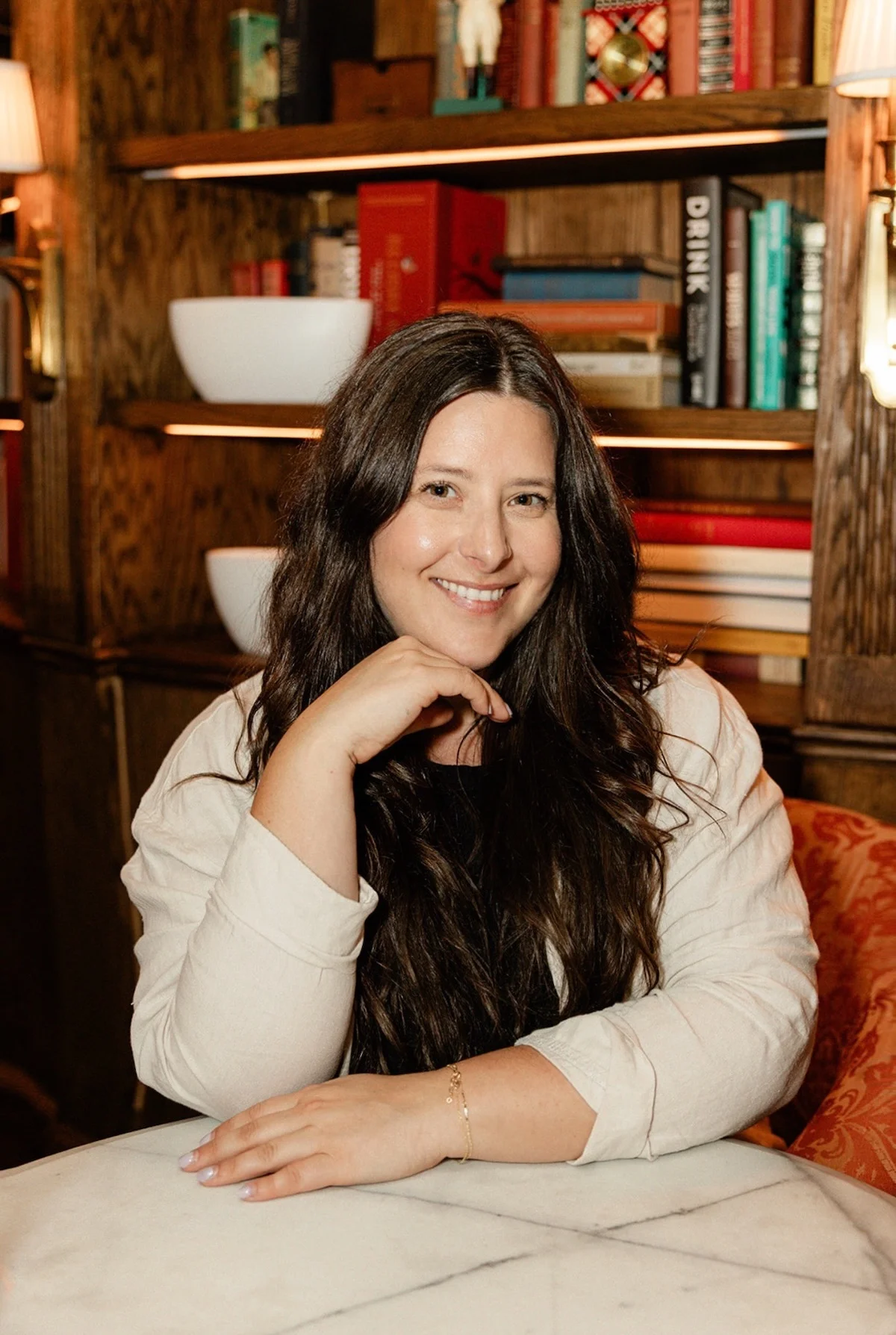
Aronow largely runs operations out of her Brooklyn apartment, in between her day job leading the internship program and working as an adjunct professor at her alma mater, the Clive Davis Institute of Recorded Music at NYU Tisch School of the Arts. “I like to say that Women That Rock was a happy accident that came with the most unconscious preparation that could have been possible,” she says, laughing. Aronow started out as a performer herself, her childhood spent singing popular jingles for Hasbro and Kidz Bop. “I had such an interesting experience as part of SAG and seeing a certain lens of the industry,” she recalls. But attending classes at the Clive Davis Institute is where Aronow says she started switching gears and fostering a deep interest in the music industry.
Upon graduation, Aronow began interning at several high-profile companies including the Recording Academy, Geffen Records, and Mom + Pop Music, followed by gigs in digital marketing, event planning, and music supervision. And in each of these roles, she found that the same scenario kept playing out.
“I found that a lot of artists, in particular female artists, would come to me because of my knowledge and my experience. They wanted advice and support or help with resources,” says Aronow. “Some of them were artists that had managers already, some were fully independent. They would ask me, ‘Can you look over a contract for a small distribution company for a single that I have coming up?’ Or, ‘Would you help me figure out a good strategy for my album release?’ Or, ‘Do you have ideas for how I could book myself shows?’”
Aronow initially thought about going into artist management but soon realized she wanted to help the artist community on a more macro level, and put Women That Rock into motion. “I was dating a punk musician and was very in the scene, and one night I was sitting on her couch and said, ‘What if I just started something of my own?’ I figured, what if I start an Instagram where people can find cool artists, female artists, that I promote,” Aronow recalls, noting she does all the promotion free of charge. “Everyone says to find a gap in the marketplace and find a way to fill it in, and you’ll know when you know you do. And that’s exactly what happened,” she adds. The response to Women That Rock quickly “ballooned” and it soon had thousands of followers—today, it sits at 65,000 on Instagram.
“There were hundreds of messages from women saying, ‘This is amazing. I want to be involved. I want to be featured. How can I help? What do I need to do?” Aronow shares. “And it’s then that I knew I was on to something.”
Below, Aronow shares how she finds artists to feature on Women That Rock and why she wanted to take the show on the road. She also shares some thoughts about how the music industry can take steps to ensure more representation across the board.
How do you find the artists you feature on Women That Rock?
It’s kind of a web. A lot of it is through social media where people submit themselves to us. But there’s also a network of folks I know, a lot of personal references, and meeting people through association. For example, we booked Abby Holliday for a show at Brooklyn Bowl in 2024. I was obsessed with her, and her music has truly gotten me through some difficult parts of my personal life. So, ultimately, I’m a fangirl. That’s one of the fun things about this: I get to interface with artists I really love.
Why was it the right time to expand the live part of the organization into a summer tour?
We are always figuring out what our next moves will be. One of the things we were thinking about was, how can we support independent artists beyond just one show and one lineup? A tour just felt like such a natural fit where we could put our promotional efforts and our resources and connections to task for these artists who are going to tour anyway. Touring is such a vital element for working independent artists who are trying to grow their audiences. And it’s so difficult and unsustainable from a financial perspective, even for big artists. So, I felt there was a real opportunity there to support the artists and also be a connector between artists and brands to help fund it.
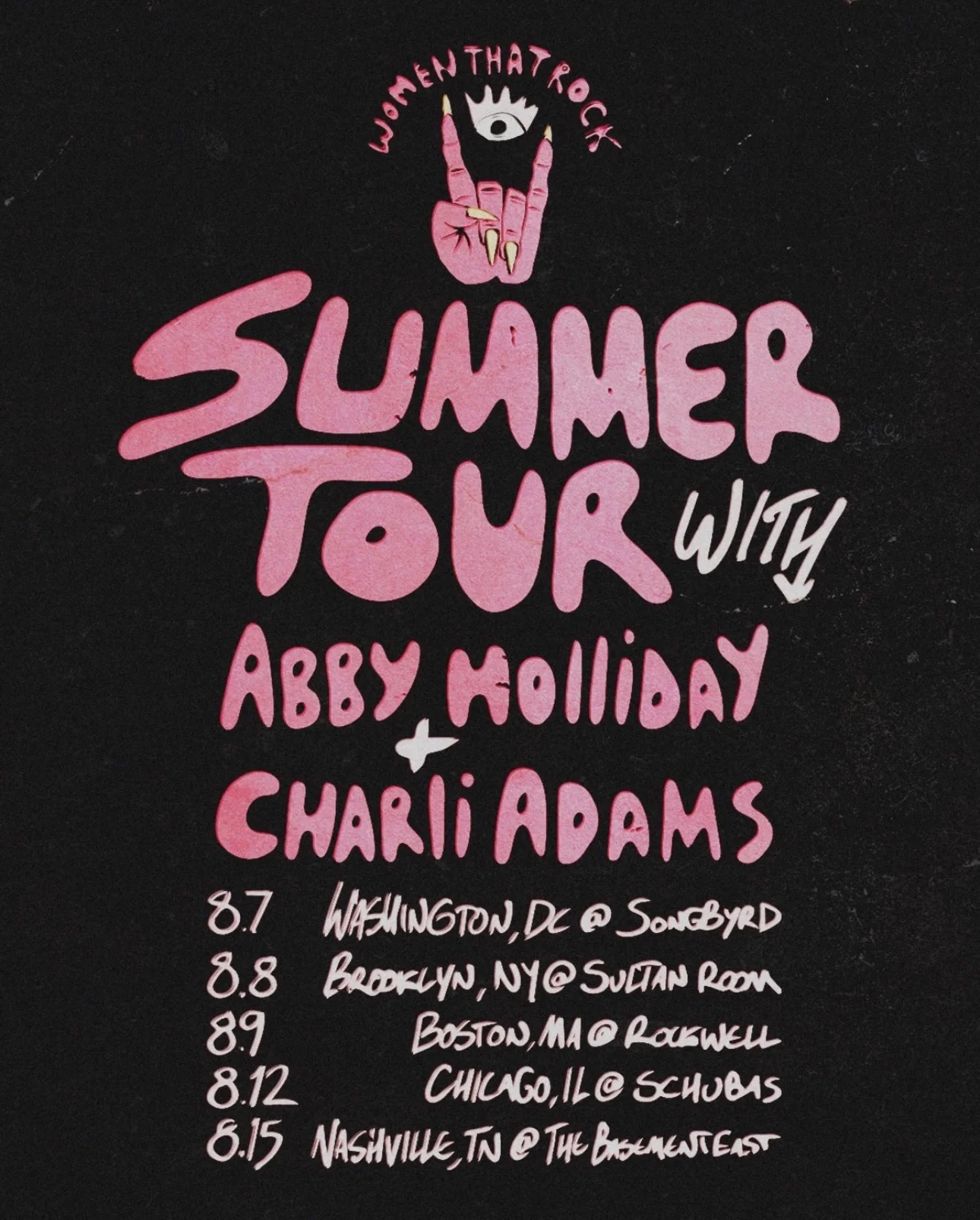
Have there been any challenges in organizing the first tour this summer?
The biggest challenge has been money. With a one-off show at one venue, like we have done in the past, there really aren’t major upfront costs. There’s a ticket split with the venue usually, unless it’s a buyout space. We make money at shows, and we of course pay artists. But the biggest challenge for the tour was getting brands to support us. I have raised a lot in the past for shows, particularly our SXSW shows. One year, I was able to raise $30,000 in a month and a half from a handful of relevant brands. And I naively thought that a tour is such a bigger footprint that would be reaching thousands more people that it was a slam dunk. I reached out to hundreds of brands, and it was mostly no’s, for reasons ranging from “we don’t have the money” to “we can’t give to something that’s not an official nonprofit.” Frankly, I think the current administration and all the striking of DEI initiatives has had a real impact. I also think influencer culture has changed things where brands are wanting to give their money to the folks that they consider influencers to UGC their products. But we do have an incredible sponsor on board, TomboyX. They’re a genderqueer-affirming apparel brand, and they’re amazing.
What are your thoughts on where the industry is right now with representing women and why is an organization like Women That Rock still necessary to help fill the gap?
I think that there is a lot of rhetoric right now around the concept of women dominating at the top level. And that’s true, and that’s great. But while we have a ton of big stars who are making a lot of noise and making the optics seem different, behind the scenes and by the numbers and percentages, it’s still not anywhere near equal. I think it’s even harder for younger developing artists to even get a foot in the door at this point. I often think about when I was a student at CDI. I was entering production classes as a girl who had worked in the music business and who had been a singer and an instrumentalist but had never been behind a board or producing songs. I was entering the same class with guy students who were my peers, who had been producing songs in their bedrooms since they were 10, and they were facile with Pro Tools and Logic and Reason. I didn’t see myself as able to rise to that occasion or to feel like I could fight for space. So, I ended up taking a back seat and ultimately doing all the academic work tied to those projects. I kind of gendered myself. I took on a certain pocket of work that was more traditionally female instead of having the confidence to say, no, I really want to learn this and I’m going to do what it takes to learn it, because I was afraid of being judged or embarrassed. And if that happened to me as a person who had worked in the industry for 15 years at that point, what’s happening to other girls who want to learn how to play bass, who live in Idaho, who don’t even have access to instruments? I think that the value in Women That Rock, as much as I would love to work with the top-tier artists in some capacity at some point, is to be an affirming entity for younger, developing indie artists and help to create opportunities that try to level the playing field. I think there’s a tremendous amount of value in helping the little guy. And maybe eventually we can tap into those bigger artists to help move the needle.
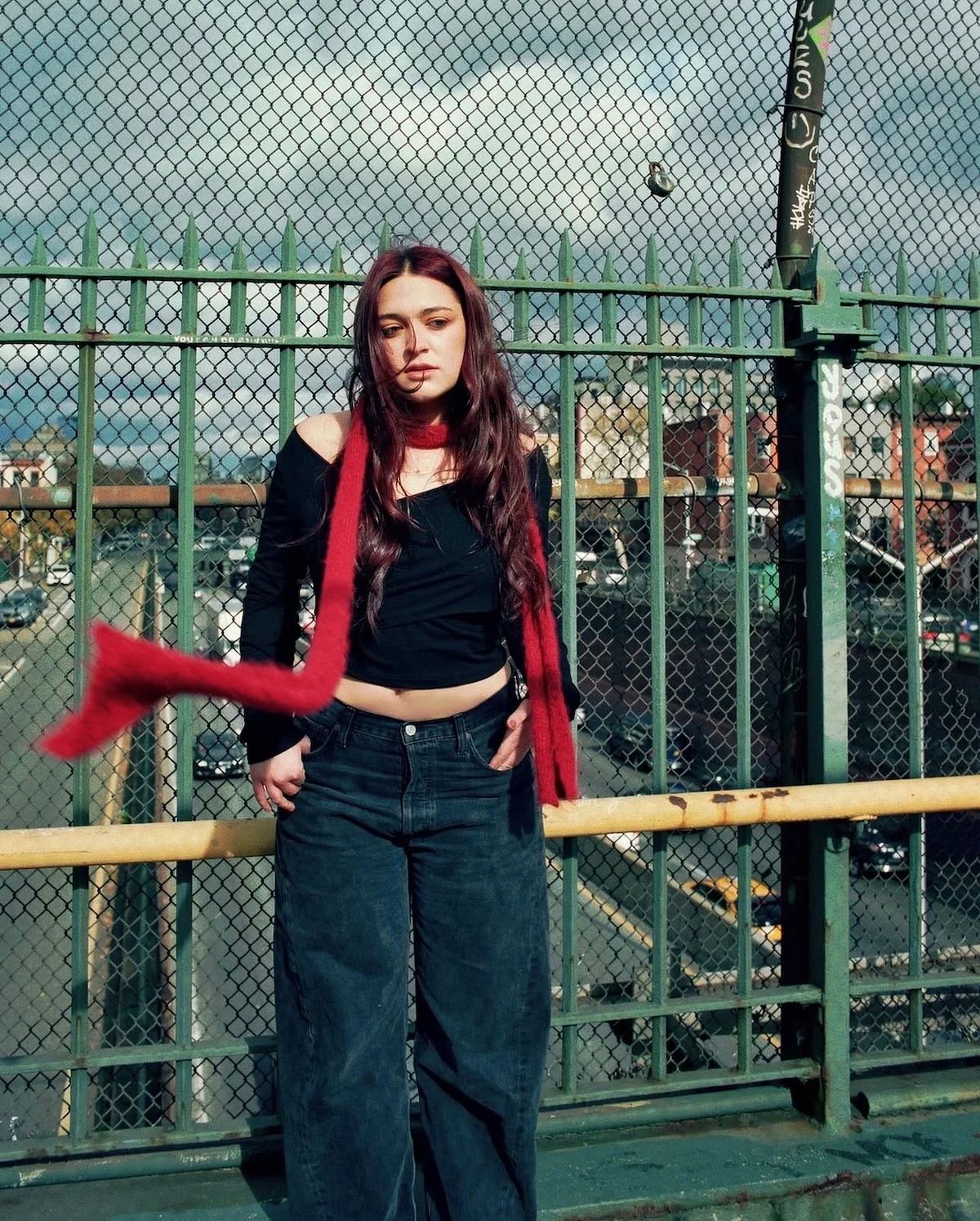
What are your thoughts on seeing things like the all-women Daisy Chain Fields Festival come to life and how that maybe could trickle down and have an impact?
My hope is that they do it right. Olivia Rodrigo doesn’t need more money. But I’m sure her team and all the people who are involved in making the festival happen are concerned about profits and booking people who will fill seats. I hope they can have slots dedicated to emerging artists. I hope that they find a way to pay it forward in addition to just sort of recreating a Lilith Fair concept. Don’t get me wrong, I think there is great space for that, and I’m really curious to see how it all irons out. And one thing I know is it will not be a shit show. If it’s controlled by a bunch of women, nobody’s going to die. Nobody’s getting trampled. It’s not going to be Fyre Fest.
Many women-forward organizations are rightfully changing their nomenclature and their audience to be inclusive of non-binary and trans women, because that’s a whole other subsection that is often more ignored. Can you talk about wanting that representation within Women That Rock too?
I’m a queer woman. I identify as female, she/her. And as a queer woman who lives in New York, I take that inclusion and that intersectionality for granted sometimes. There are so often non-binary folks or trans women or gender non-conforming people that are featured on our channel or on our lineups. Because sitting where I sit, I think that’s part of who my friends are. That’s part of the circle that I live within. But I try as much as possible to use very inclusive, thoughtful language in terms of how we write about and speak about femme-forward artists. I’ll also say that it’s really important to us to be inclusive in other ways too, in terms of racial inclusivity and being mindful of being intersectional across the board in everything we do. We always want to make sure that our lineups are never just all white, straight female girls, either.
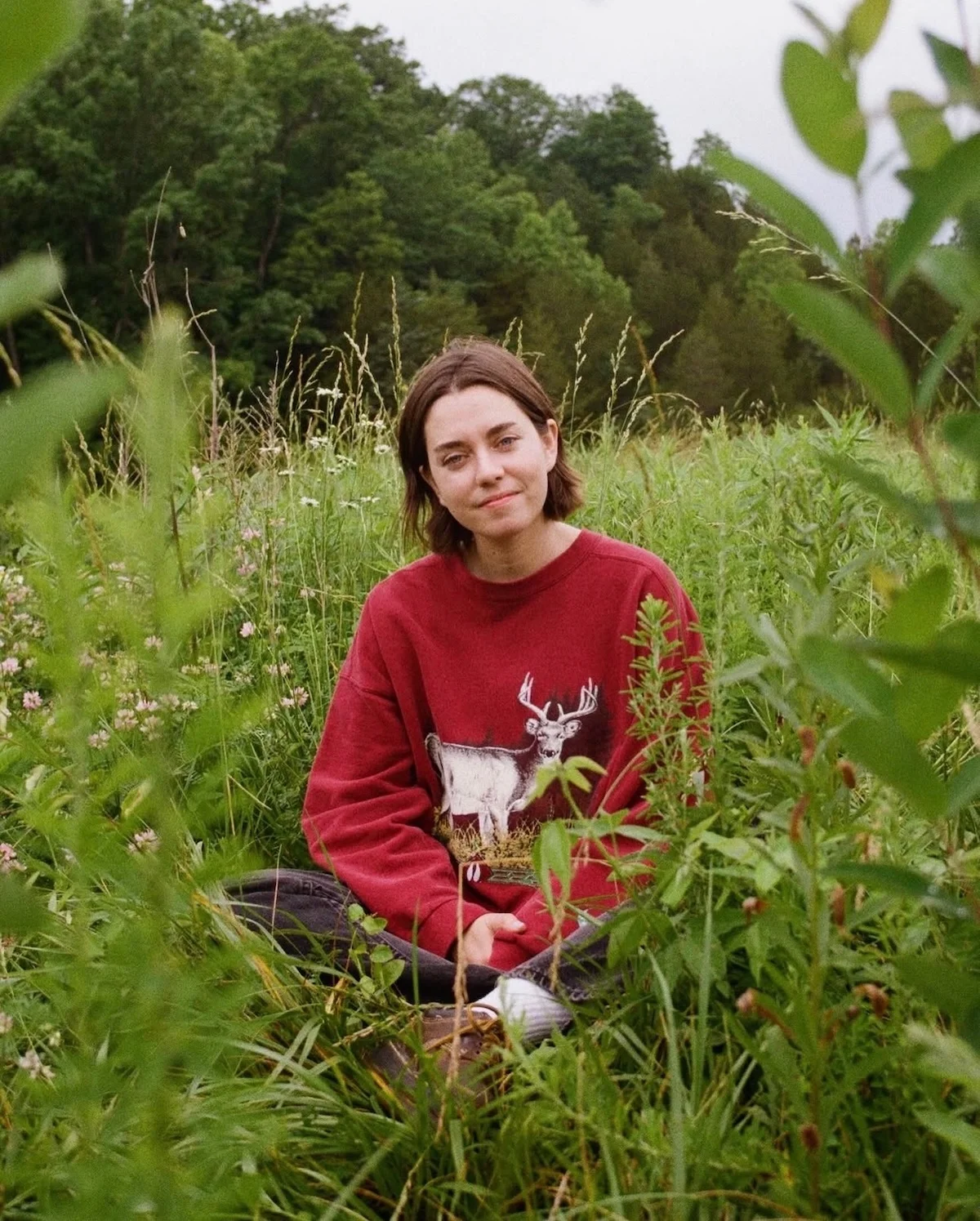
In your opinion, how can the music industry do a better job of ensuring more women have opportunities going forward?
I hate to make it too simple, but really just hire more of us, in all roles across the board. It’s so micro, but the same way that everyone in their home can take actions to be more eco-friendly and switch to greener products or recycle, labels and studios and talent bookers can do the same. Studio owners and leadership should be prioritizing the hiring of, at least equivalently, femme staff, producers, engineers, etc. I also think studios and/or companies in the production realm could have training programs to help specifically femme folks that want to learn to produce. At the label level, similarly, it’s hiring folks that are in the groups that are not as represented. For bookers or independent labels, it’s making sure a certain percentage of the artists that you sign to your roster are POC or WOC or AAPI. And for brands, it’s finding a way to carve out budgets to give to these initiatives that really makes a big difference. It’s hard because there are so many things to prioritize. There are so many issues and so many problems in our world right now. So, it’s easy to kind of sweep it away or just think, well, I’m not in a position of power, so there’s nothing that I could really do. But I think everyone has something that they could do, whether it’s going to a show that’s a female artist and buying a T-shirt. If you’re a cisgendered, straight white man that’s a music fan, you could spread your wings a little bit and listen to more music by marginalized groups or see if there’s a show happening in your area that’s a femme artist that you can go check out. I think there can be accountability on a very micro level.
For anyone interested in being featured on Women That Rock, what is the best way to connect with you?
The best thing is to DM the Women That Rock Instagram account. That’s the easiest way. There’s also our general Women That Rock email address: [email protected]. And if you want to see the tour dates and more information about the shows that are coming up, we have a Linktree in our bio that has all of the show dates and relevant links.
To see our running list of the top 100 greatest rock stars of all time, click here.