
Two minutes and six seconds into my conversation with Marcelo Frota, who goes by the moniker MOMO., we discover an uncanny connection. His 2019 album, I Was Told to Be Quiet, was released on Yellow Racket Records, a local indie label and record store five minutes from my house in Chattanooga, Tennessee, a place I frequent regularly with my 16-year-old son.
“Oh my God,” he says. “That’s a big coincidence.”
More from Spin:
- Jeff Ament’s Pearl Jam Photo Book Digs Beyond The Famous Shots
- Bette Midler Named 2026 Recipient Of Woody Guthrie Prize
- Seth MacFarlane’s American Songbook Obsession Meets The Muppets
MOMO. speaks with a Brazilian accent, but living in London for the past five years seems to have softened it a bit. He wears thick, black-framed glasses, sports a brown beard, dashes of gray in his chin. He keeps his hair short, and is wearing what looks like a black T-shirt, but the way he’s angled on our video call it’s hard to tell as the camera cuts him off right below the shoulders. I can tell by these first couple of minutes that either we have a really great rapport, or he’s simply very polite. I’d wager the former. You can’t fake his level of genuineness.
MOMO., who was born in Brazil and has lived in Angola, the U.S., Spain, Portugal, and now the U.K., is a multi-instrumentalist and singer-songwriter who blends Brazilian music, jazz, and folk to create a colorful, vintage blend of music psychadelia. Many of his songs are instrumentals. Some include vocals spoken in Portuguese, and, on his newest album, Tum Tum Tum, released June 19 on Agogo Records, occasionally in English.
Musicians Davie Bryne and Patti Smith are among his fans.
Twenty years and eight albums into his career, the sonic richness of MOMO.’s most recent effort is shaped by longstanding collaborators like Regis Damasceno (bass) and Caetano Malta (guitar), with U.K. jazz trombonist Rosie Turton. “It’s about playing together until the sound reveals itself—giving the music time to settle and breathe,” he says.
The title, Tum Tum Tum, comes from the idea of continuity and resilience, he says, to keep going long enough for the music to be instinctive.

During the course of his career, MOMO. hasn’t always been known as MOMO. When he released his first album, A Estética do Rabisco, it was under his own name. But, he says, it felt like it had been made by a different artist, a different version of himself. Soon, he felt he needed a new identity.
“I wanted something universal, simple, and light,” he says. “During my search, I came across Momo, a figure associated with Carnival. The album I was making at the time was quite dark, so the name felt like a good counterpoint to the drama and emotional depth of the music. It brought a sense of lightness and playfulness.”
And no, he says, it has nothing to do with this creepy-ass meme.
As I sit on my front porch, my younger son is inside watching TV. “Is he watching soccer?” MOMO. asks. No, I tell him. “Teen Titans Go!” Turns out, MOMO. is a big soccer fan, and we chat a bit about the World Cup, which is about halfway through the tournament as we speak. As an exchange student, he lived in the U.S. in 1996, a senior in high school in Michigan.
“When I arrived in the U.S., I was like, oh, man, I’m just gonna kill it. I got it, you know, as a Brazilian man,” he says. “Those guys, they were running so much and so fast. I played just a few games, and the coach put me on the bench for the whole season.”
MOMO., who was also in choir, had already been in a few punk bands in high school, and realized that perhaps soccer was not for him.
“Especially with Brazil, we speak [about soccer] in almost an anthropological way, the way that people manifest themselves, a place where they can put all their frustrations, and their passion. My sports life didn’t match the musician life.”
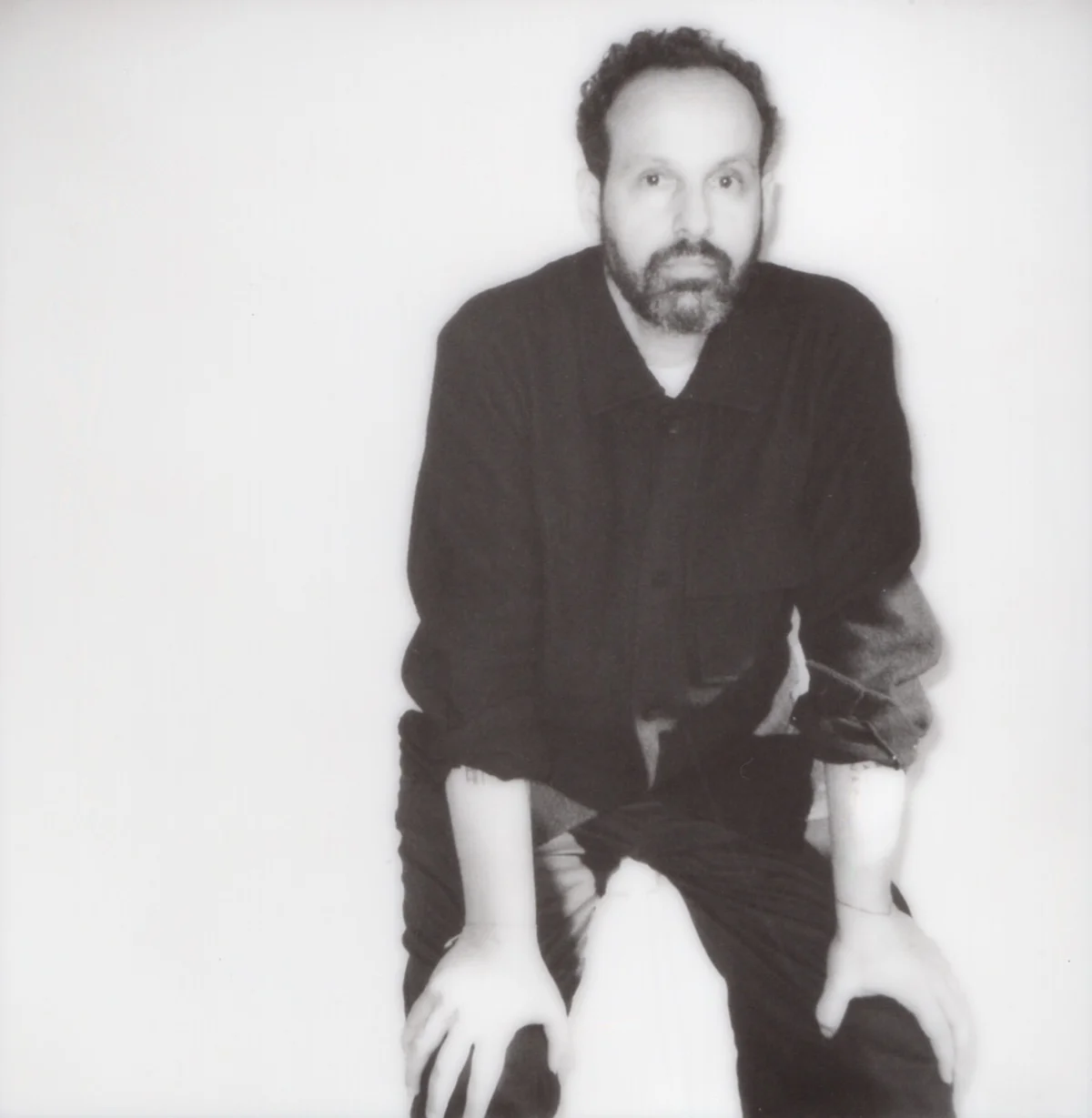
MOMO. was 13 years old when he fell in love with the guitar at his friend’s house, watching his buddy’s older brother play bossanova chords. He began taking guitar lessons, and when he was asked to play “Leãozinho” by Caetano Veloso in front of his teacher, he began to cry because he got so emotional playing it. He never went back to his lessons, and instead taught himself how to play by reading chord diagrams from Hal Leonard instruction books and American guitar magazines like Guitar World. But MOMO. never learned to read music, which is something that scared him as an adult playing with other musicians.
Shortly after he arrived in London, a friend of his—a fellow Brazilian—took MOMO. to the Total Refreshment Centre, a live music venue and recording studio.
“It’s like a kind of a creative hub, but very anarchist,” he says. “It’s not organized, messy in a way. I met lots of people through going to this place. But through this hub, I got in a kind of a scene, an East London jazz scene; at least as much as he would allow himself to. MOMO. admits that it’s always been hard for him to fit in to a particular scene. He mostly works alone, and doesn’t mind it.
There, however, he began playing with Alabaster DePlume, the jazz saxophonist, spoken-word poet, composer, and activist, around Europe. The first show he played with DePlume, MOMO. says, he was intimidated and nervous, not only because of the saxophonist’s accomplished career, but because MOMO.’s guitar wasn’t working properly. “You know, you don’t have to play,” DePlume told him. “If you don’t feel it, you just sing. Sing with your voice.”
After this experience, MOMO. recorded and released his first album in London in 2024, the freeflowing, dance-inducing Gira, a record inspired by jamming with DePlume. But, it was also inspired by the death of his mother and the birth of his daughter three years earlier. The two life-altering events occurred within 10 days of each other, just two months after he moved to London.

His mother, he says, was his best friend. “She was my everything. And she was so supportive of my music and oh my God, she knew all the songs.
She had a little bit of this naivety,” he says. “But I think that’s very important for me, and it makes me who I am. Because when there’s naivety, it makes the dream possible. I really think that we need to dream.”
He dedicated Gira to his mother.
“She was always pushing me…’Why don’t you do pop music, Marcel?’” “You are doing always, like, these sad songs.”
Tum Tum Tum is his pop music album; a tighter record with shorter, more succinct songs, but with singer-songwriter intimacy. MOMO. describes it as “a safe place, like a nice hug.” He says Smoke City’s Nina Miranda, who sings with him on “Canto de Aldeia,” describes his voice on the album as having a “calmness” to it, like “a father’s voice,” which is exactly how I felt when listening to it.
“When I make an album, I’m always targeting this whole buffet of things that I like when I listen to, you know, colors and some kindness, that makes me love and want to be with that album in a way. Cynicism and humor and art for me, it’s a combination that really puts me off. And in this sense, I’m more like a romantic.”
He asks me what I think about the new album because he mentions that in a recent interview, he was asked what he expects listeners to get from the record. I tell him that not only was it beautiful, but it was very peaceful, like a wave of security washed over me.
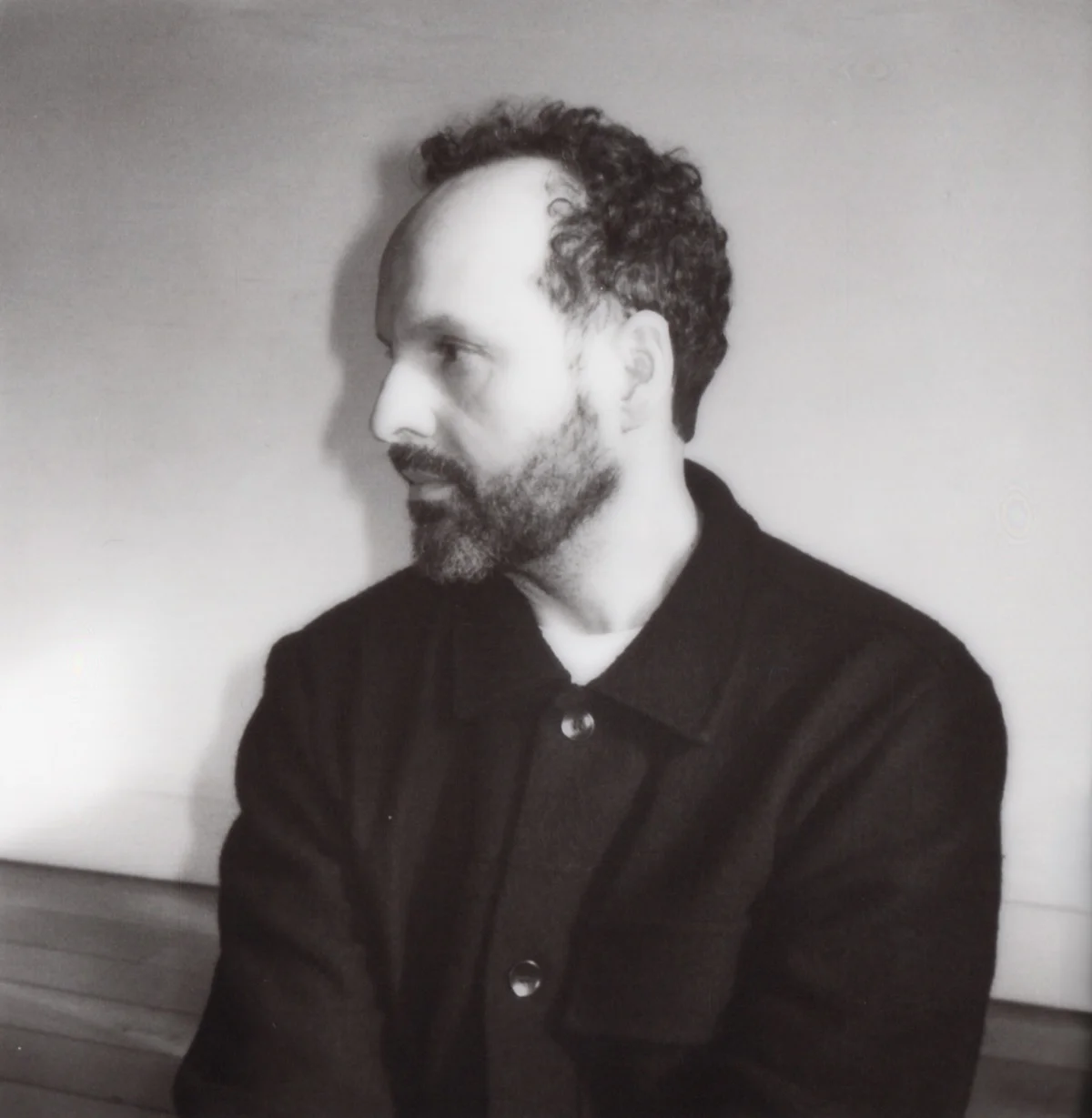
“It sounds like you brought a lot of your mom into this album,” I tell him.
“That’s right,” he says. “I haven’t thought about that. “Maybe I’m bringing her energy…she was so smiling, so positive and so full of love…to this album.”
Since the death of his mother and the birth of his daughter, MOMO. says he realizes that the kind of music he writes now is less about himself, and more about what he can do for others.
“It’s like, I think I got something that might be special and resonate with you.”
Whether it was conscious or not, MOMO. brought the memories of his mother, and the love he has for his daughter, into this album. And now, he wants to share all of it with you.
MOMO.’s fourth album, Cadafalso, will be re-released in a special 14th anniversary reissue in February 2027, newly remastered on vinyl.
To see our running list of the top 100 greatest rock stars of all time, click here.