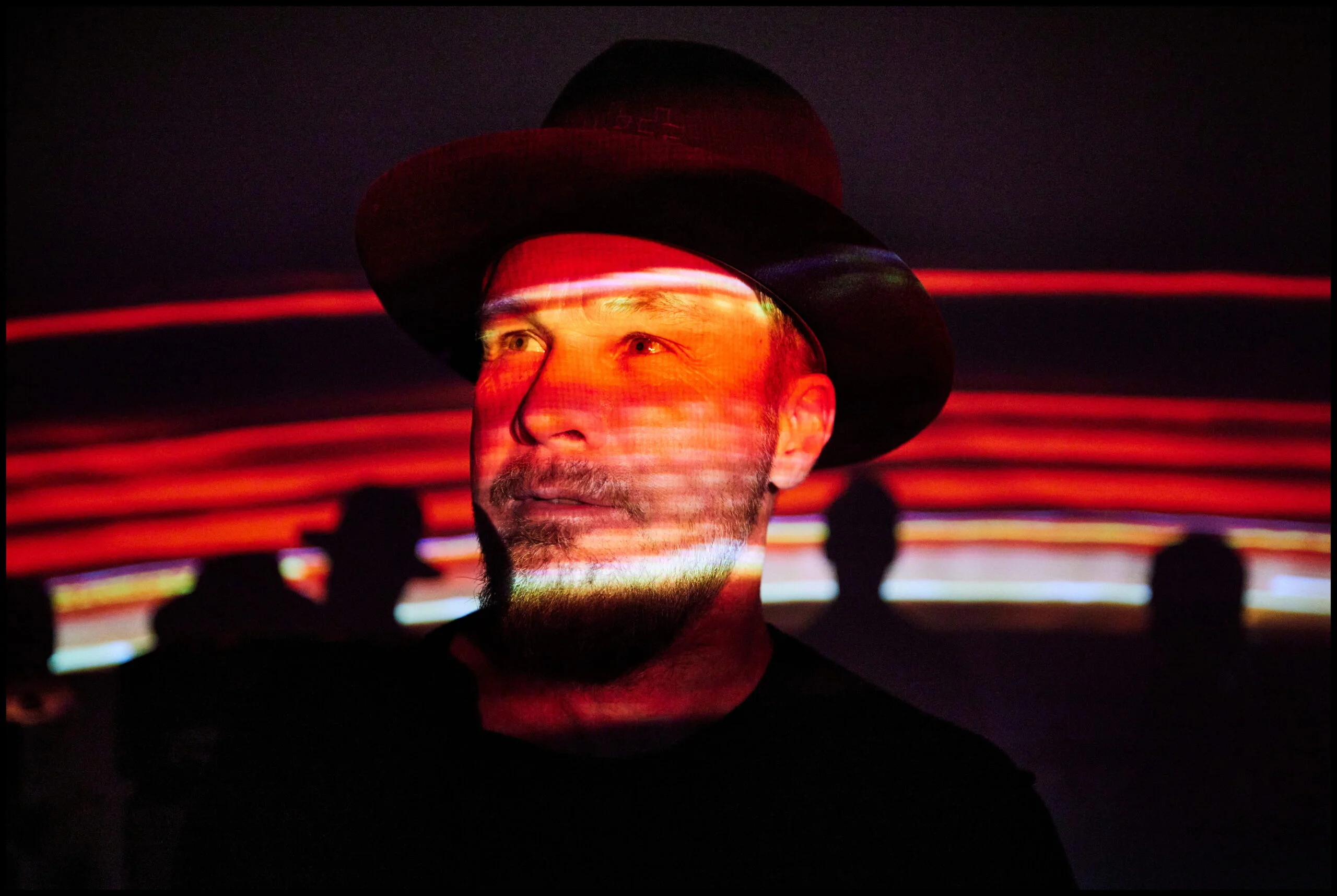
Migration as a Spiritual Journey: PW Talks with Steven Charleston
At a time when immigration is a fraught political issue, Indigenous elder Steven Charleston, a member of the Choctaw Nation, wants to change the conversation. In keeping with his people’s ancient traditions, he considers another kind of migration—embarking on spiritual journeys. In two forthcoming books published by Broadleaf—Sacred Migration: An Indigenous Elder's Vision for Our Future (Oct.), and Sacred Steps: An Indigenous Elder's Meditations for Our Moment (Jan.)—he guides readers to embark on paths towards healing both themselves and the world around them.
PW talked with Charleston about why he found it urgent to address the spiritual dimensions of migration.
Why did you do two books?
Sacred Migration is about the vision and the ideas I had for our future, and what we can do to change our reality. It's telling that story through the metaphor of migration, because migration is an ancient and formative experience of human beings. It's what made us human. Sacred Steps is a companion book that gives practical information on how to make your own migration.
What moved you to write these now?
Because I'm a citizen in uncertain times. People are frightened. When I was just living in this environment, like most people are today, watching my prices going up, watching things happening in the world around me, watching wars flare up and continue, I felt like there's nothing that I can do; I'm just one person trapped in this history. But I realized that, as a spiritual person, that's not true. I am not helpless. I have authority. I have something I can do. What made me want to write these books now was to explore that, for people who are having the problems—the fear of the reality we live in—which I share.
You speak in both books about four essential elements for a spiritual migration. Can you describe them?
Perception is the first key. The Creator gave all the creatures of the Earth a different gift. Ours, as human beings, is the ability to not only see what is now, but what is coming to be. The second is imagination—that reaching out into the future to make concrete change happen. Humility, third, is where we have a chance to grow and to transform. If we think we know all the answers to all the questions, and don't need anybody else, then we shut ourselves off from everything we could have learned if we had not assumed that we are the most important creature on the planet. Kindness is fourth, because each one of us has an important role we can play, including by an approach that is embodying peace—a sense that whoever you meet, whatever their background, you will try and show them kindness.
Tell us your own spiritual migration to become Alaska's Episcopal bishop.
When I was four, my great-grandfather told me that my destiny would be to try and help people find their spiritual life. During adolescence, when I was able to drive myself around, I began to learn about different spiritual traditions and meet the people for whom they were important. I thought that I needed to find a place where I felt I belonged, distinct from the spiritual home I had in my Choctaw tradition. When I went to a little one-room Episcopal mission, I had all kinds of questions and demanded answers. The priest there said to me, "I don't know if I'll be able to answer, or if we will be able to answer, all of your questions. All we can do here in the Episcopal Church is to say, we will stay with you as we search for those answers together." I was hooked. I thought that was an intelligent response. We're all human. We all need an answer. Let's help each other find it.