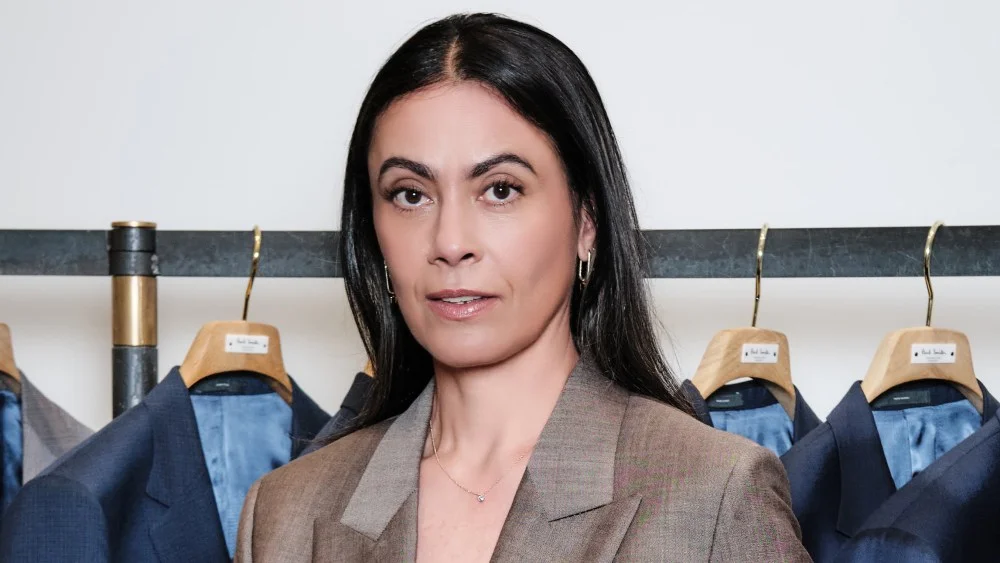
Monica Ferrell’s latest poetry collection, The Future, emerges as a profound reflection on contemporary existence, threading together past archetypes, present concerns filtered through technology, and a tangible sense of mortality. This convergence invites readers to contemplate how our current realities shape not just personal narratives but collective futures. The book is a testament to an evolving literary voice grounded in the now while never losing sight of the legacies that influence it. For industry professionals and literary enthusiasts alike, Ferrell’s work serves as both an artistic endeavor and an urgent commentary on how we relate to each other and to the world.
Shifting Landscapes: A Move from Urban to Rural
Historically, Ferrell's poetry has navigated the complexities of urbanity, with her earlier works often rooted in the bustling backdrop of Brooklyn. However, the pandemic catalyzed a significant transition for her — a relocation to Vermont, which heavily influences The Future. In her words, “the most exciting thing was planning dinner or having a package delivered,” illustrating how the constraints of lockdown transformed mundane domestic life into the very fabric of creativity.
The rural setting allows Ferrell to delve into a relationship with nature and silence that urban environments often drown out. A striking line from her book encapsulates this: “There are no volcanoes,” a metaphorical juxtaposition that asserts the absence of dramatic external chaos, compelling the writer to confront internal struggles and familial responsibilities. This introspection evokes a broader conversation about how geography informs artistic perspectives—an area often neglected in literary discussions.
The Influence of Technology: Balance and Disruption
Ferrell acknowledges the dual role of technology in her writing process. While her prior works emerged from handwritten drafts, she has increasingly embraced digital mediums, reflecting on how these platforms can both enhance and disrupt creative flow. The transition is not merely practical; it's philosophical. Writing on screens offers the flexibility to rearrange stanzas instantly—a capability Ferrell appreciates for its role in formal experimentation. Yet, it brings with it an intrusion of everyday distractions that make her yearn for the simplicity of pen and paper in her fiction pursuits. This highlights a broader dilemma in an age where digital enagement often overwhelms our focus; how do we retain creativity in a world rife with constant digital noise?
Exploring Legacies: Feminine Voices and Prehistoric Roots
One of the most compelling threads in The Future is its engagement with historical and mythical figures, particularly female ones. Ferrell draws connections to motherhood and the complexities of raising children in a world burdened with existential anxieties. For instance, her poem “The Life of Mary” is a meditation not only on Mary, mother of Christ, but also on her own experiences of motherhood, imbued with both sacredness and societal pressure. The insights gained through this exploration urge a reconsideration of how women’s narratives have been historically marginalized or reinterpreted in ways that diminish their power. This thematic focus aligns with contemporary feminist discourse, yet Ferrell brings a fresh lens by incorporating prehistoric perspectives on fertility and community.
Language as a Tool for Tomorrow
Language is another key component in Ferrell's exploration of futurity. The notion that children will inevitably work to redefine experiences and invent terminologies for unprecedented challenges infuses the collection with both hope and anxiety. “To greet this revelation of a future / With those new names it will need,” she writes, encapsulating the weight of responsibility that accompanies parenthood. Here, readers encounter the poignant recognition of mortality, rendered more tangible as her children approach a world facing climate catastrophes and sociopolitical upheavals. This sentiment powerfully resonates with an audience concerned about the legacies we leave behind, especially in the context of rising global crises.
Everyday Absurdity: The Intersection of the Mundane and the Epic
Ferrell’s poems also confront the absurdities of daily life within a socio-political framework, particularly in her portrayal of supermarkets as microcosms of societal values. Faced with the overwhelming presence of plastic and consumerism—a stark departure from the primal urgency of ancient communal survival—she juxtaposes these experiences with historical narratives that have shaped human existence. This subtle critique of modernity invites readers to reflect upon their consumptive behaviors and the pressing environmental implications, blurring the lines between personal choice and collective consequence.
Conclusion: A Call for Reflection and Active Engagement
Monica Ferrell's The Future serves as a multifaceted commentary on life in a contemporary context, weaving together the threads of historical allegory, personal evolution, and social critique. For those working within literary circles or interested in the intersections of environment, technology, and identity, her latest collection is not merely a book of poetry; it’s a vital artifact of our time, challenging readers to reflect on what we inherit, nurture, and ultimately pass on. Ferrell invites us to engage actively with the discourse around our futures. As we navigate the complexities of modern existence, her work compels us to ask: How can our narratives shape not just our personal stories, but the broader tapestry of human experience? This call to reflection and reevaluation positions Ferrell’s poetry as essential reading for anyone invested in understanding the nuances of today's world.