Fashion As An Art Form: A New Perspective on the Human Body
The recent unveiling of the Costume Art exhibit at the Metropolitan Museum of Art's Costume Institute pushes the boundaries of how we perceive fashion—not merely as adornment, but as a profound medium for exploring identity and humanity. Curator Andrew Bolton articulates this shift clearly, stating, “Clothing is never neutral. It mediates between the self and the world...” This exhibit firmly places fashion alongside, rather than behind, traditional forms of art. It demands viewers to engage with garments as narrative devices that shape our understanding of history and cultural identity.
A Scholarly Look at the Dressed Body
The exhibit spans a substantial new gallery space of nearly 12,000 square feet, segmented into two principal areas: “Diversity in Bodily Being” and “Bodily Being in Its Universality.” Bolton emphasizes the significance of these divisions, arguing they facilitate a deeper inquiry into how varied bodies have been represented—or misrepresented—through clothing.
Within the first section, “Diversity in Bodily Being,” subsections such as “Reclaimed Body” and “Disabled Body” take center stage. Here, the exhibit doesn't just display but challenges historical perceptions of the human form, spotlighting marginalized identities. For instance, garments reflecting non-normative body types invite attendees to rethink the aesthetics traditionally exemplified in high fashion.
Key Subsections to Explore
Upon entering the exhibit, attendees are greeted by the “Naked & Nude Body” section, which uses transparent and skin-toned clothing to question the barriers between the body and fabric. The juxtaposition of fashion and the classical human form naturally leads viewers into the “Classical Body” section, showcasing Grecian-inspired pieces from luminary designers like Madame Grès. This connection demonstrates how dress serves as an interpretive lens for classical art.
“Abstract Body” delves into the historical significance of structural garments, like corsets and bustles, positing that such designs do more than enhance form; they actively shape it, which leads us to ponder the influence of clothing on self-perception and societal expectations.
Confronting the Norms of Beauty
In the “Reclaimed Body” subsection, clothing characterized by distorted silhouettes challenges conventional standards of beauty and encourages a celebration of diversity in body types. The irony isn't lost here—the fashion industry has, at various times, regressed in its own body-positivity efforts, yet the exhibit bravely confronts these issues, showing works by designers like Karoline Vitto and Di Petsa, who actively engage with these themes.
Additionally, sections focused on the “Pregnant Body,” “Disabled Body,” and “Corpulent Body” bring visibility to identities often marginalized in fashion narratives. The display of various mannequins representing these bodies is both a statement of inclusivity and a critique of the industry’s slow progress towards broadening its representation.
Examining the Universality of the Human Experience
The other primary section, “Bodily Being in Its Universality,” encapsulates the anatomical essence of humanity. By highlighting the human form in its literal context, these subsections examine anatomy through artistic expression. For instance, the “Inscribed Body” showcases garments featuring tattoo motifs, while the “Vital Body” centers around garments that reflect bodily structures, bringing attention to how deeply interconnected art and anatomy are.
Standout pieces, like a Thom Browne dress with intricately embroidered biological structures, provoke questions about our embodied experiences in relation to identity and mortality. The “Aging Body” section resonates with viewers who have experienced the shifts in their own bodies over time, illustrated poignantly by a piece from Batsheva called the “Hag” sweater.
More Than Aesthetic: Revealing The Human Condition
Bolton’s assertion that “to study fashion is to study ourselves” encapsulates the intent behind “Costume Art.” It’s not merely about the artistic value of clothing; it’s about the narratives woven through fabric that define and continuously redefine individual and collective identity. This exhibit is a call to engage with fashion as a serious form of cultural dialogue, underscoring that clothing shapes and is shaped by the histories and identities of those who wear it.
As the "Costume Art" exhibit opens its doors from May 10, 2026, through January 10, 2027, it prompts art lovers, fashion enthusiasts, and industry professionals alike to reconsider their relationship with clothing, ultimately questioning the boundaries between art, identity, and human experience.
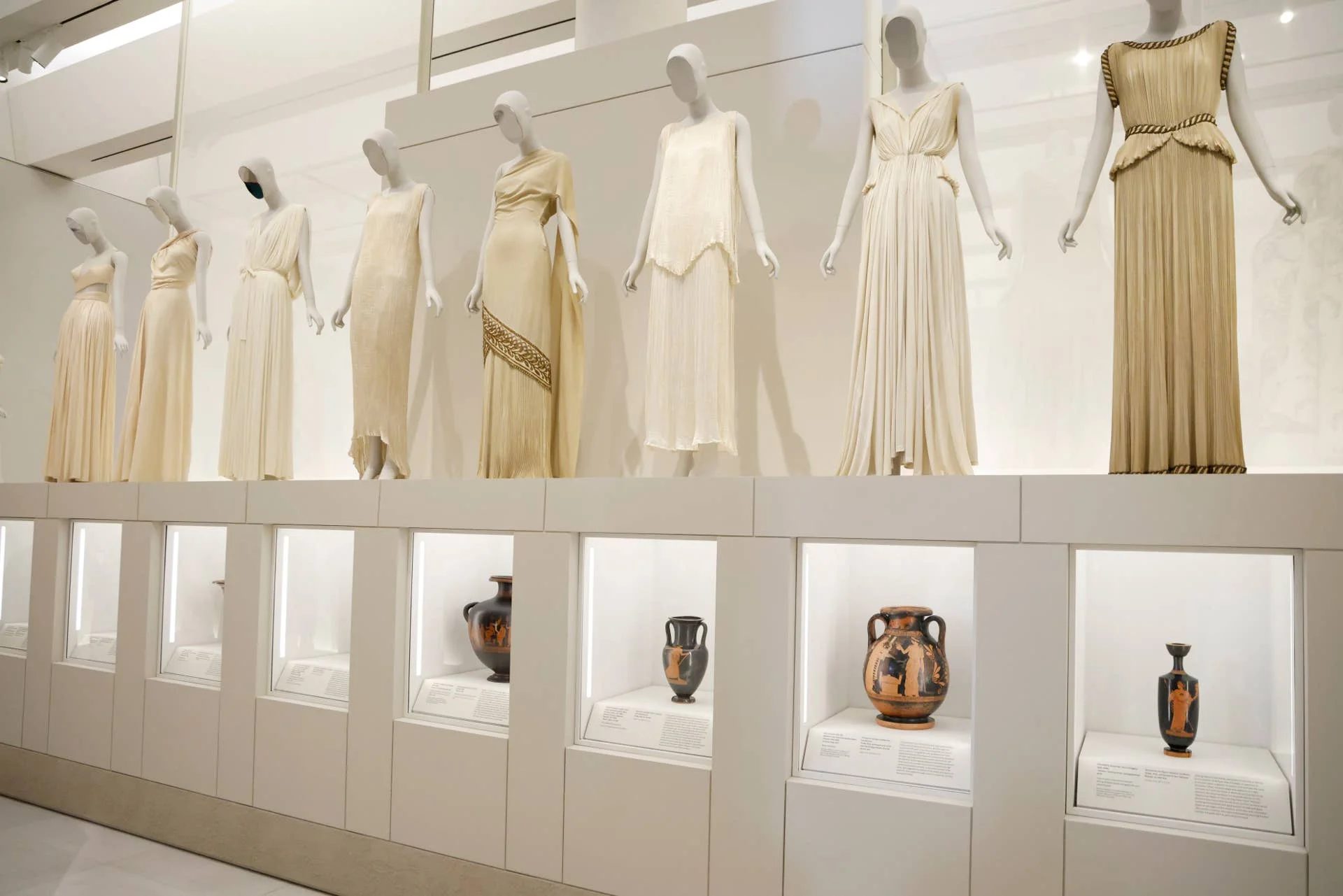
Photo: Taylor Hill/WireImage
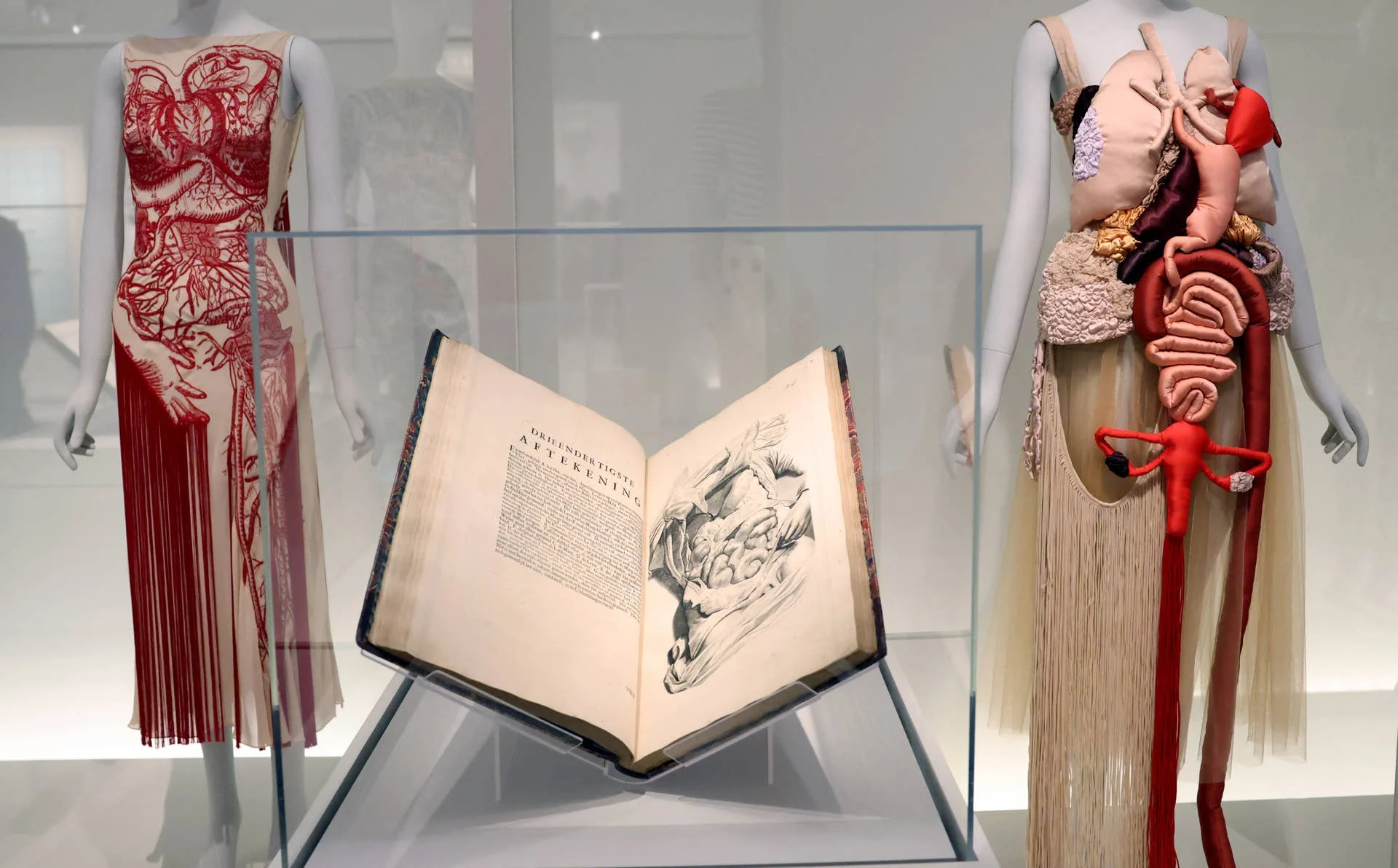
Photo: Timothy A. Clary/AFP via Getty Images
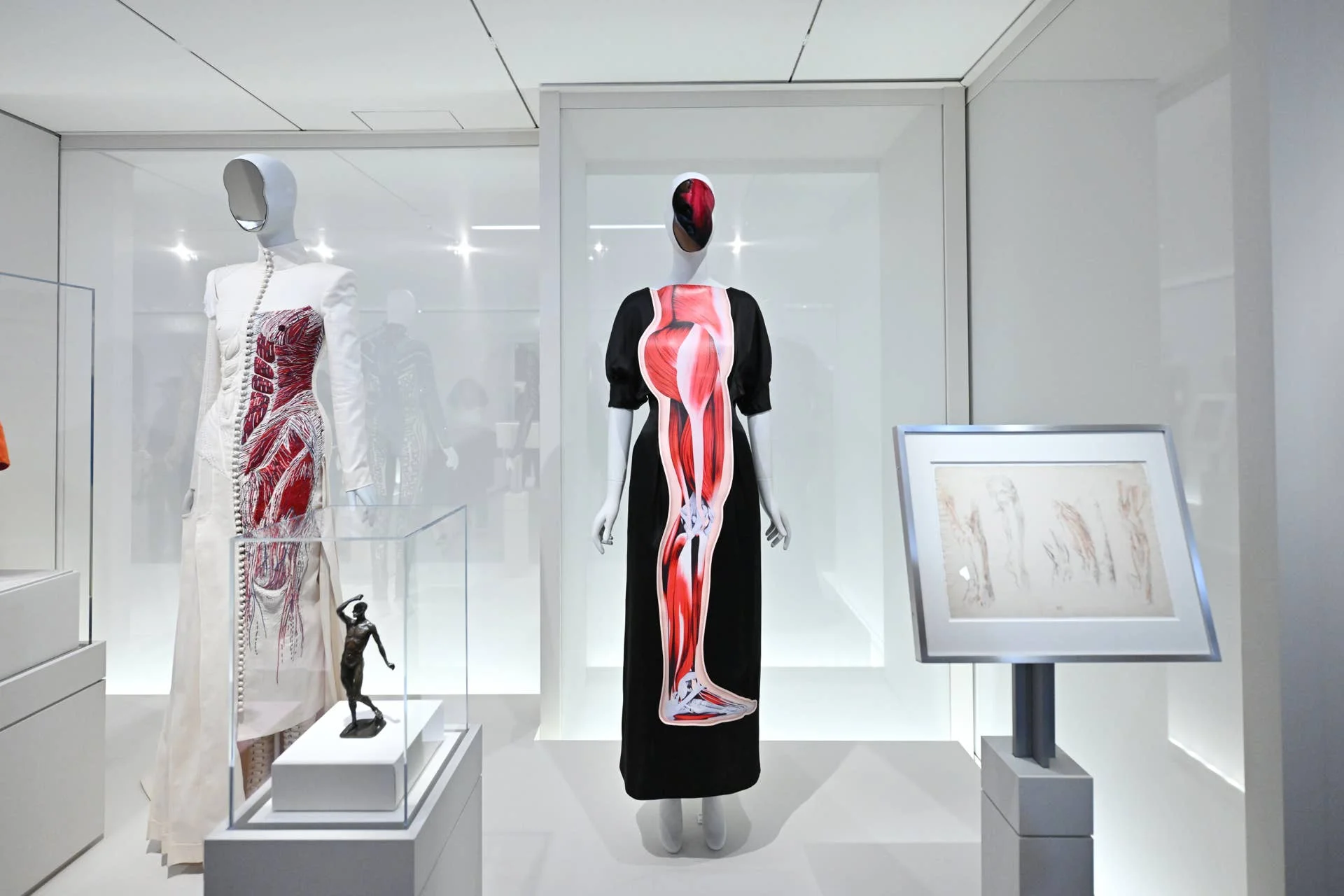
Photo: Roy Rochlin/Getty Images