On a warm August evening, a long line of dressed-up young people wait patiently outside Los Angeles’ historic Pico Union Project. Everything about the scene feels incongruous. The beautiful brick building, with its white columns and classic stained-glass windows, seems transported from somewhere else, surrounded as it is by a neighborhood that is otherwise dark, deserted, and not entirely safe. The “PUP,” as it’s affectionately known, is housed in the oldest synagogue in the city and bills itself as a “multi-faith cultural arts center that strives to invigorate the community of Los Angeles through song, story, art and activism.”
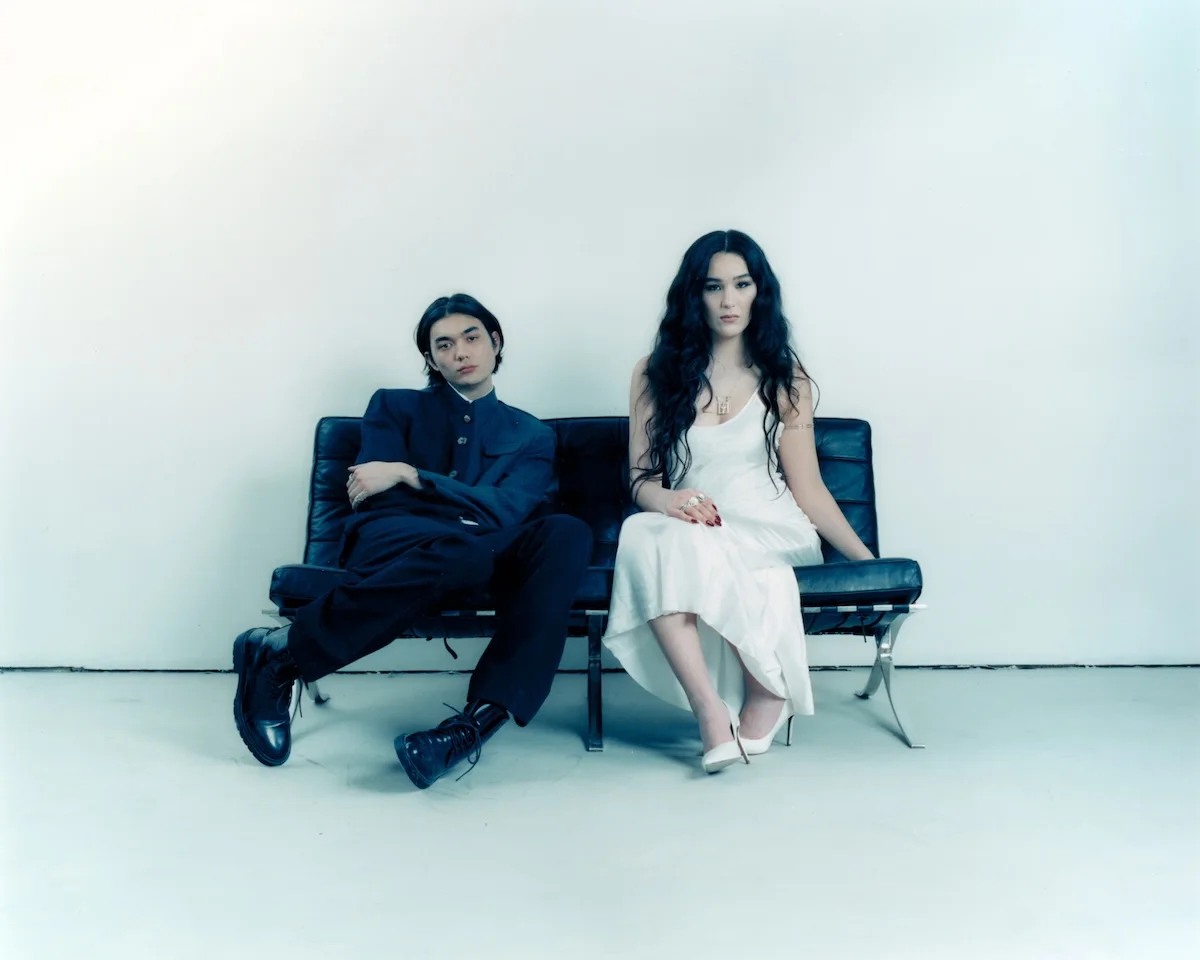
Tonight, it’s hosting English brother-sister duo Wasia Project, who slotted this underplay into their calendar while they were in the U.S. for Lollapalooza 2025. Which is why these sweet kids, dressed like Victorian manga characters, are here: to worship at the altar, so to speak, of Wasia Project’s Olivia Hardy and William Gao.
More from Spin:
- Pearl Jam Welcomes Billy Strings At Ohana
- VMAs: Madonna Rules, Taylor Makes History, Nirvana Gets Its Due
- Stevie Wonder Unearths Four ‘Key Of Life’ Rarities
Inside, the intimate space is all exposed beams, a peaked ceiling, and warm wood floors and accents. The audience files in quietly, takes their seats, and applauds with almost formal restraint when Olivia and William emerge. Then the duo begins, and everyone leans forward, rapt, hands clasped loosely in front of them, mouthing every word. A few are already teary-eyed. Their devotion becomes part of the performance, amplifying the effect of Wasia Project’s stripped-down delivery, which is all the more affecting for its lack of adornment.
“They’re a very wholesome fan base,” says Olivia almost exactly a year later. “We’ve all grown up together. It feels like they’re on par with our life experiences. It’s lovely to see their faces be like that, especially in those intimate shows, you can really look and connect.”
They’re in a generic room at their record label in London, peering into a phone screen. They look like they could be students at my high school, and I have the same protective feeling toward them. Olivia, 21, is close to the camera; William sits further back and looks more than two years older than his sister. She does most of the talking, and he lets her hold forth, listening intently. There’s a maturity to them that belies their youthful appearance, perhaps unsurprising given William’s experience as an actor. He plays Tao Xu, one of the main characters on Netflix’s popular series Heartstopper, alongside his work with Wasia Project.
They started Wasia Project, a portmanteau referencing their white and Asian heritage, while they were still in high school. They released two EPs, How Can I Pretend in 2022 and Isotope in 2024. In May of that year, they performed at Los Angeles’s famed Troubadour to an audience that knew their songs inside and out. Less than six months later, they headlined the Fonda Theatre, with three times the capacity to an even more fervent fan base.
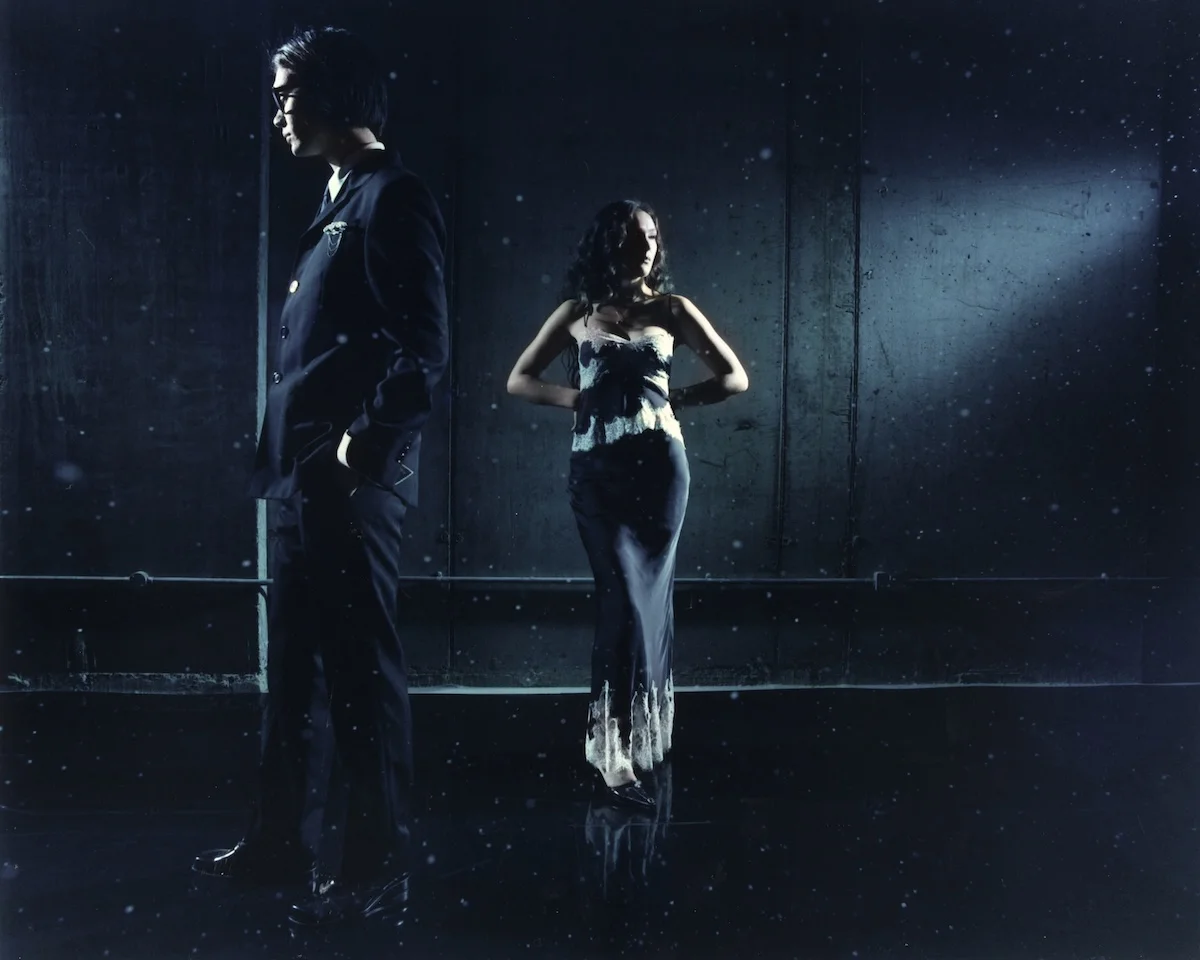
This may explain why their accomplished debut album, Nocturne, feels like a third or fourth long player. The siblings approached the record from different perspectives. William saw it as simply more music, while Olivia wanted to make an impressive statement, thinking of it as a “pedestal moment” that had to be amazing.
“When you start overthinking making music, it threatens the authenticity of the work,” says William. “It can threaten the emotional integrity of the work. The first half was pretty tough because we were putting so much pressure on ourselves. As a result, the work was not progressing in the way that we were used to. But having said that, I think it was important to go through that because at one stage or another in an artist’s career, there’s always going to be those moments, especially when people are watching and ready to listen to your music.”
For the EPs, the songs were already written before they went into the studio. With Nocturne, they built the songs piecemeal, sometimes creating them entirely in the studio. William credits Olivia with having a “bird’s eye view” of the project and “the most concise vision of the sentiments we were trying to convey.” She took disparate ideas and curated them into songs, a process that made the album more collaborative and brought their longtime producer St. Francis Hotel’s technical skills into the songwriting itself.
“It’s so much more stimulating to have the production running in tandem with the song, so you can finish it with the feeling in mind,” says Olivia. “We write in quite an organic way, acoustically, at the piano, and that’s often where it’s most intimate. But then to transform something that’s on the piano and make it sound like a dance track, make it sound like the feeling of going out with your friends, that is such an art form in itself.”
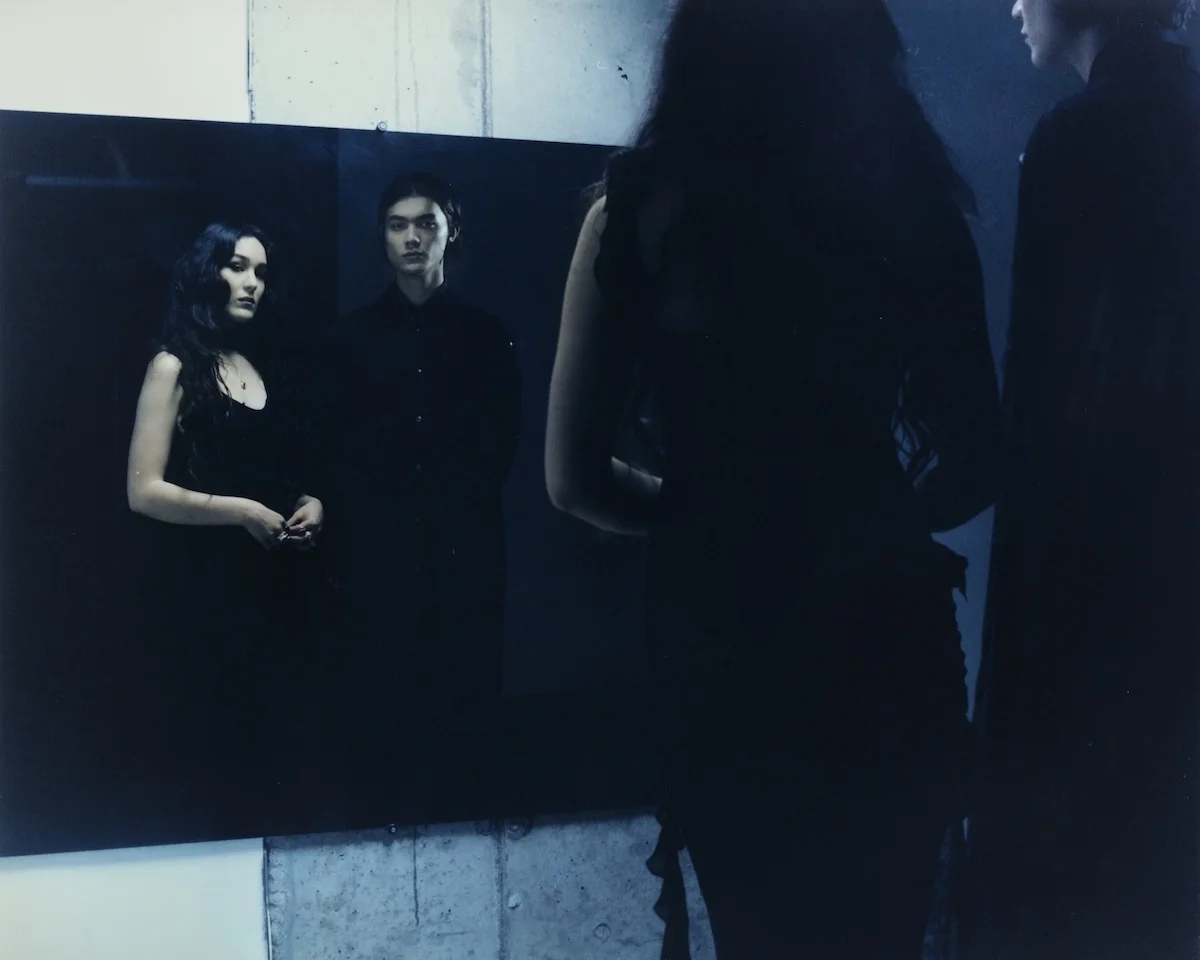
Decidedly more dance-oriented than the EPs, Nocturne sounds like London Grammar and Mazzy Star produced by Giorgio Moroder, with “Strike Me Down from Heaven” channeling Donna Summer’s “I Feel Love.” According to Olivia, the Moroder influence wasn’t intentional: they hadn’t consciously listened to his work until after the album was finished. Their father heard their song “Vogue” and immediately thought of Midnight Express. After playing them the soundtrack, Olivia’s verdict was, “This is fire!”
Some of their intentional references were Massive Attack, specifically “Teardrop,” Radiohead’s A Moon Shaped Pool and Weyes Blood. But listening to albums is itself a new practice for the duo, who are children of the streaming age. They are deft at putting together playlists but less accustomed to experiencing an album as a whole, with the songs between the singles serving as part of the connective tissue.
“Honestly, that might be part of the problem of why I was going in thinking every song has to be insane, every song has to be a banger,” says Olivia. “All I’ve known is making playlists of my favorite songs or songs that stand alone. It’s like making your own mini album. I don’t think I have a favorite album or that many album references where it really takes you on a journey.”
“We’re quite different in that way,” William points out. “There’s a very small pool of artists that I consider myself a fan of, but the thing they all share is that I’ve listened to their albums in entirety. That’s such a game changer for me. That speaks to your point of these bigger bodies of work, and also following the artist as opposed to the music is super important. That prevails in the sense of a connection between an artist and a fan. It’s interesting how that can impact the way we make music, isn’t it? Album versus curated playlists.”
Growing up in South London, the siblings traveled to China frequently, and their maternal grandparents visited them often, especially during their early childhood. The instrumental “Moon Goddess,” based on a Chinese myth, is the album’s most overtly Asian-inspired track. While their heritage is an important part of their identity and representation matters to them, the song wasn’t conceived as a branding exercise. Their mother came to the U.K. from China in the ’90s, at roughly the age they are now. She assimilated yet retained many of her original values, while their English father was more laidback and art-focused. The combination of their mother’s work ethic and ambition and their father’s Western outlook has shaped Olivia and William’s approach to their work.
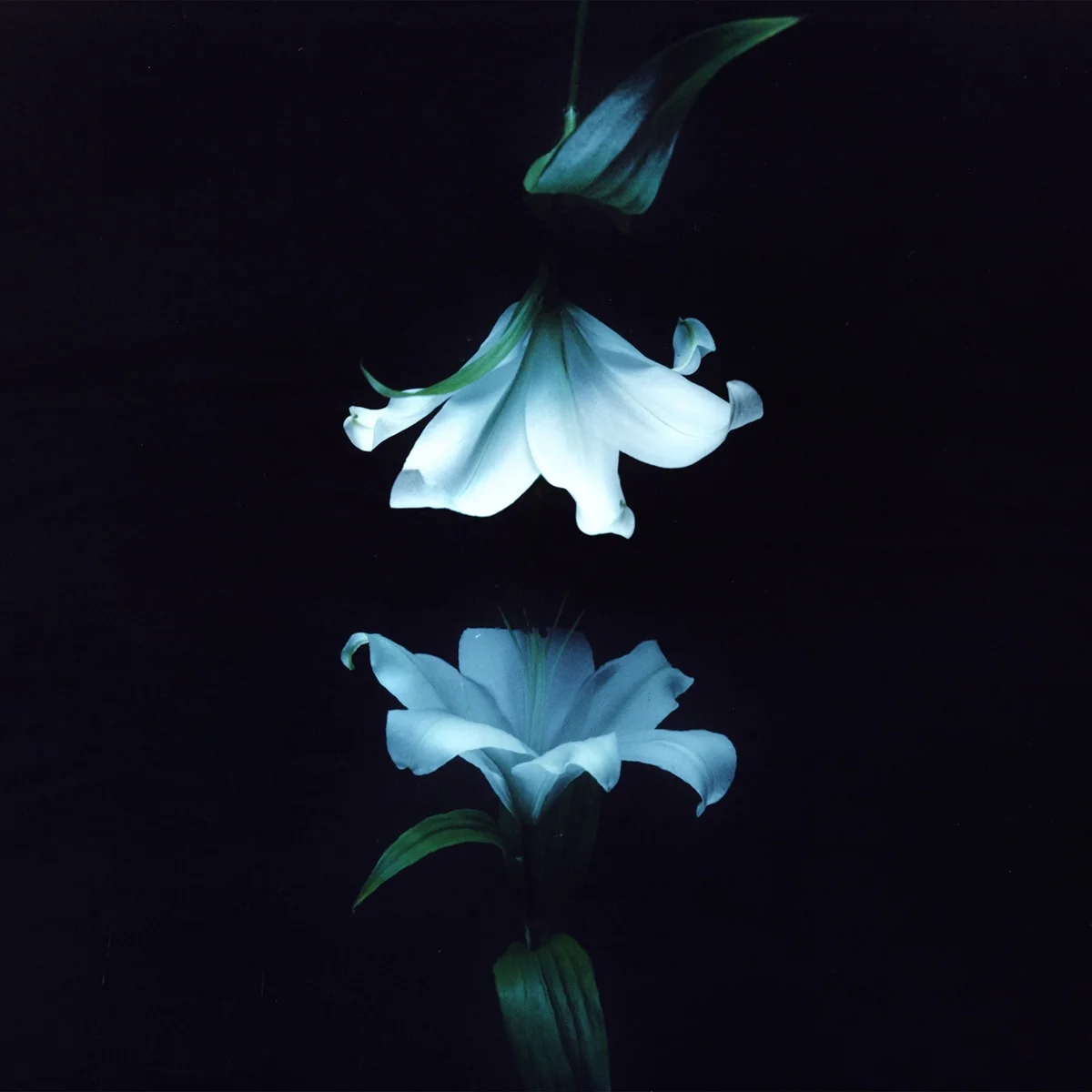
“When I was in China recently visiting my grandma, those values are still in the home,” says Olivia. “Despite being raised in the U.K., the quintessential Chinese or specific immigrant experience definitely influences the way we work—maybe even more so than the art. The way we treat what we do is very much formed by that. We grew up with the classic tiger mom. If either of us do anything, we have to excel at it. You have to put your all into it and do as best you can. They’re really hooked on what we’re doing and they’re proud, but they’re still rooting and saying, ‘You’re going to keep getting better and better.’ They’re always checking in, making sure we’re onto that next step.”
The siblings’ surroundings also influenced the direction Nocturne took. The struggle during the first half of making the album pushed them in different directions. William took off to Berlin for a few weeks, where he believes the city’s “artistic gravity” helped him recalibrate his philosophy toward the record. Olivia isolated herself, approaching completing the album like an academic project. She moved out of their parents’ home without quite settling anywhere else, instead locking herself into writing.
“The way I worked to get things done at school was pushing myself, forcing myself to do it and giving it everything until I got it done,” she says. “So maybe if I sit at the piano every day or do this consistently, something will come of it. But creativity is so different. The big change for me was when I took my first break by playing festivals with songs from our catalog. Even though it wasn’t technically a holiday, it felt like an American road trip, like the holiday I always wanted to have, but doing the thing I love and connecting with people live. It was such an echo chamber before that without remembering what we’d accomplished and what we’re doing it for and what it was like to play live. In the end, travel is what we both needed.”
To see our running list of the top 100 greatest rock stars of all time, click here.