

When Evanescence released The Open Door in 2006, they had no idea the impact it would have on fans.
I remember listening to The Open Door for the first time at the ripe old age of 10, and it completely blew my mind. From sweeping orchestral arrangements, Mozart, and Amy rocking out on the piano, it showed me a different side of music. My sister and I listened to it so much that we referred to the songs by their track numbers rather than their titles.
I tell Amy this when we reunite over Zoom, also reading her my notes after re-listening to the album the night before: "The Open Door is an album that is fearless, ethereal, has no skips, is daring, emotional, and just screams Amy Lee."
I tell her how my sister and I remember jumping around the house with joy when we saw that it had hit No. 1 on the charts. Amy laughs, "Aww, you were rooting for me!"
20 years later, The Open Door continues to resonate and will even receive a 20th-anniversary re-release. It was an honor to turn back the clock to 2006 with Amy and reminisce about the album that cemented Evanescence as a force to be reckoned with.
Note: This interview was edited for length and clarity.
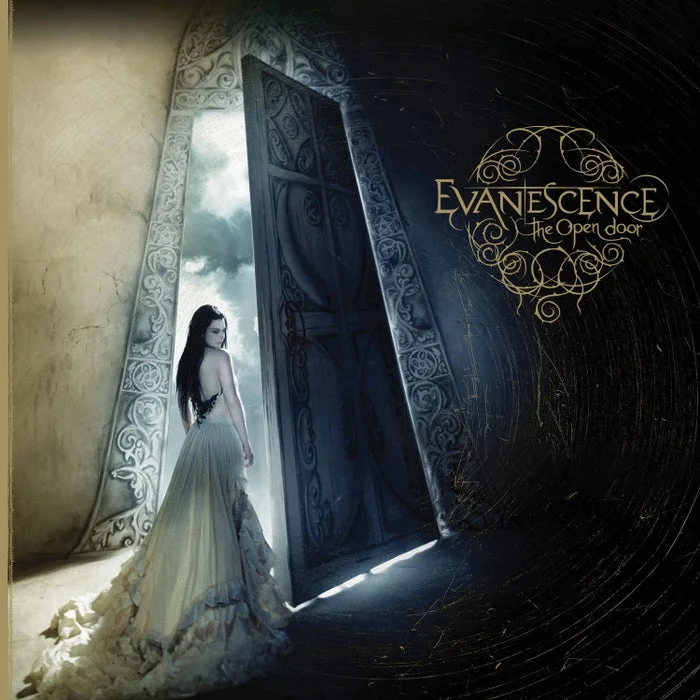
BuzzFeed: The Open Door cover art is so striking, and it's especially cool that you designed the cover yourself. I watched a video about how you did the original concept sketch. What inspired you, and do you still have the original sketch?
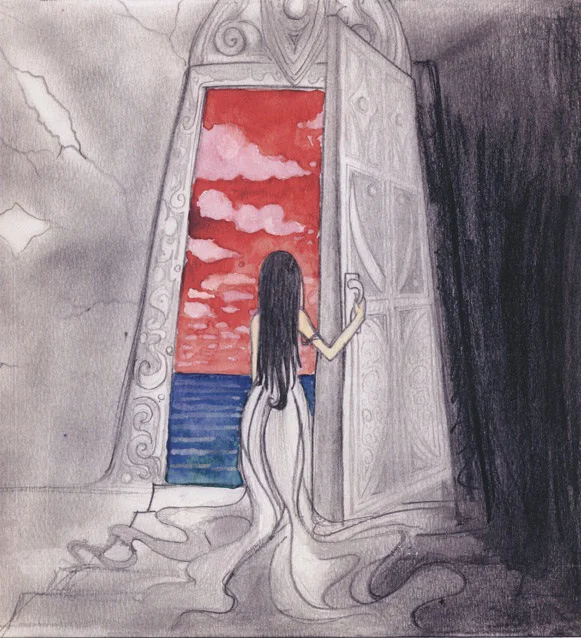
Amy: I do have it. It'd be cool if I just had it right here, wouldn't it? With every album, there's always been a point in the middle of the creative process where I just get it. I know the title, the cover idea, and the theme. I definitely remember having this feeling of, "I know what it is!" with The Open Door, because the title was what I was going through.
It was this moment of stepping away from things in the past that bound me, and stepping into a new world. A lot of the album is about processing fame, and I meant it more in an internal, emotional way: I'm stepping out of the fear of overexposure and into this starkly bright new world. I'm leaving toxic things and toxic relationships behind.
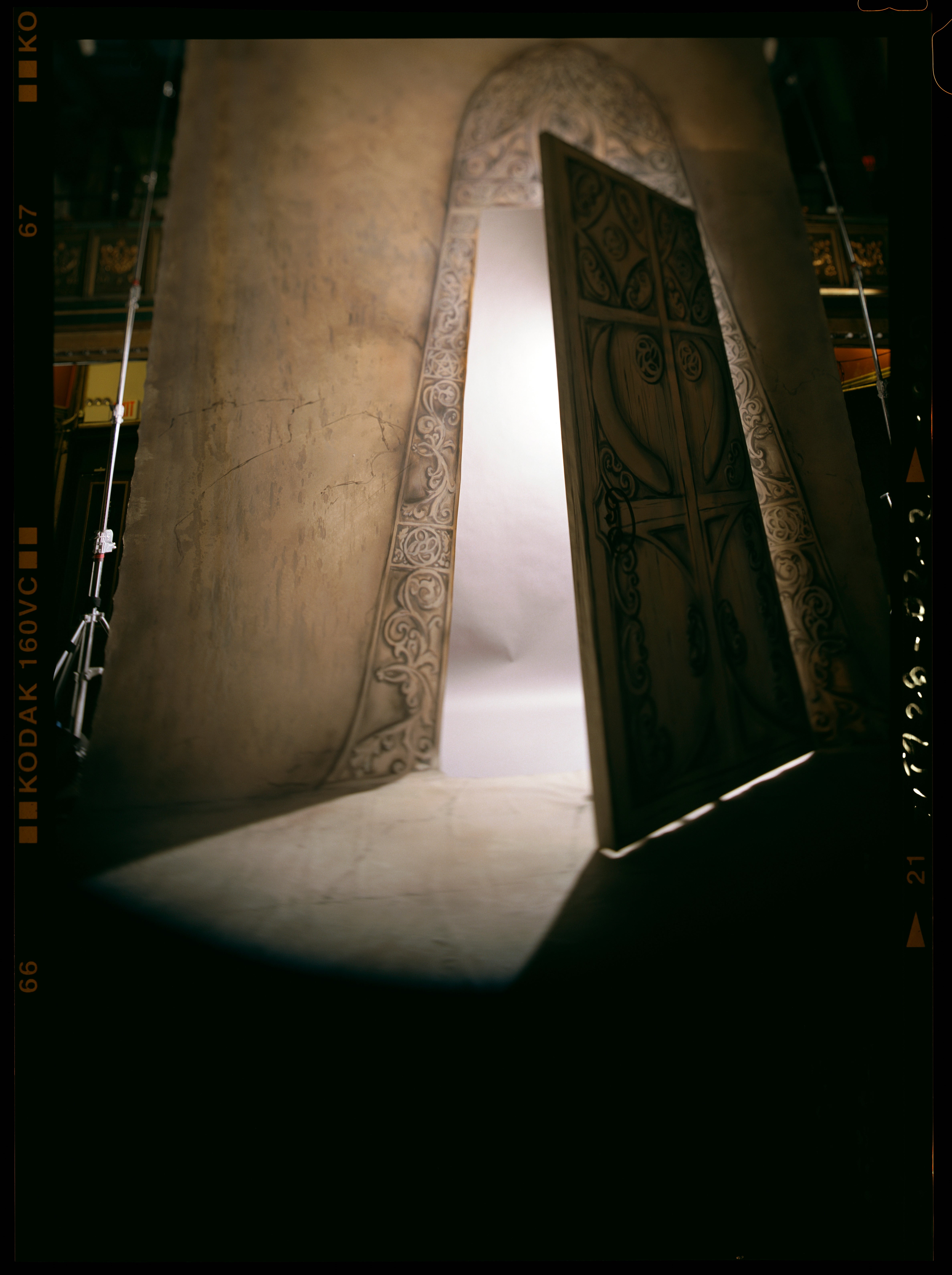
I knew that I wanted to call it The Open Door, and I saw how it would look in my head — an open door, and I'm walking through it. I used to sketch and journal stuff all the time, and I talked about the vision with the photographer during the shoot. We shot in New York at this old temple, with all these cool rooms.
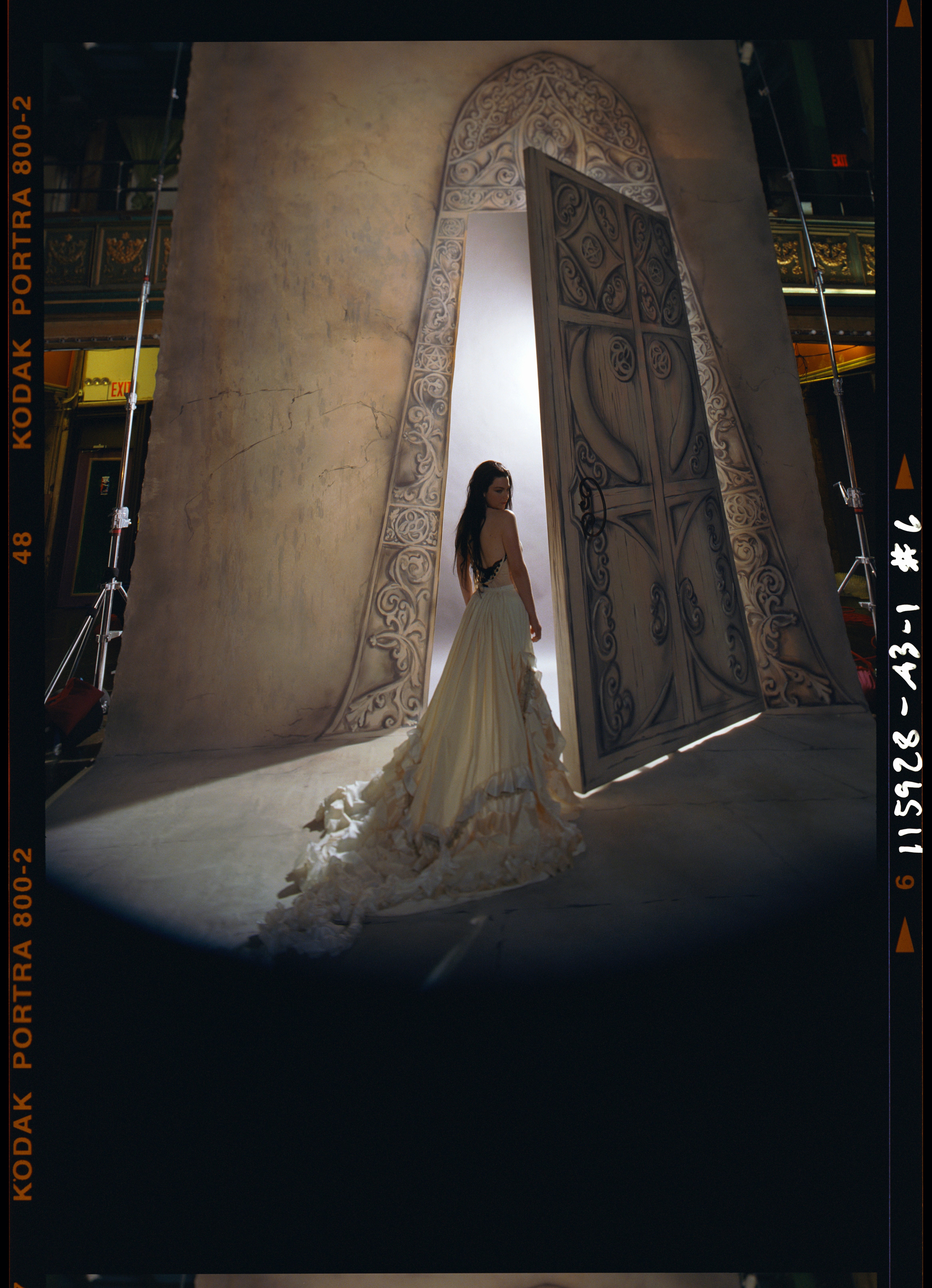
I went into the shoot thinking that a lot of the cover would be done in post-production. I knew we were going to try to create it, but I didn't know they meant literally. That door was a piece of cardboard that actually moved, and they put a handle on it that I could actually grab. The clouds are not real, but it's not far off, since they had it lit from inside with smoky effects.
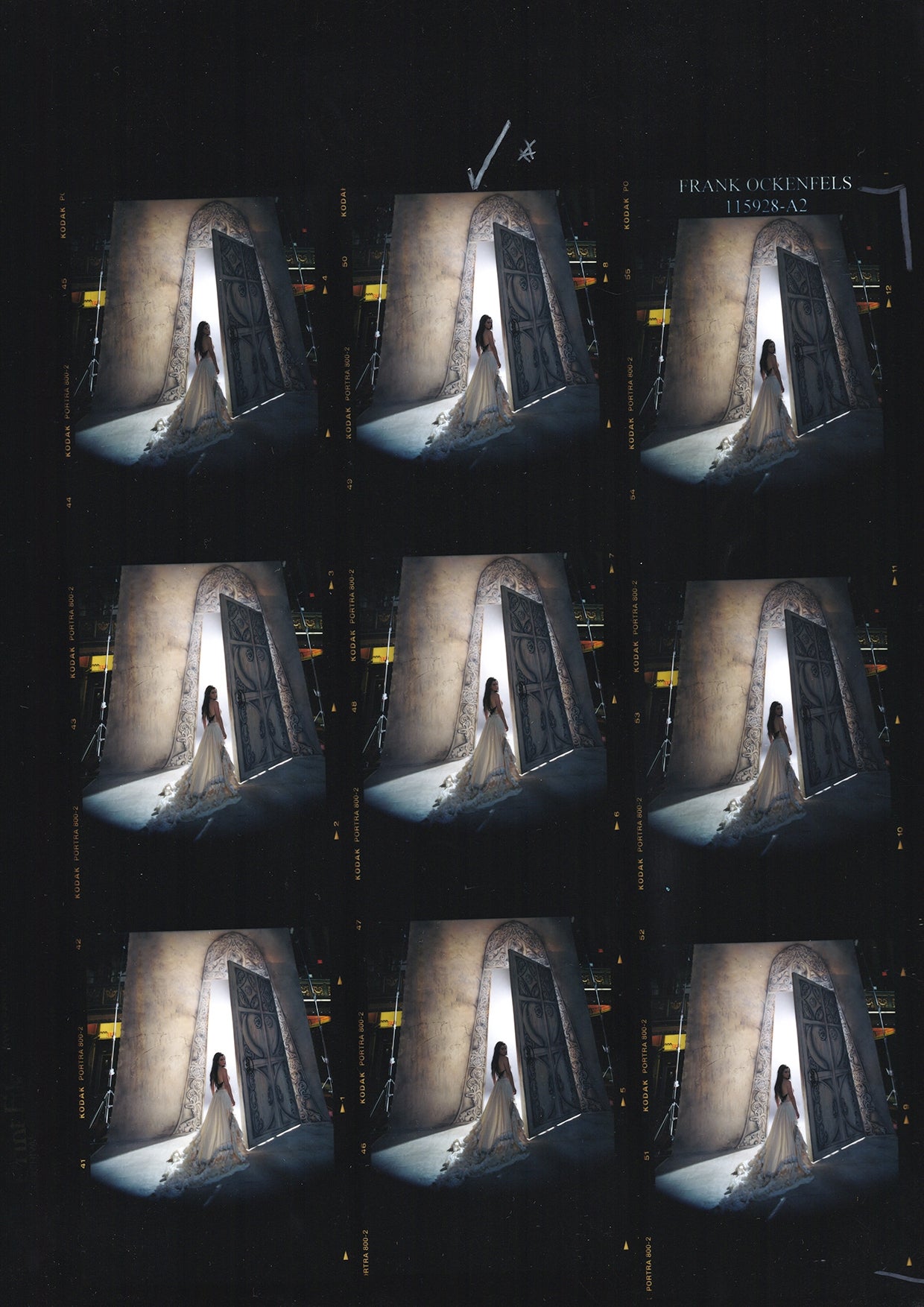
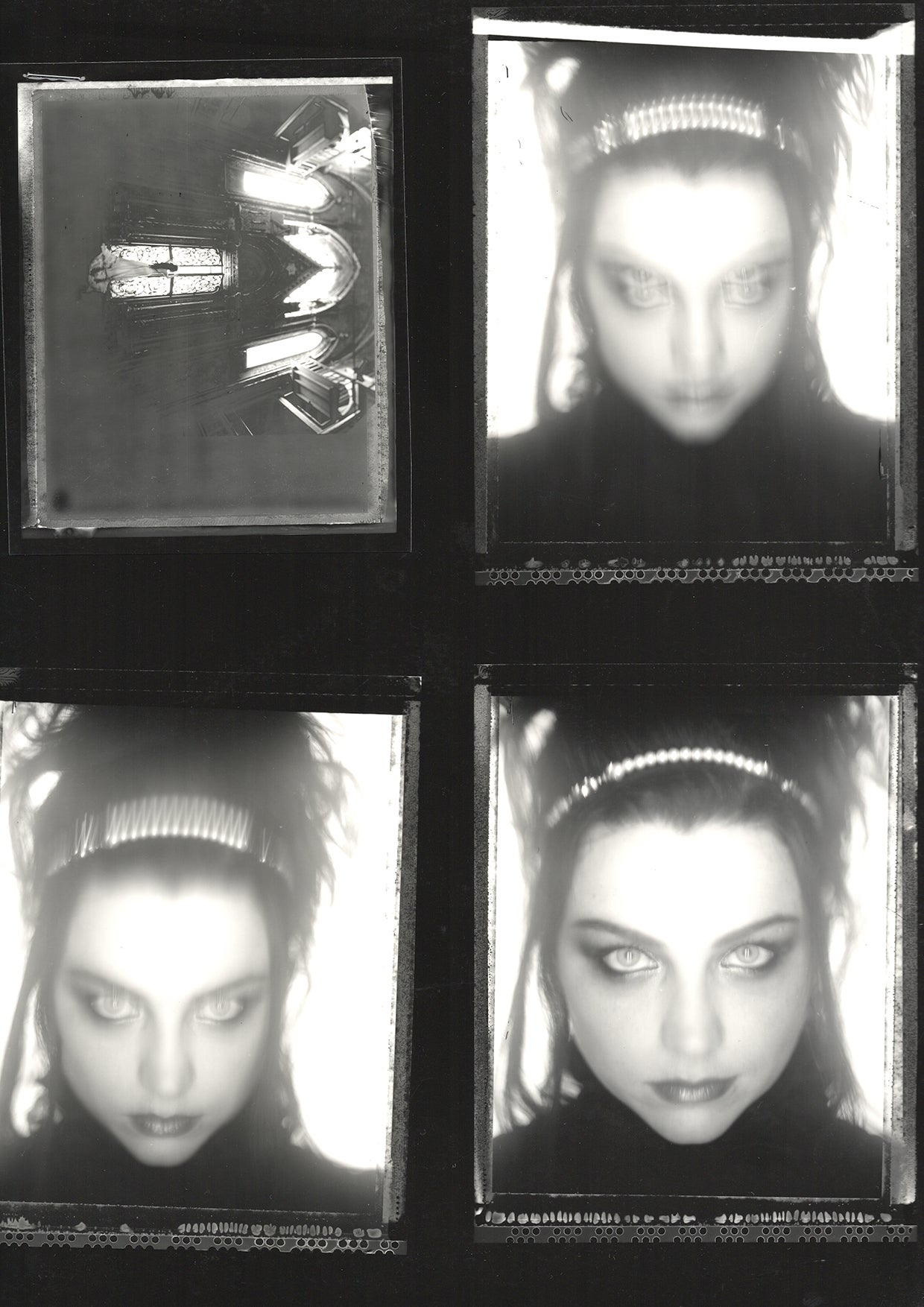
The cover looks like it's drawn because they copied what I did and added more detail. That's why the door is a little too wide at the bottom — my perspective's not perfect. I was looking at the contact sheet recently because we're doing a remaster release. I was going through all the old artwork, seeing if there was anything cool that we didn't use. It was really fun to see it.
When you started working on The Open Door, Fallen had become this enormous cultural moment, and, you'd won two Grammy Awards. Do you remember the first song you wrote for the album?
Amy: The first song was "Snow White Queen," which is written from the perspective of a stalker, because I had a couple of them. Going to the Grammys was awesome, but also full of anxiety on so many levels. I had to have all this extra security, and I was also writing The Open Door at the same time. I felt these big, large feelings — how amazing, how incredible but also, always on edge, waiting for the next thing to be some kind of disaster.
I'm always making music out of what I need. I'm processing what's happening in and around me, taking that in, and then outputting something between my expression of it and the quest for a solution.
Can you tell me more about your headspace going into this album?
Amy: Obviously, during Fallen, there was internal turmoil. It often felt like one misstep and the whole thing would be over. It felt very unstable, and The Open Door was me taking control. In a lot of ways, the solution was the music and the way that it was made. I didn't follow advice. I didn't do what the label wanted. I didn't hire writers, and I didn't let them pressure me into thinking I couldn't handle it.
It was Terry [Balsamo] and me, and I was so glad to have found him. Terry helped me relax and feel confident that the things in me were good enough. Everything he brought to the table was so heartfelt and sincere.

He helped me realize the authenticity was the brand, and that is what made it special — not some particular recipe of writers, and not some particular goth aesthetic. I'm wearing white on the cover for a reason, too.
It was about not letting superficial things be my real bonds. I wanted to express the rest of it without fear, because that fearlessness and experimentation were truly what made Fallen in the first place.
It was about being brave, coming out on the other side, and feeling so satisfied. There was no chance of me selling out to the pressure. I would have just quit.
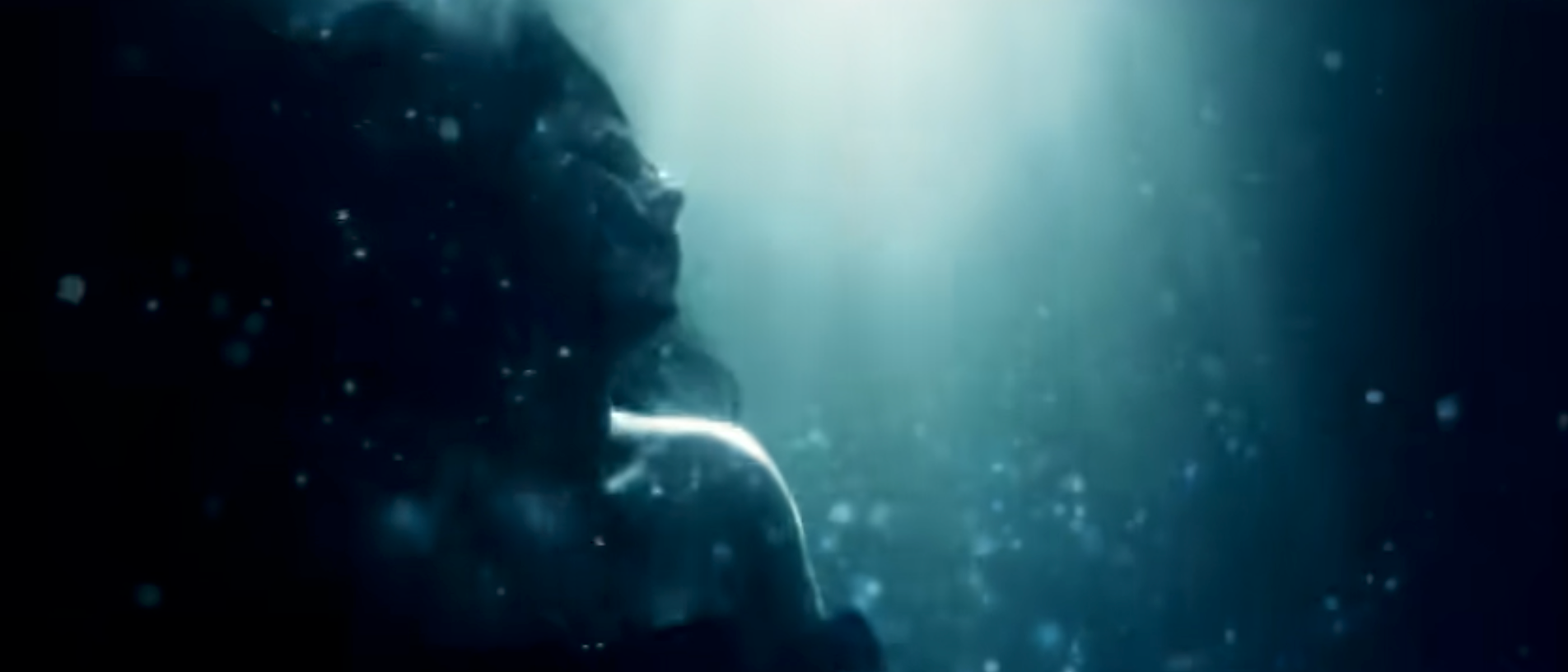
I want to highlight the incredible music video for "Lithium." My sister and I will never forget the first time watching you sink below the water, thinking, "How is the water so black?"
Amy: The water is black because the liner is black. (Laughs) So it wasn't black water, but it looks like that. That whole video is so beautiful, and it's one of my favorites, too. They built a whole set, like a Tim Burton movie. It no longer exists, but the stage was turned into that setting for the video. I thought it was so magical, and it gives it that otherworldly feeling — almost like stepping into a painting.
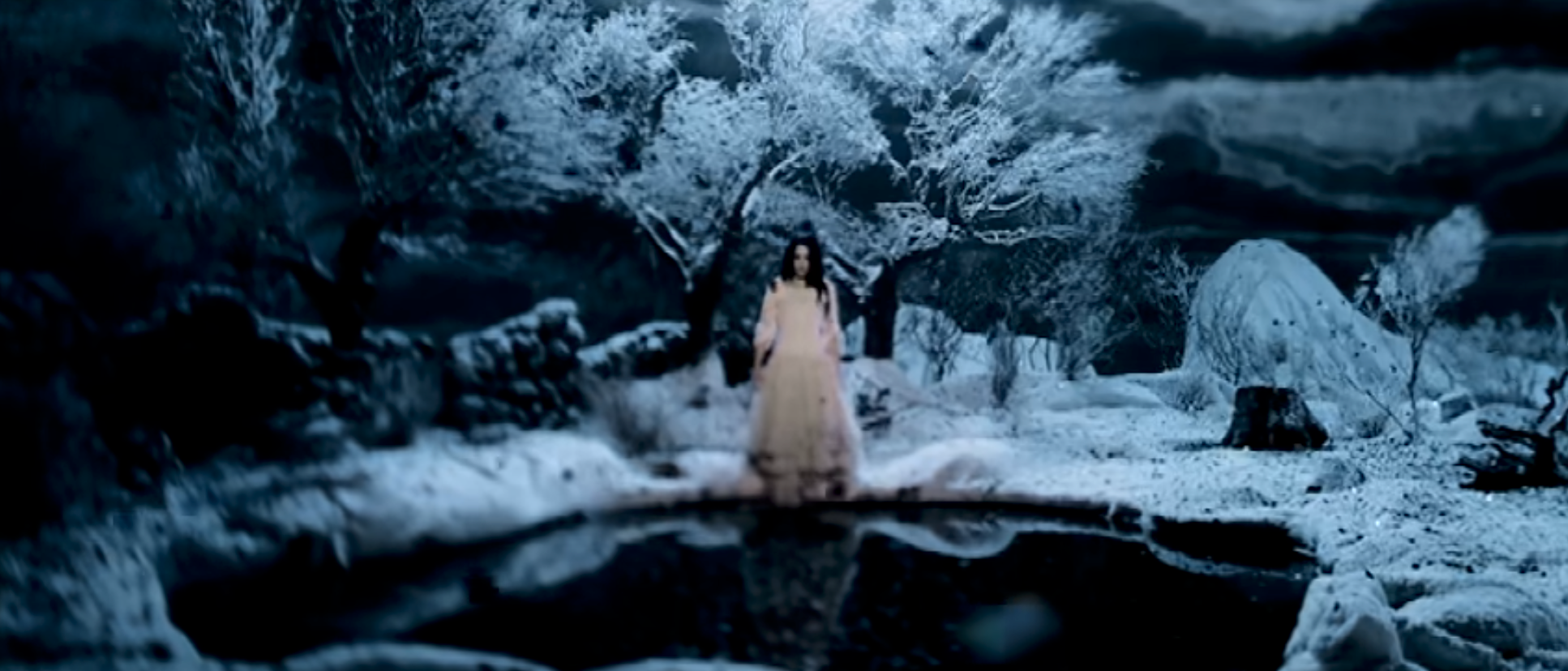
I remember the water was warm — they're weren't going to risk getting me sick. But especially back then if I wasn't doing something that was at least a little dangerous, or just maxing myself out physically, I felt it wouldn't be a good enough video.
Another day, it was just me, the director, and the DP in their neighbor's pool to get those underwater clips. That was the harder part: going for a night shoot, swimming in a pool, and filming underwater. It was exhausting, but so beautiful.
There are so many incredible songs on this album. "Good Enough" is my personal favorite, and I'd love to hear how you look back on it now that it's been 20 years.
Amy: It was a personal challenge to write a happy song. I think, in my mind, it was the first one. But, of course, I'm allowed to be happy. It was me starting to view my music beyond my own experiences — and thinking about the experiences of others.
With Fallen, I wasn't imagining that. I was making music I loved for myself, not thinking about someone else taking it in. It took going out there, playing it live, and seeing it happen. I could allow myself to be the "happy girl" because I wanted people to let themselves be happy too. (Laughs) Cringe, but I love it.
That intro for "Good Enough" was originally written for "Together Again." When we decided "Together Again" was a B side, I was like, "Well, I don't want to lose that cool intro piece. Let's see if it can go into 'Good Enough.'"
"Good Enough" is a great way to end the album. Another moment I'll never forget is when the piano catches fire in the video.
Amy: That was a cool video — there was a major explosion on that set! We filmed this one in Budapest. We were on tour, and they set it up so that when there was a day off, I would go over and shoot the video in between shows. So they built this house in a warehouse for sound stages, made it look cool, and put all the stuff in there.
We had real rain and fire — you can see where they added some fire, like it's not actually that close to my fingers — and it was really burning, too. We were really melting things, filming it, and burning stuff, and the boys were having so much fun.
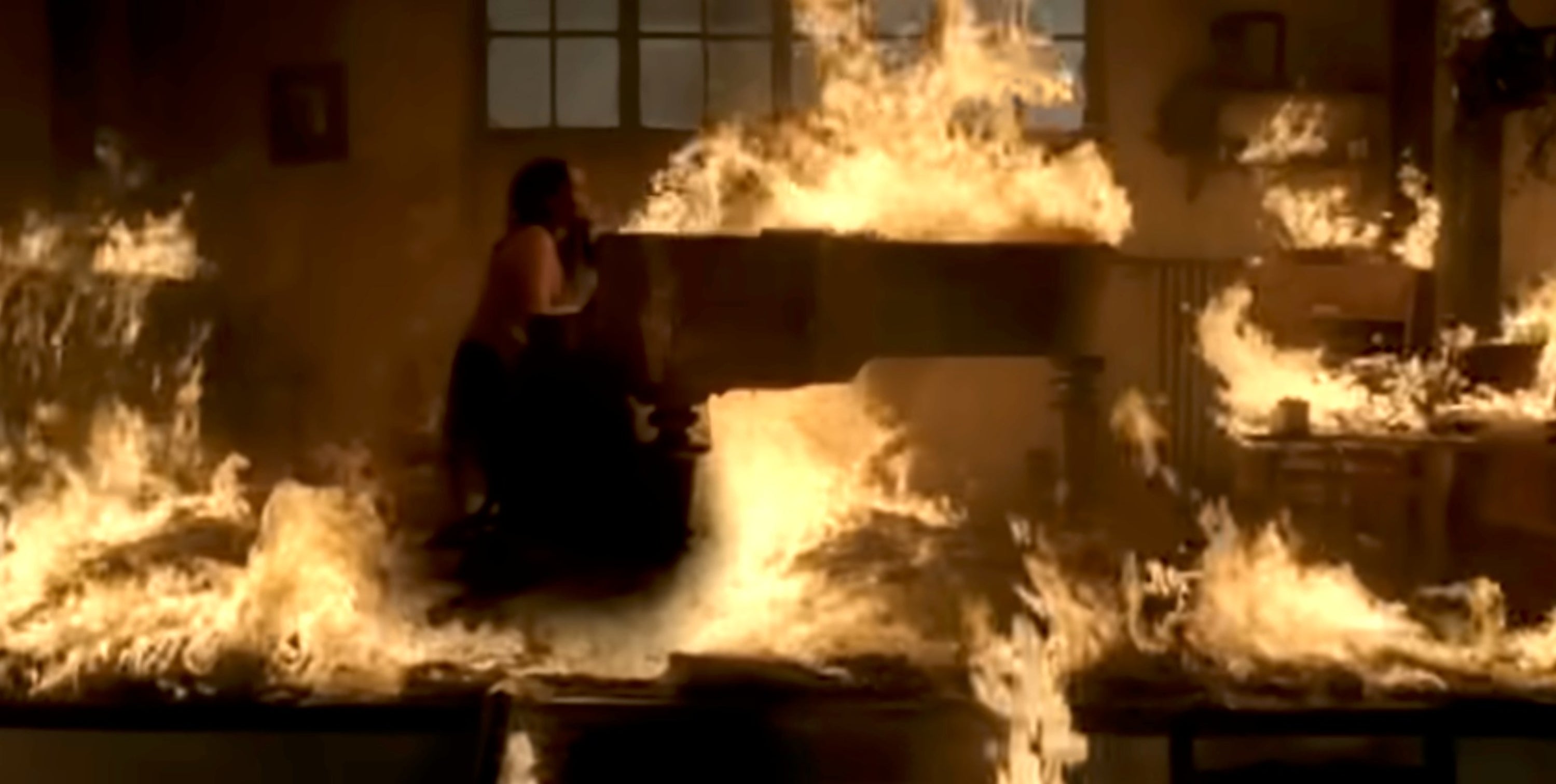
After it was all done, they're like, "We're just gonna totally torch the whole thing." While they were burning everything, we were right there watching it. I don't remember what caught, but there was a huge bam, like a big explosion. Everybody threw their crap and ran out the front door.
(Laughs) It was very fun. That definitely woke everybody back up!
"Your Star" is such a beautiful song, especially the piano. Can you tell me how you put yourself, musically, into that song?
Amy: I remember two parts of the writing process. The first is being in a hotel in Lisbon. I was on tour with Fallen, processing everything, and feeling alone and isolated. I had this beautiful room, and this big circular window that you could sit on. So I was sitting on this window, looking out at the lights blinking, and writing that beginning with my voice.
Then fast-forward to when we're writing The Open Door, it was Terry and me at my house in LA — the first house I ever bought. We were having so much fun. He's such a great guitar player and could do cool arpeggio things, like that bridge. For me, on the piano, that part was super easy, just having fun on a classical level.
We were coming from two different extremes, but both of us were inspired by how connected those worlds were. Terry came from knowing a lot about intricate metal that I wasn't particularly aware of, and he introduced me to a world of cool shredders like Eddie Van Halen. I showed him what's exciting about Mozart's "Requiem," and that's how "Lacrymosa" found its place on the album as well. We were laughing, up all night, jumping in the pool with our clothes on, listening to Pink Floyd, introducing each other to two different worlds in music, and then seeing where they come together.
I remember being at a keyboard, and then Terry on the guitar, kind of learning it at the same time. I was like, "You know how sometimes two guitarists solo at the same time? But we'll do it with the piano. Like I'll do the thing, and then I'll go up here, and you keep doing the thing."
We were laughing and having the best time in the middle of the night, just having fun being in a band. It was beautiful having fun with Terry. It was a new chapter.
The last song I want to dive into is "All That I'm Living For." In particular, there's a performance from the AOL Music Sessions that is an incredibly haunting rendition.
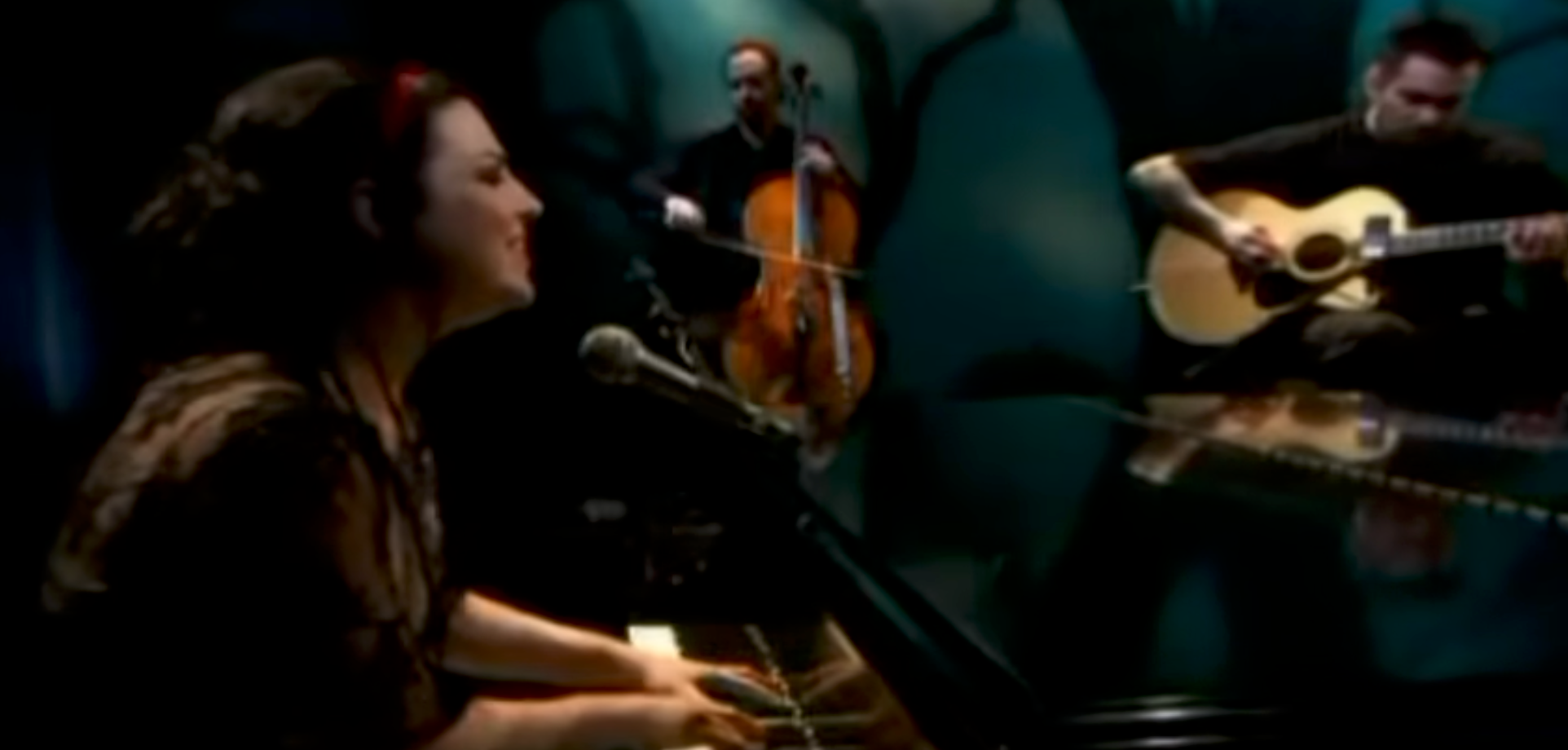
Amy: I have that performance on a disc, actually. It was one of those things where I was like, "Give me the CD of that." That version was the beginning of Dave Eggar and me. He's a cello player I've collaborated with a lot, including on Sanctuary — he does the cello solos on the two ballads. Dave became my classical buddy. He has such a head for all types of music and can hear things in so many different ways.
I remember that particular performance because it was when Dave and I first met. We built those arrangements together, kind of on the spot, the day before. He brought so much to it, and they became like new songs to me.
"All That I'm Living For" is at the center of the album's main theme: processing and navigating relationships in the giant shadow of fame, exposure, and the pressure of it all. It's a disillusionment kind of thing. It's saying, everything I'm doing, all that I can't ignore, everything I am — is it good enough? Lock the last open door, my ghosts are gaining on me. That line is fucking cool.
The U.S. leg of the Sanctuary Tour has wrapped up, and you played "Like You" for the first time. What was it like seeing the fans' reaction to that song? And how was the U.S. tour for you?
Amy: It was beautiful. Especially in the first few weeks of playing "Like You," I really had to go inward on that song more than taking in the fans. I was seeing and feeling their reaction, but I'm in an inside place for that song, if that makes sense. But it feels really beautiful to do it.
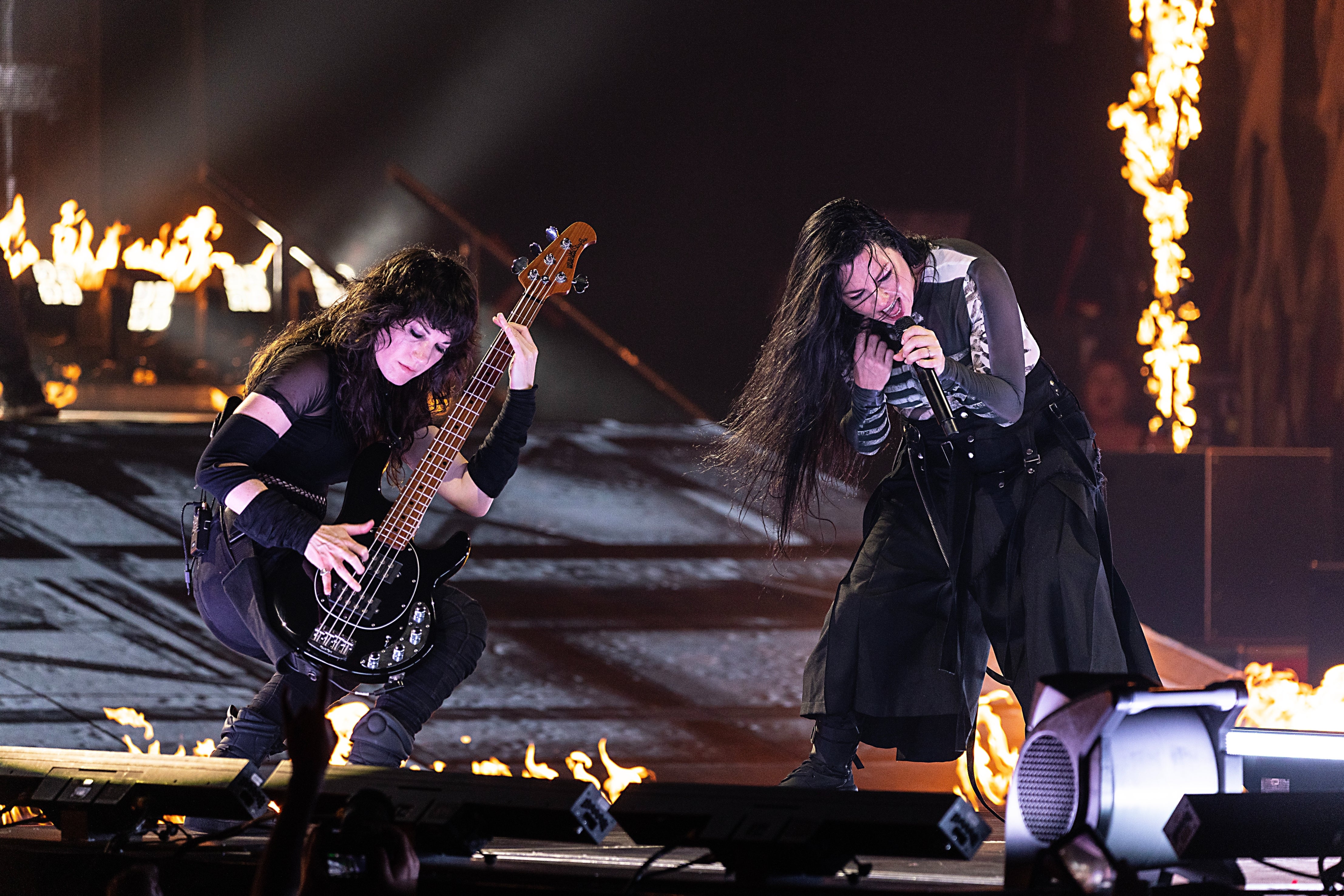
The U.S. tour was totally amazing. This album means so much to all of us, but it's just been so consuming for me. The pace at the end was go, go, go, do the video, hurry up! We finally got on tour, the album had only been out for a week before the first show, and people were already singing along.
I can't tell you how good it has felt to go out and play these venues full of people. Sure, it's about the nostalgia, but it's about this, too. It's just a beautiful feeling. That's that desire in my heart, for everybody to get it like I get it — to hear all the little things, all the little nuances, all the little secrets, and decipher them.
This has been my favorite tour.
Finally, when you listen to The Open Door now, what does it mean to you emotionally, and what did the album teach you about yourself as an artist?
Amy: This was an album where I was standing up for myself and taking a big risk. When I listen to the album, I hear the risks I took and things that are my own programming. I'm not the best in the world at it but, I had a specific idea in mind and wanted to hear it just like that.
I learned that I could do more. It takes putting yourself out there and not being afraid to fail. The Open Door definitely encouraged me to continue on that path. I think the failure would be playing it safe. I realized I can make something great, and I'm gonna listen to what other people have to say — but I don't necessarily have to do it.
I'm definitely not always right but it's especially validating, 20 years later, to have this album be a standout for fans. It means so much when, at the time, the biggest expectation for the second album was that it would flop. That was the obvious path: You made Fallen, the lineup changed, you're on your own, and you're not listening to anybody's advice. Yeah, sure. That's gonna go really well for you.
(Smiles) It did.
Special thanks to Jennette Firriolo for editing assistance.
Keep up with the band on Instagram, @evanescenceofficial. Pre-order The Open Door 20th anniversary vinyl here.
Check out my other interviews with Amy:
- Amy on Sanctuary
- Amy on "Fight Like A Girl"

Comments