6. Tales of the Underworld
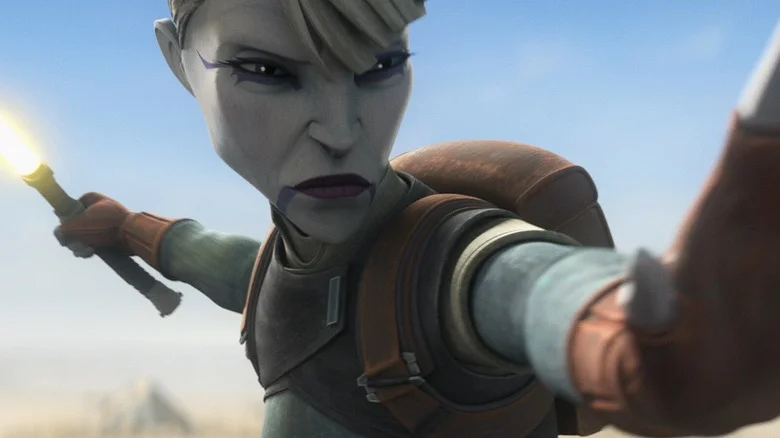
The two halves of "Tales of the Underworld" stand out as notably balanced amidst the series' three seasons. While neither part may reach the peak narrative heights seen in "Tales of the Empire"—where the Barriss Offee arc is arguably among the franchise's top-tier episodes—it's fair to say "Underworld" maintains an engaging flow throughout. Unlike other installments that feel like a collection of disparate tales, the storytelling here prioritizes coherent narratives that hold the viewer's attention.
What elevates "Underworld" above other entries in the series, notably "Empire," is its impactful character arcs. Asajj Ventress's return is a significant addition to "Star Wars" lore. Her journey brings a meaningful layer of suspense and intrigue that infuses the series with its stakes. In contrast, Cad Bane’s narrative, while powerful, suffers from being somewhat overshadowed by his perceived demise in "The Book of Boba Fett." However, "Tales" enriches his story, adding depth that could potentially justify further explorations of his character in the future.
7. The Bad Batch
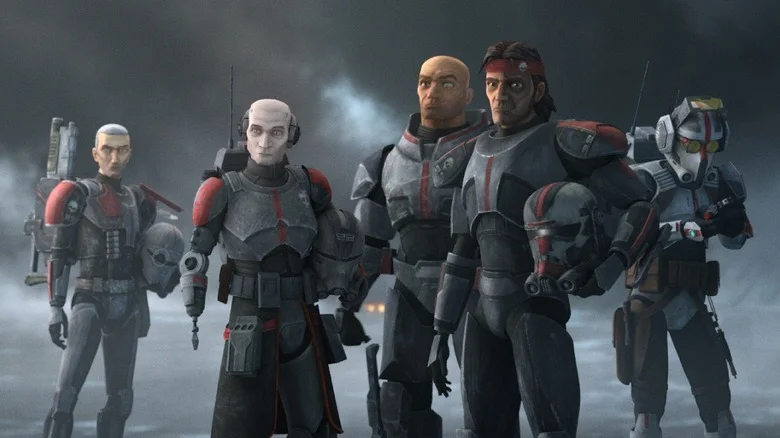
After wrapping up "The Clone Wars," Dave Filoni set his sights on creating something new for the audience that had steadily gathered over a decade. In theory, this should have paved the way for a more ambitious animation project — yet we got "The Bad Batch." Initially, this series felt reminiscent of "Resistance," showcasing strong visual flair but a story that shied away from real stakes for its characters.
The good news? Over its first two seasons, "The Bad Batch" evolved, maturing into a narrative that explored the complexities of war more deeply, something Filoni had previously done only in limited arcs. While the series did lose some momentum in its third outing—though that might stem from how the second season surpassed expectations—it still managed to deliver a satisfying conclusion for the core characters, even if it left some fans craving more.
8. Tales of the Jedi
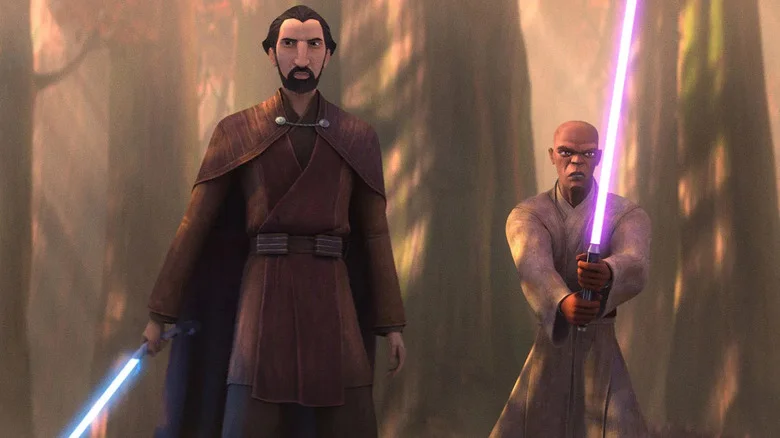
"Tales of the Jedi" holds a unique position as a standout in the anthology series, largely because it doesn’t just recycle familiar elements without purpose. Instead, it enriches the overall narrative of the "Star Wars" universe. The installments focused on Count Dooku reveal the layers of character and complexity that were previously hinted at but never explored fully in the prequels. This exploration of his disillusionment with the Republic gives depth that redeems his earlier appearances.
On the other hand, Ahsoka Tano’s segments, while not quite as impactful narratively, complement Dooku's arc by emphasizing the contrasting choices made by different Jedi in response to the same corruption. Where Dooku succumbs to darkness, Ahsoka seeks a path of healing, creating a thought-provoking dialogue on morality and redemption.
9. Maul - Shadow Lord
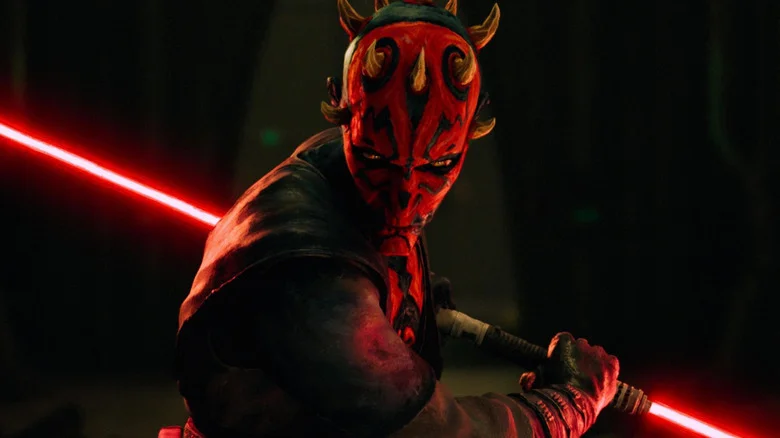
"Maul - Shadow Lord," despite being limited to a single season at this point, emerges as a promising illustration of what Disney+ should strive for in terms of "Star Wars" content. The series captures the character’s enduring appeal, artfully portraying Maul's struggle as he navigates his role in the shifting power dynamics of the Galactic Empire. His enraged, yet nuanced personality gives depth to the narrative, exploring his conflicts not just with the heroes, but also with the darker forces that surround him.
If "Shadow Lord" continues to focus on Maul's relentless rage and tragic flaws, it stands to be a compelling entry in the franchise. The emotional stakes run deep, drawing viewers into a familiar but continually evolving narrative that keeps the essence of "Star Wars" alive.
10. Visions
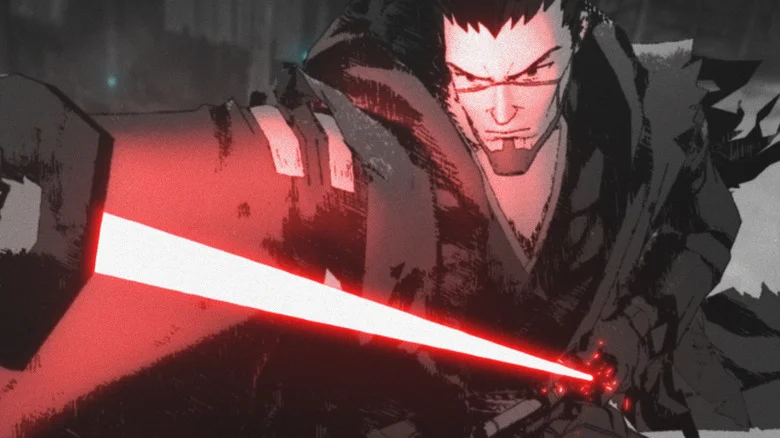
When "Star Wars: Visions" launched on Disney+, it presented audiences with a refreshing departure from traditional canon. Unlike Marvel's "What If...," this anthology gave creators the latitude to explore themes and narratives that don't adhere to established lore. In doing so, it managed to unearth the core elements of a "Star Wars" story while breaking free from the shackles of continuity.
Though not every episode reaches the same level of brilliance, a fair number do shine, showcasing impressive narrative inventiveness. Disney and Lucasfilm deserve recognition for allowing animation studios the creative freedom to tell diverse stories. Whether it’s the structured elegance of "The Duel" or the more abstract "BLACK," each piece adds something distinctive to a nebulous category of "Star Wars" storytelling. Ultimately, "Visions" proves that the franchise can be much more than just its grand sagas, reiterating that magic can still be found in unexpected places.