

Keanu Reeves and Sandra Bullock are famously two of the nicest actors in Hollywood, so filming Speed and The Lake House must have been a pretty pleasant experience. But not every movie set is so lucky.
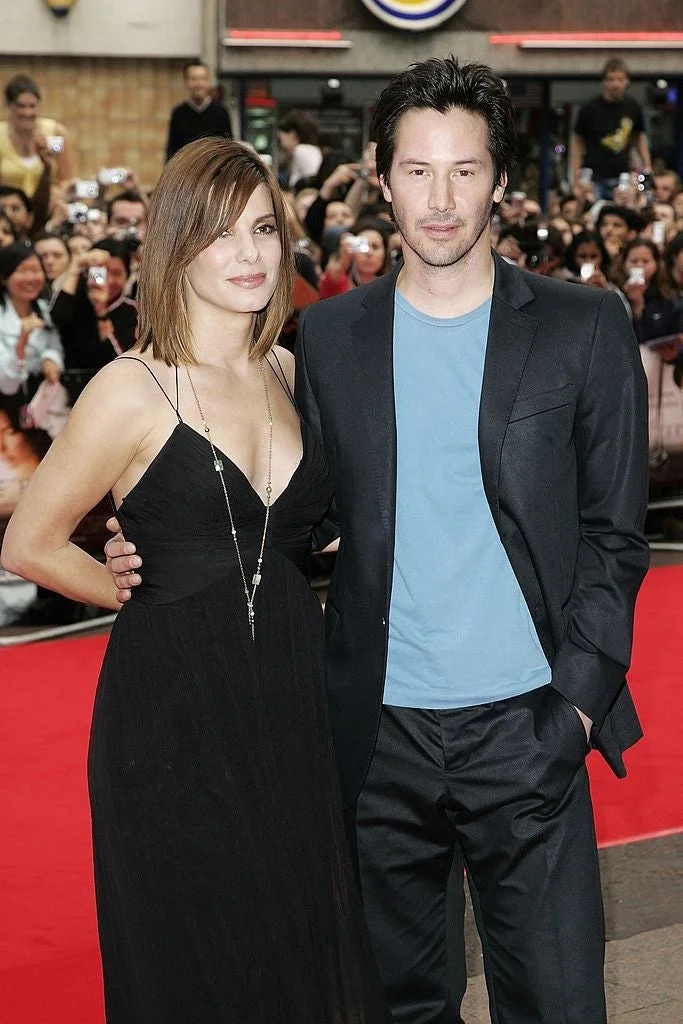
Let’s be real: Hollywood is full of rich, entitled actors who are constantly told their cookie don't crumble, so a disturbing amount of them are likely people you wouldn't want to know IRL. So when an actor earns a reputation among other actors for being awful, well, they must be truly awful! So, with that in mind, here are 11 actors who were reportedly despised by an alarming number of the people who worked with them:
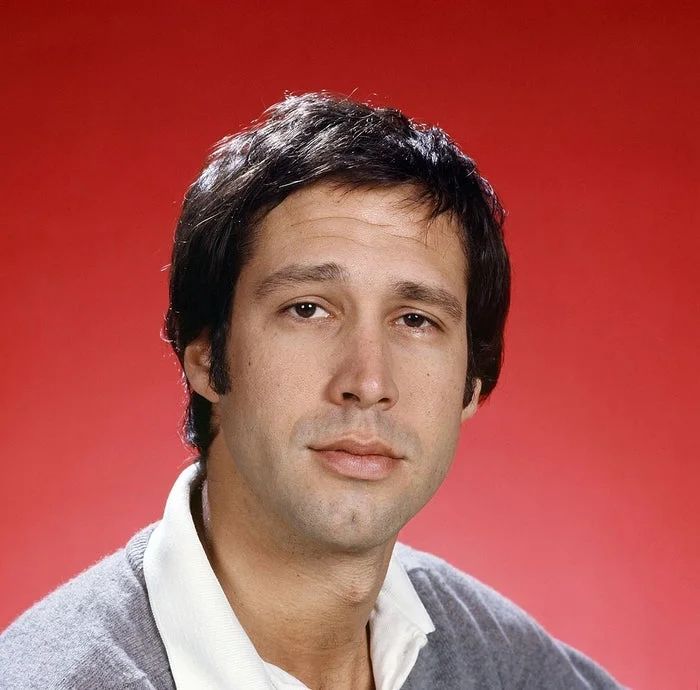
1. I was a big Chevy Chase fan growing up in the 1980s, thanks to comedy hits like Fletch and the Vacation movies, so I was surprised when, at film school in the 1990s, my comedy teacher — who had worked in the industry for decades — told me that Chevy Chase was the kind of guy who, if you saw him walking toward you on the sidewalk, you’d cross the street to avoid him. That glowing opinion (and yes, that’s Chase-ian sarcasm) seems to be backed up by a number of people who worked with him over the years. In 1985, when Chase returned to Saturday Night Live as a guest host, Terry Sweeney — the show’s first openly gay male cast member — described him as a “monster.” Sweeney claims Chase turned to him and said, “Oh, you’re the gay guy, right?” before suggesting a sketch in which Sweeney had AIDS and was weighed every week. (Chase denies this happened.)
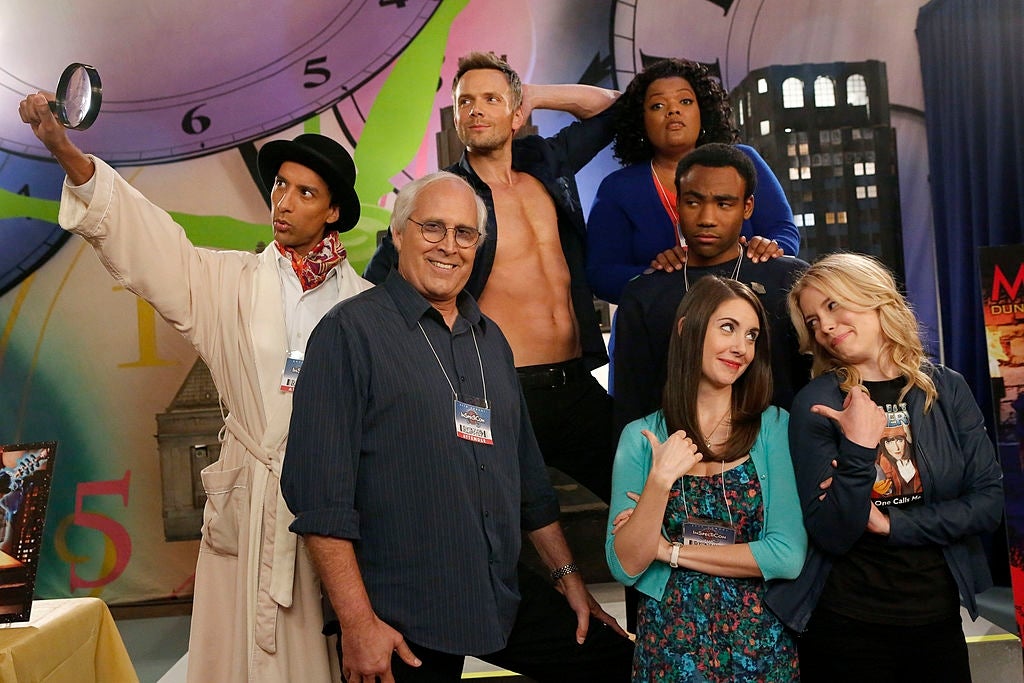
Years later, Chase seemed to piss off much of the cast of NBC’s Community. Donald Glover said Chase would try to disrupt his scenes and make racially charged cracks between takes, including, “People think you’re funnier because you’re Black.” After one particularly bad night of what the show's creator Dan Harmon called Chase’s “non-P.C. verbiage,” Harmon said he apologized to Glover. Glover later offered a surprisingly empathetic explanation for Chase’s behavior, saying, “I just saw Chevy as fighting time — a true artist has to be O.K. with his reign being over. I can’t help him if he’s thrashing in the water. But I know there’s a human in there somewhere — he’s almost too human.” Chase responded that he was “saddened to hear that Donald perceived me in that light.”
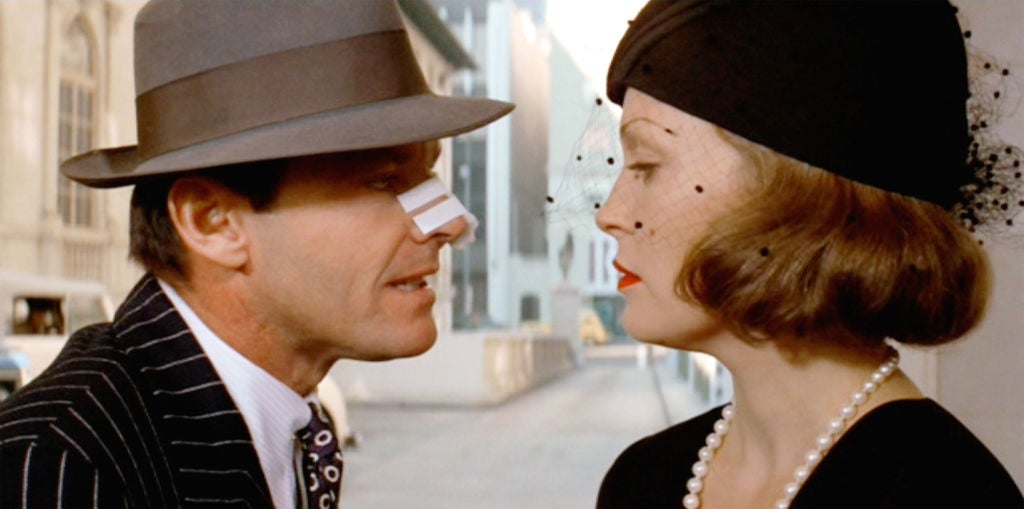
2. Faye Dunaway was a big deal in the ’60s and ’70s, starring in Bonnie and Clyde and Network (for which she won an Academy Award), but if you listen to her co-stars, she was also a big you-know-what. After working together on the 1976 TV movie The Disappearance of Aimee, Bette Davis was asked in 1988 by The Tonight Show host Johnny Carson who the worst person she’d ever worked with was. Davis quickly answered, “Faye Dunaway.” When Carson asked why, she continued, “Well, she’s just totally impossible,” calling her “uncooperative” and “very unprofessional.” Davis even claimed, “Everybody you can put in this chair will tell you exactly the same thing.” Yikes!
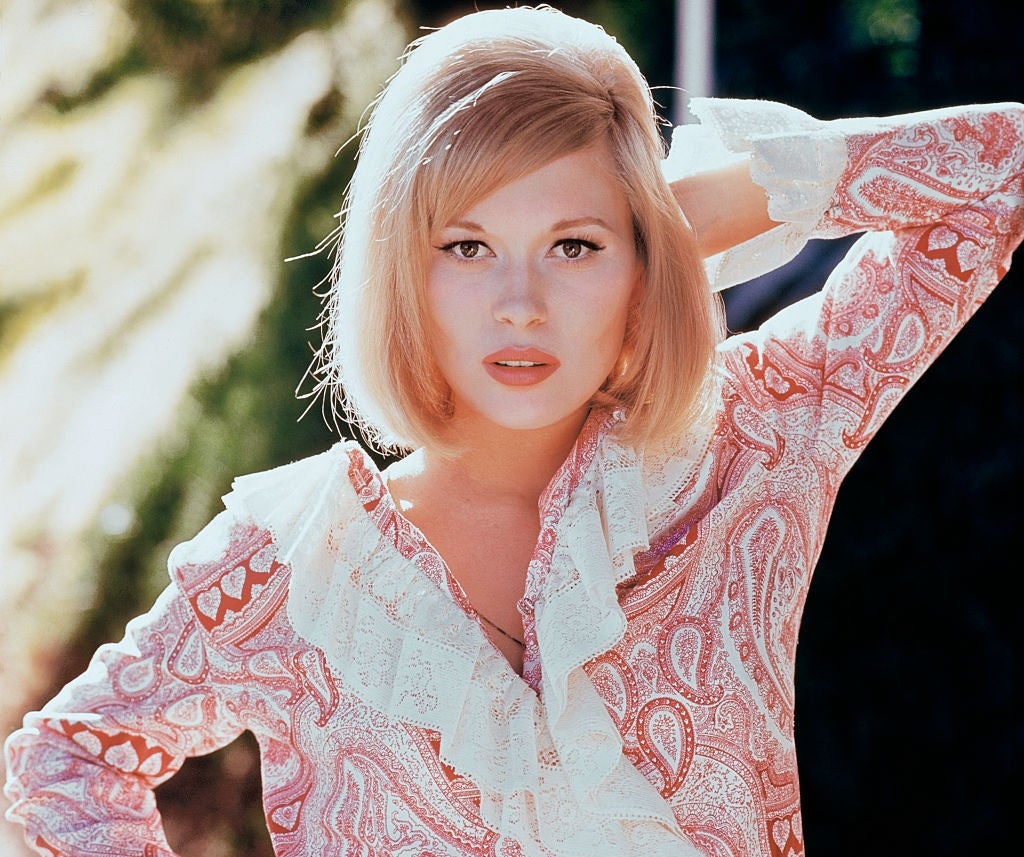
And Dunaway’s Chinatown reputation was already legendary years earlier. Roman Polanski said she was “a gigantic pain,” while Jack Nicholson nicknamed her “the Dreaded Dunaway” — or simply “Dread.” Polanski later described her obsession with her character’s makeup, saying she would redo it after nearly every take and that it “took forever.” He also recalled daily arguments over tiny script changes: she’d fight him over removing a couple of words, then come back half an hour later and decide he’d been right all along.
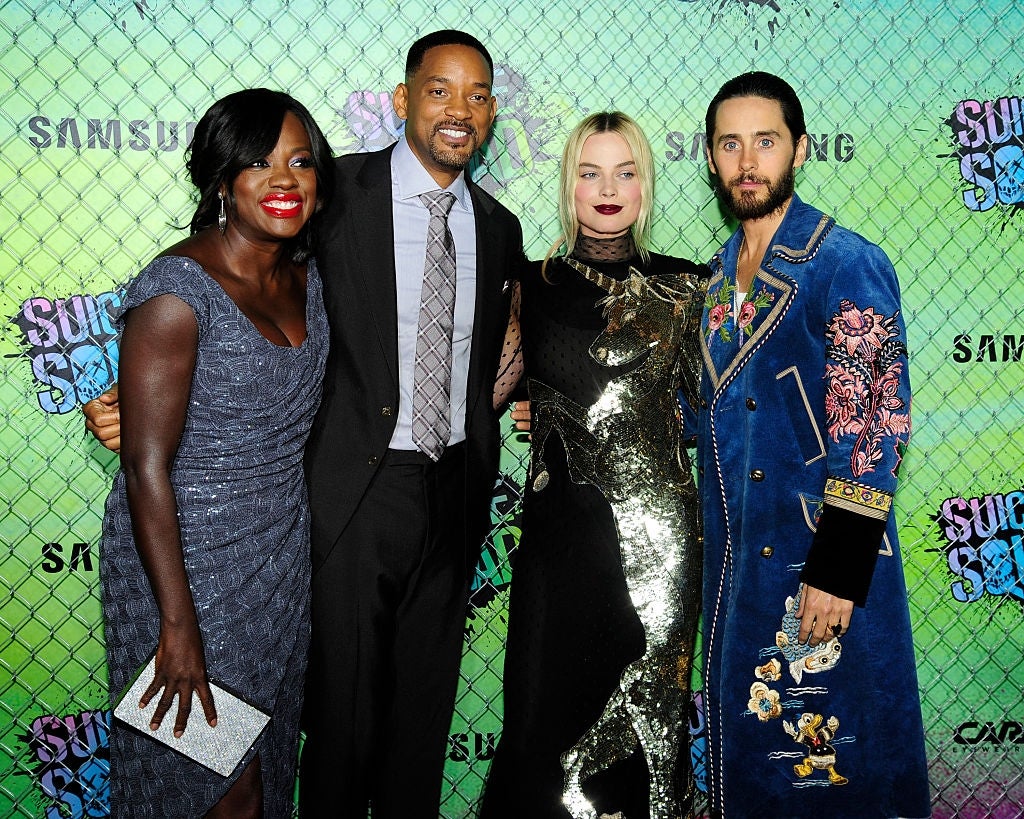
3. Jared Leto has a reputation for taking an extremely immersive approach to roles and staying in character between takes, but it goes beyond the usual high-maintenance method acting B.S. of other actors, according to some of his co-stars. Viola Davis, for example, recalled that while filming Suicide Squad, Leto had a “henchman” enter the rehearsal room carrying a dead pig, drop it on the table, and walk out. “He did some bad things, Jared Leto did,” she said. “He gave some really horrific gifts.” Davis said the stunt made her wonder, “Is he crazy?” and later joked that if Leto had personally sent her one of his notorious gifts, she would have enlisted her former-football-player husband to “take care of the Joker.”
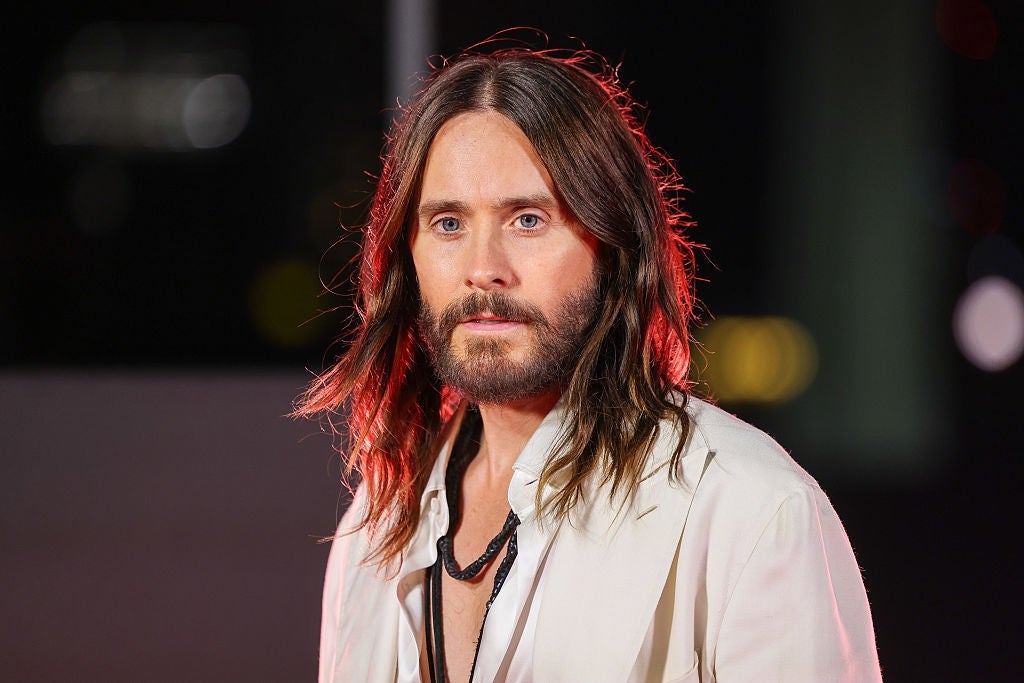
Leto himself claimed during the film’s publicity tour that he sent cast members anal beads and “used condoms,” explaining that he wanted to create “an element of surprise” because the Joker “doesn’t really respect things like personal space or boundaries.” He later clarified that the condoms were not actually used. Oh, well, in that case it's totally fine Jared!
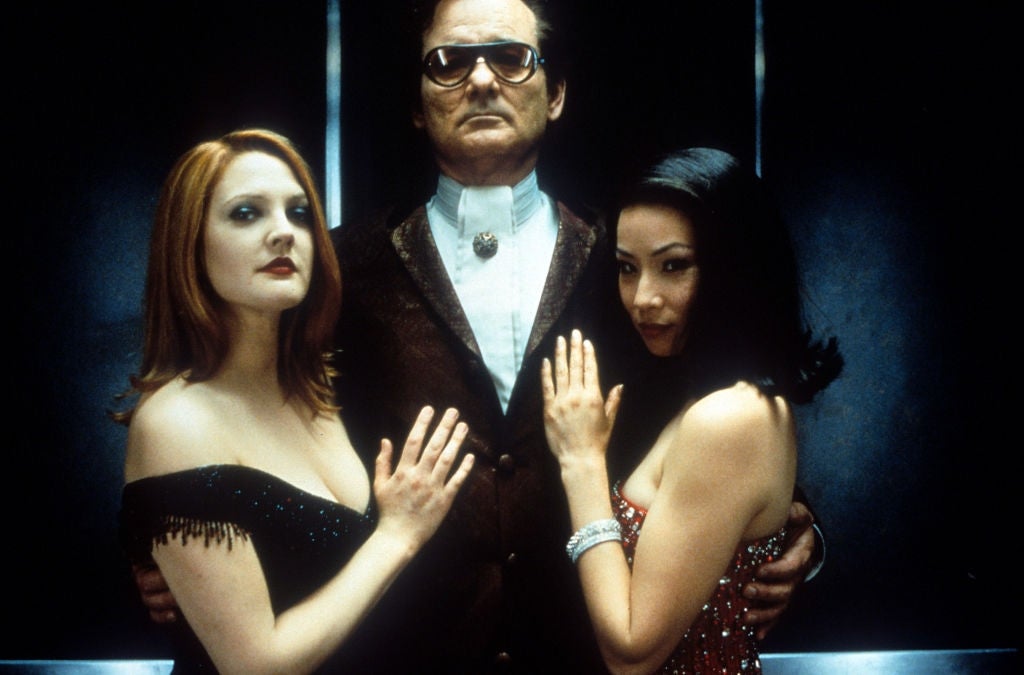
4. I know, I know. You love Bill Murray. I do too. But he sure as hell belongs on this list! Geena Davis’s problems with Murray started before they’d even begun filming 1990’s Quick Change. During an early meeting, she says Murray repeatedly pressured her to let him use a large massage device called “the Thumper” on her despite her repeatedly saying no. Davis later said she came to see it as Murray testing whether she would be “compliant.” She also said he later screamed at her on set in front of hundreds of people. And when Davis later watched him tear into somebody else, she told him, “Man, I can’t wait for you to do that to me again, because now I know how I’ll react.” According to Davis, Murray replied, “Oh, I don’t have to. You behaved after that.” Yikes.
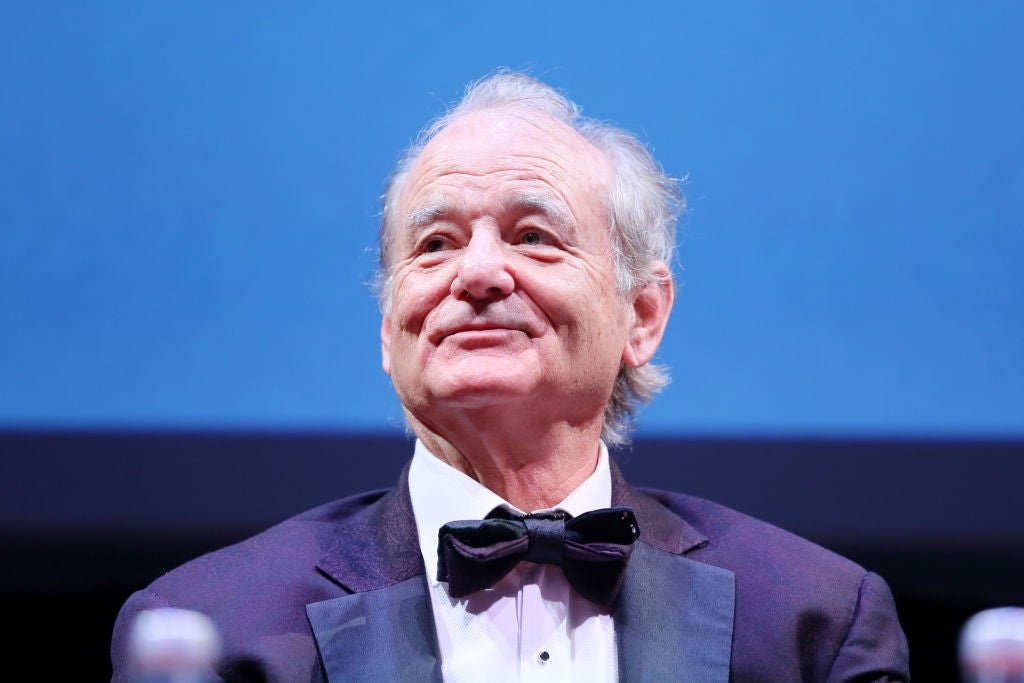
Then there’s Lucy Liu. During a Charlie’s Angels rehearsal, Liu said Murray suddenly began “hurl[ing] insults” at her in front of everyone. At first, she literally looked behind herself because she couldn’t believe he was talking to her. When she realized he was, she confronted him. Liu later described his language as “inexcusable and unacceptable” and said, “I was not going to just sit there and take it.” Years later, crew members from the movie apparently approached her and thanked her for standing up to him.
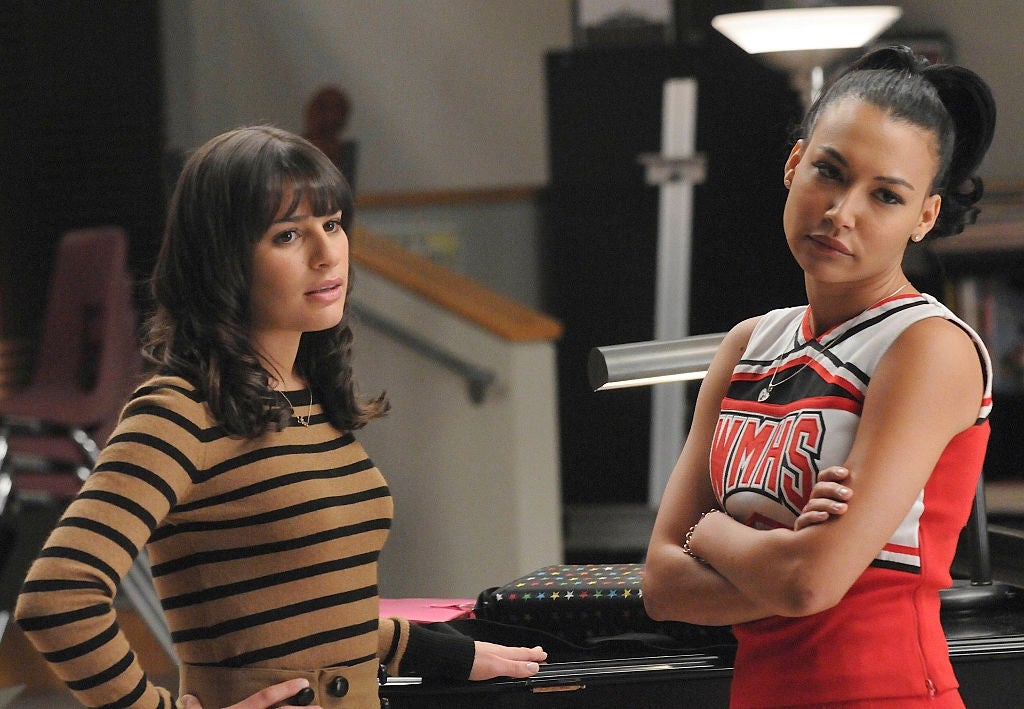
5. In 2020, Lea Michele's Glee co-star Samantha Ware responded to one of Michele’s Black Lives Matter posts by saying she made her first TV job a “living hell.” How, you ask? Ware said Michele told people that she would “shit in my wig,” and later described “the silent treatment, the stare-downs, the looks, the comments under her breath, the weird passive aggressiveness.” Ware added Michele even threatened her job in front of the cast. Heather Morris, who played Brittany, chimed in by saying, “Was she unpleasant to work with? Very much so."
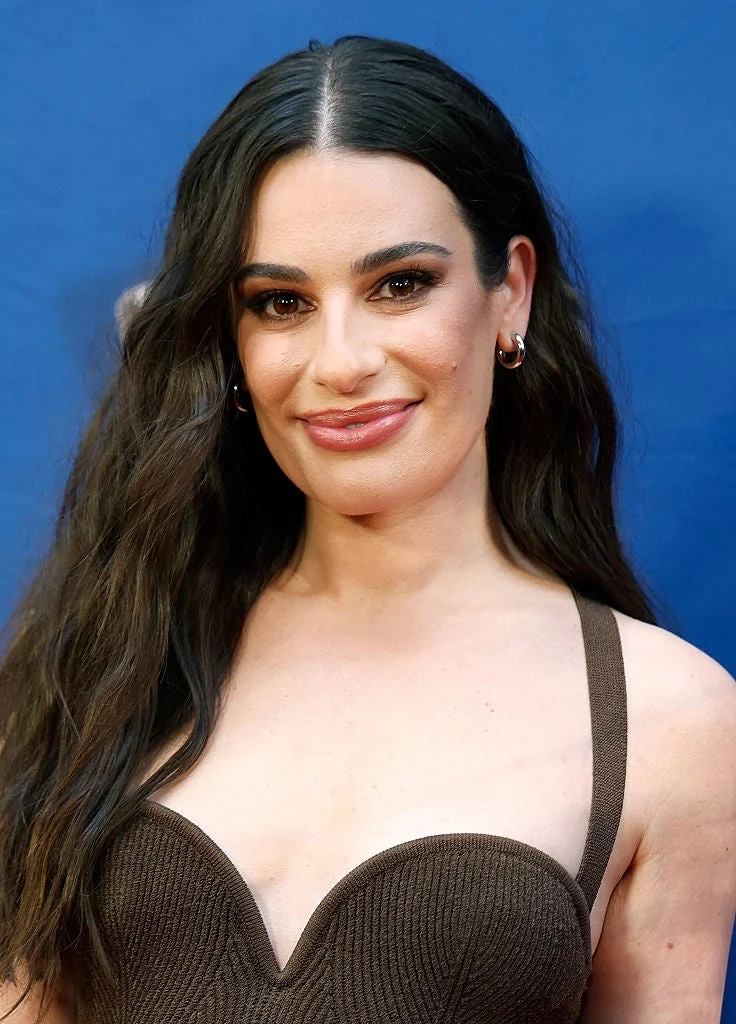
Then came Glee's supporting players. Dabier Snell said Michele once refused to let him sit at a cast lunch table because, according to him, “I didn’t belong there.” Jeanté Godlock said Michele referred to background actors as “cockroaches.” And Spring Awakening co-star Gerard Canonico, who had worked with Michele years before Glee, reacted to her apology by writing, “You were nothing but a nightmare to me and fellow understudy cast members. You made us feel like we didn’t belong there.” He added, “I tried for years to be nice to you to no avail.”
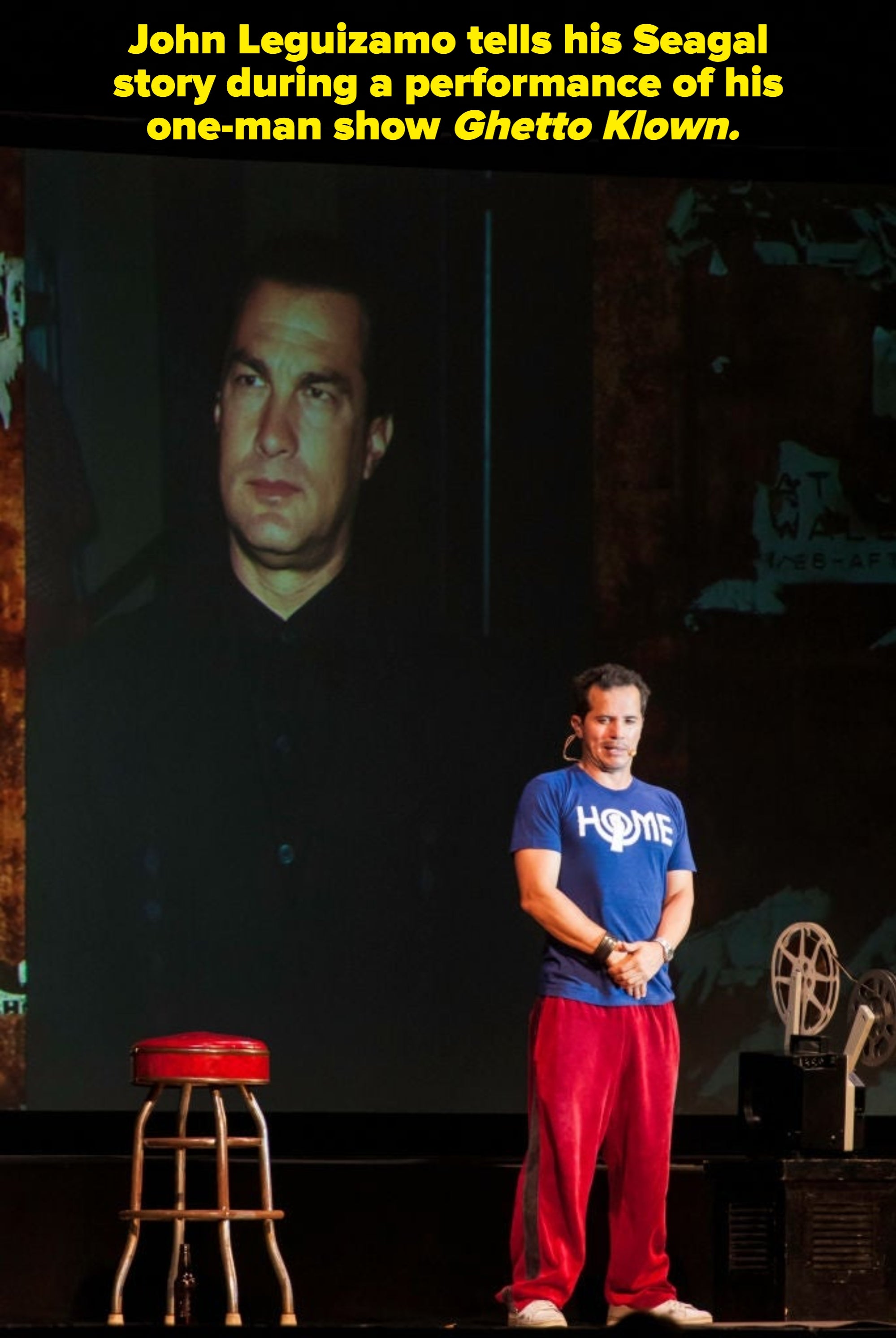
6. If you didn't live through the '90s you might not know who Steven Seagal is, but for a decade or so he was a legit action star who built his career playing intimidating tough guys who could beat the hell out of everyone around them. The problem? According to a surprising number of people who actually worked with him, he acted like that IRL too. John Leguizamo’s story is probably the wildest. While rehearsing 1996’s Executive Decision, Leguizamo said Seagal walked in and announced, “I’m in command. What I say is law.” Leguizamo thought he was joking and laughed, so Seagal slammed him into a brick wall with an aikido move, knocking the wind out of him. “All I could say was, ‘Why? Why?’” Leguizamo later joked that when it came time to film Seagal’s death scene, “I showed up so early. I wanted to see him die. It was like a fantasy.”
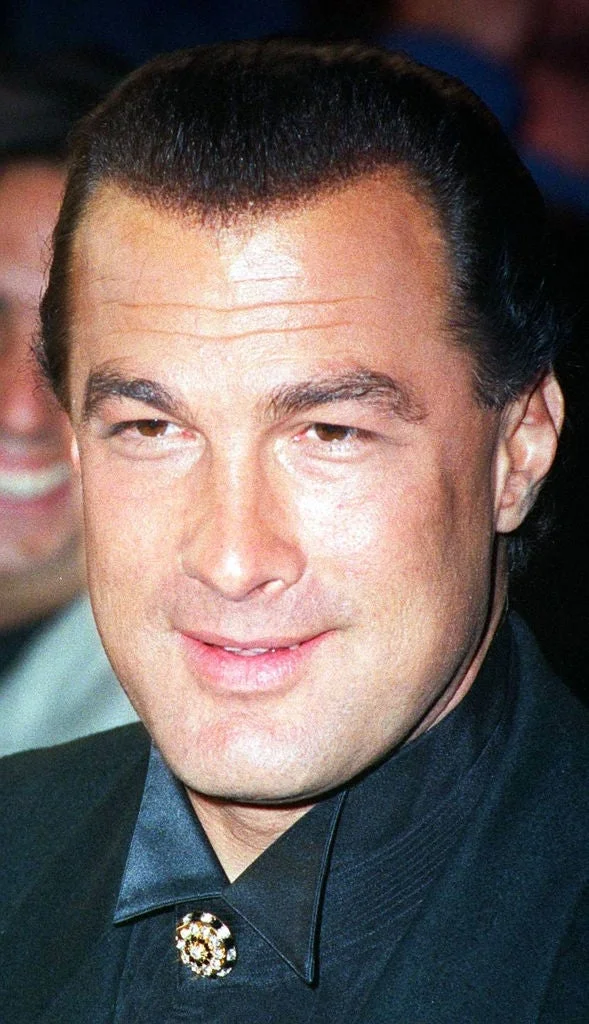
Brian Cox, who appeared with Seagal in The Glimmer Man, was even more brutal. In his memoir, Cox wrote, “Steven Seagal is as ludicrous in real life as he appears on screen.” He said Seagal carried himself “as though he’s on a higher plane to the rest of us,” before adding that while he was definitely on a different plane, “it’s probably not a higher one.” Stephen Tobolowsky also acted in The Glimmer Man, and when asked which words best described the experience — trauma, terror, or beauty — answered, “Let’s put in trauma and terror. Let’s scratch beauty, put in confusion.” He also recalled being summoned to Seagal’s house for a 10 a.m. audition, sitting in a living room full of elaborate saddles, and then waiting until around 12:30 for Seagal to finally come downstairs because he’d apparently been asleep.
7. James Corden has earned a reputation for being difficult (we all remember the drama about him being rude at a restaurant and the owner banning him, right?) but apparently it got bad enough during the run of Gavin & Stacey that one of his own co-stars basically staged an intervention. Rob Brydon started hearing enough stories about Corden's behavior that he took him out to lunch. Brydon recalled telling him, “I’m just hearing these things about you, and you’ve got to know that the way you behave has an effect on people.” Even Corden’s sisters apparently got involved, telling him, “Don’t be a dickhead.” Corden doesn’t really dispute any of this, either. He’s admitted that fame went to his head, that he became “spoilt and brattish,” and that he was “a little bit rude to people.”
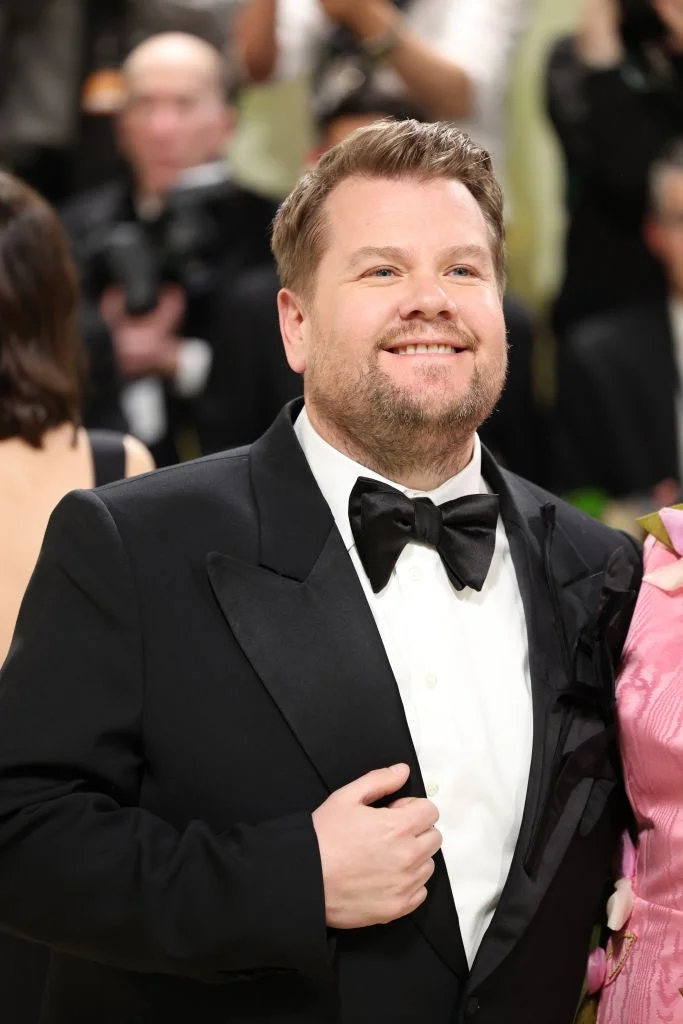
Then Mel B, who was a guest on The Late Late Show with James Corden more than once, said he was one of the biggest “dickheads” she’d encountered in show business. Her explanation: “You always have to be nice to the people that you work with,” specifically mentioning production staff, camera operators, sound, and lighting crews, but Corden “hasn’t been very nice.” Is there anything nice to say about Corden? Well, Meryl Streep, who worked with him on The Prom, said “it’s fun to work with him.” So he got a thumbs up at least, from the Great Lady herself.

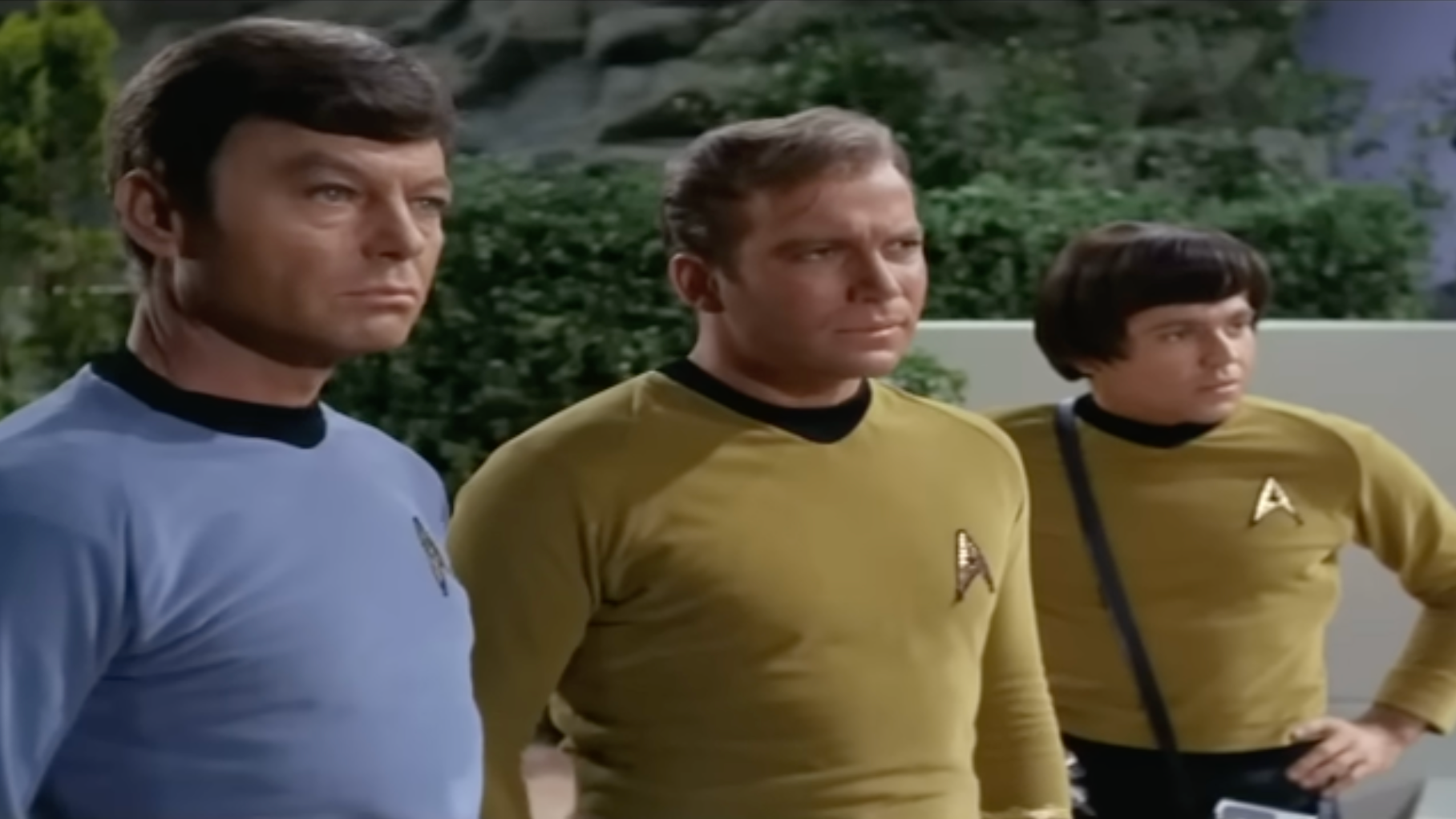
8. At 95 years of age, William Shatner comes across as fun and lovable (and impressively cogent for his age). But I'm sorry to tell you that, according to several of his co-stars on the legendary original Star Trek, he was not quite so fun or lovable. In 2022, George Takei, who played Hikaru Sulu, the helmsman of the USS Enterprise, was asked whether the original Star Trek cast had gotten along. He said, “Yes. Yes. YES. Except for one, who was a prima donna.” In case there was any doubt who he meant, he later added that none of them really got along with Shatner, describing him as “self-involved” and someone who “enjoyed being the centre of attention” and “wanted everyone to kowtow to him."

James Doohan, who played Scotty, got into it too, saying, “I like Captain Kirk, but I sure don’t like Bill. He’s so insecure that all he can think about is himself.” Doohan also reportedly refused for years to participate in Shatner-related projects or interviews, which is a pretty committed way of saying, “I hate that guy.” Nichelle Nichols even apparently eventually confronted Shatner about how the rest of the cast saw him. In Shatner’s own later account, Nichols told him that she and several of their co-stars had “quite disliked” him during the original series and viewed him as “cold and arrogant.” Shatner wrote that he was “horrified to learn this, ashamed that I hadn’t realized it.”
9. If you want a female version of Shatner — where her co-stars from one show hated her but there was little drama on her other shows — there's Alyssa Milano. Rose McGowan, who joined the show after Shannen Doherty left, went absolutely nuclear on Milano in 2020. In the middle of a Twitter fight that started over politics, McGowan suddenly pivoted to their Charmed years and accused Milano of throwing a fit in front of the crew and yelling, “They don’t pay me enough to do this shit!” McGowan added, “Appalling behavior on the daily. I cried every time we got renewed because you made that set toxic AF.” Then she finished with: “Now, get off my coattails you fucking fraud.” Now tell us what you really think, Rose. (This, btw, all came two years after McGowan said, “I don’t like her… ’cause I think she’s a lie.”)
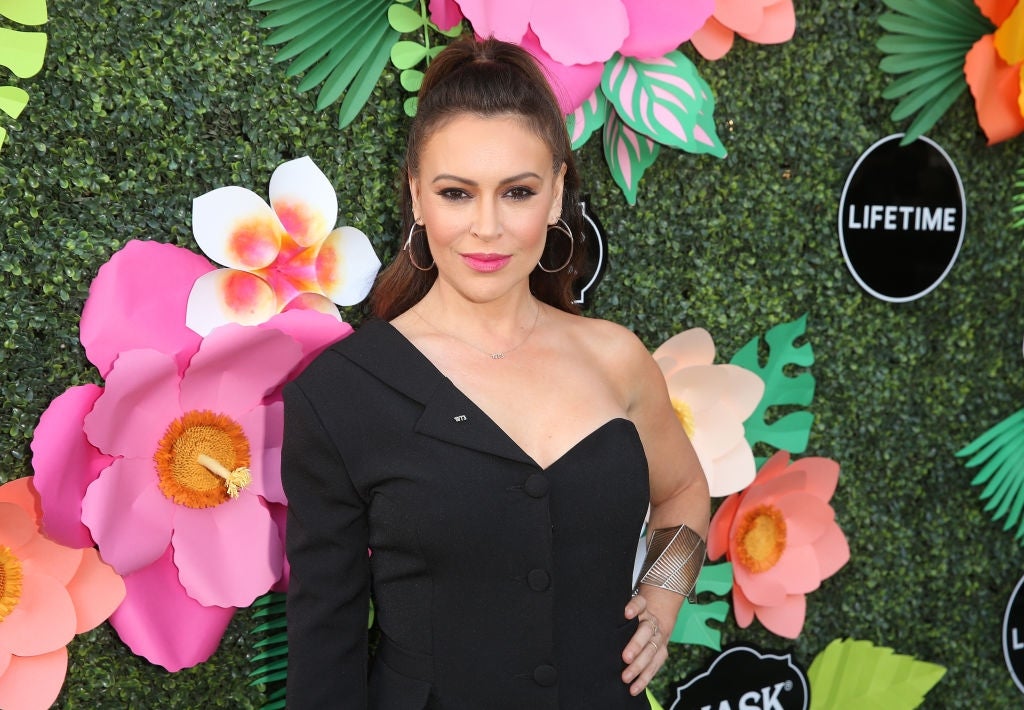
I've saved the messiest claim for last, though, and it came from Holly Marie Combs. Combs said producer Jonathan Levin later told her that production had been backed into an “it’s one or the other” situation and that Milano had threatened to sue over a hostile workplace environment. Doherty was ultimately fired. Combs has since argued that Milano had the power to stop that outcome but didn’t, saying, “Alyssa also had the power to say no, I don’t want that. But she did not.”
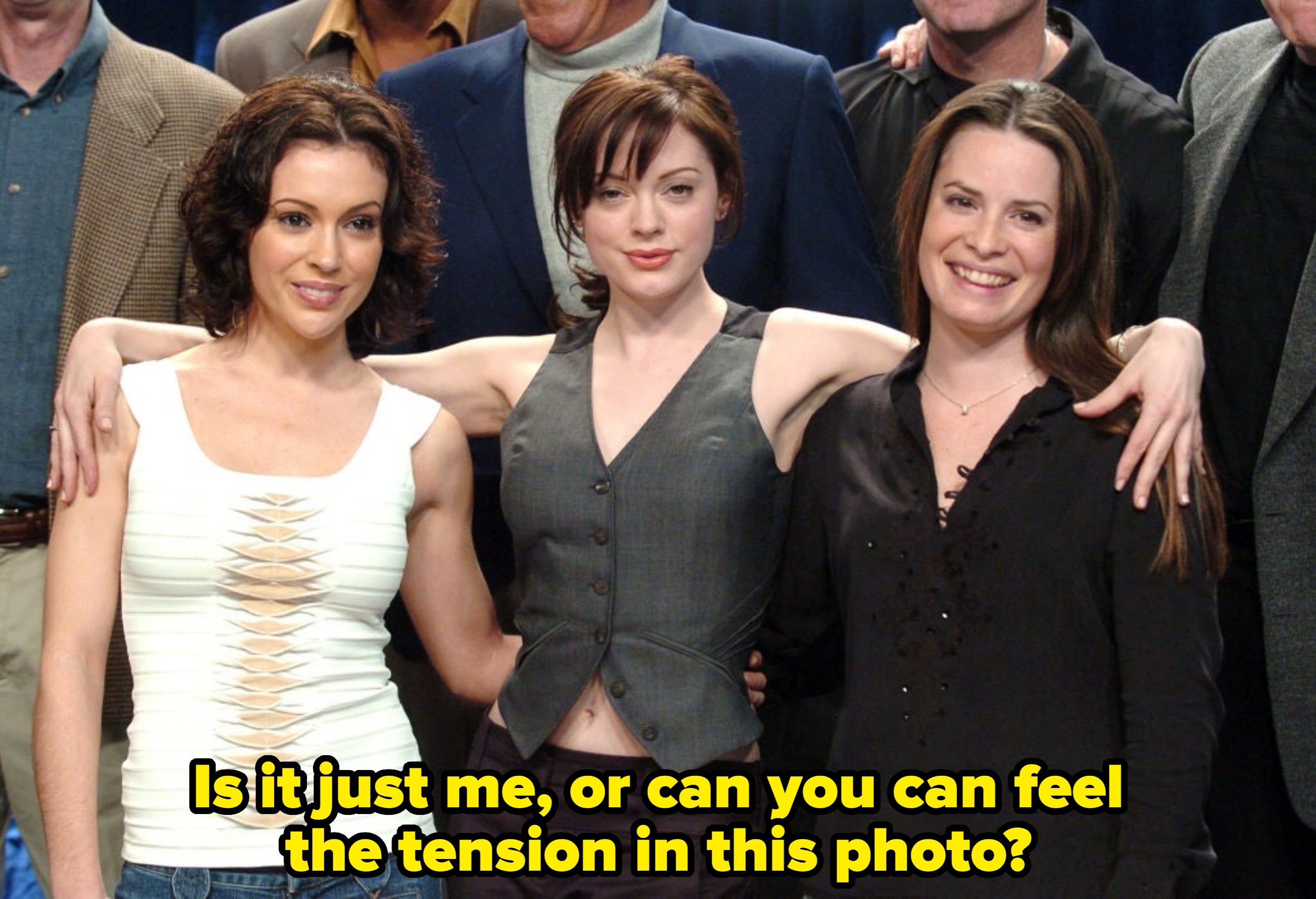
10. Val Kilmer was undeniably talented — and the 2021 documentary Val really humanized the guy‚ but wow, did he rack up some shitty reviews from the people who actually had to work with him. Batman Forever director Joel Schumacher said Kilmer wasn’t merely a temperamental actor — he was “a deeply troubled man in need of psychiatric help.” Schumacher said Kilmer could be incredibly charming, but on set he sometimes displayed what he called “tear-the-wings-off-a-fly behavior.”
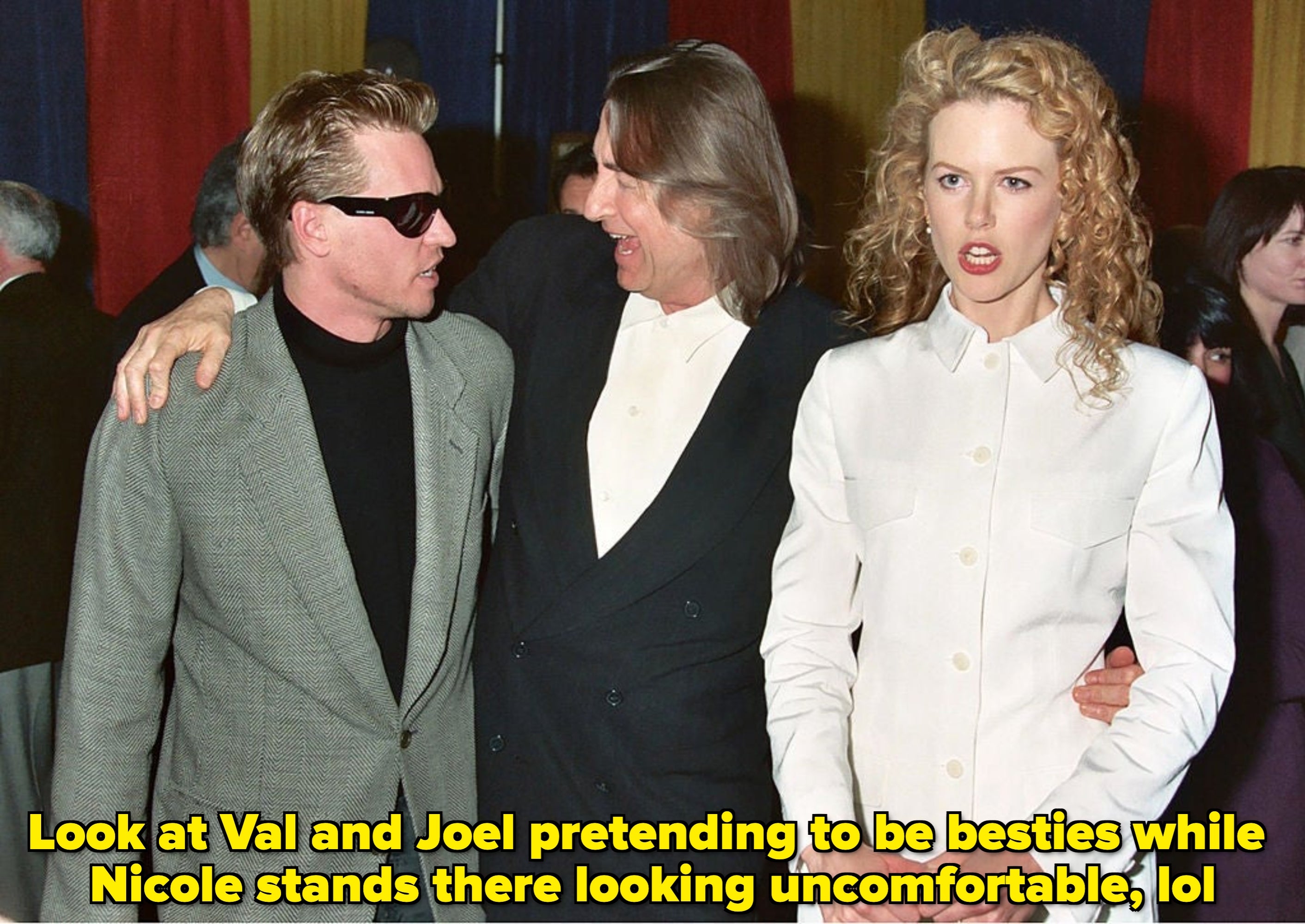
The director who REALLY had to put up with some B.S., though, was John Frankenheimer, who directed not one but two people on this list for the film The Island of Dr. Moreau. He said, “It was dreadful working with Val Kilmer. They don’t come any worse.” And Kilmer's Tombstone co-star Stephen Lang apparently got so tired of Kilmer’s intensity that he finally told him, “Look, from now on, Val, I’m just going to discount the first, say, 90 seconds that we’re together because it takes that long for you to get through your bullshit.”

11. Finally, Marlon Brando may be one of the greatest actors who ever lived, but judging from some of the people who actually had to work with him, he was no genius at being nice. Burt Reynolds said, “Marlon Brando was an unbelievable arsehole.” Reynolds said Brando disliked being compared to him physically and was rude when they finally met at a party, accusing Reynolds of capitalizing on looking like a younger Brando. Reynolds said he responded by promising him he wouldn't get fat.
Frank Sinatra’s experience with Brando on Guys and Dolls was even more poisonous. Sinatra had wanted the role of Sky Masterson himself and reportedly resented watching a non-singer get the plum part (so take this with a grain of salt), but he mocked Brando’s Method acting, called him “Mumbles,” and at one point reportedly told director Joseph Mankiewicz, “When Mumbles is through rehearsing, I’ll come out.”
Christopher Reeve was just as blunt after working with Brando on Superman. Asked whether it had been exciting to work with one of his acting idols, Reeve said, “Not really, no. The man didn’t care.” He added that Brando “took the two million and ran” and complained that watching someone of Brando’s ability “phone it in” was painful because Reeve himself cared so much about the work. That is a pretty brutal review from the guy playing your son.
Sophia Loren’s story from A Countess From Hong Kong is darker. In her memoir, she recalled that Brando suddenly “put his hands on me.” She said she immediately warned him, “Don’t you ever dare to do that again. Never again!” According to Loren, he never did — but “it was very difficult working with him after that.” She later described Brando as someone whose personal problems could make life difficult for the entire crew.
And then there was Dennis Hopper on Apocalypse Now. Hopper later said, “We had a lot of problems together.” Their relationship got so bad that Brando reportedly refused to be on set when Hopper was there, forcing parts of their material to be filmed separately. Which is honestly impressive: most people who hate a co-worker just avoid them at lunch. Brando apparently made production redesign the workday around it.
To be fair, plenty of actors revered Brando and spoke about learning from him, and Loren herself still called him a “great, great actor.” But yeah... sounds like at times the method actor was a method asshole.

Comments