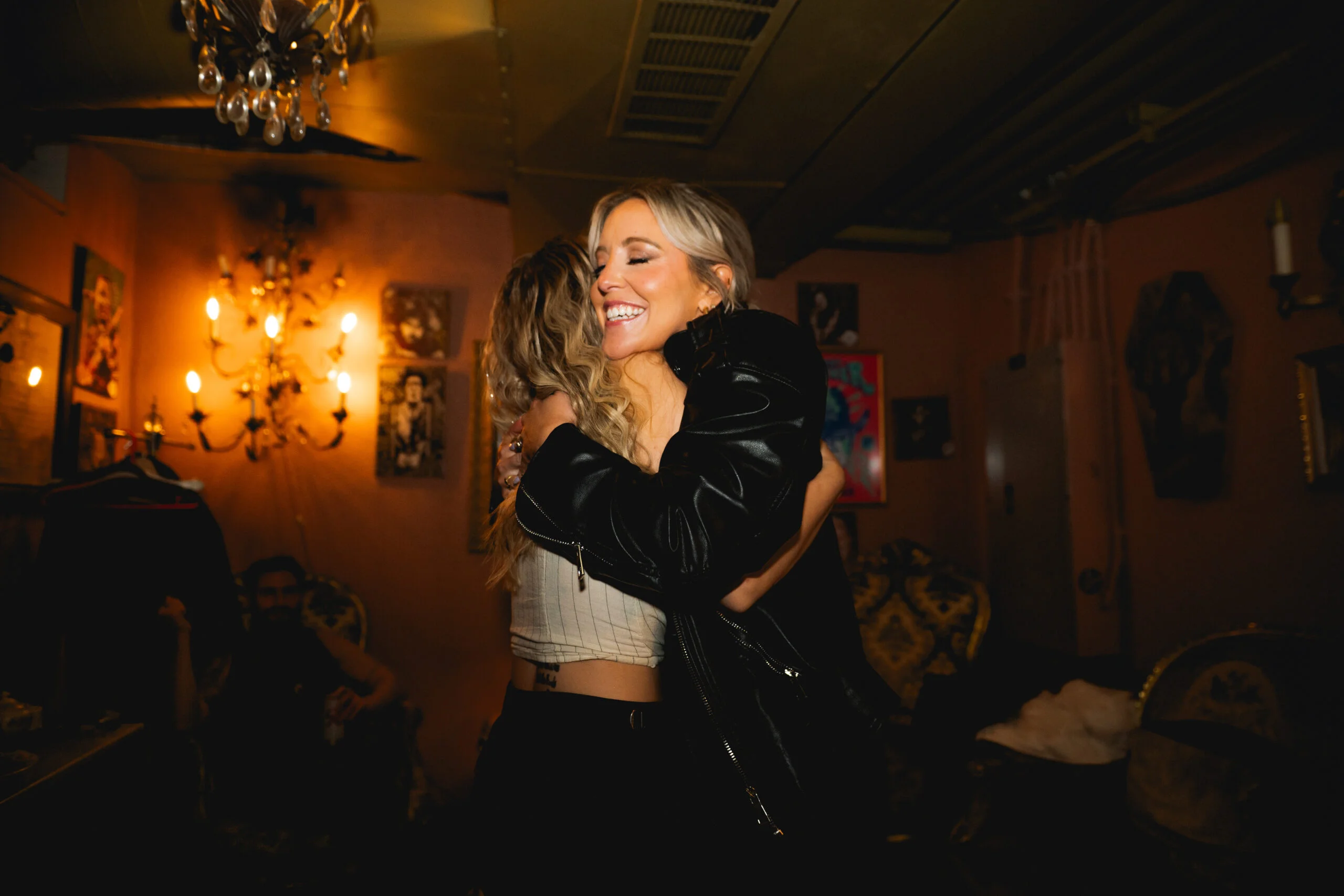
Susan G was seven years old the first time she suspected she had magic powers.
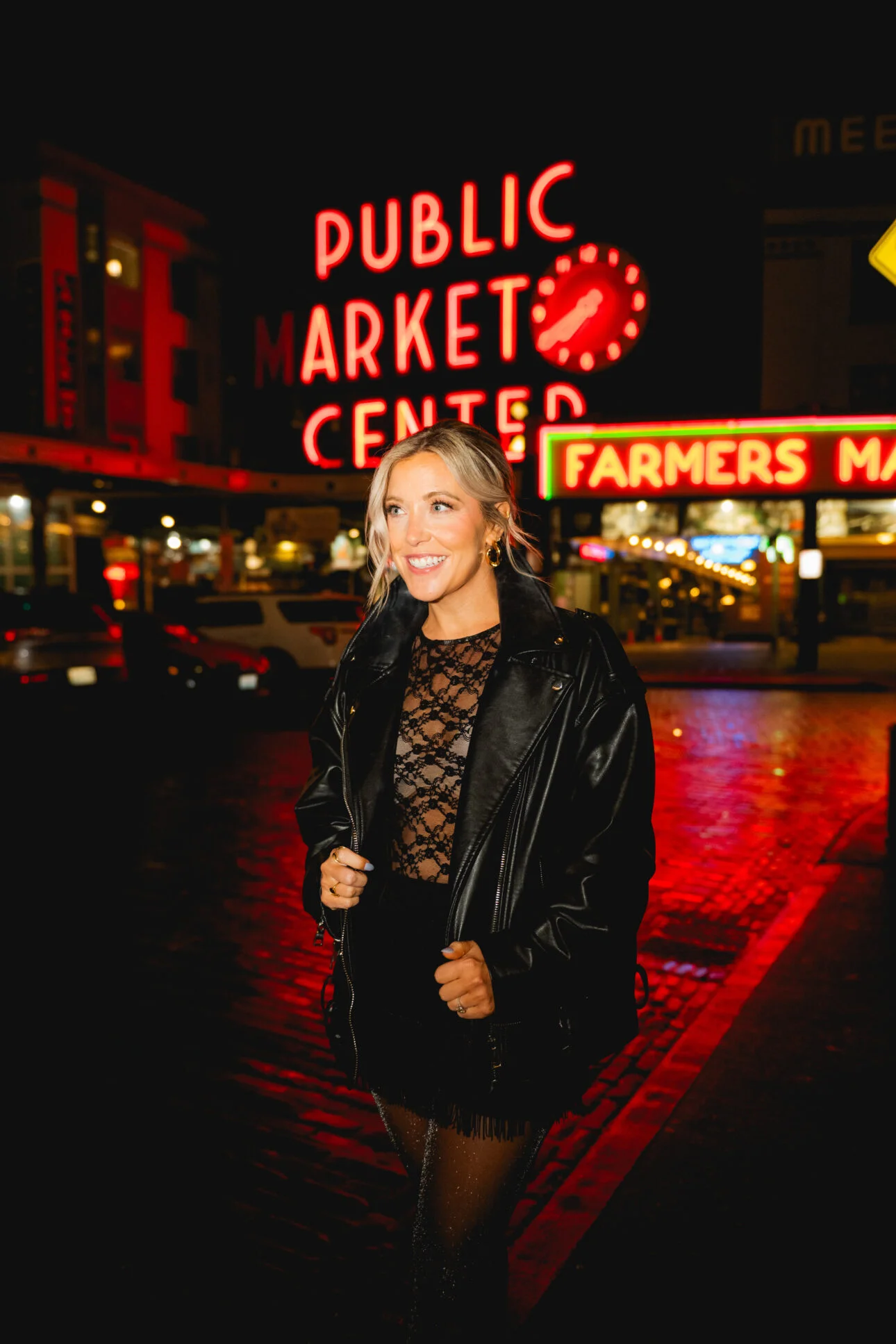
Her second grade music teacher had offered her the solo in Whitney Houston’s “Greatest Love of All,” and the choir took it to Seattle Center, the sprawling downtown hub of food courts and museums where, under normal circumstances, passersby aren’t really focused on a kids’ choir. That is, until Susan G grabbed the mic.
More from Spin:
- New U2 Album Has Dolly Parton’s Final Vocal
- Noah Kahan, Aaron Dessner Re-Team For ‘Hunger Games’
- Shelved Morphine Recordings Emerge From ‘Cocoon’
“People just kind of stopped and turned towards me,” she says. “I was like, do I have actual magical powers? This is so cool. It’s crazy that by expressing yourself, you can grab somebody and you can have a moment.”
That moment was the inciting incident where she realized she was going to be a singer. On family road trips she studied Whitney’s voice through her skipping CD player and tracked every inflection and even the shape of Whitney’s mouth on certain notes. Decades later she still chases a few of those tones. “Or she just kind of breaks, but it’s still a mix,” she says, with the reverence of someone who has tried a thousand times.
Today Susan G is a mother of two, the founder of a social media marketing agency, and an artist whose blend of 90s R&B, soul, and bossa nova has drawn comparisons to India.Arie and Erykah Badu. She is also wearing a Whitney shirt when we talk. Her neighbor recently gifted her a Whitney bobblehead for her birthday, which then rode the Seattle monorail and sat beside their cocktails for a day in the city. “Whitney’s my good luck charm,” she says.
The Diva Spectrum
Diva is a slippery word. It gets flung at women as an insult and claimed by them as armor, but it’s more than a label. It’s a frequency that shifts shape across genres and decades, from rhinestones to torn denim, from gospel to punk, from Aretha Franklin and Whitney to Dolly, Christina Aguilera, Cher, Mariah Carey, Lana Del Rey, and even Joan Jett. It’s an ever-evolving way of life, and you can’t define it on paper, but when you know, you know. Consider that Dolly Parton wrote “I Will Always Love You” and Whitney Houston sang it in The Bodyguard, turning a country goodbye into the ballad of the decade and a cinematic legacy. Two radically different artists, one song, and the same unmistakable energy of a woman standing fully in her power with zero apologies for her greatness.
Susan grew up marinating in that spectrum of energy. Then Alanis Morissette arrived and gave her permission to be furious, and experience her very own Millennial “Coming of Rage.” “I was rollerblading in my garage listening to Alanis, being all angsty,” she laughs. “That was the first time I saw, ooh, women can be angry.”
What she took from all of them was range. “Whitney went into movies and people were like, oh, you’re a singer,” she says. “I love women who show how multidimensional they are.”
That multidimensionality became the blueprint for her own life, though it took a while, and one global pandemic, to gain the clarity and perspective she has now.
The Stage in the Living Room
For years Susan lived what she calls, with a wink, the rock star life in downtown Seattle. She slept until nine or ten, played several shows a week, and only had to answer to herself. The talent in Seattle was insane, she says, but the industry was thin. If she wanted to move the needle, she had to reach people outside the city, so she taught herself everything she could about personal branding and social media and treated content as one more artistic outlet.
Then she met her husband, Jake, who had a three-year-old son. Then came the engagement, the house, the driveway, the dog. Then she got pregnant, and the pandemic hit.
“My entire identity was flipped on its head,” she says. “The baby phase was really hard for me. Being disconnected from community was really hard for me.”
So Jake built a stage in their living room, and once a week, after the baby went down, Susan went live on TikTok, then Instagram and Facebook. The audience that showed up was new, and a lot of it was moms. Susan started asking the women a few years ahead of her the question she couldn’t answer herself. “How do I protect the creative side of myself that I really value while your existence right now is keeping these kids alive?”
Those conversations turned into friendships, and the friendships evolved into business. So many of these women had big audiences and no idea how to monetize them, so Susan started brokering brand deals on their behalf. “I found I really liked the negotiation process because it didn’t have to do with me,” she says. “It was me being like, no, this bitch is awesome. She’s going to crush it.”
That became her agency model, built on getting women paid to be loudly themselves online.
Split in Two, and Whole
For most of her life Susan felt forced to choose between two versions of herself, the go-with-the-flow artist and the Type A business operator, but as she got older, the choice dissolved and integrated into wholeness.
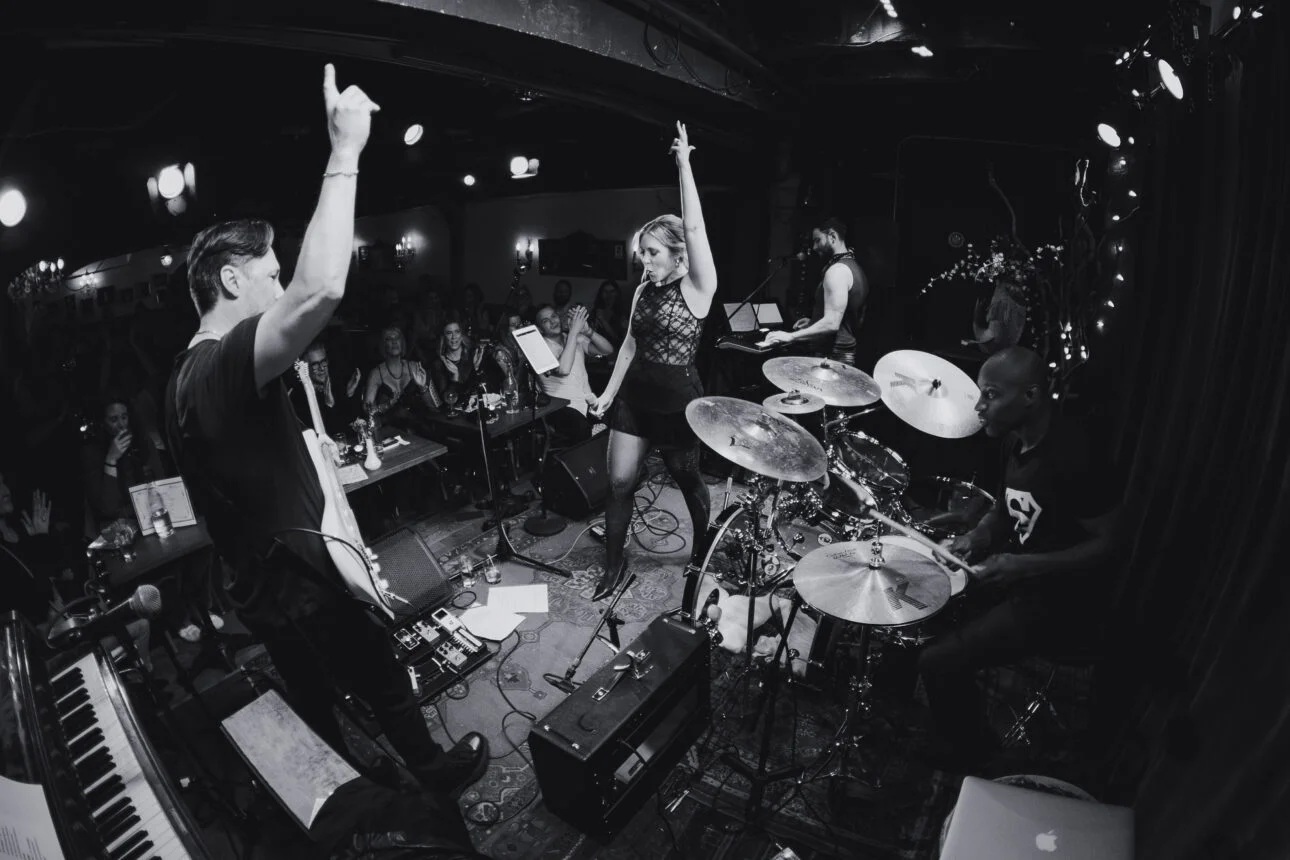
“I’m realizing as I get older that it’s more of a superpower,” she says. Her own music became a lab where she could test strategies without consequence, then bring what worked to her clients. When she recorded a Christmas EP in a spare bedroom turned studio, squeezing sessions in while the kids were at school, she skipped the traditional release party. Instead she threw a holiday bash that doubled as a networking night for her creators and the brands paying them, with Susan performing songs from the record in the middle of it all.
That, she says, is her sweet spot, bringing creative people together, getting corporate money into artists’ hands, and keeping music at the center.
It also answered a question she had been repeatedly asking herself. “I’m trying to prove to myself first that you can be a mom and have these more traditional roles put on you, and also pursue who you are as an individual and go after really big dreams,” she says. “Then give other women permission to do the same.”
Mourning the Old Dream
Susan is candid about where she is right now, which is in a window of reevaluation. The pinnacle she imagined as a kid, the major label machine that turns a singer into a star, barely exists anymore. “When you’re watching major artists cancel tours and seeing all these conversations about the economics of touring, you start wondering: what does success even look like for an independent artist now?”
Seattle is expensive, and while music could support her alone, a family of four is a different math problem. She’s currently pursuing sync licensing and has come close to placements more than once.
“It’s like mourning the old version of what the goal is,” she says. “What does it look like to be a successful artist? That’s going to look different for everybody. There’s no roadmap anymore.”
Her emerging answer is experiential. She’s rethinking her live shows for her core audience, millennial women like her, who have to line up a babysitter and spend real money to get out of the house. Picture the first 20 minutes as a throwback dance party, then a set of her newer, 90s-soaked material. She wants a night that makes women feel like the parts of themselves they don’t get to visit often enough.
“As a woman in America right now, I feel like the greatest rebellion I could be involved in is being as joyful as you can,” she says, “and giving women permission to be as joyful and expressive as they want to be.”
Love Songs After the Wedding
Happy marriages are notoriously bad for songwriting, and Susan knows it. “I told my husband when we first got married, this is bullshit,” she laughs. “I used to write darker, love-angsty stuff. You ruined my creative process.”
Her workaround is storytelling, and her latest video, which was filmed by Jake, explores the one that got away, the near miss who drifts in and out of your life for years. Neither she nor Jake is the jealous type, so she got to flirt with the idea on camera while her husband was there to support the vision.
Motherhood has added some new wrinkles. Her youngest, now seven, has discovered her YouTube channel (“Let’s skip that one”), and her stepson’s friends’ parents follow her online. She admits to sitting in PTA meetings hoping nobody is watching her music video, but then she flips it.
“You know what? I hope they are,” she says. “Let’s live your life. I’m a woman. So sue me.”
Where to Start
For the uninitiated, Susan offers three doors in.
“Why We Waitin” began as a pitch for a TV show that needed 90s nostalgia pop and R&B. She fell so hard for it that she asked to release it herself. “You can’t be in a bad mood while listening to it,” she says.
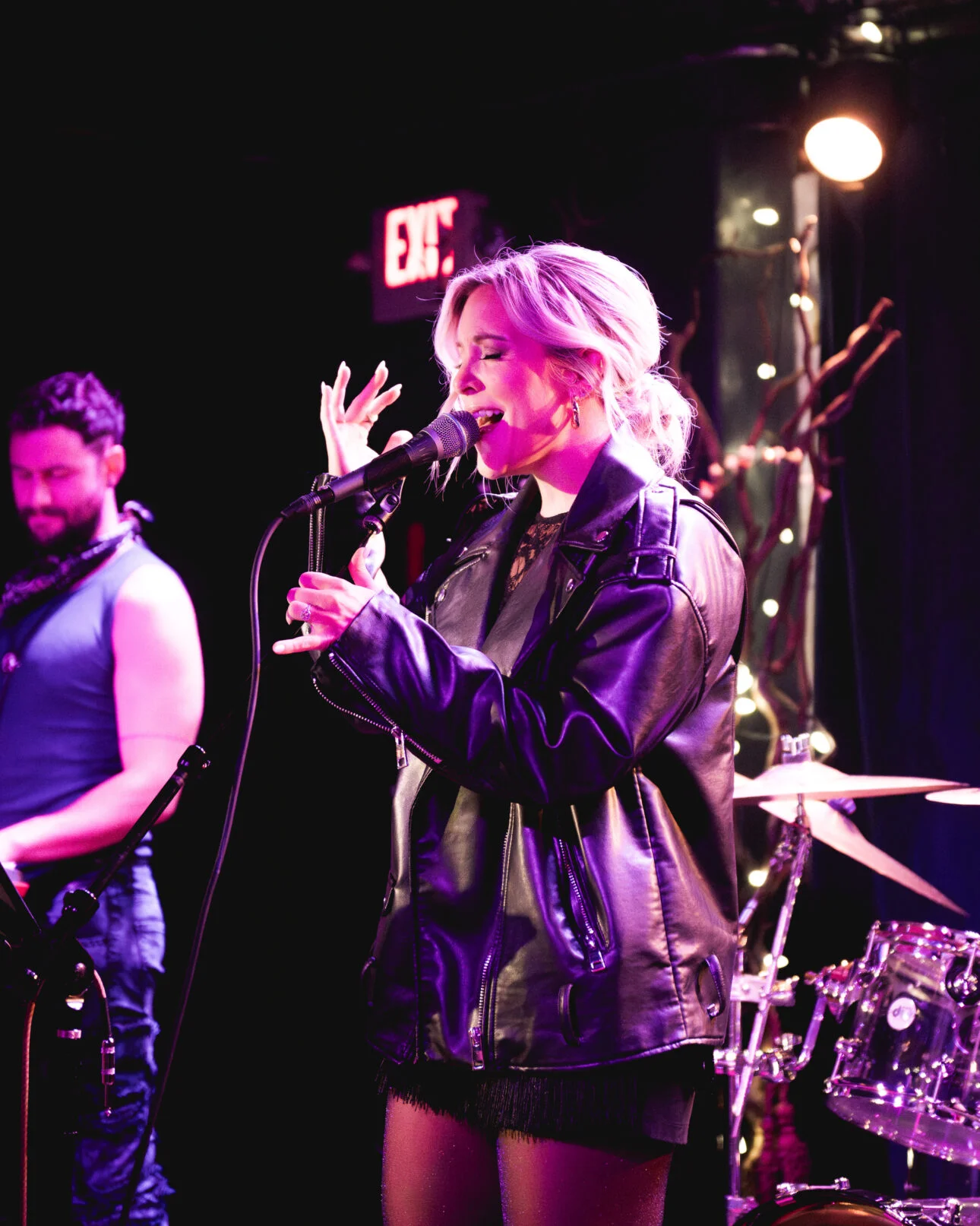
“Spin” was a happy accident. She loves cooking to bossa nova (loves it more than cooking, frankly), loves a 90s hip-hop R&B beat, and loves soulful vocals, so she asked what happens if you put all three in one song. The result is meant to feel like dancing in your underwear in the living room, alone and celebrating yourself. The second verse was inspired by a friend going through a divorce, and is about the moment you realize you’re bigger than your situation. When Susan performed it at DistroFest on the East Coast, with SPIN in attendance, fans already knew the words and chanted her name.
“Unafraid” is the classic love song, which was written for Jake and dedicated to commitment-phobes everywhere. Susan wasn’t sure she ever wanted to get married, and certainly not before 30. The song, with its Etta James-style soul reworked through an R&B lens, captures the moment the fear loosened.
Every one of these songs comes from real moments, lived by her or a friend. “I want people to recognize themselves in it and know they’re less alone,” she says. “Let’s say it out loud and share it and be there with each other and have some fun at the same time.”
I’m Every Woman
Chaka Khan and Whitney both made “I’m Every Woman” an anthem, and it fits Susan G to a tee. Singer, mother, stepmother, strategist, friend, and hype woman for other women’s careers. The woman who compliments a stranger’s tracksuit at the gas station and ends up in a mutual admiration exchange over jorts. The seven-year-old at Seattle Center, still chasing that moment when a room turns toward her.
“Women are magical,” she says. “I love them.”
Spoken like a true diva.
To see our running list of the top 100 greatest rock stars of all time, click here.