
Christopher Nolan's The Odyssey just hit theaters, and, no surprise here, it's a spectacular, sweeping adaptation of Homer's classic epic. Beyond the A+++ performances and breathtaking visuals, I was especially blown away by the film's technical achievements. So, after my screening, I did a deep dive to learn more about how Nolan and his team pulled it all off. From groundbreaking IMAX innovations and massive practical sets to the incredible lengths the cast went to prepare for their roles, here are 23 behind-the-scenes details that made me appreciate the movie even more.
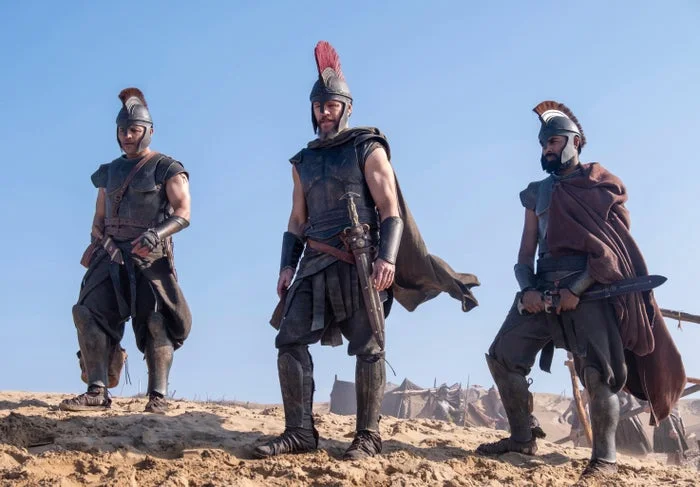
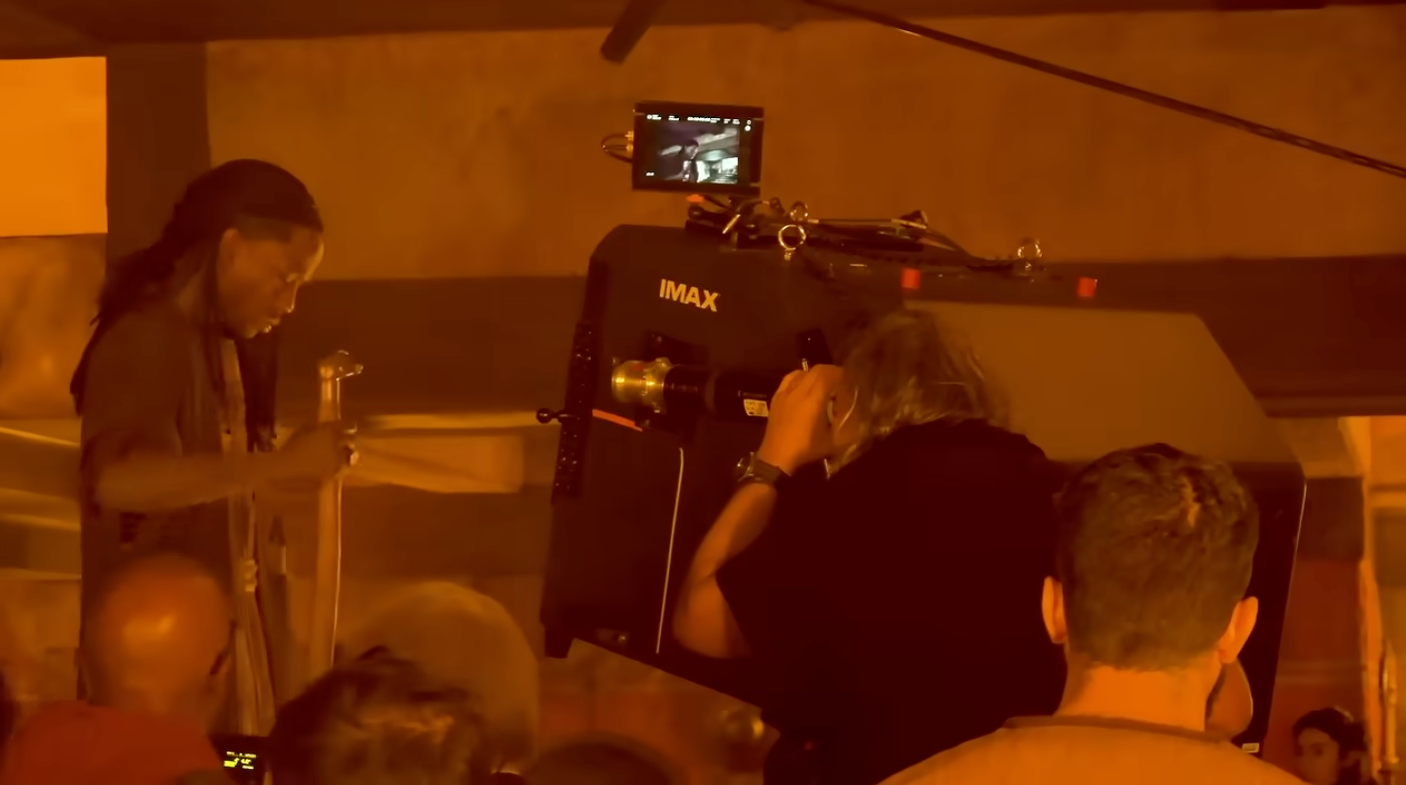
1. The Odyssey is the first feature film ever shot ENTIRELY with IMAX film cameras. Christopher Nolan had used IMAX cameras in many of his previous films, but The Odyssey marks the first feature ever shot completely with them from beginning to end.
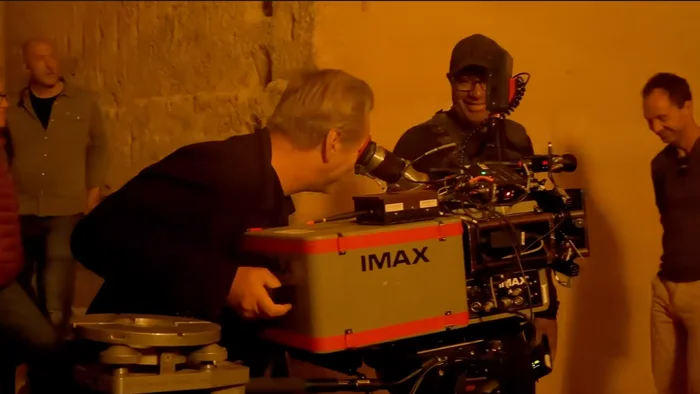
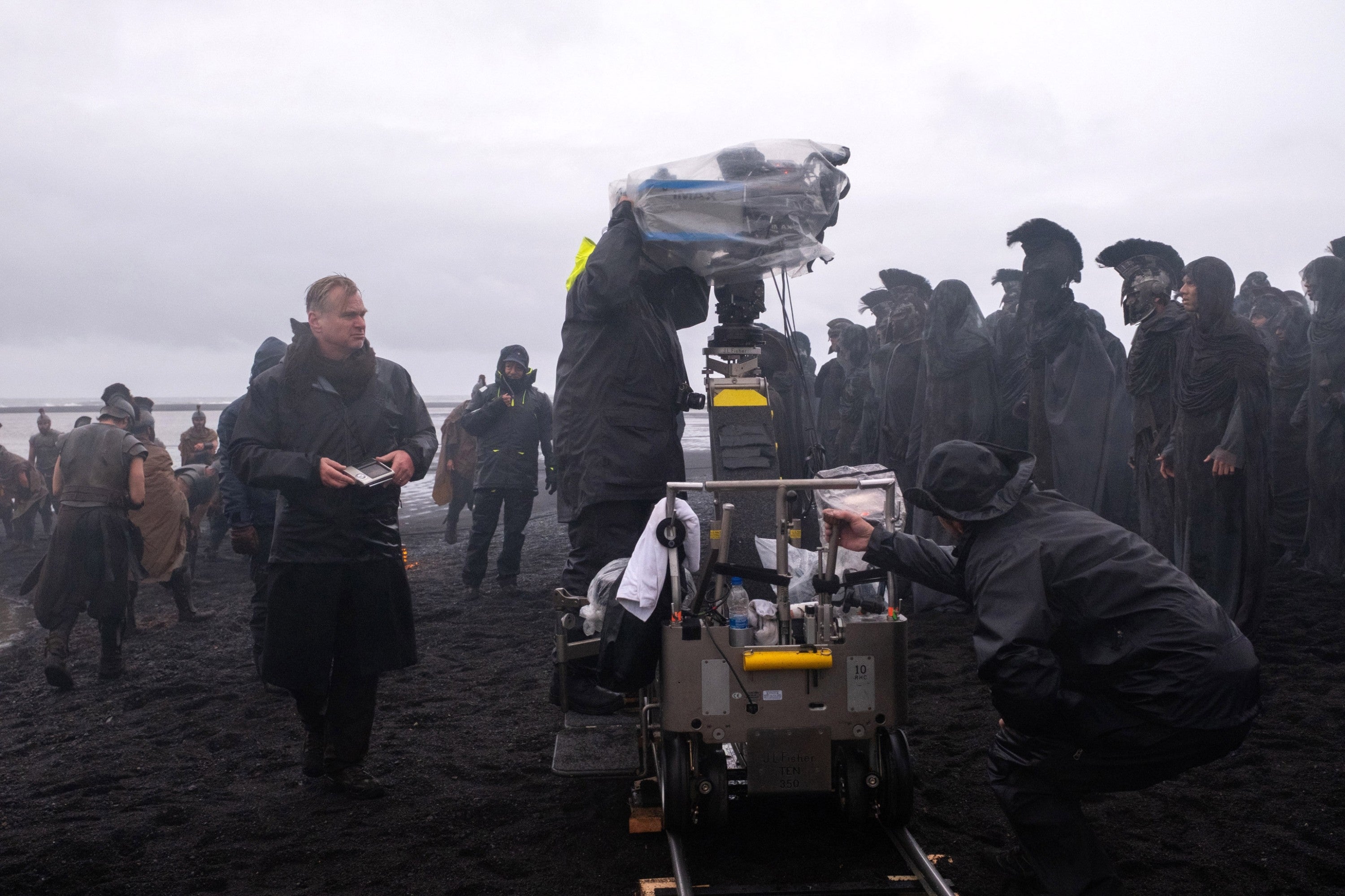
2. In order to make this happen, the production relied on a brand-new IMAX camera system that was developed specifically so the notoriously loud cameras could finally record dialogue scenes. For years, one of the biggest drawbacks of IMAX film cameras was how noisy they were, making it nearly impossible to record dialogue during close-up conversations.
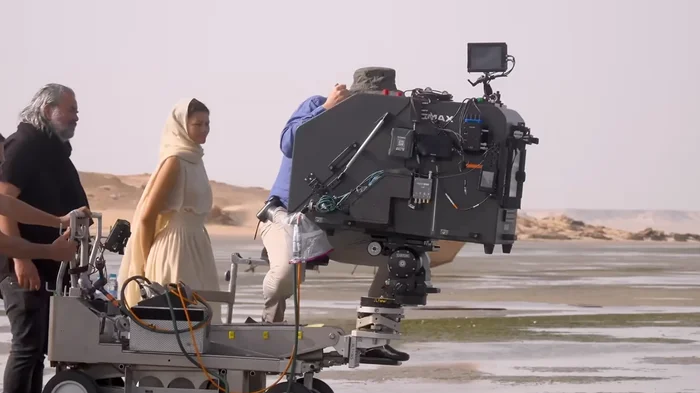
While preparing for The Odyssey, Nolan basically challenged IMAX engineers to solve the problem once and for all, leading to the creation of a soundproof housing nicknamed "the blimp" that dramatically reduced the cameras' noise. The upgraded system, later named the Keighley camera, ultimately made it possible to shoot the entire movie in IMAX.

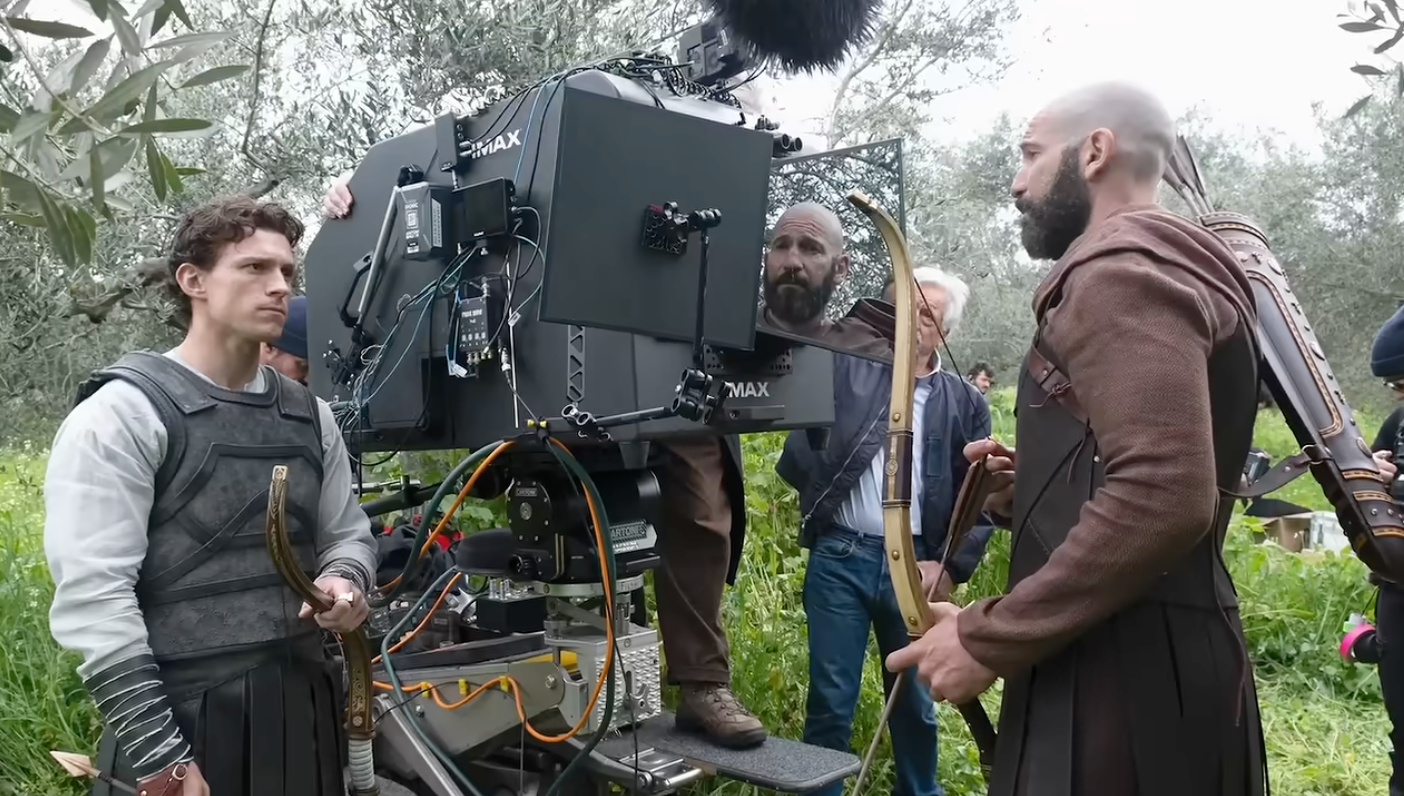
3. And, FYI, IMAX cameras are huge on their own, but with these new upgrades, they're even bigger and weigh nearly 300 pounds. In fact, once the cameras were enclosed inside their soundproof housings, they became so heavy that it took a team of six crew members just to carry and position them throughout production.
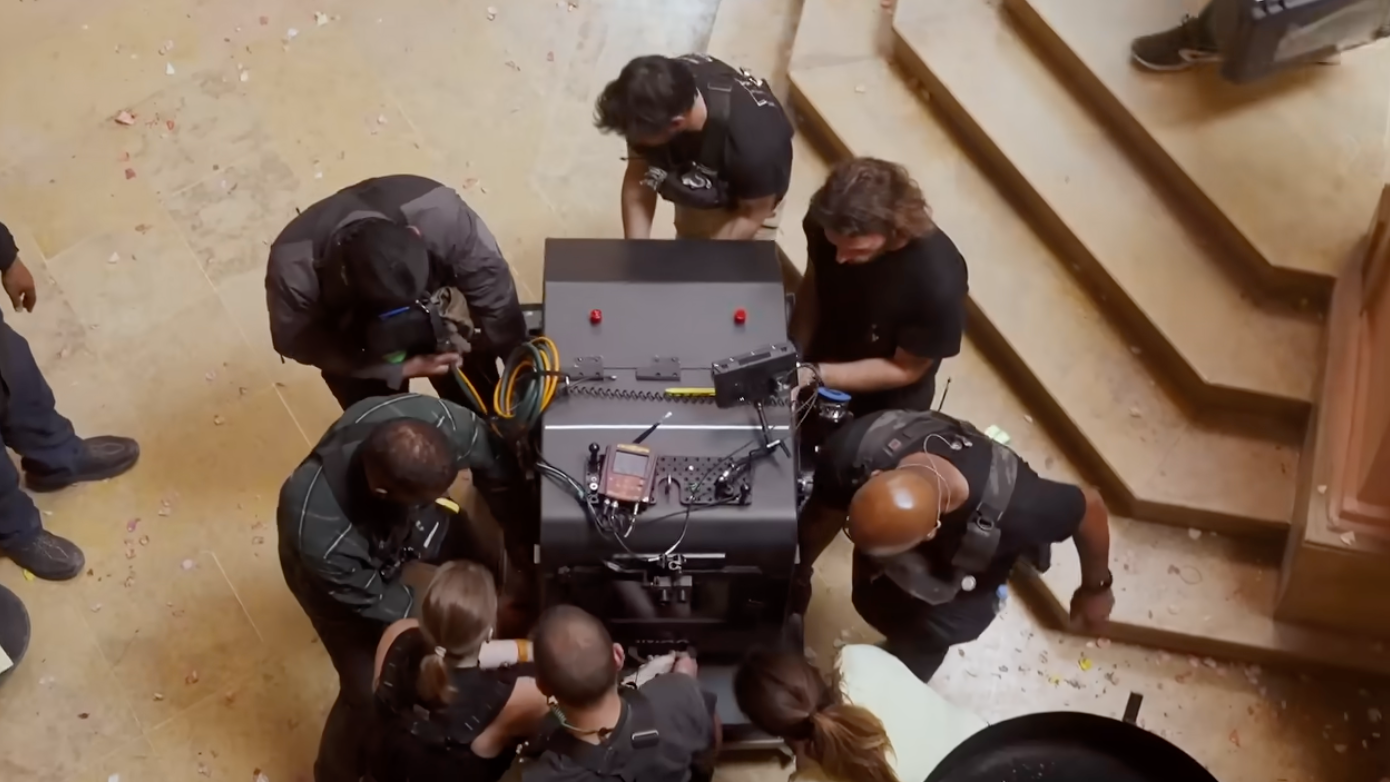
4. The cameras were so bulky, the crew had to literally invent a way for actors to make eye contact. Because the oversized IMAX cameras often blocked performers from seeing one another during dialogue scenes, the crew built a mirror system that allowed actors to maintain natural eyelines while filming.
5. The movie used more than 2.1 million feet of film according to the filmmakers — that's longer than the distance between Toronto and New York.
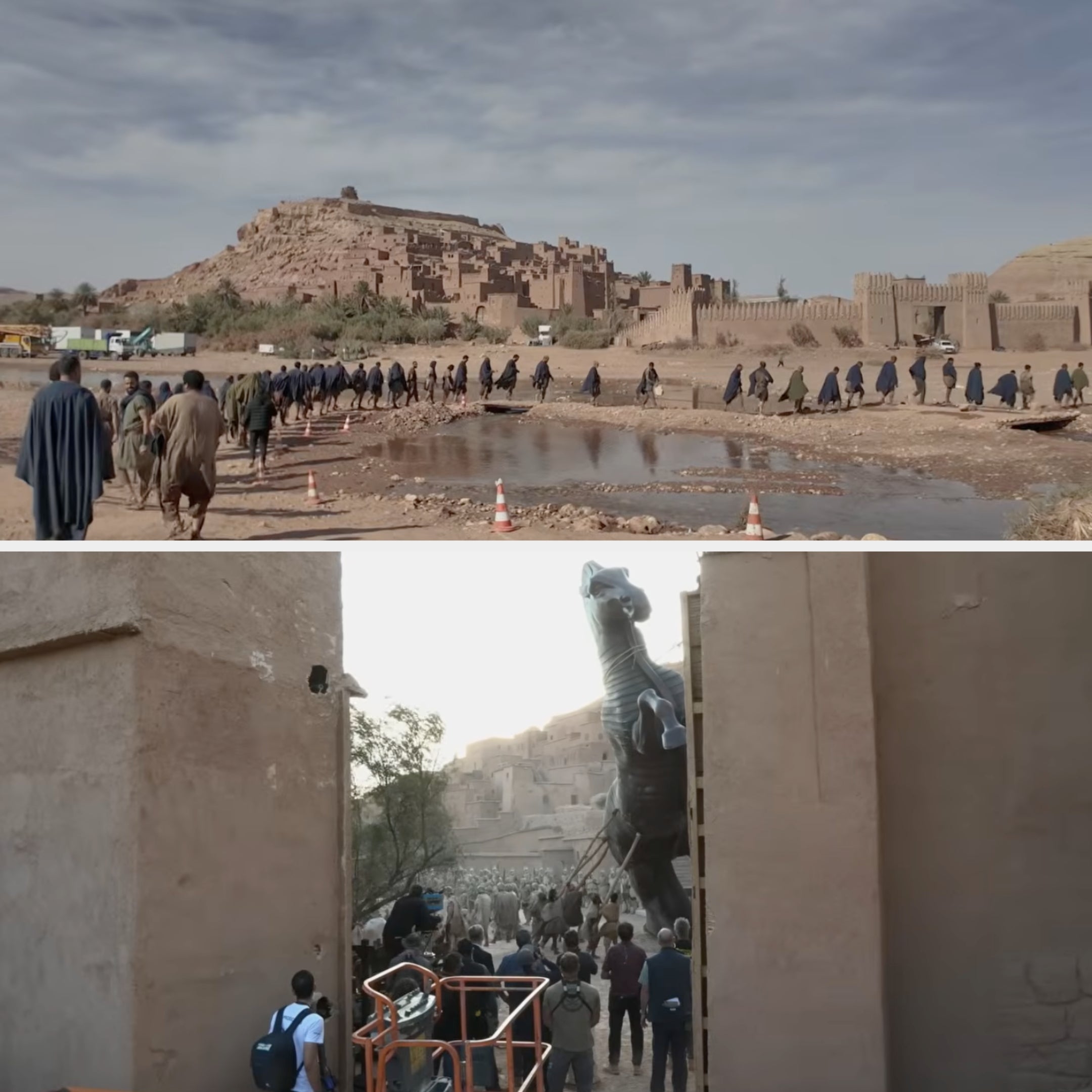
6. The set for Troy covered more than 110,000 square feet and was large enough to hold over 2,000 extras. It included more than 60 structures, including a massive Temple of Athena, hand-built stone staircases, working city gates, and even 15 full-grown olive trees that were craned onto the set to help bring the city to life.
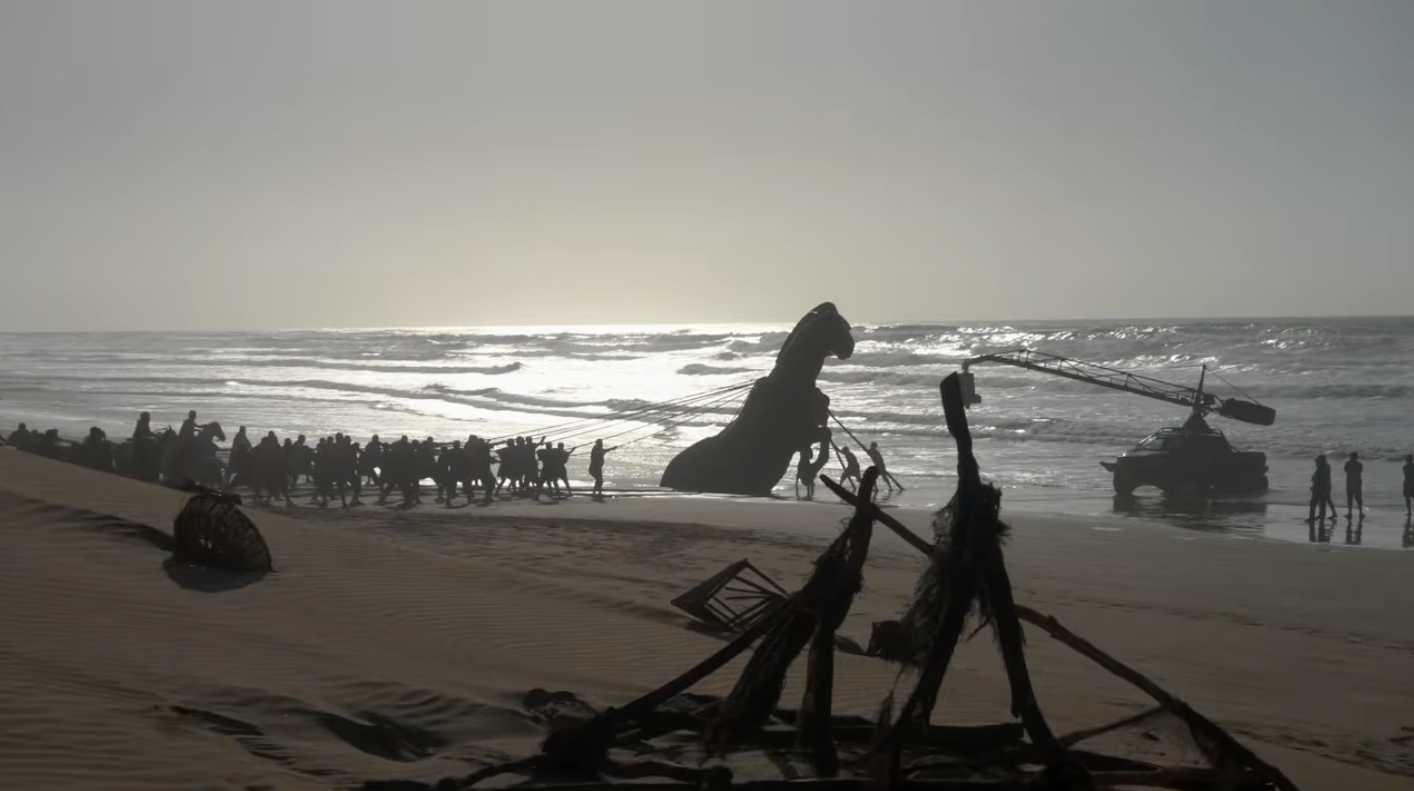
7. Nolan completely reimagined the Trojan Horse to make the famous deception feel more believable. Instead of the traditional horse sitting on wheels, his version was designed as an offering to Poseidon that had washed ashore and become partially buried in the sand. The Trojans then had to drag the enormous horse into the city themselves, which Nolan felt made the trick much more convincing.
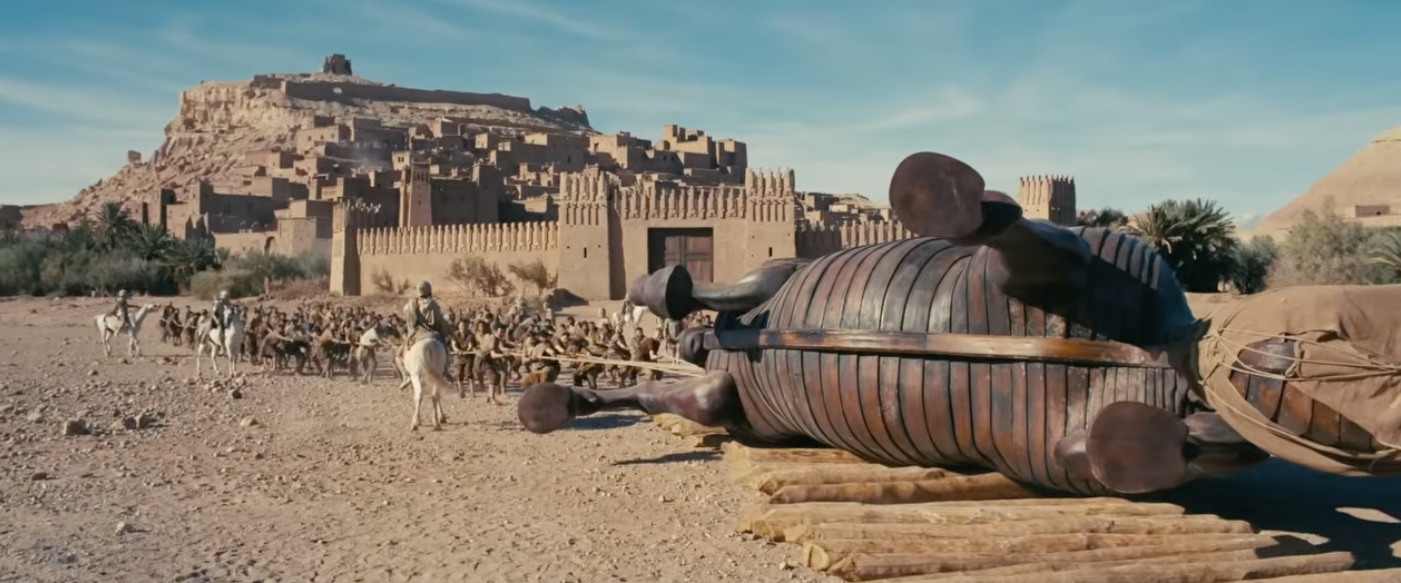
8. The Trojan Horse took such a beating during filming that the crew joked it had "nine lives." Multiple 35-foot-tall horses were built for the movie, but the one used on the beaches of Morocco was repeatedly dragged across the dunes until it started falling apart. Thankfully, the art department kept repairing it so it could survive the rest of production.
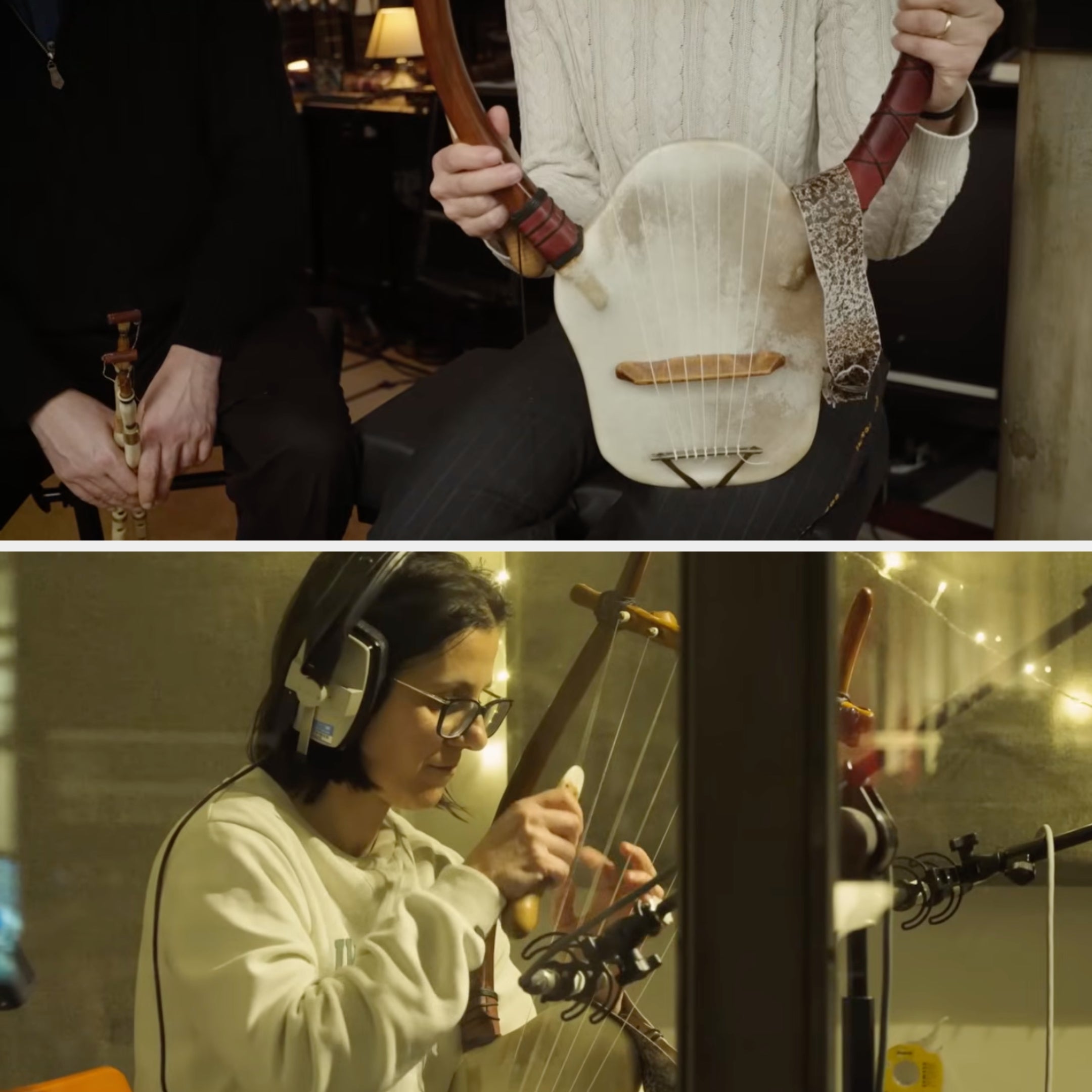
9. Composer Ludwig Göransson reconstructed an ancient Greek lyre to help create the film's score. Rather than simply imitate ancient Greek music, the Oscar-winning composer worked with reconstructed period instruments to develop the movie's sound. He also based Odysseus's musical theme on the sound of a lyre string being plucked like a bowstring — a subtle nod to the hero's legendary weapon.
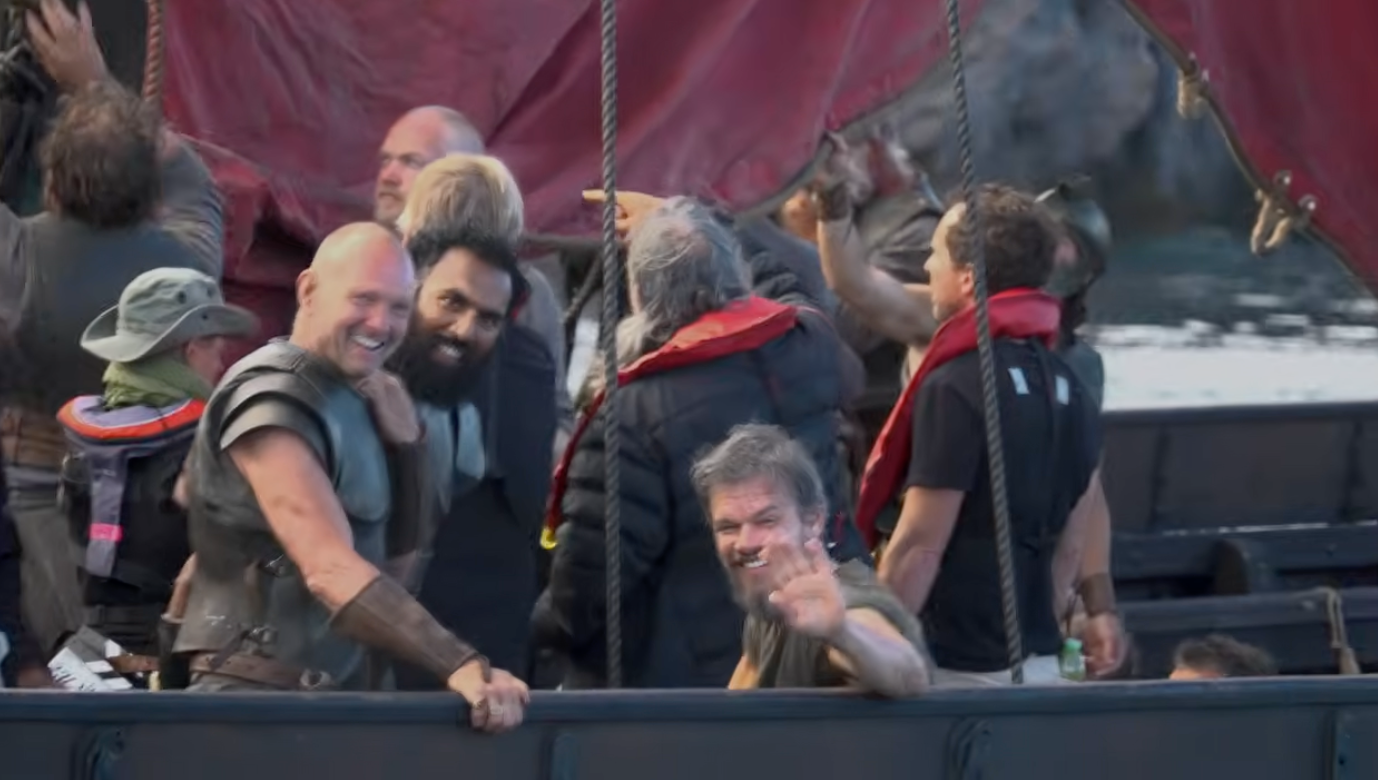
10. Matt Damon (Odysseus) said every day on The Odyssey would've been "the hardest day" on almost any other movie. He described filming in freezing rain on Iceland's black sand beaches, battling brutal weather around the world, and working in some of the most physically demanding conditions of his career.
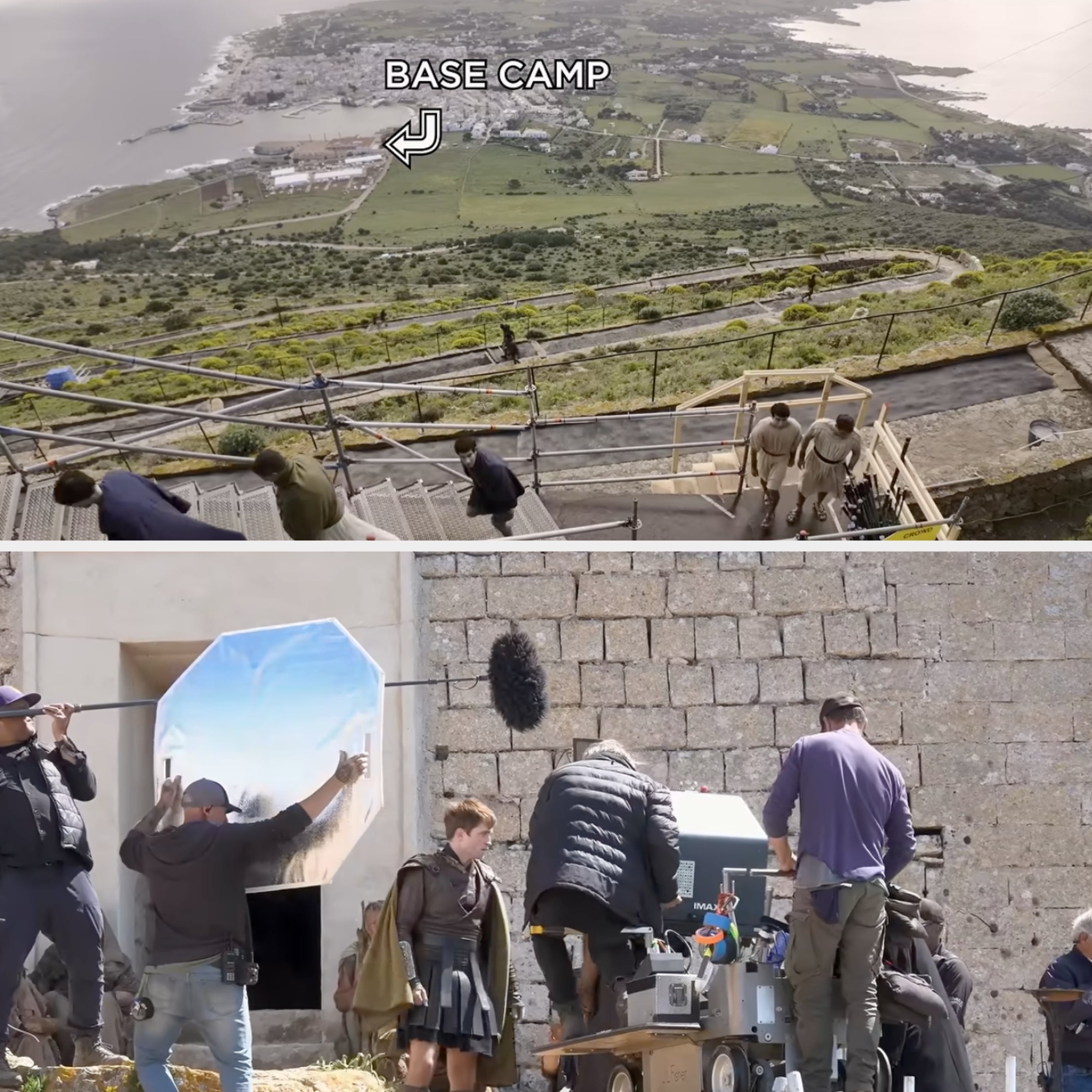
11. The cast and crew spent three weeks hiking up a mountain every day to reach Odysseus's palace. Nolan chose to film Ithaca at a 15th-century castle perched more than 1,000 feet above sea level on the Italian island of Favignana. The only problem? Italy wouldn't let the production build an access road to the historic site, so most of the cast and crew — including Nolan himself — made the steep hike every morning. The production eventually built a funicular lift and even used helicopters to transport equipment, but the daily trek became an unexpected bonding ritual.
12. Anne Hathaway actually learned how to weave so she'd look authentic as Penelope. Because weaving is such an important part of Penelope's story, Hathaway trained with an expert in Northern California using ancient-style looms. She said there was a moment when everything "just clicked," although she joked it would still take years to become truly skilled enough to create intricate pieces.
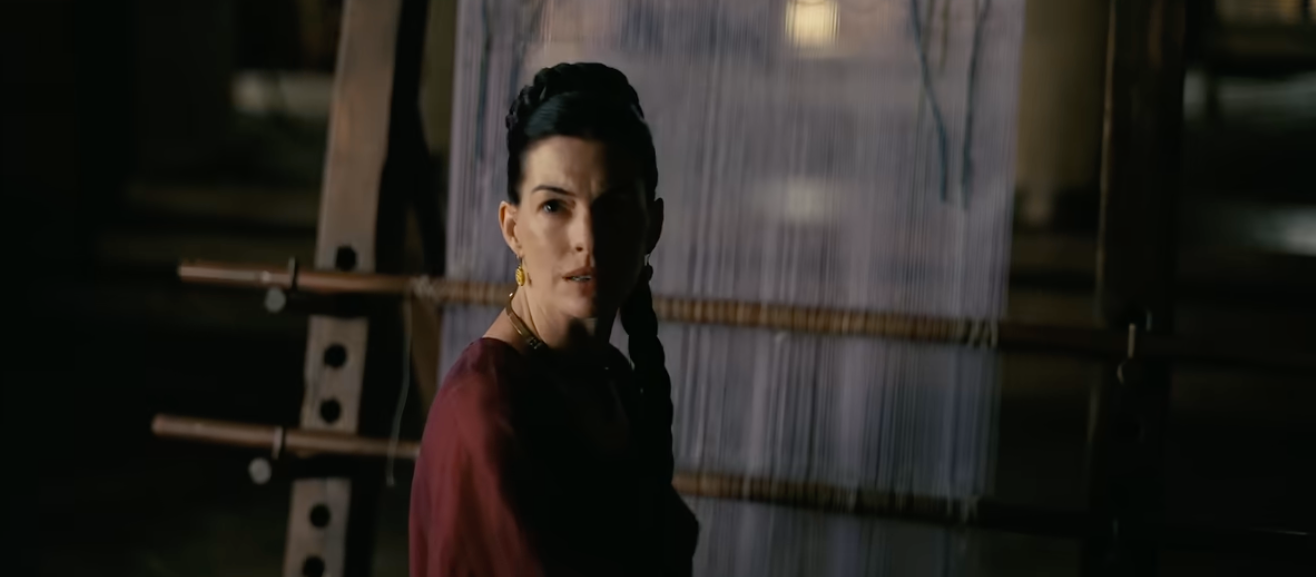
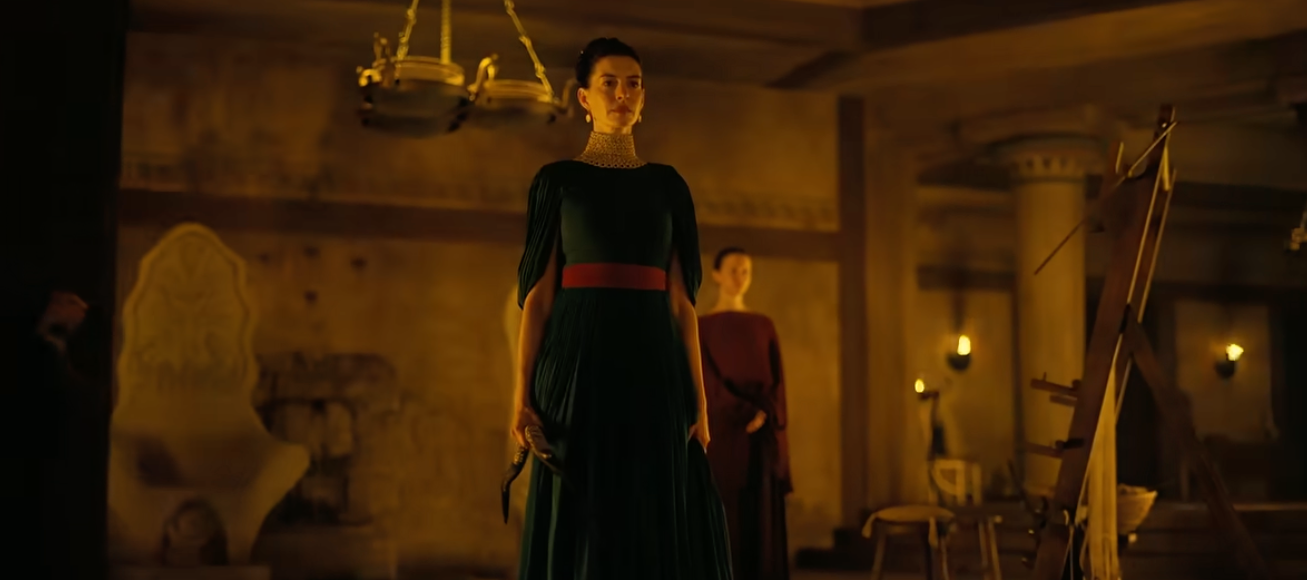
13. Hathaway's costumes quietly changed throughout the movie to reflect Penelope's emotional journey. Costume designer Ellen Mirojnick said Penelope's wardrobe subtly evolved as the years passed, mirroring her emotional state while she waited for Odysseus to return.
14. Matt Damon agreed to star before Christopher Nolan even told him what the movie was about. Damon said Nolan asked if he was available for another film, and he immediately said yes. When Nolan asked if he wanted to hear the pitch first, he simply replied, "Okay, sure," before Nolan revealed just two words: "The Odyssey."
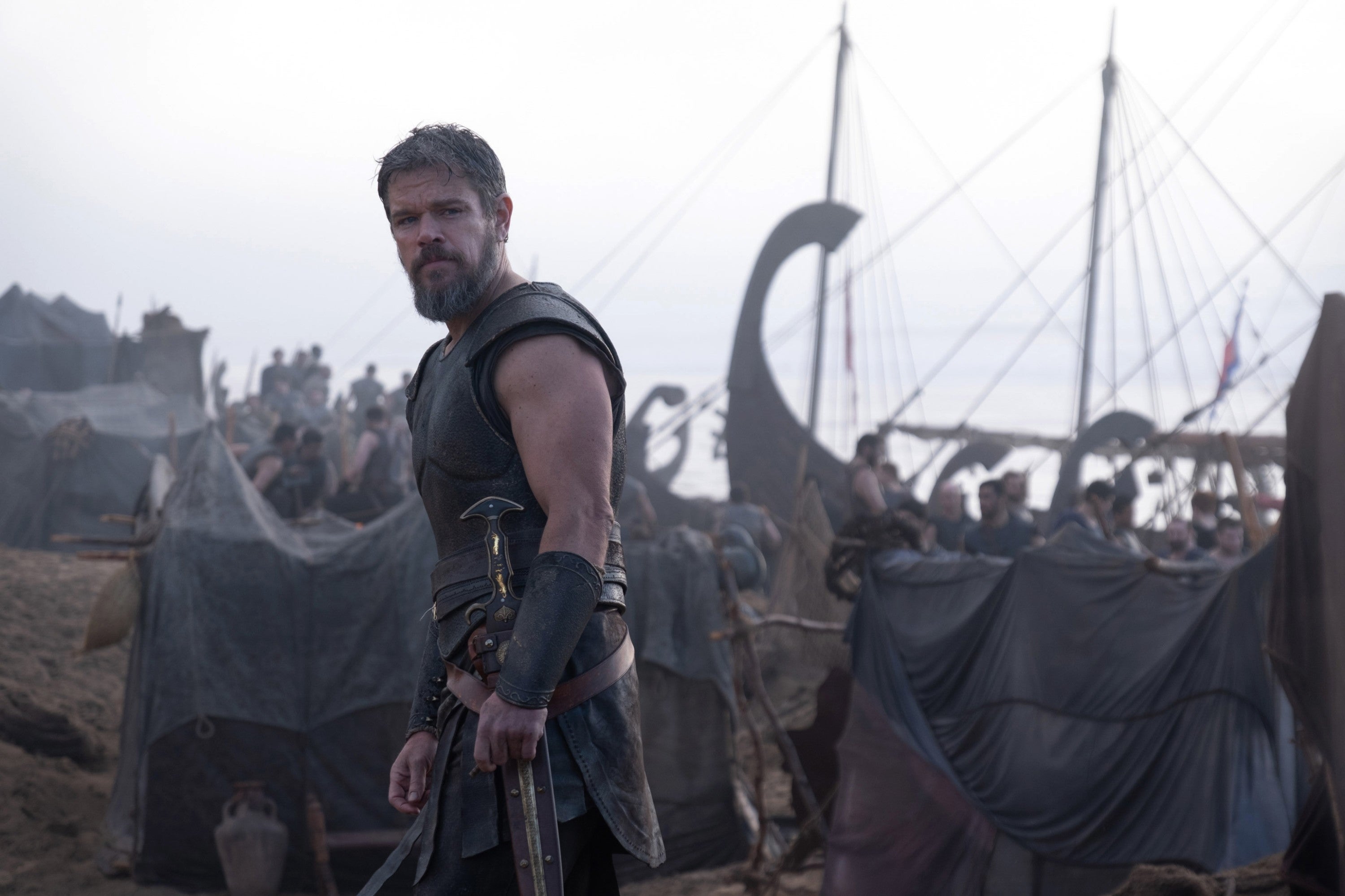
15. Tom Holland got to be the one who told Zendaya that Christopher Nolan wanted to talk to her about joining the movie. Zendaya said she had been over the moon when Holland was cast as Telemachus and never imagined there might be a role for her, too. So when Holland came home from a meeting and told her, “Chris wants to talk to you about something,” she responded, “Wait — what?!” and later said it felt like she had “won the lottery.”
16. During filming, Nolan had to remind Tom Holland that Telemachus wasn't supposed to be too good at fighting. According to producer Emma Thomas, Holland was so naturally athletic that Nolan occasionally had to ask him to dial it back because Telemachus was still a young man learning to become a warrior, not an expert yet.
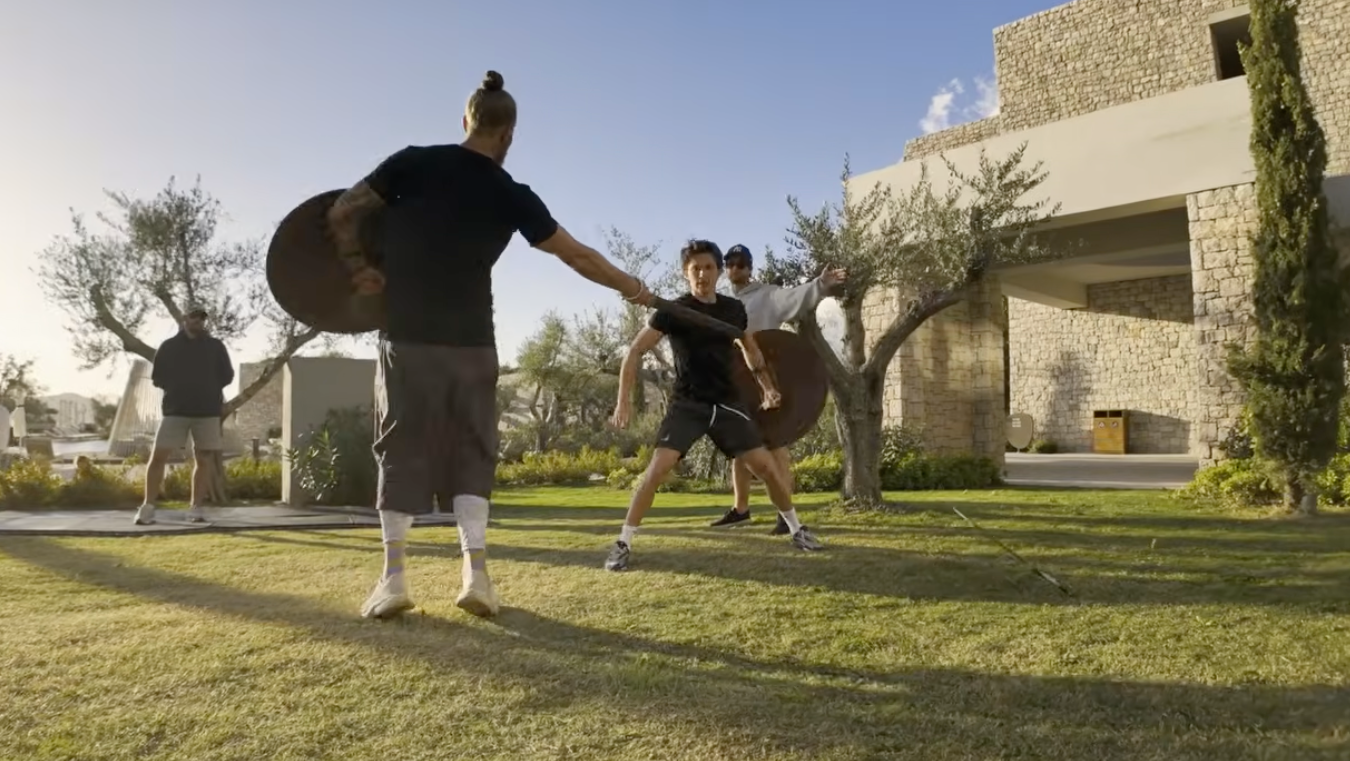
17. The costume department created an astonishing 5,300 costumes for the movie. More than 500 people worked on costumes across multiple countries, with teams researching Bronze Age clothing, hand-aging armor and fabrics, and creating garments that could hold up under the unforgiving detail captured by IMAX cameras.
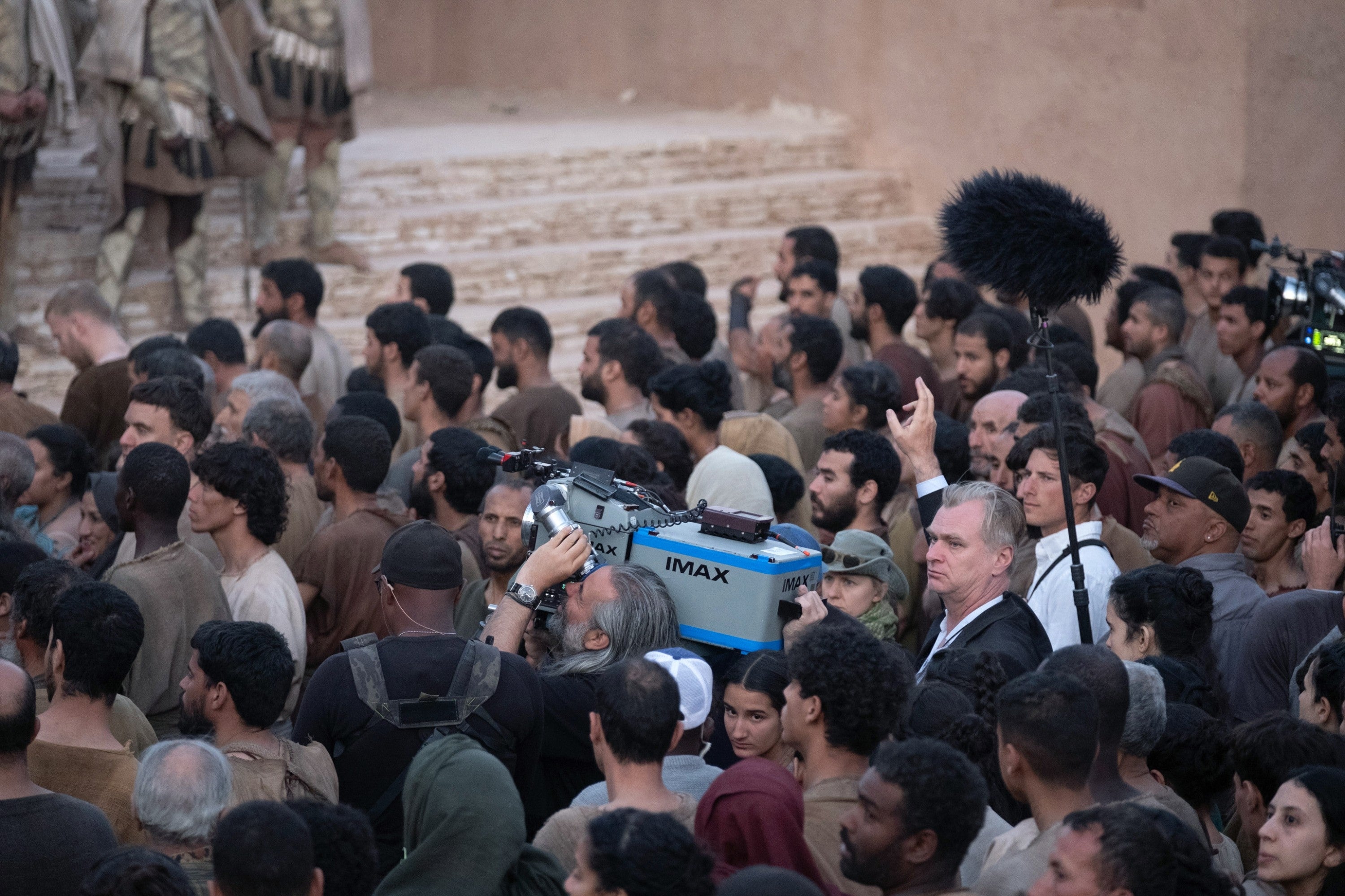
18. Christopher Nolan wanted the cast to look as natural as possible, which meant avoiding wigs whenever he could. Hair and makeup designer Jaime Leigh McIntosh said Nolan's directive was simple: "No wigs." Instead, many of the principal actors spent months growing out their own hair and beards so the characters would look as authentic as possible.
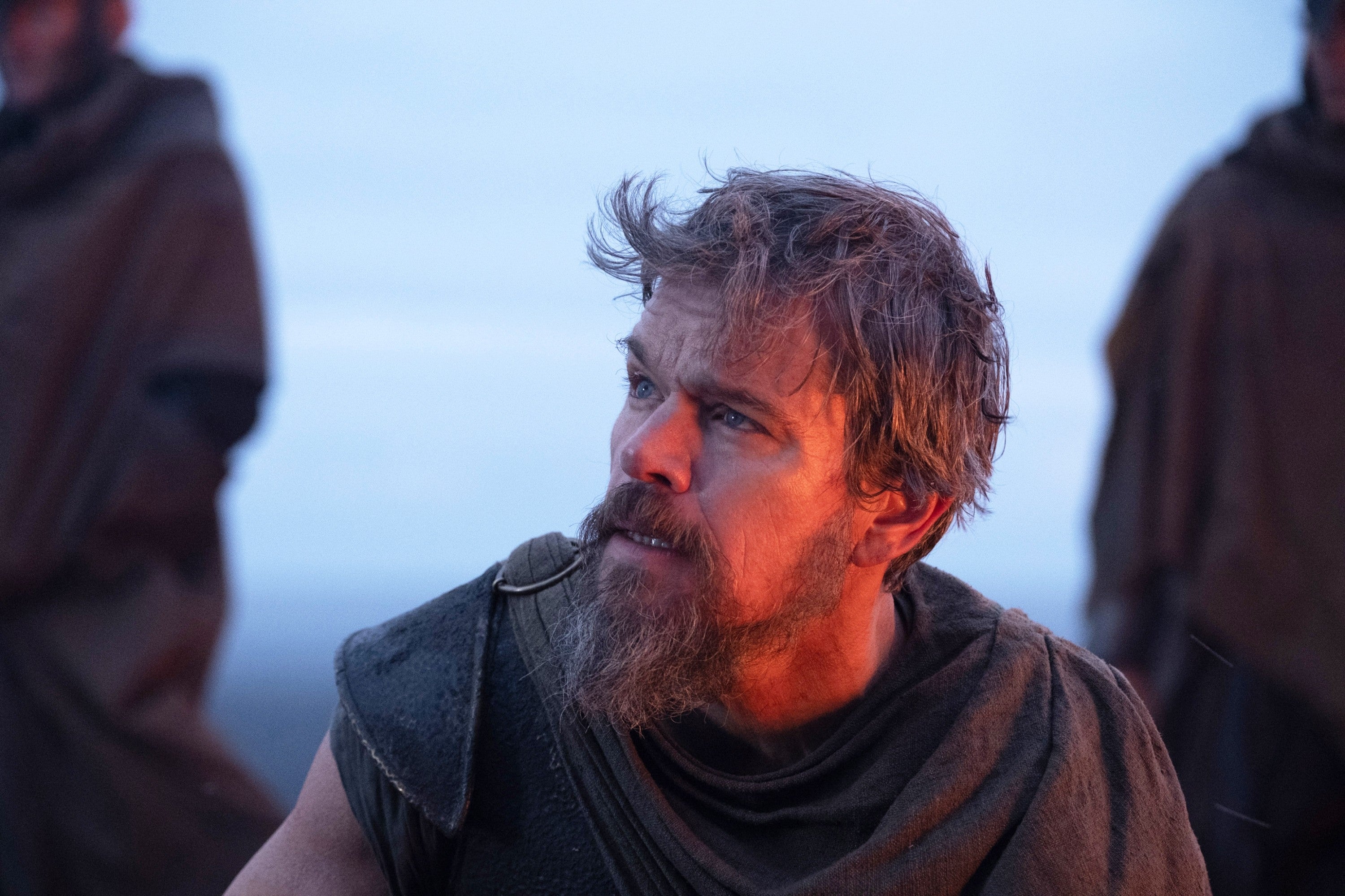
19. Nolan used practical filmmaking tricks — not CGI — to create the movie's terrifying Laestrygonians. The man-eating giants were brought to life through a combination of massive practical sets, wirework, and old-school forced-perspective illusions, proving that some of the film's most jaw-dropping moments were achieved in camera rather than on a computer.
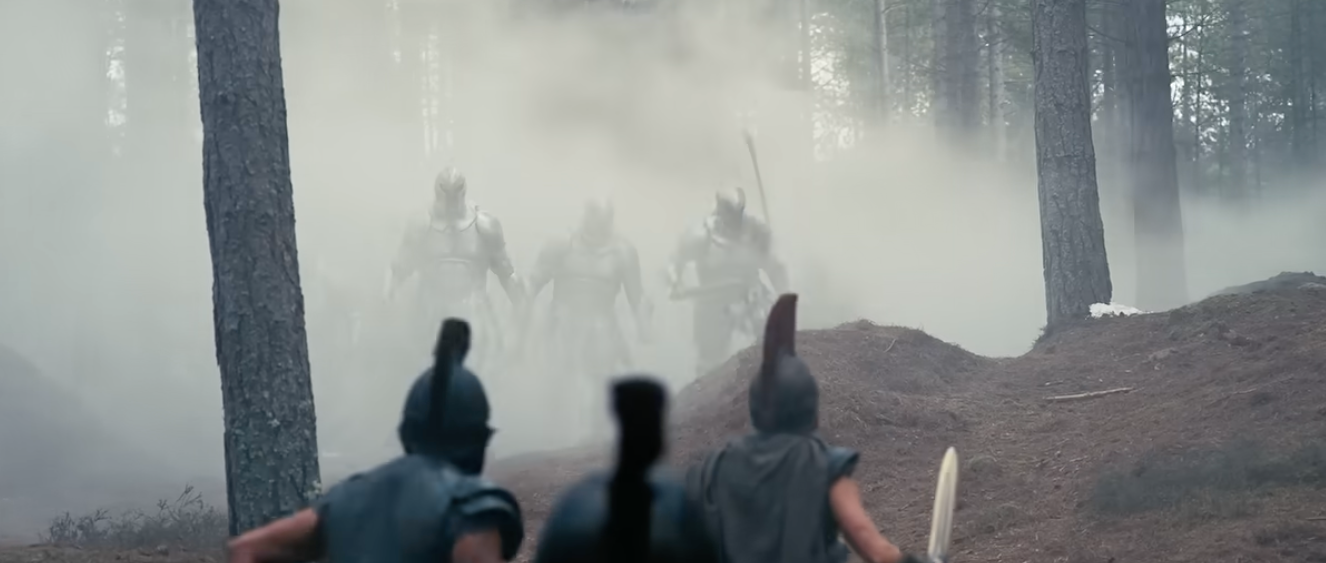
20. The Cyclops cave wasn't a set. Instead, the filmmakers shot those scenes inside Nestor's Cave in Greece, a real cavern that's been used by humans since prehistoric times and has long been connected to several Greek myths, including one involving the god Hermes hiding stolen cattle from Apollo.
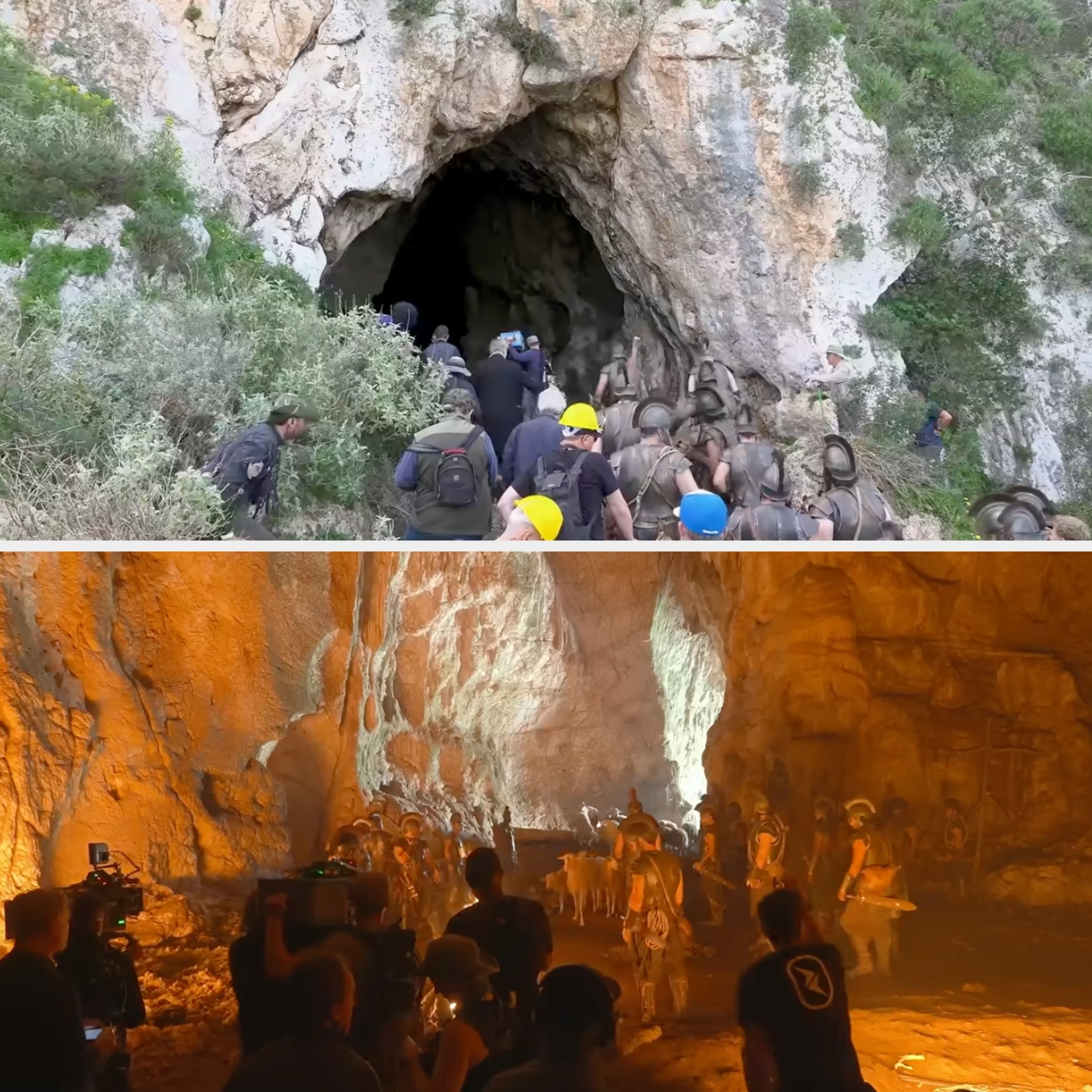
21. Hades was filmed in Iceland during the country's eerie "midnight sun." Nolan shot Odysseus's journey into the underworld in Iceland during June, when daylight stretches almost around the clock. He said the desolate landscape, cold weather, and strange light made it feel like the perfect place to represent the land of the dead.
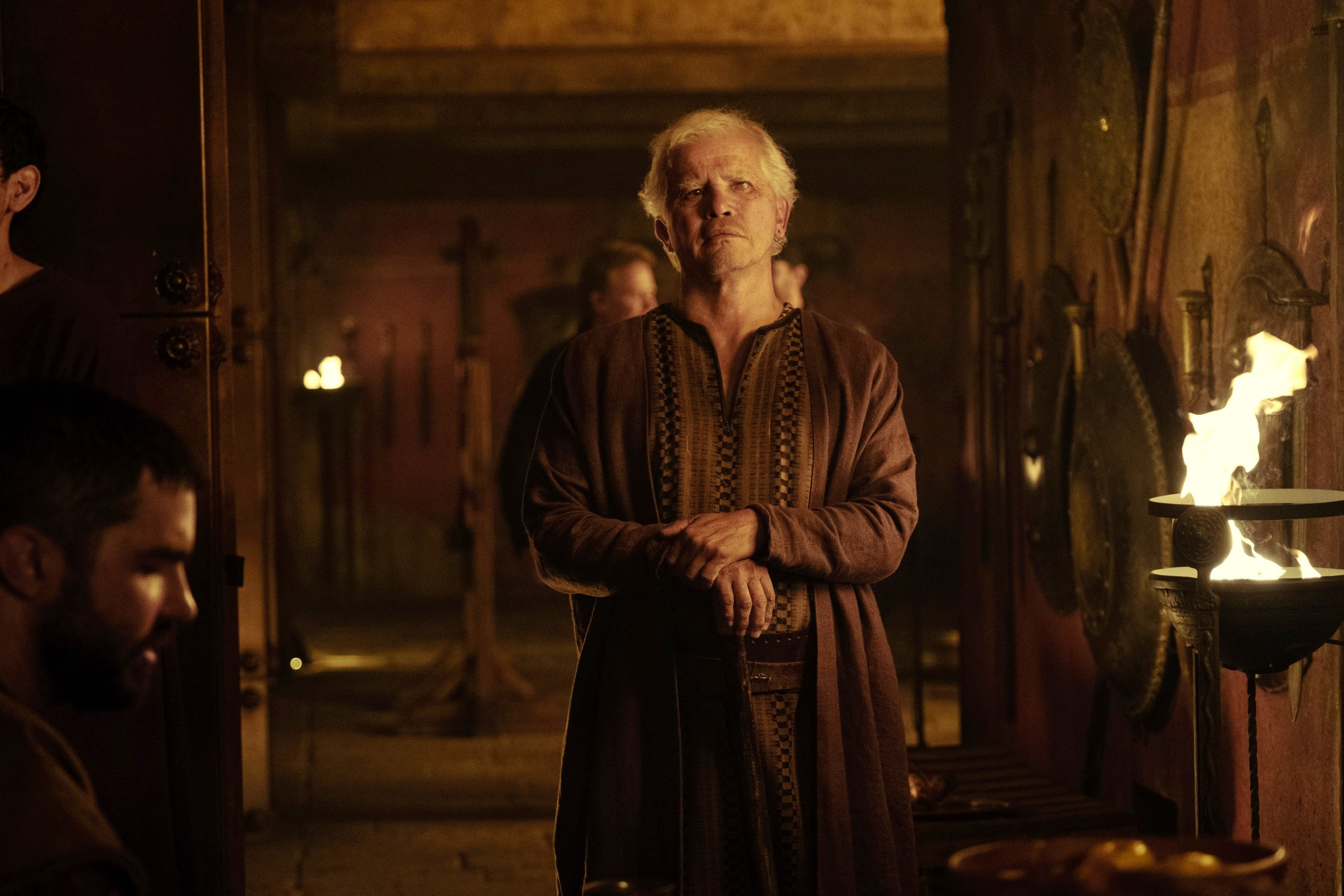
22. Argus — Odysseus's faithful dog — was played by a very fitting breed. According to actor John Leguizamo, the dog that portrayed Argus was a Portuguese Podengo, an ancient breed whose history stretches back thousands of years.
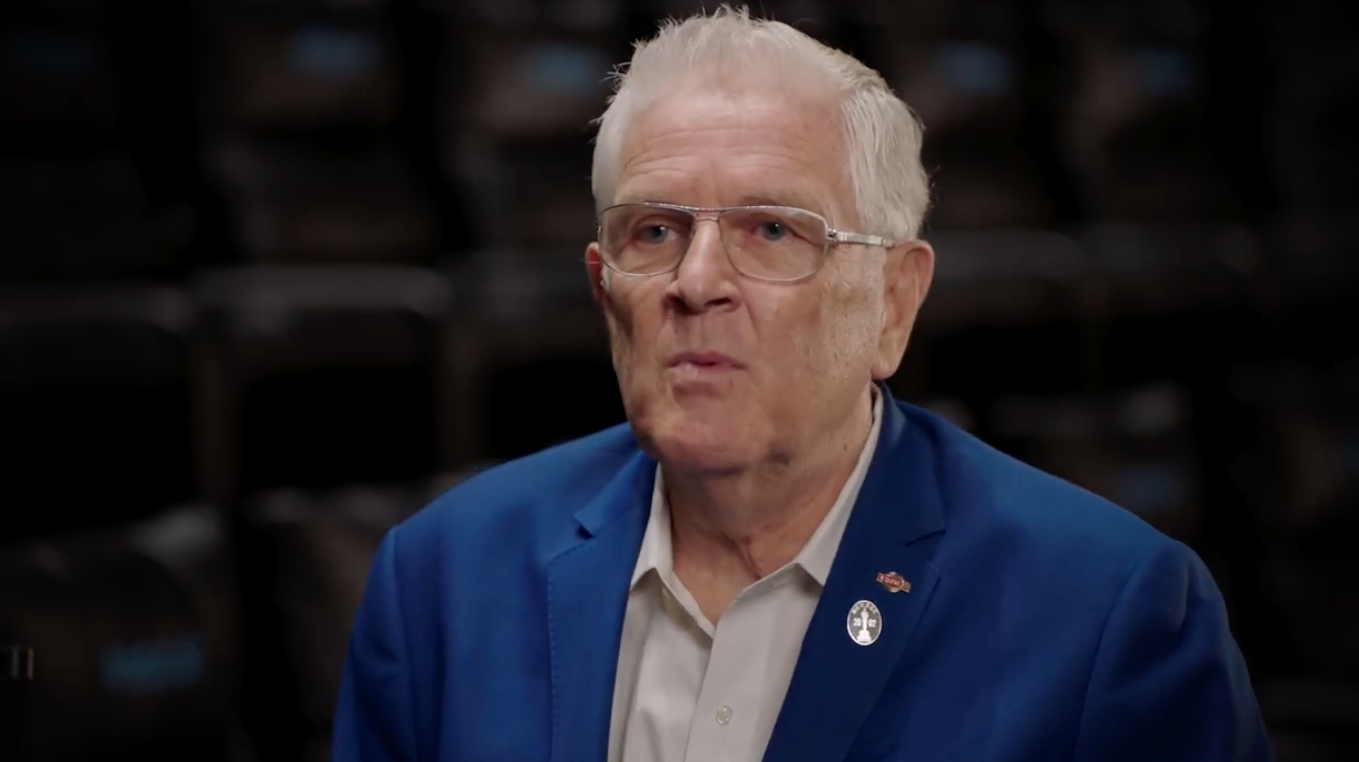
23. And finally, you may have noticed The Odyssey is dedicated to David Keighley. If you're wondering who that is, Keighley was IMAX's late Chief Quality Officer, who spent decades helping advance the company's filmmaking technology. Keighley even helped oversee the development of the quieter IMAX camera used on The Odyssey and finished his work on the film just three weeks before he died in August 2025.
Facts have been sourced from the film's production notes unless otherwise noted.

Comments