Publishing Pride 2026: Andrew Sean Greer
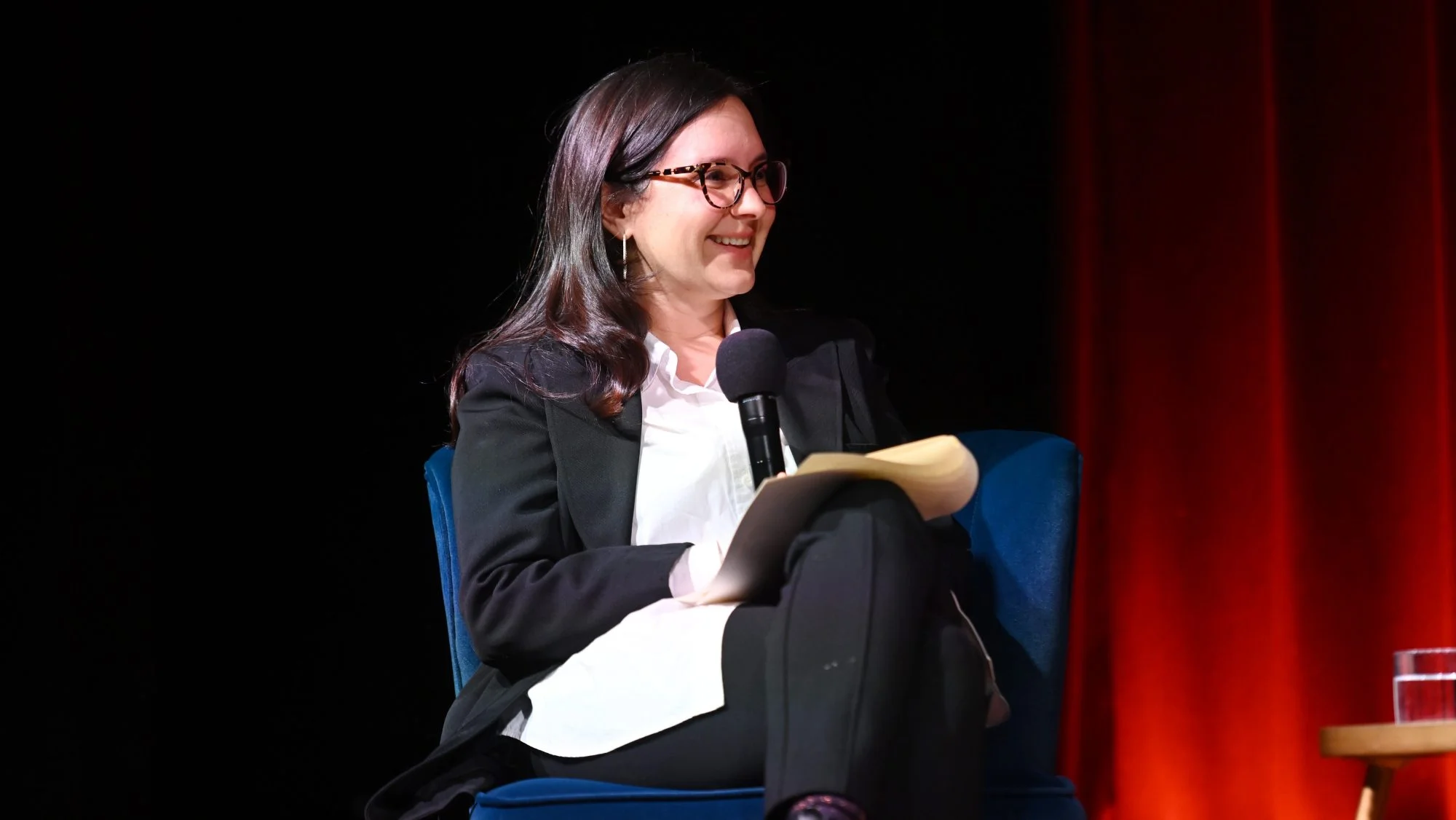
The author of seven novels and a collection of short stories, Andrew Sean Greer won the 2018 Pulitzer Prize in Fiction for Less, a round-the-world madcap chronicle of a self-deprecating writer named Arthur Less. Greer’s latest, Villa Coco (Doubleday, out now), a screwball bildungsroman set in the 1990s, follows a 21-year-old American college grad who goes to the fictive village of San Drogo, Italy, to catalog the estate of a baronessa. Greer spoke with PW about the queer writers he’s reading right now, the mid-20th-century wits who inspire his fiction, and the comic relief in queer literature.
Growing up, what were some of the first books in which you saw your identity represented?
An obvious one that I read early on was Edmund White’s A Boy’s Own Story, but at the time, there were a lot of straight writers putting gay characters in their books, like Michael Chabon in The Mysteries of Pittsburgh. It meant so much for me to see those characters, because queer authors weren’t particularly being published. Straight authors were taking those chances, because we weren’t given the opportunity to. Also, there’s a book no one's ever heard of called Blue Heaven by Joe Keenan, who later was a writer for Frasier. He wrote this hilarious novel, and I thought, “Oh, you can be gay and be funny! You could be happy!” That was good to know.
Which current authors would you recommend for their depictions of queer life?
Rasheed Newson, who came out of the screenwriting world, has a new book called There's Only One Sin in Hollywood (Flatiron), and he’s hitting it out of the park. This one is about being a gay Black man in Hollywood and the things that are unspoken, and it’s so smart.
Another one is Julián Delgado Lopera. His last book was Fiebre Tropical (Feminist Press, 2020), about queer life as it’s lived in a Latino community, and the language itself—how the words are put together—is the key to how the story is told. Now Julián has a new book, Pretend You're Dead and I Carry You (Liveright, out now), that is even more extraordinary, set in Colombia in a trans community—the sentence-level fireworks are so exciting.
How do you think about LGBTQ+ representation in your own fiction?
When I was working on Less, there were very few works of literary fiction in which queer characters had any happiness or joy. It was mostly stories that are fantastic and masterpieces, but with a lot of self-loathing and misery and being abandoned in love and by the family. I thought, I would love a book that didn’t have that, because my experience is not that. And that’s part of why I wrote Less. I mean, he has some funny humiliations, but there's a lot of joy in it. That's how life is—full of pratfalls and pleasure.
What do you read when you’re writing?
My reading tastes are very 1940s–1960s British female writers—like, Muriel Spark is always inventing a whole new way of writing. When I was working on Villa Coco, I was thinking about Nancy Mitford novels, Patrick Dennis novels, Gerald Durrell's memoir My Family and Other Animals, and Travels with My Aunt by Graham Greene. Even John Updike—not a Pride Month pick, but a fantastic sentence-level writer that I've learned a lot from.
You set your books in alluring international locales, yet your characters bumble into awkward situations; Geoffrey of Villa Coco is often foolish but comes out wiser and able to see through a lens of humor. Have you created a queer literary beach read?
That's what I wanted! There is something very serious about the political tactic of queer politics over the past 30 years, which is, “We’re going to be funnier than the other side, and if people laugh with us, then they are with us.” That's more persuasive than rage. And I’m not good at rage.