Publishing Pride 2026: Aiden Thomas
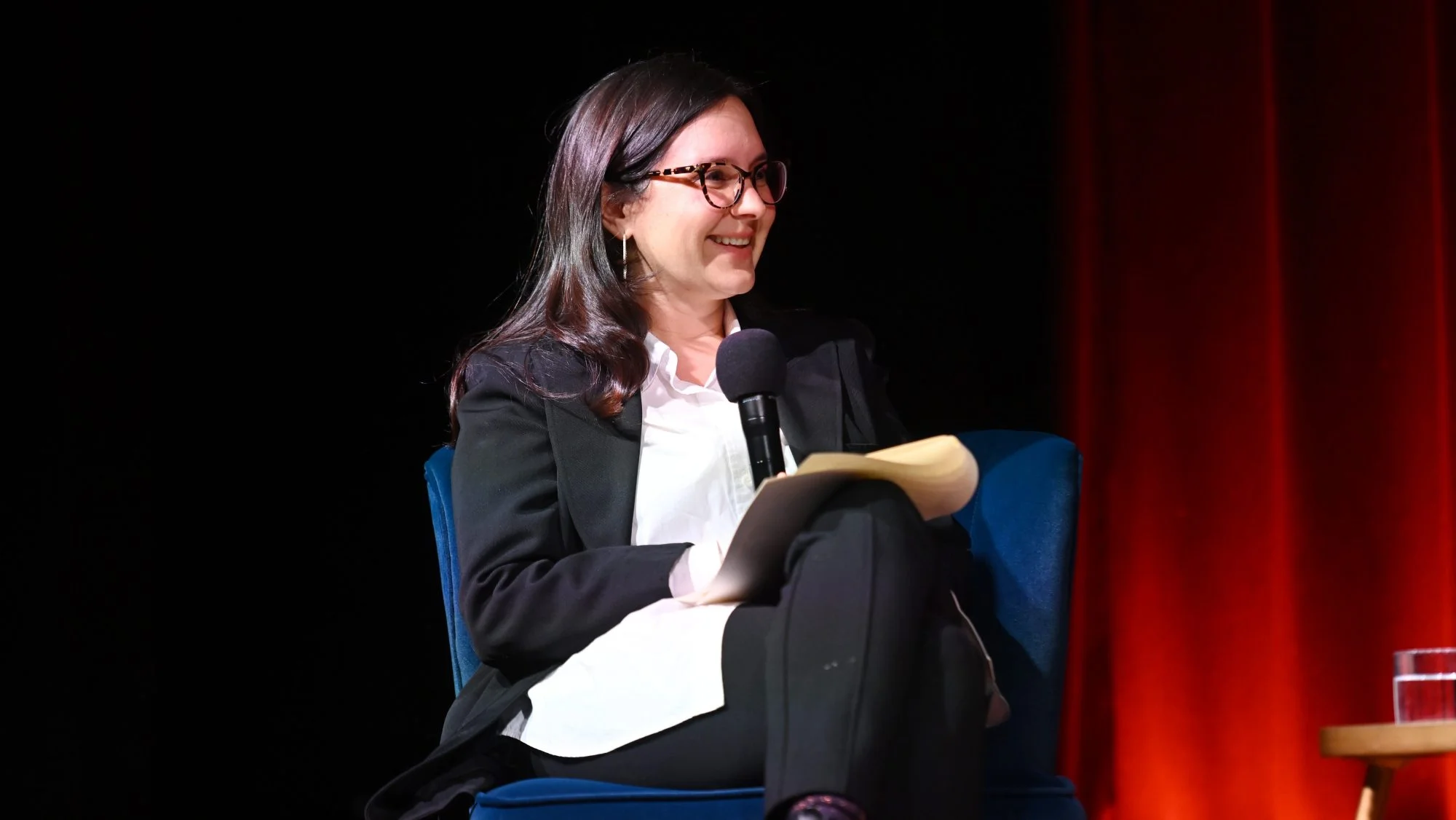
Aiden Thomas, the bestselling author of Cemetery Boys and its upcoming sequel, Espíritu (Feiwel & Friends, Sept.), has become one of YA's most celebrated voices in queer fiction, blending fantasy, romance, and Latine culture in stories that center trans and LGBTQ+ characters. Thomas, who is excited to explore nonbinary themes and identity in their new novel, reflects on the books that helped them feel seen, the current state of queer publishing, and why stories that foster belonging remain more important than ever.
What was one of the first books that you read that you felt like you saw your identity in?
The truth is that I didn't really see someone who was like me, with all of my intersectionalities, until Cemetery Boys came out. But the book that was the closest was Felix Ever After by Kacen Callender, and that book came out a few months before Cemetery Boys did. I loved that book so dearly. To see a character on the cover of a book that was on shelves at Barnes & Noble, that had top surgery scars, was really life-changing.
What’s a recent queer book that you read that you absolutely loved?
Coffee Shop in an Alternate Universe by C.B. Lee. It's this cozy sci-fi end-of-the-world story, which almost seems counterintuitive, but it's a really sweet romance. The world building that Lee does in that story was really fun, and just so queer and beautiful. And Alechia Dow’s Until the Clock Strikes Midnight is a "Cinderella" story, but about a sapphic couple. Alechia Dow is perfect when it comes to cozy sci-fi and cozy fantasy. Clearly, I’m on a cozy kick.
How do you see the state of LGBTQ+ publishing currently and looking forward?
Currently, we're dealing with societal issues that are making it difficult to publish queer books. We had all this amazing stuff happen in 2020 and then other things happened in the political landscape of the United States, where suddenly we've regressed. And that’s scary, not only for our readers, but for our authors. I have a lot fewer school and library visits because I can't go to certain places in the U.S. and safely have an event there. But the thing is, this always happens in cycles. We're at that really low low, but that means that we're going to be heading towards a really high high again. It's just kind of like two steps forward, one step back, but we're still going forward.
Book bans are increasingly targeting LGBTQ+ titles. How do you see censorship efforts impacting the LGBTQ+ publishing landscape?
It's giving us fewer opportunities to be able to talk to students about our books, which means we get paid less, which means it's harder for us to survive as writers. It's a whole system that's built on stopping us. But we have to keep doing it because otherwise they win, and I refuse to let that happen—especially for the youth within the queer community.
How do you think speculative fiction can open up conversations about queer and trans life?
When we're talking about magic, I feel like queerness is very magical. It's this superpower that is secret, and often when we're younger, we're only sharing it with a select few people. It's a lot easier to tackle really heavy and intense topics around transphobia or homophobia when you have the set dressing of like a really cool spec fic world. When I was younger, if you had handed me a story about a trans boy who's having a hard time, I'd be like, “That sounds like a freaking bummer.” But if you said, “There's a really cute ghost that he falls in love with, there's all this magic, and it takes place during Dia de Muertos,” that makes it more approachable, so that you can have those harder topics without loading your reader down. Any way we can make those conversations easier and more accessible is a real win for us.
What do you hope queer readers take away from your books?
A sense of belonging and closeness. When you're queer, especially when you're growing up, proximity often has very little to do with who you feel loved and supported by. Often our families are not the ones that we feel safe with. It's trans folks on TikTok, or queer characters and books, that we really feel that closeness to and that ability to be understood. With my stories, I just want people to feel seen and supported and loved.