
Warning: This post mentions mental health issues, substance abuse, domestic violence, suicide, and animal death.
For years, writers have joked about their suspicious internet search history, especially when their stories involve crime. But sometimes, truth is stranger than fiction, and in a few cases, famous writers have actually turned out to be the villains in someone else's story.
Here are 14 literary figures who killed someone:
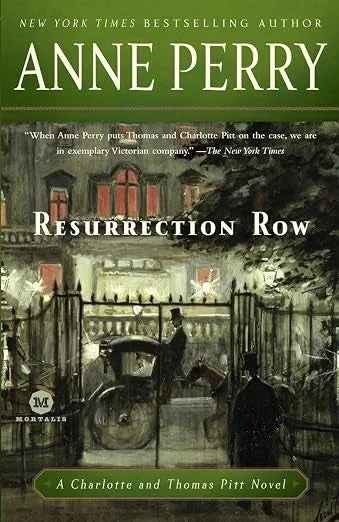
1. British historical detective novelist Anne Perry was known for her William Monk and Charlotte and Thomas Pitt series. However, for many years, she hid a dark secret. When she was 15, Perry and her best friend, Pauline Parker, created a fantasy world together in which they worshipped famous people. Perry's parents planned to move away from New Zealand after their divorce, so, in a bid not to be separated, the girls killed Pauline's mom, Honorah Mary Rieper, by striking her in the head with a half-brick wrapped up in a stocking. The sensationalized trial revealed more of the girls' intense friendship, including the fact that they both dreamed of becoming famous authors. Both girls were sentenced to five years in prison for murder. Upon their release, their names were changed, and they were ordered to never contact each other again, lest they be put back in prison for life.
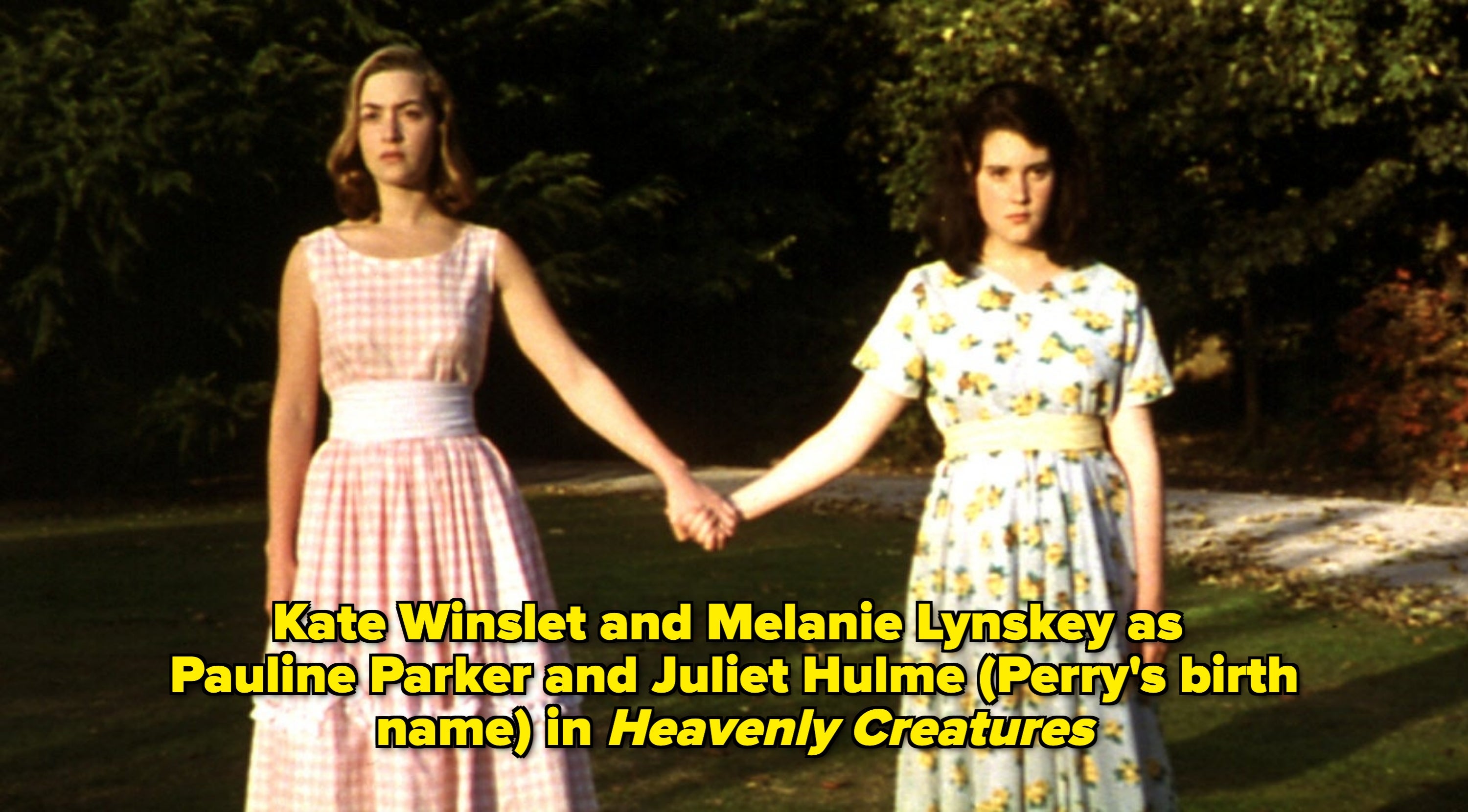
Perry returned to the UK, where she was born. She lived under her assumed identity until 1994, when her crime was dramatized in the movie Heavenly Creatures. That's when journalists uncovered her true identity. However, when the truth came to light, she told NPR, "I don't [remember how I felt], no. I was pretty shocked. And don't forget; I'd just discovered that my parents were separating. My father had lost his job. And it seemed to me that my best friend was on the brink of death as well... I don't explain it. I just say I was wrong. I mean, my motivation was that I thought it was one life or another, which may sound daft now, but that's how I felt at the time. I truly believed that — I believed that she would take her own life if I didn't do this."
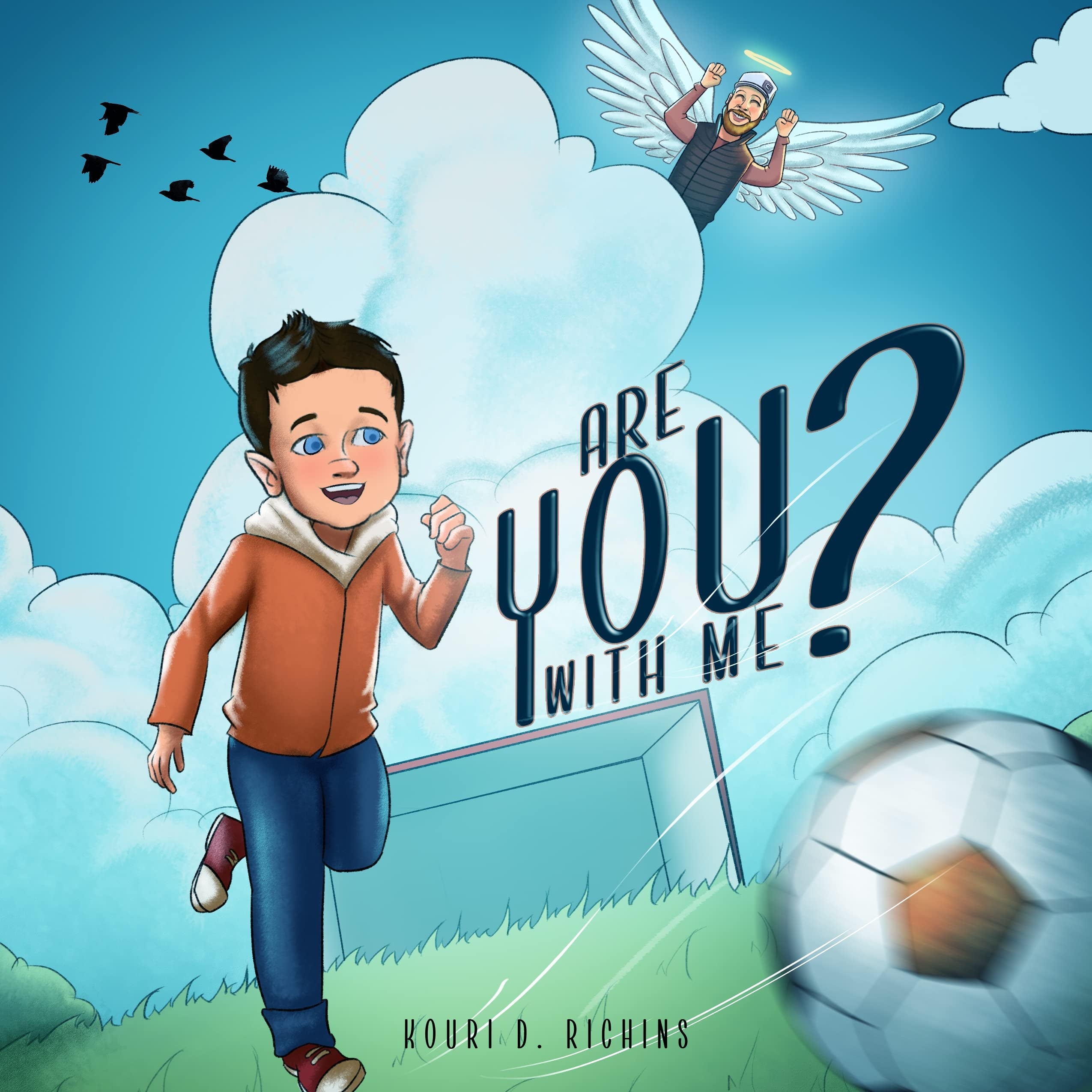
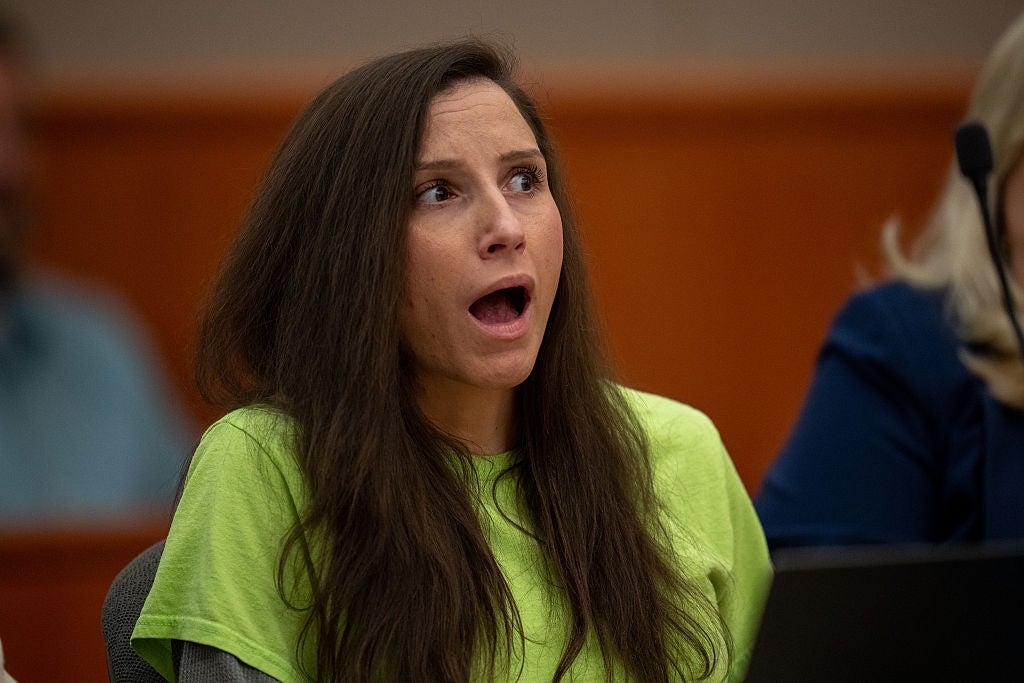
2. In 2022, American children's book author Kouri Richins poisoned her husband, Eric Richins, with fentanyl, then she self-published Are You with Me?, a book about grief to help her kids and others deal with parental loss. She was convicted of aggravated murder in 2026. According to prosecutors, the couple was $4.5 million in debt, and Kouri wrongfully believed that she'd inherit Eric's $4 million-plus estate upon his death. Additionally, she had opened life insurance policies on Eric and was planning her life with a man she was allegedly having an affair with. So, she put five times the lethal dose into Eric's cocktail, killing him. Kouri was additionally charged with attempted murder for lacing Eric's sandwich with fentanyl on Valentine's Day. It gave him hives and made him black out.
3. Polish author Krystian Bala wrote the 2003 novel Amok, in which a young woman's hands are tied behind her back, and then the same cord is used as a noose before the killer stabs her. In the book, the murderer gets away with it. However, in 2000, Polish police found the body of Dariusz Janiszewski, a business owner, bound in the same way as Bala's character and thrown into the river. Five years after the discovery of Janiszewski's remains, the police received a tip about a similar murder scene in Amok. The court convicted Bala of "planning and directing the murder" of Janiszewski, the man he reportedly thought his estranged wife was having an affair with. Bala was sentenced to 25 years in prison.

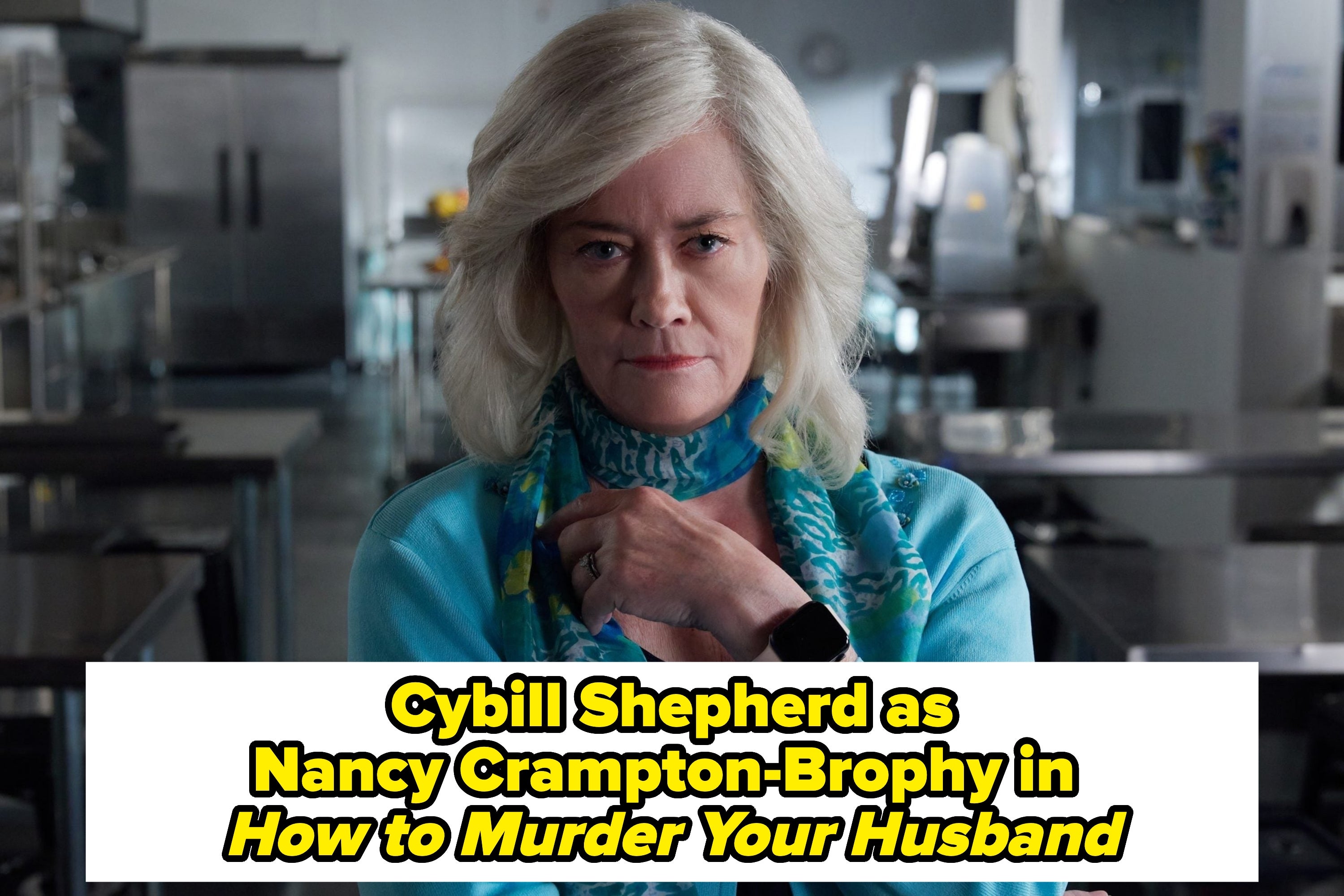
4. In 2011, American romance novelist Nancy Crampton-Brophy published an essay titled "How to Murder Your Husband." She listed ways to kill someone, including with a gun. She wrote, "Loud, messy, requires some skill. If it takes 10 seconds for the sucker to die, either you have terrible aim, or he's on drugs." Then, seven years later, she shot her husband, Daniel Brophy. According to the prosecution, the couple was facing financial difficulties, and she killed him for his $1.4 million life insurance policy and their $300,000 house. After months of planning, Nancy shot Daniel twice at the Oregon Culinary Institute, where he was an instructor. His students found him. Nancy was convicted of second-degree murder and sentenced to life in prison. The crime was dramatized in the 2023 Lifetime movie How to Murder Your Husband.
5. Chinese author Liu Yongbiao wrote a crime novel aptly titled The Guilty Secret. In the introduction, he said that he was working on another novel, The Beautiful Writer Who Killed, which would follow a beautiful female author who got away with murder. In 2017, Liu was arrested for four cold case murders. When the police showed up, he reportedly said, "I've been waiting for you here all this time." He was accused of working with another man to rob a guesthouse where they were staying. They bludgeoned four people to death — Mr. Yu, a guest who tried to fight back; the couple running the guesthouse; and the couple's grandson, who was only 13.

Liu was convicted of the murders a year later. He reportedly told CCTV, a Chinese news station, that the murders inspired his writing.

6. In 2007, British children's book author and illustrator Harry Horse killed his wife, Mandy Horne, who was terminally ill, in a knife attack, stabbing her more than 30 times. Next, he killed their cat and dog (Roo, the dog shared a name with one of Horse's popular characters). Then, he stabbed himself 47 times and bled to death. When news of their deaths initially emerged, it was reported that the couple overdosed on painkillers and "died in each other's arms" in a suicide pact. However, the truth came out a year later. The doctor who attended the crime scene described it as the "most disturbing" he'd ever seen.
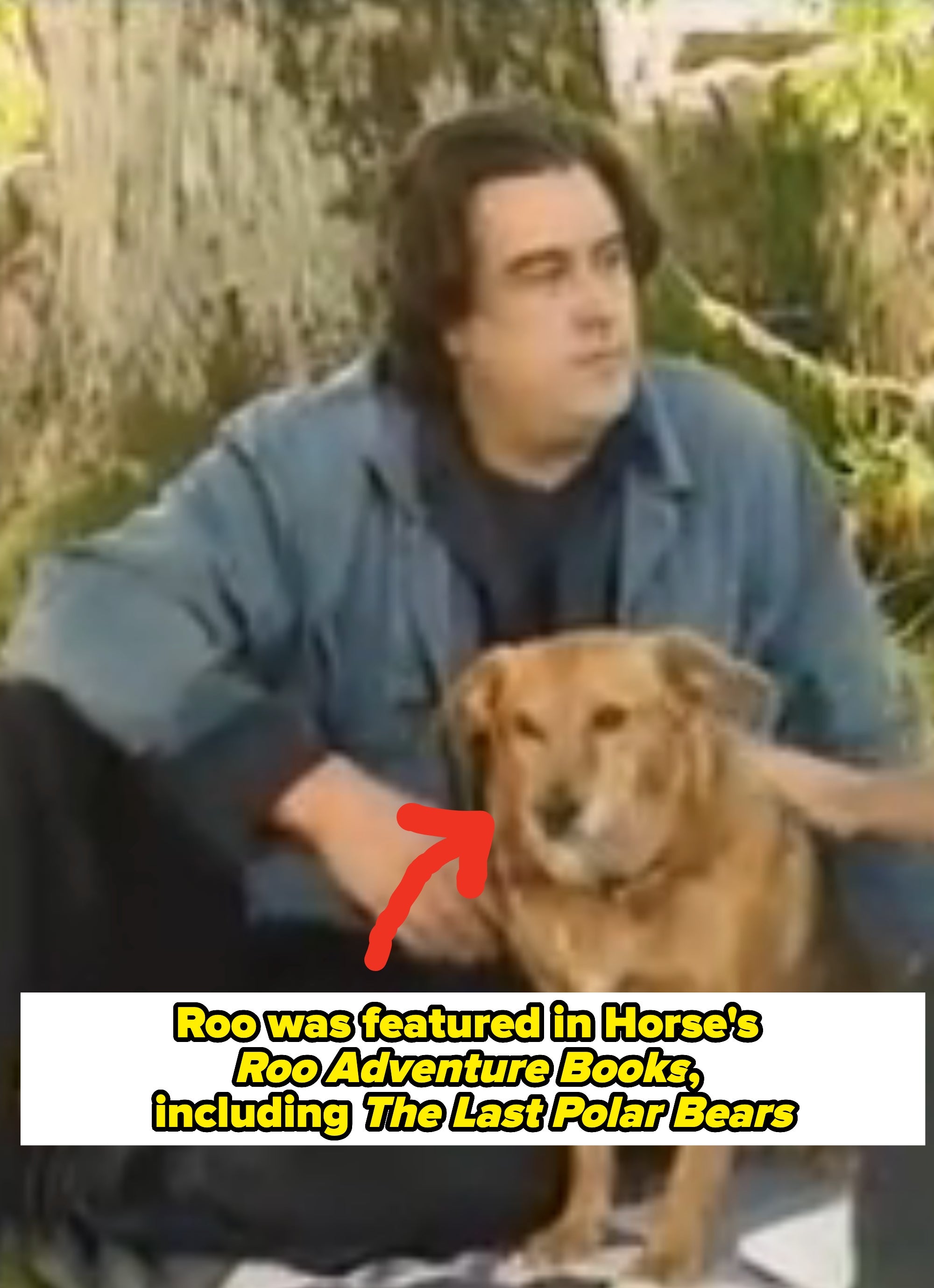
Horse reportedly took a mixture of drugs. The last people who saw the couple alive alleged that, in a "demented state," he said, "It's a wonderful night for a killing." Prosecutors and police initially kept the details private because, in Scotland, fatal accident inquiries are only required for workplace deaths or deaths that occur in police custody, and they felt it wasn't "in the public interest." However, Horne's family went public with the truth about her death to address rumors in their small community.
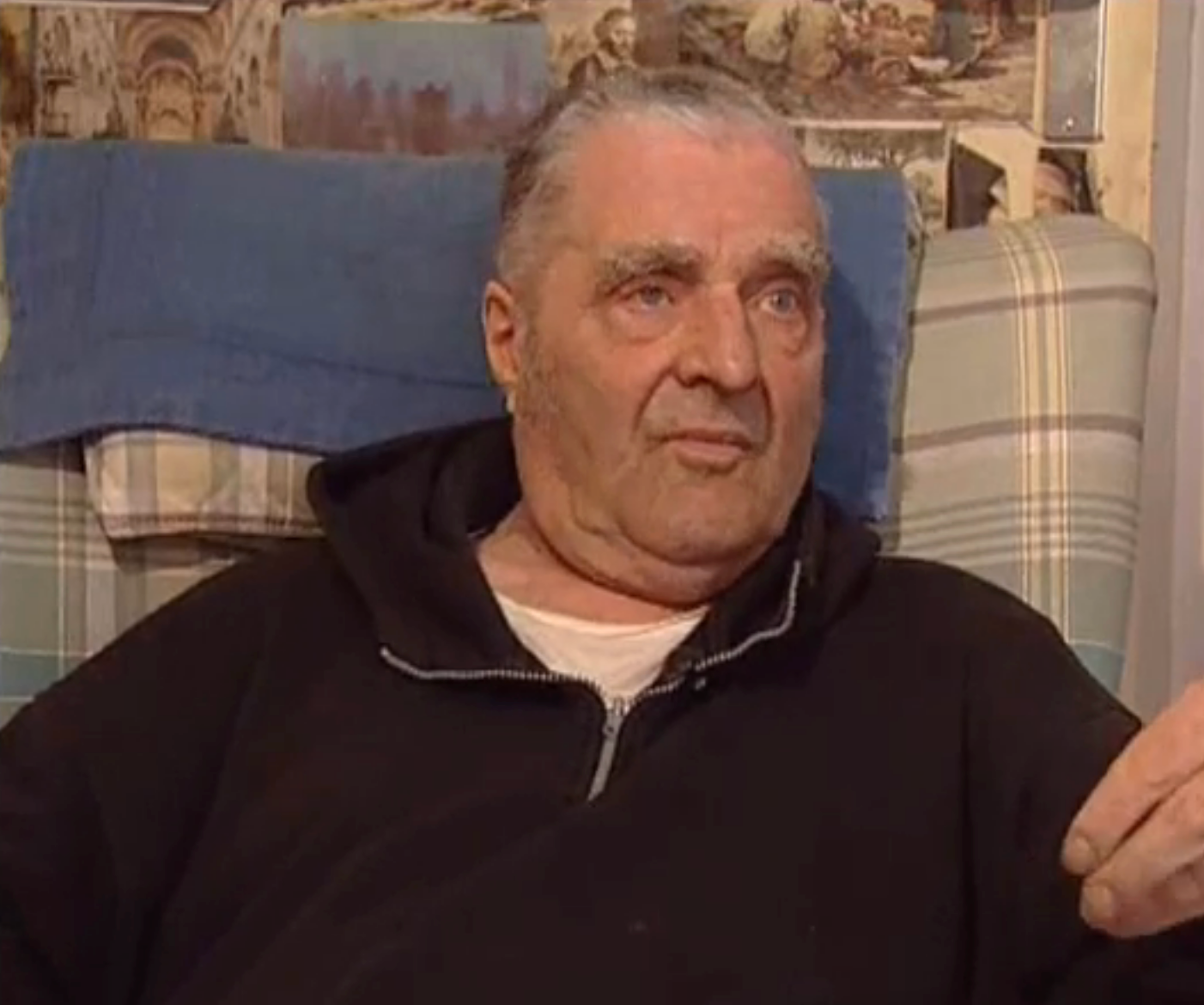
7. Dutch crime novelist Richard Klinkhamer's wife, pediatric nurse Hannelore Klinkhamer, went missing in 1991. At the time, he was the top suspect, but police searches turned up nothing, and he denied being involved. Shortly after her disappearance, he walked into his publisher's office with a manuscript titled Woensdag Gehaktdag (Dutch for "Wednesday, Mince Day"). The gruesome story described seven possible ways he could've killed her, including putting her remains through a mincer to dispose of them. It was rejected by the publisher, but eventually, it made its way to the underground press. Klinkhamer gained some notoriety, giving TV interviews and partying with other literary figures. During this time, he moved to Amsterdam, which is what led to the family that bought the home he previously shared with Hannelore making a gruesome discovery.

In 2000, the new family hired a crew to get rid of the old shed in the yard. While the workers were dismantling the concrete floor, they found a human skull buried in the clay below. Eventually, they uncovered the rest of the skeleton, and a forensic scientist used Hannelore's dental records to identify her. Klinkhamer was arrested that night, and he confessed to murdering her the next day. He beat her to death with a wooden implement, buried her in a hole in the shed, then poured concrete. Then, he let six days pass before he reported her missing. After his confession, he was reportedly sentenced to six years in prison but was released in 2003.
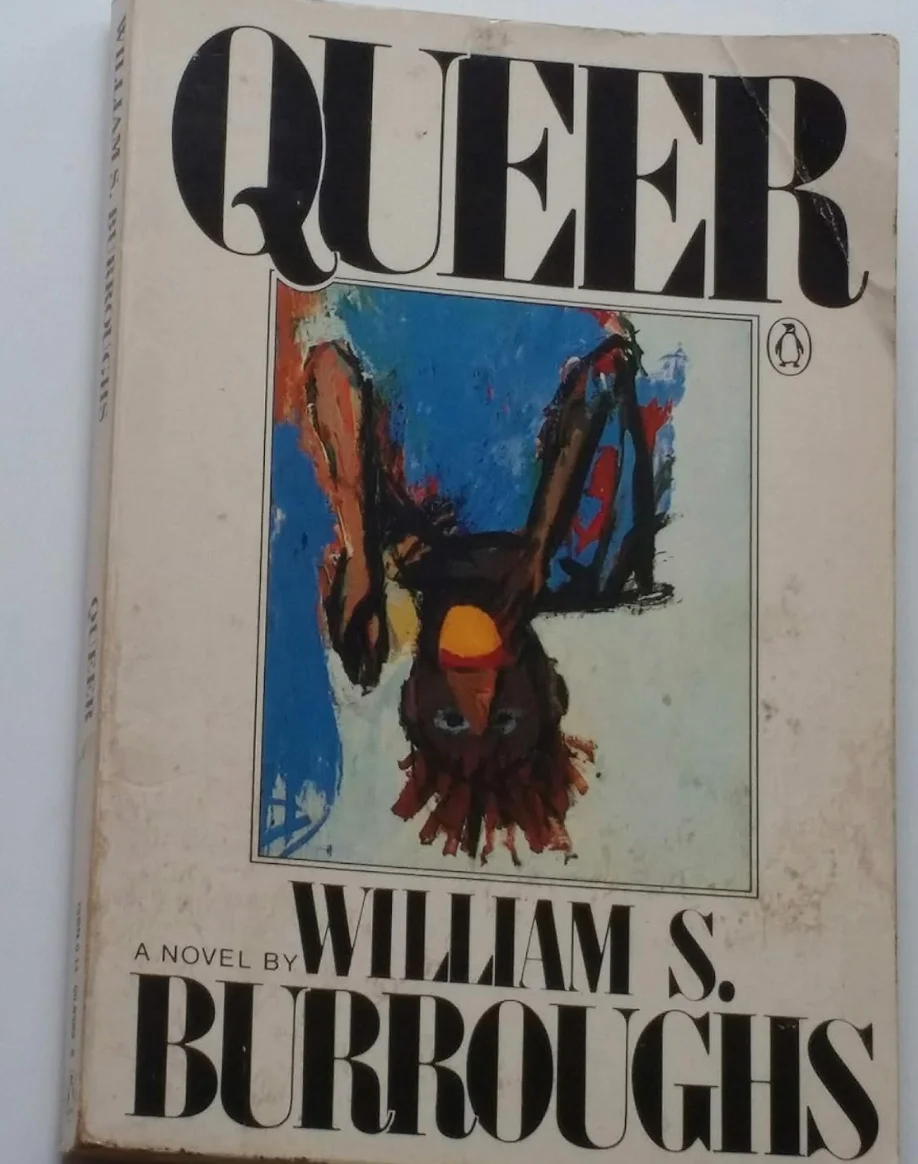
8. American writer William S. Burroughs was a major figure in postmodern literature and the Beat Generation, and you might recognize his 1985 novella Queer, which was adapted into a Daniel Craig-led film in 2024. However, before he became such a highly influential writer, Burroughs took a life. He and his second wife, Joan Vollmer, both dealt with substance abuse, and she also had mental health issues. Burroughs and Vollmer had an unhealthy marriage, and he reportedly based many scenes in Queer on their relationship. They relocated to Mexico City with their kids to avoid the gun possession and drug charges he was facing in the US.
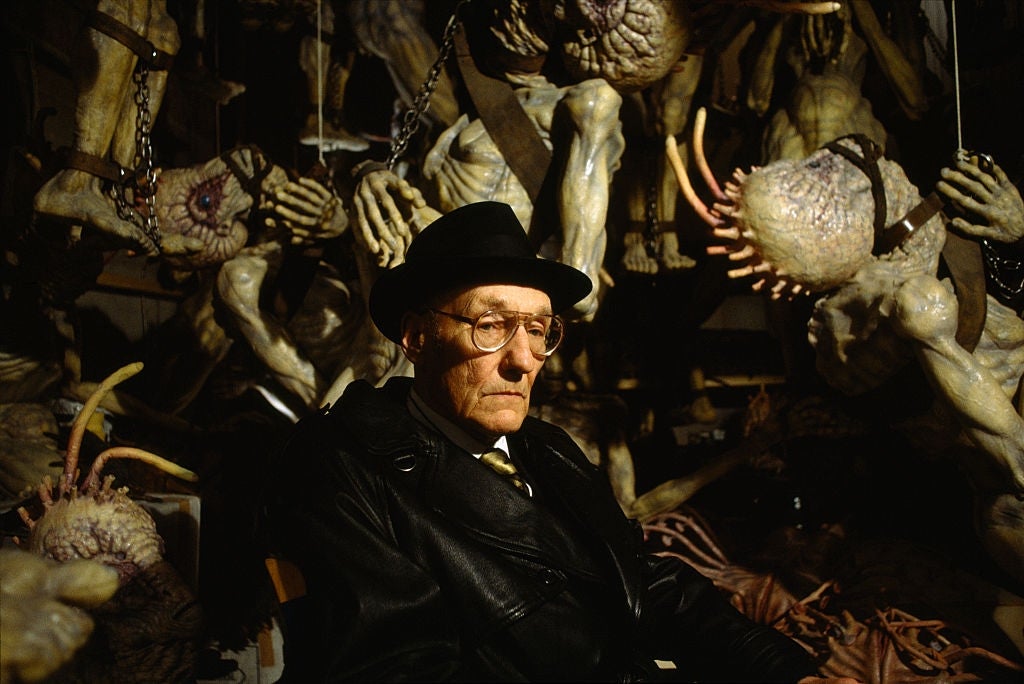
In 1951, after Burroughs returned from a trip through South America with his lover, he and Vollmer went to a gathering at an apartment above a bar. At one point, Burroughs — who was known to wave his gun around in violent outbursts — declared, "It's time for our William Tell act." Then, he pulled out his pistol and reportedly said, "Put that glass on your head, Joanie. Let me show the boys what a great shot old Bill is." Laughing, she turned her head because she couldn't stand the sight of blood. Then, Burroughs fired, but instead of hitting the glass, he shot Vollmer's temple. She died at only 28. He immediately went to her side, while everyone else in the room just sat "staring and not believing."
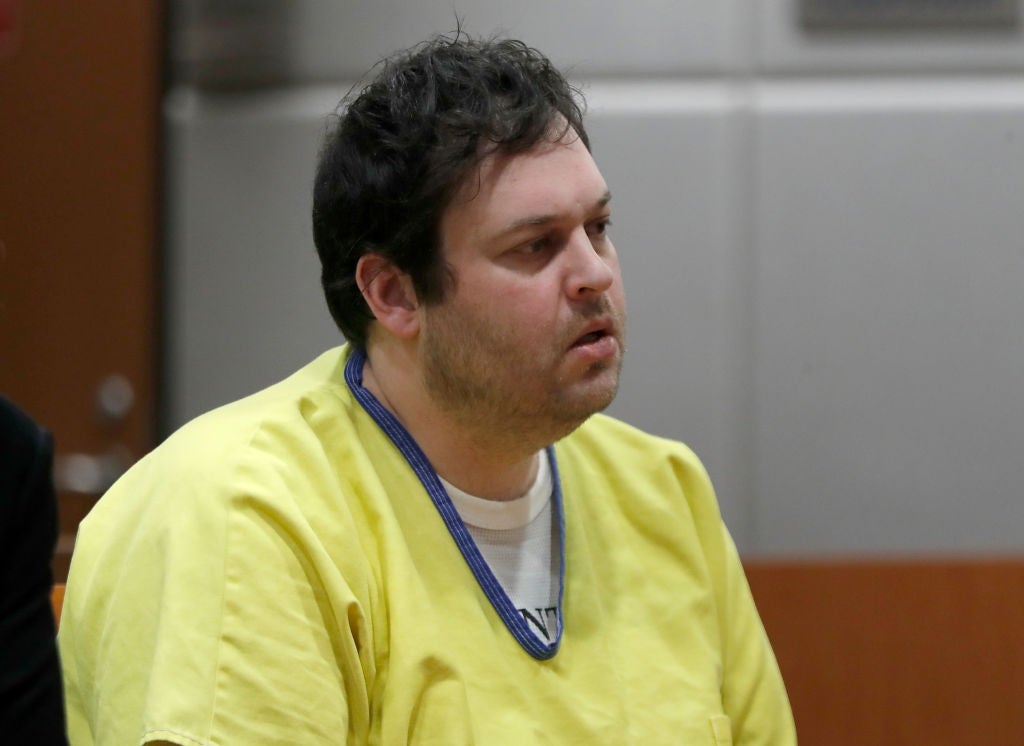
9. In the late 2000s and early 2010s, Canadian writer Blake Leibel published several comic books and graphic novels, most notably Syndrome, which he contributed to alongside three other authors. In 2018, he was sentenced to life in prison for the first-degree murder, torture, and aggravated mayhem of his fiancée, Iana Kasian, just weeks after she gave birth to their daughter in 2016. According to the LA Times, Deputy Dist. Atty. Beth Silverman said, "He threw away pieces of his fiancee … like she was trash. He continued to mutilate her bit by bit." He reportedly used Syndrome as a "blueprint."
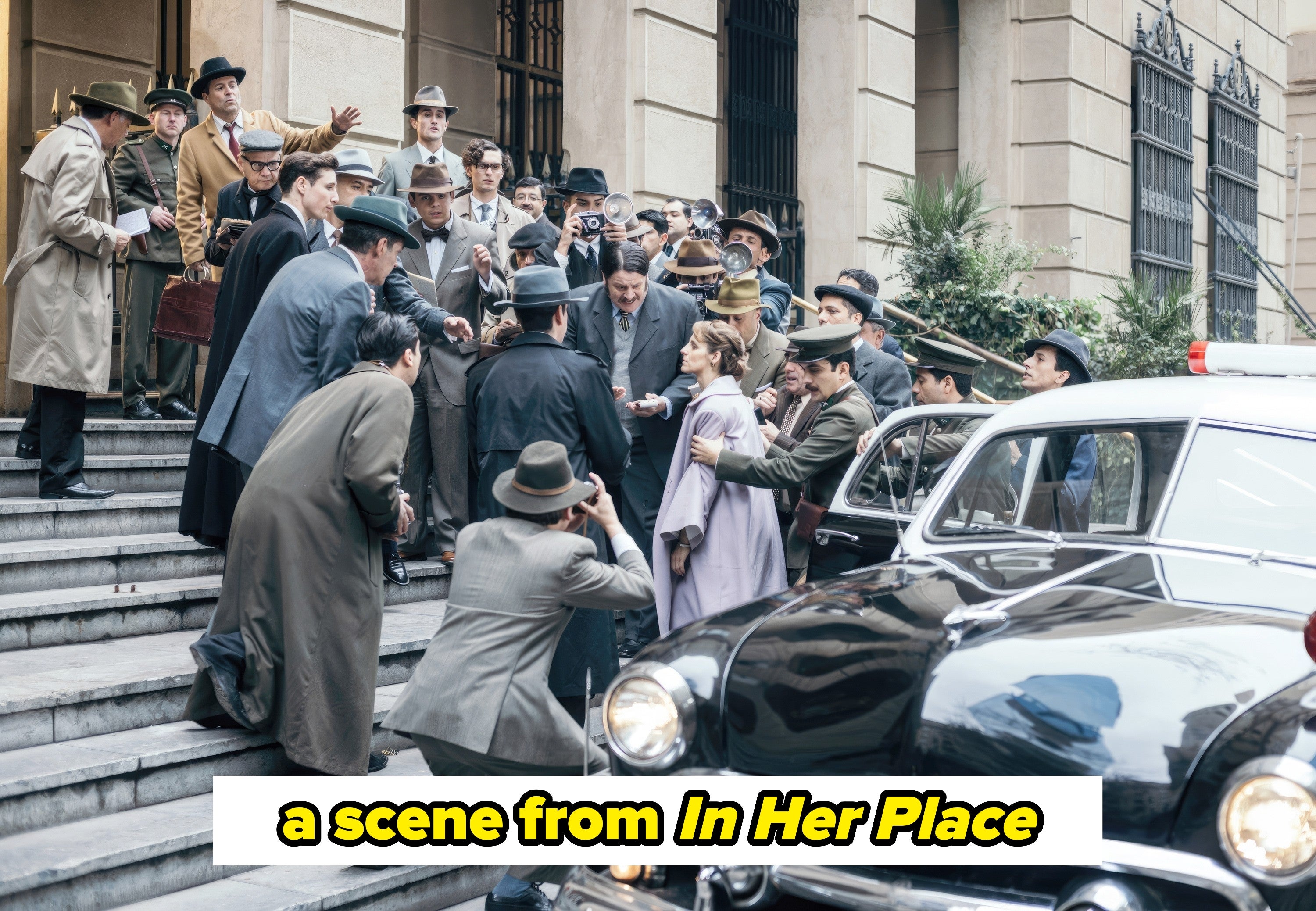
10. In 1955, Chilean writer María Carolina Geel went out to buy a painkiller and a gun. The medicine was to treat her acute hyperesthesia (an abnormal sensitivity to sensory stimulation), but the pharmacy was sold out. Next, she went to the gun store and purchased a pistol. Two days later, she met her younger boyfriend, Roberto Pumarino Valenzuela, in the tea room at the Hotel Crillón, where she shot him five times. Then, she passionately kissed his dead body.

Geel allegedly killed Valenzuela because he was in love with someone else. Her crime also seemingly paid homage to poet María Bombal, who shot (but didn't kill) her ex at the same hotel the previous decade. The Chilean president pardoned Geel after outcries from the public and the press. The crime was dramatized in the 2024 movie In Her Place.
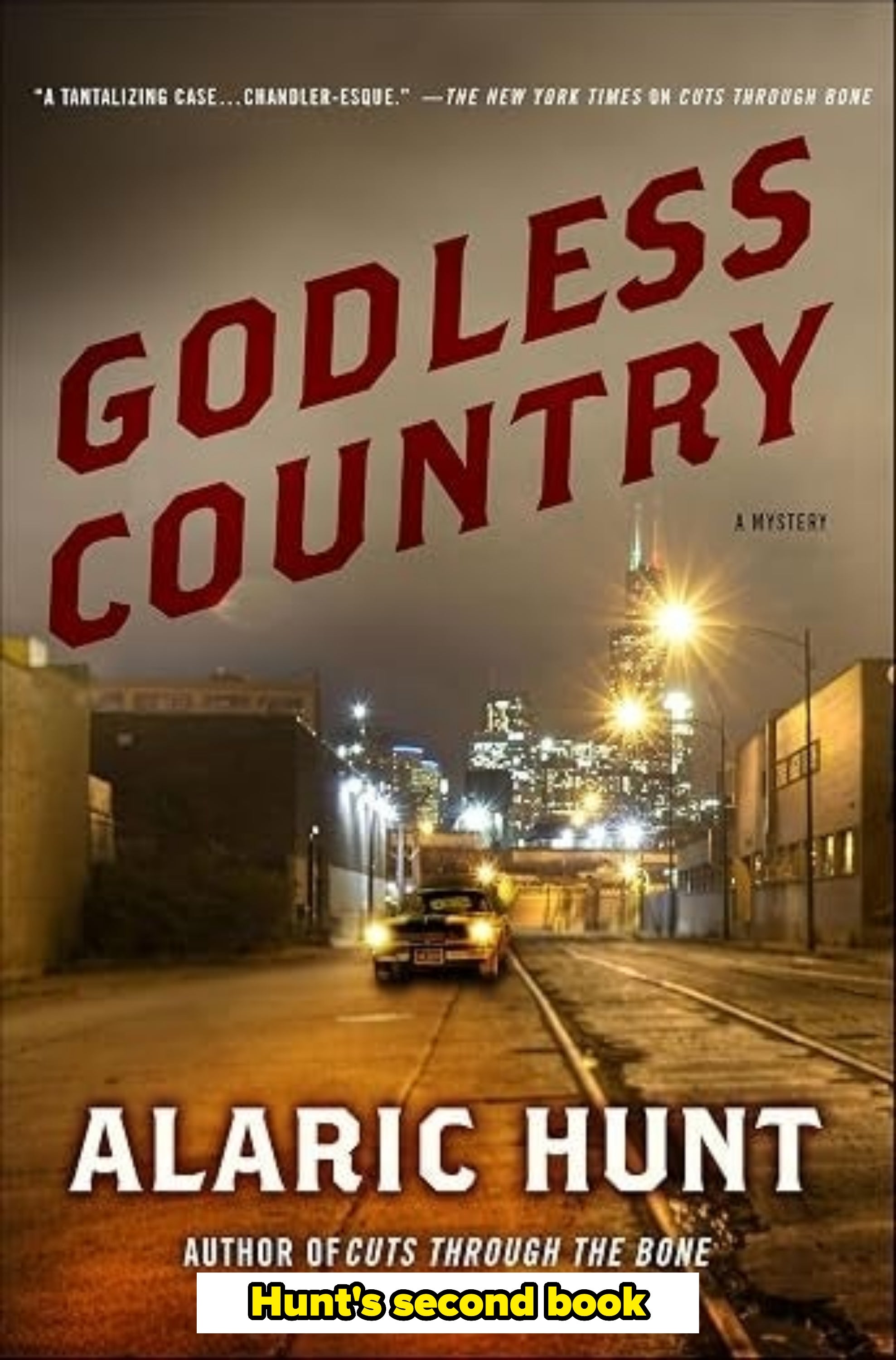
11. In 2011, American writer Alaric Hunt's unpublished manuscript, Cuts Through Bone, won the PWA Best First Private Eye Novel Competition. The prize was a publishing contract and a $10,000 advance. However, when Thomas Dunne Books editor Toni Kirkpatrick tried to call Hunt, she was informed that he was in prison "indefinitely." At the time, he'd already served 25 years of his life sentence for murder, robbery, arson, and other charges, and he was five years away from being eligible for parole. This was his crime: Hunt and his brother, Jason, set two fires to distract police and firefighters a few miles from a jewelry store before robbing it. Fifteen people were rescued from the fires, but 23-year-old Clemson grad student Joyce Austin died of smoke inhalation. The brothers were sentenced after pleading guilty to all their charges.
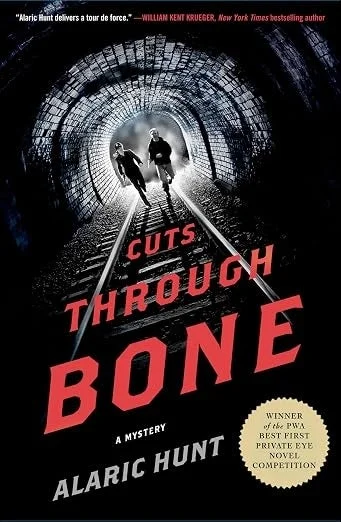
Hunt discovered the contest in a copy of Writer's Market at the prison library, where he worked. He spent several months writing his novel by hand. It centered on a veteran who was wrongfully accused of murdering his girlfriend, a college student. It's not based on Hunt's crimes. Since he'd been in prison since he was 19, he based his New York City setting off of TV shows like Law & Order, books, and an old map. He was in prison in South Carolina, where the local version of the "Son of Sam" law had been repealed, allowing him to publish and profit from his writing. However, he wasn't allowed to receive in-person visitors who hadn't known him before his incarceration, so edits were carried out via letter, ultimately taking two years.
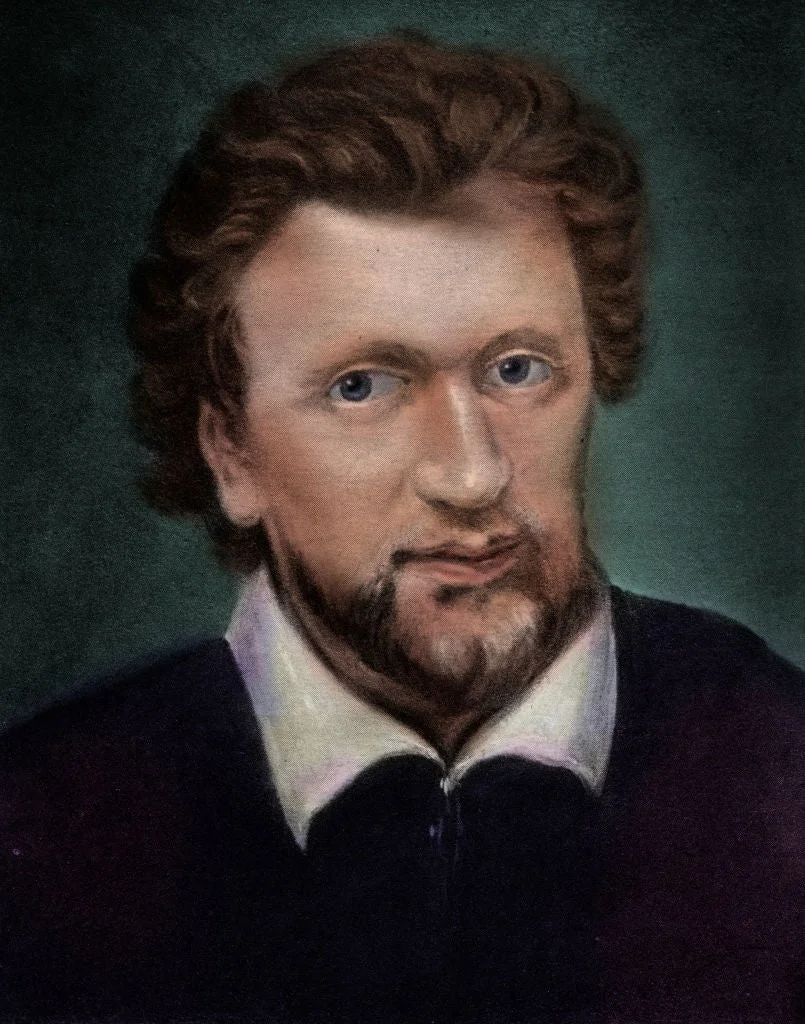
12. English playwright, poet, and actor Ben Jonson, who was a contemporary of Shakespeare, killed actor Gabriel Spenser in a duel in Shoreditch in 1598. The true reason they fought has been lost to time, but here's some background info to set the scene: Spenser had killed a man by putting a sheathed rapier through his eye in 1596, and both Jonson and Spenser were in prison in 1597. Additionally, before the fight, the Privy Council had closed down all the theaters because of Jonson's co-written play, The Isle of Dogs.
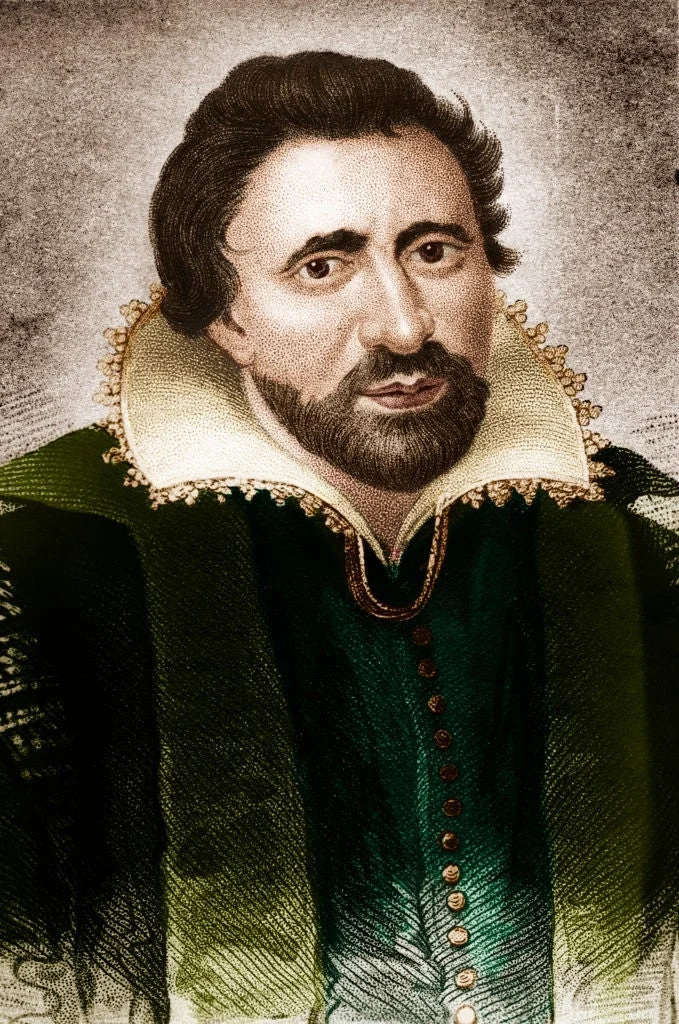
There are conflicting accounts of the duel. Jonson alleged that his opponent had a bigger sword and wounded his arm first. But the indictment said that Jonson "feloniously and wilfully struck and beat" Spenser with his rapier and dealt "a mortal wound, of the depth of six inches and of the breadth of one inch." Spenser died instantly. Jonson pleaded guilty to manslaughter, but he escaped hanging by claiming "benefit of clergy." So, he read Psalm 51 (the Miserere) in court, had an M branded on his thumb, and was set free. Killing Spenser reportedly didn't damage Jonson's reputation in any way.
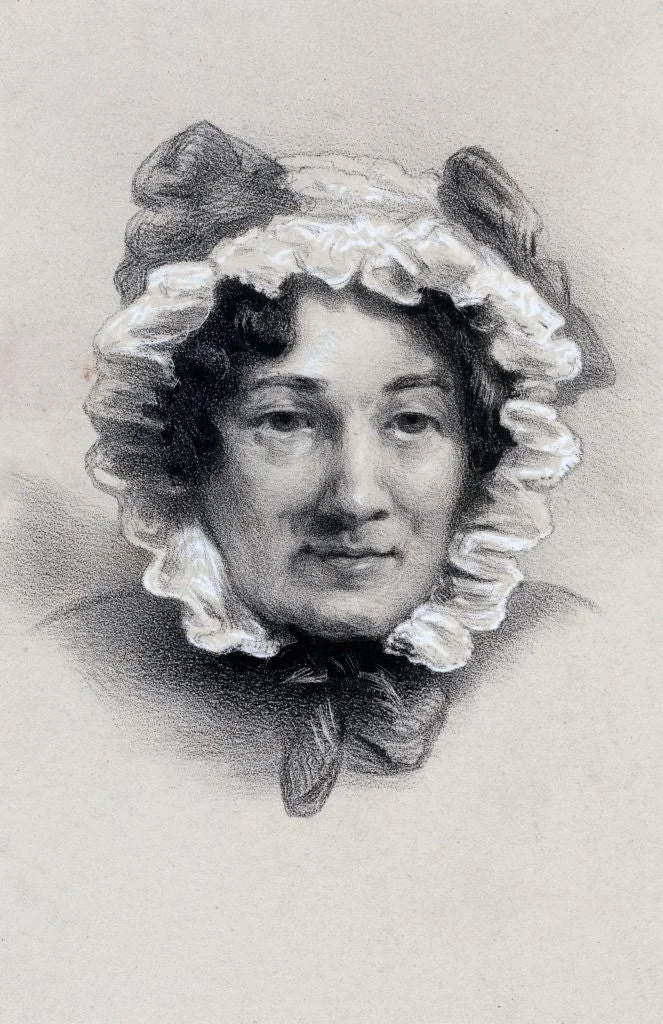
13. Before British author Mary Lamb penned Tales from Shakespeare with her brother Charles Lamb, she killed her mother with a carving knife during a mental health episode in 1796. She was placed under Charles's care after being declared "temporarily insane." She continued to deal with mental health issues, but she also continued collaborating with Charles.
14. And finally, in 1911, German writer Hans Fallada, whose works include Every Man Dies Alone, killed his friend, Hanns Dietrich von Necker, in a botched suicide pact. Both men were 18-year-olds struggling with their burgeoning sexuality vs. societal norms. However, they didn't want to tarnish their families' reputations, so they agreed to take each other's lives in a suicide pact disguised as a duel. Pretending to be defending a young lady's honor, they went out into the countryside to shoot each other. Von Necker missed Fallada, but Fallada mortally wounded his friend. Then, Fallada took Von Necker's gun and shot himself in the chest, but he survived and was charged with murder. Because of his mental health issues, he was declared unfit for trial and sent to a sanatorium instead.

Fallada published his first novel, Young Goedeschal, in 1920. Following his father's advice, he used a pseudonym (his real name was Richard Ditzen) so as not to dredge the public's memories of his involvement in von Necker's death back up.
Dial 988 in the United States to reach the National Suicide Prevention Lifeline. The 988 Lifeline is available 24/7/365. Your conversations are free and confidential. Other international suicide helplines can be found at befrienders.org. The Trevor Project, which provides help and suicide-prevention resources for LGBTQ youth, is 1-866-488-7386.
If you or someone you know is in immediate danger as a result of domestic violence, call 911. For anonymous, confidential help, you can call the 24/7 National Domestic Violence Hotline at 1-800-799-7233 (SAFE) or chat with an advocate via the website.
If you or someone you know is struggling with substance abuse, you can call SAMHSA’s National Helpline at 1-800-662-HELP (4357) and find more resources here.
The National Alliance on Mental Illness helpline is 1-800-950-6264 (NAMI) and provides information and referral services; GoodTherapy.org is an association of mental health professionals from more than 25 countries who support efforts to reduce harm in therapy.


Comments