His reaction to her question has left many questioning the appropriateness of his response.
Trump's Unhinged Remarks at a Press Conference
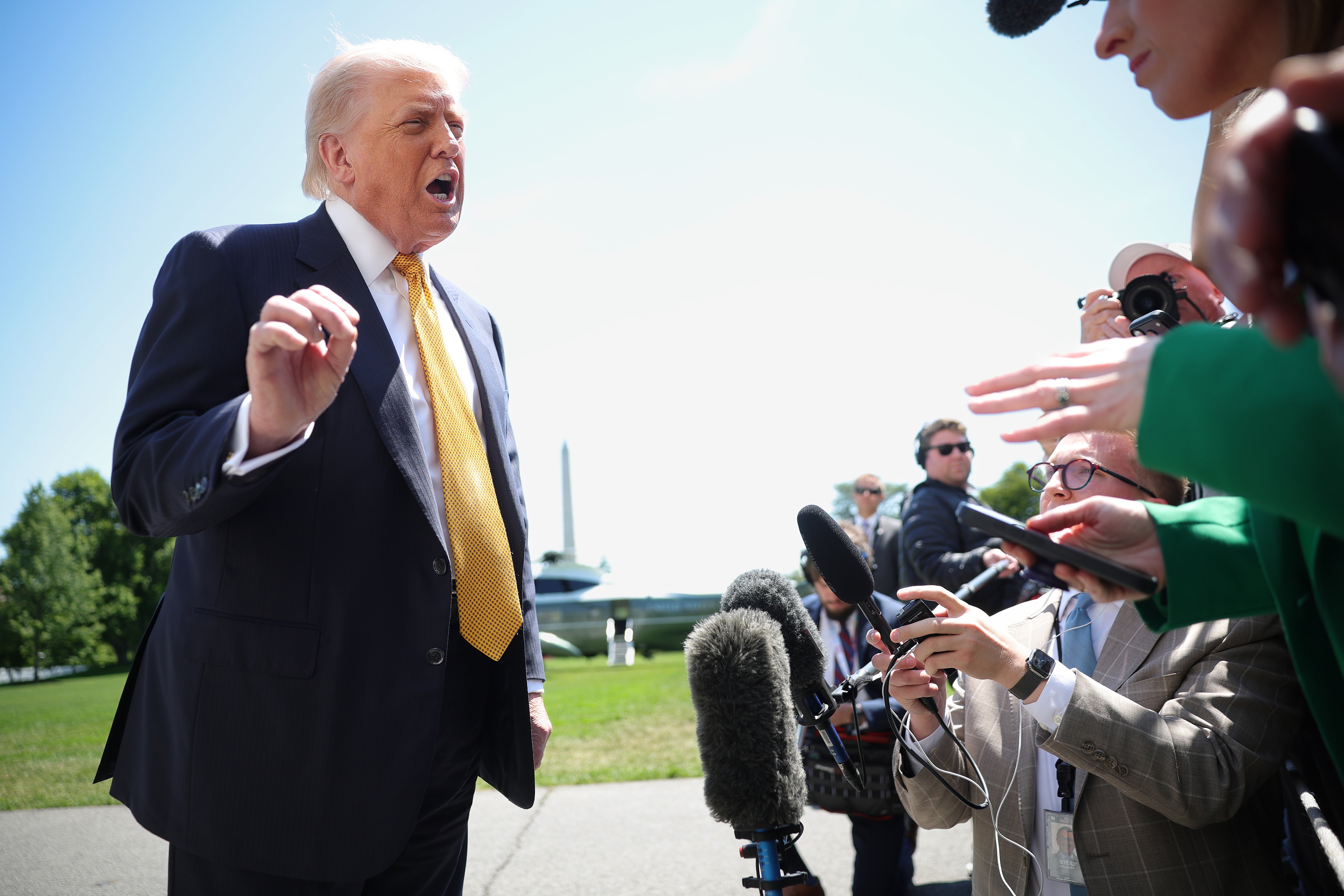
If you’re keeping an eye on political discourse, you might find Trump’s recent outburst to be a glaring example of how far he’s drifted from decorum—if he ever had any. The former president’s latest antics unfolded during a press conference that had all the elements of a circus act, particularly when he confronted a Black female journalist. His response, which crossed several lines of propriety, has evoked outrage and disbelief.
Context of the Press Conference
The incident in question occurred in the wake of a chaotic night where Trump took to Truth Social, posting over 55 times about various topics, including conspiracy theories and unfounded accusations aimed at multiple public figures. Just before attending the Xi Summit in China, Trump answered reporters' questions but seemed unprepared for the scrutiny, particularly regarding pressing issues that affect marginalized communities. One of the most striking moments came when he was pressed about concerns regarding the redistricting of congressional maps, which particularly impact Black voters. His flippant response, “Well, I think it's been a wonderful process,” underscores a profound disconnect from the real issues these communities face.
The Attack on Journalists
But what truly escalated tensions was his interaction with MS NOW reporter Akayla Gardner. When she questioned Trump about the rising costs associated with his D.C. projects, he not only dismissed her inquiry but insulted her intelligence by labeling her “stupid.” This wasn’t just a lapse in judgment. It encapsulates a broader pattern of disrespect towards female journalists, especially those of color, raising serious questions about how he pursues accountability and criticism from the press.
The Implications
What does this mean for anyone following U.S. politics? Trump's ongoing hostility towards the media is more than mere theatrics; it reflects an alarming normalization of aggressive rhetoric, especially towards those representing marginalized groups. It ought to serve as a wake-up call for those invested in fair reporting and accountability in our political climate. As we witness these exchanges, it becomes evident that this behavior is not just shocking—it's indicative of a deeper malaise that affects democratic discourse itself.
In this chaotic political narrative, one thing is clear: Trump’s actions are a loud signal of his contempt not just for the journalists asking tough questions but for the democratic principles of respect and understanding that underpin our society.
Questions Raised Over Budget Justifications
During a recent press conference, the conversation took an interesting turn when Akayla pressed Trump about discrepancies in budget estimates for major renovation projects. Recalling a prior incident in July 2025, Trump had criticized Jerome Powell for what he labeled as fiscal mismanagement, particularly targeting cost overruns attributed to the Federal Reserve's renovations. This incident has become a backdrop for understanding current budgeting issues within the administration.
In late 2025, a tweet from Russell Vought, the Office of Management and Budget Director, highlighted alarming figures. He pointed out how a renovation project intended to enhance the Federal Reserve's headquarters ballooned to $2.5 billion, which is a staggering $700 million over budget. His commentary emphasized that this project, featuring extravagant amenities like VIP elevators and marble finishes, is emblematic of the troubling patterns in public spending—a sentiment echoed by many critics who see such embellishments as excessive.
The Ballroom Dilemma
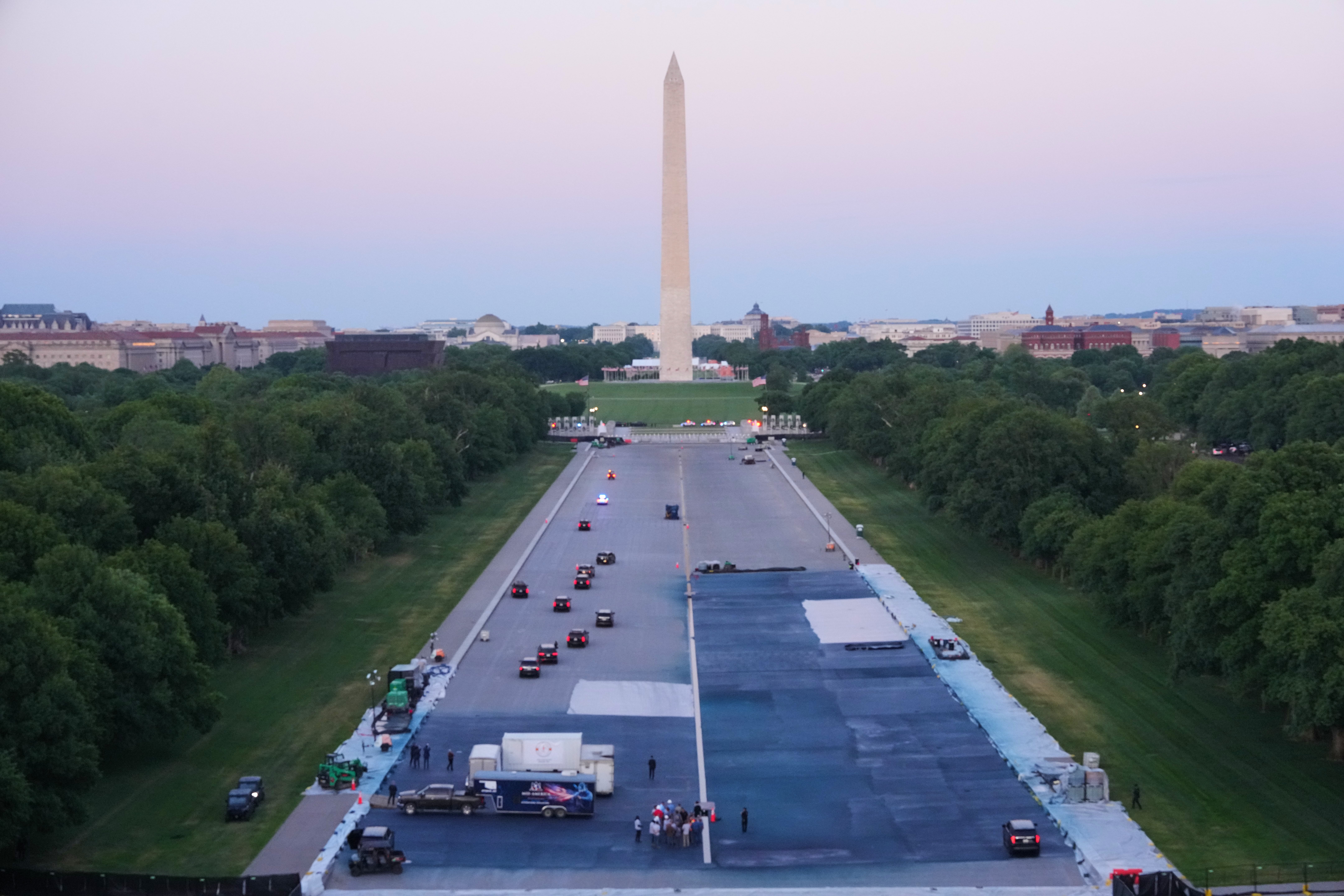
Fast forward to 2026, and we're seeing echoes of these budgeting issues with Trump's new ballroom project. Initially pitched at $200 million, the estimated costs have spiraled to $1 billion. The primary justification seems to be "security improvements," raising concerns about the original funding sources. What had been touted as entirely financed by private donations could now potentially drain taxpayer funds, as recent reports suggest that previous allocations may be revoked.
Moreover, consider the reflecting pool renovation, which skyrocketed from an expected $1.8 million to an eye-watering $13.1 million—a clear illustration of the budgetary chaos at play.
This situation begs a critical question: How can we reconcile these massive budget deviations with claims of being "under budget and ahead of schedule"? Trump's declarations during the press conference sought to deflect criticism rather than address it. When Akayla pointed out the doubled costs, he brazenly retorted that the ballroom's increased size justified the budget, telling her, “You’re not a smart person” if you think otherwise.
Public Accountability and Future Implications
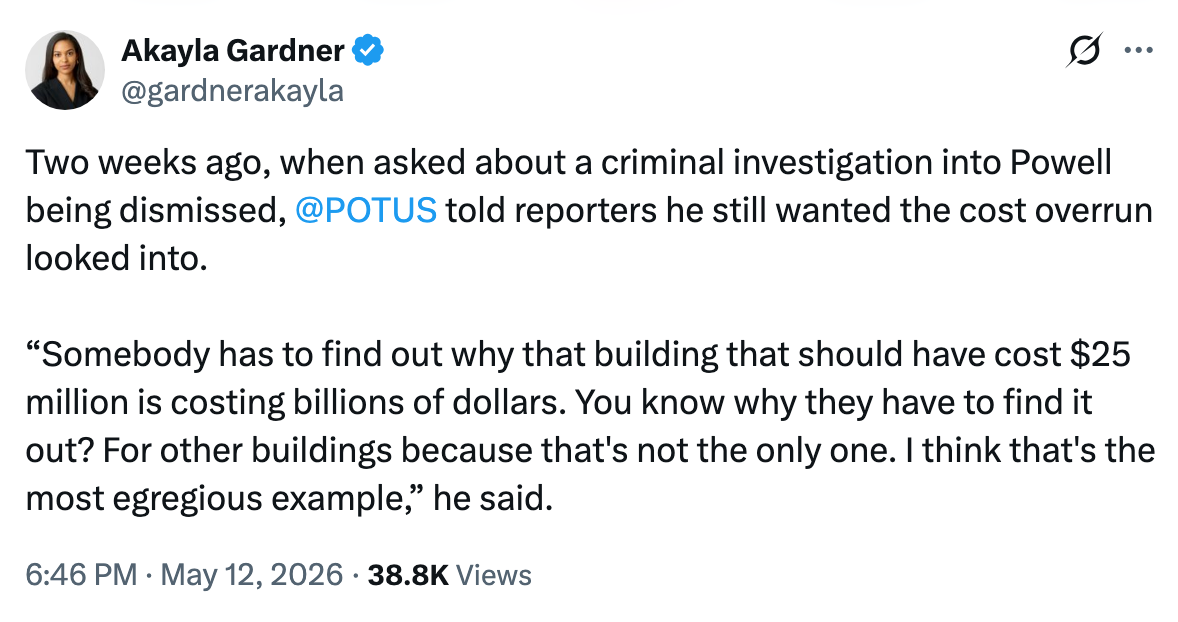
As Trump continued to assert his administration's fiscal prudence, Akayla reminded him of his earlier commitment for accountability regarding the Federal Reserve's staggering renovations. “Somebody has to find out why that building that should have cost $25 million is costing billions of dollars,” he had once stated, indicating his awareness of rampant overruns—truly a striking contradiction when juxtaposed against the current reality of his own projects.
In light of this context, the implications for public perception and taxpayer burdens cannot be understated. If you're navigating this arena, understanding these patterns is crucial for grasping the financial dynamics at play and their impact on public trust moving forward.
Trump's Treatment of Black Female Journalists: A Critical Reflection
The backlash surrounding Donald Trump's treatment of Black female reporters is intensifying. Recently, the Washington Association of Black Journalists directly criticized the former president's conduct, stating, "This was a perfectly fair question. Trump's behavior toward the Black women who cover the White House is unhinged." This outcry isn't just a reaction to one specific incident; it's part of a troubling pattern that many feel undermines the integrity of press freedom in America.
Consider the broader implications of these interactions. Public opinion on social media, particularly on platforms like X, reflects a critical stance towards Trump's comments and actions. One user pointedly observed, "Trump feels most comfortable speaking this way when the reporter is a woman, particularly a woman of color." This underscores a pressing concern: is there an underlying bias that affects how the former president engages with the press based on gender and race?
The sentiment that this behavior is an embarrassment for the country is widespread. As one commentator succinctly put it, "America is DOWN BAD!!!!!! What an embarrassment." It speaks volumes that many are disheartened by how these interactions reflect not just on Trump but on the nation as a whole.
Some individuals have taken a more personal approach, calling him out explicitly. Comments like "He's a vile man" resonate with a segment of the public that feels a moral imperative to denounce such conduct. Furthermore, journalist Mehdi Hasan added a thought-provoking question to the discussion: "When did we normalize this? When did it become okay for a president to tell a female reporter she’s a ‘dumb person’ for asking a totally legitimate question?"
What this all indicates is a reckoning regarding leadership's accountability in the face of media criticism, especially towards marginalized voices. Professionals in journalism and civil rights will have to grapple with these behaviors and challenge the normalization of disrespectful communication in public discourse. As we watch the unfolding narrative, it’s essential to remember that the implications extend beyond individual interactions and seep into the very fabric of our democratic values.