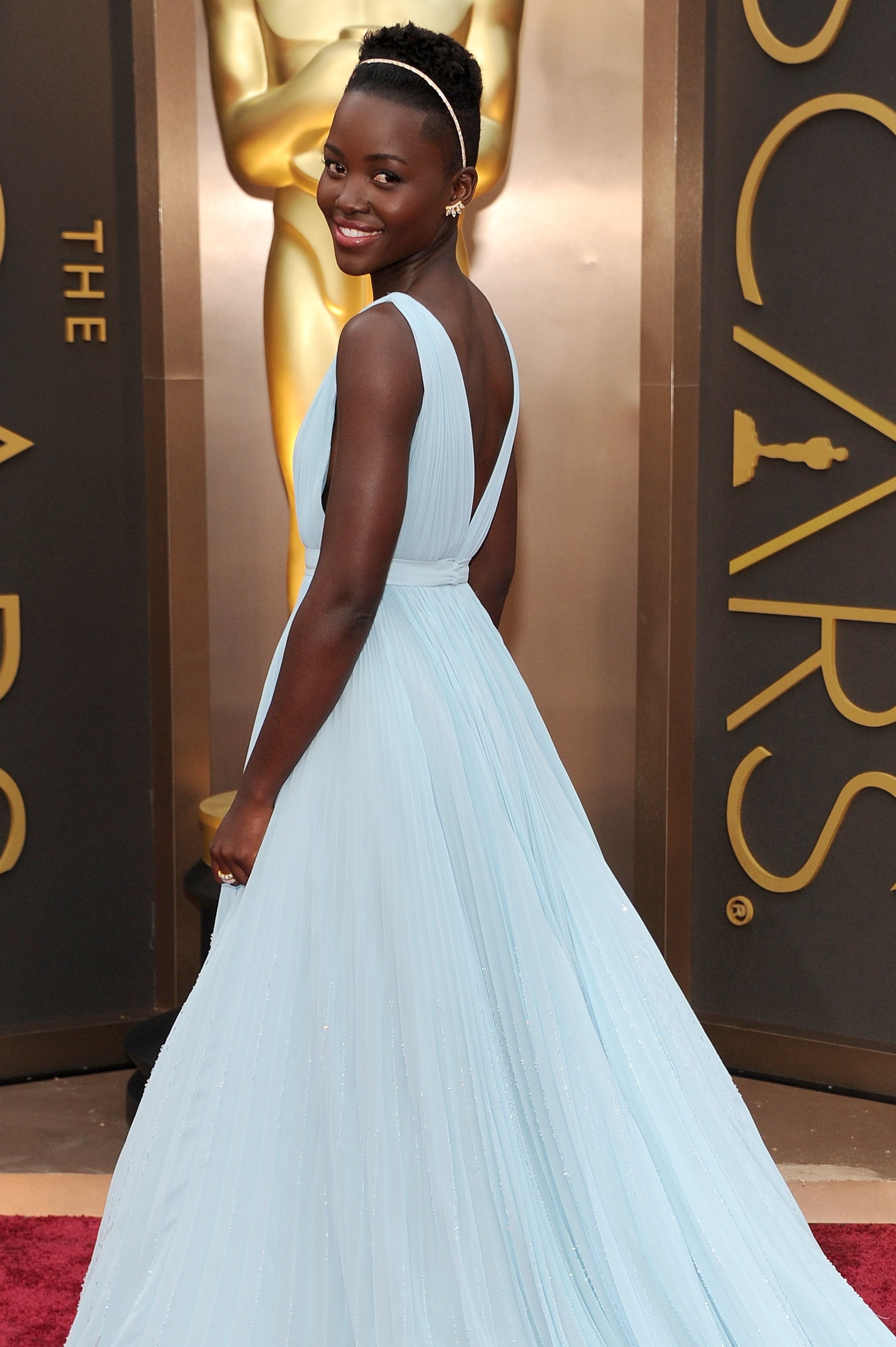
Controversy Surrounds Lupita Nyong'o's Portrayal of Helen of Troy
2026-05-14 14:20
820 views
Critics express dissatisfaction with Lupita Nyong'o's casting as Helen of Troy, asserting that their vision of the character differs from her portrayal, revealing the gap between myth and expectation.
The debate surrounding representation and beauty in Hollywood has taken center stage once again, with actress Lupita Nyong’o cast as Helen of Troy in Christopher Nolan’s upcoming adaptation of *The Odyssey*. The response to this casting choice has been a mixed bag, showcasing the complexities of audience expectations when adapting iconic characters.
Hollywood's Myth of Beauty
Helen of Troy is immortalized in literature for her unparalleled beauty, often described as the enigmatic figure with "the face that launched a thousand ships." In an age dominated by visual storytelling, Oscar-winning actress [Lupita Nyong'o](https://www.buzzfeed.com/tag/lupita-nyongo) undeniably possesses the kind of beauty that could resonate with that mythic standard. However, this casting raises important questions about the nature of beauty itself and whom we consider worthy of these legendary roles.
It's a fascinating moment in cinema, where the portrayal of ancient figures not only reflects past values but also contemporary perceptions of diversity and aesthetic standards. Nyong’o's casting represents a significant shift in the industry, moving away from traditional Eurocentric ideals of beauty towards a more inclusive representation. But that doesn’t mean everyone is thrilled about it.
Cultural Expectations and Backlash
Critics argue that audiences have predetermined notions of what characters like Helen of Troy should look like based on historical and cultural narratives, often failing to acknowledge the fictional nature of these depictions. "They expect real Helen to be cast, and they never knew how real Helen looked because it’s all just some imaginative poetry myth," one commenter noted, succinctly capturing the paradox of casting decisions in modern adaptations.
This backlash reveals a deeper issue: the fear that diversity in casting could disrupt traditional storytelling. However, if you're immersed in this space, it's clear that the conversation about who gets to embody these iconic roles is as important as the stories themselves.
With so much at stake, this casting could either open avenues for broader representation or reinforce the same old stereotypes if not handled carefully. As the movie gears up for its release in July, the conversations sparked by Nyong'o's role serve as a reminder that the stakes in Hollywood are high, and the debate over representation is far from over.
Amid this star-studded lineup, Lupita Nyong'o's role as Helen of Troy has stirred controversy. The announcement, made by TIME, has generated polarized reactions — not all are in favor of her casting as the epitome of beauty in Greek myth.
Commentators like Matt Walsh have openly criticized this decision on social media, stirring the pot with divisive statements regarding identity and representation in Hollywood.
Walsh's rhetoric escalated, suggesting a double standard in casting that some argue perpetuates hypocrisy. He went so far as to say that if roles were reversed, and a white actress played a prominent figure in African history, there would be widespread outrage.
Elon Musk joined the fray, amplifying Walgreens' sentiments by acknowledging this perceived hypocrisy, further complicating the discourse around casting choices and identity politics.
Following this thread, Musk made further remarks criticizing not just individual casting choices, but also targeting The Odyssey as a whole, suggesting that the creative decisions betray the legacy of the original works and offend cultural sensibilities.
The Fight Against Unjust Criticism
This recent uproar surrounding Lupita Nyong'o, Chris Nolan, and Elliot Page highlights a troubling trend: when Black actors take on roles, especially ones traditionally associated with white characters, they often find themselves facing a wave of racist backlash. While it's a shame these talented individuals have to endure such scrutiny, there's a sense of peace in their silence amidst this chaos. Both Nolan and Page have chosen not to engage with the vitriol, a strategy that many in the industry could learn from.
Nyong'o’s latest role, in particular, has thrust her into the spotlight for all the wrong reasons. Critics have questioned the appropriateness of her casting, reflecting an ongoing struggle over racial representation in Hollywood. It's a reminder that the conversations around casting are not just about talent but also deeply entangled in societal perceptions of identity and heritage.
Public Support and Backlash
On social media platforms like X, a significant wave of support has emerged for Nyong'o. People are actively calling out the racism in the criticism directed at her, labeling it as unjust and unfounded. Comments praising her beauty and talent often accompany denunciations of the supposed standards of “accuracy” being used to mask prejudice. One post boldly stated, "Yes, you either support her role behind Helen or stand against her. White supremacists will never stop using 'accuracy' as an excuse to be racist."
Moreover, many commentators point out that beauty standards shouldn't be tethered strictly to hair color or ethnicity. The fine line drawn by those who allege historical fidelity becomes thinner when scrutinized: “Jesus was never described as white,” one user noted, illustrating how historical accuracy is often selective.
What This Means for the Future
This dialogue isn't just about Nyong'o or any single project; it's a larger commentary on race in the media and entertainment industries. The ongoing pattern of backlash against Black actors casts a shadow on what should be a celebration of diversity in storytelling. If you're in the industry, pay attention: audiences are leaning toward inclusivity and are ready to support actors who challenge long-standing norms.
As we glance to the future of media representation, it's clear that the path to equity is fraught with old biases, but the future is also replete with voices advocating for change. This conversation—while painful—reflects a necessary shift toward recognition and inclusion. The more support these artists receive, the more likely we could see a redefinition of what characters can be, and who can embody them, pushing back against a history of exclusion.