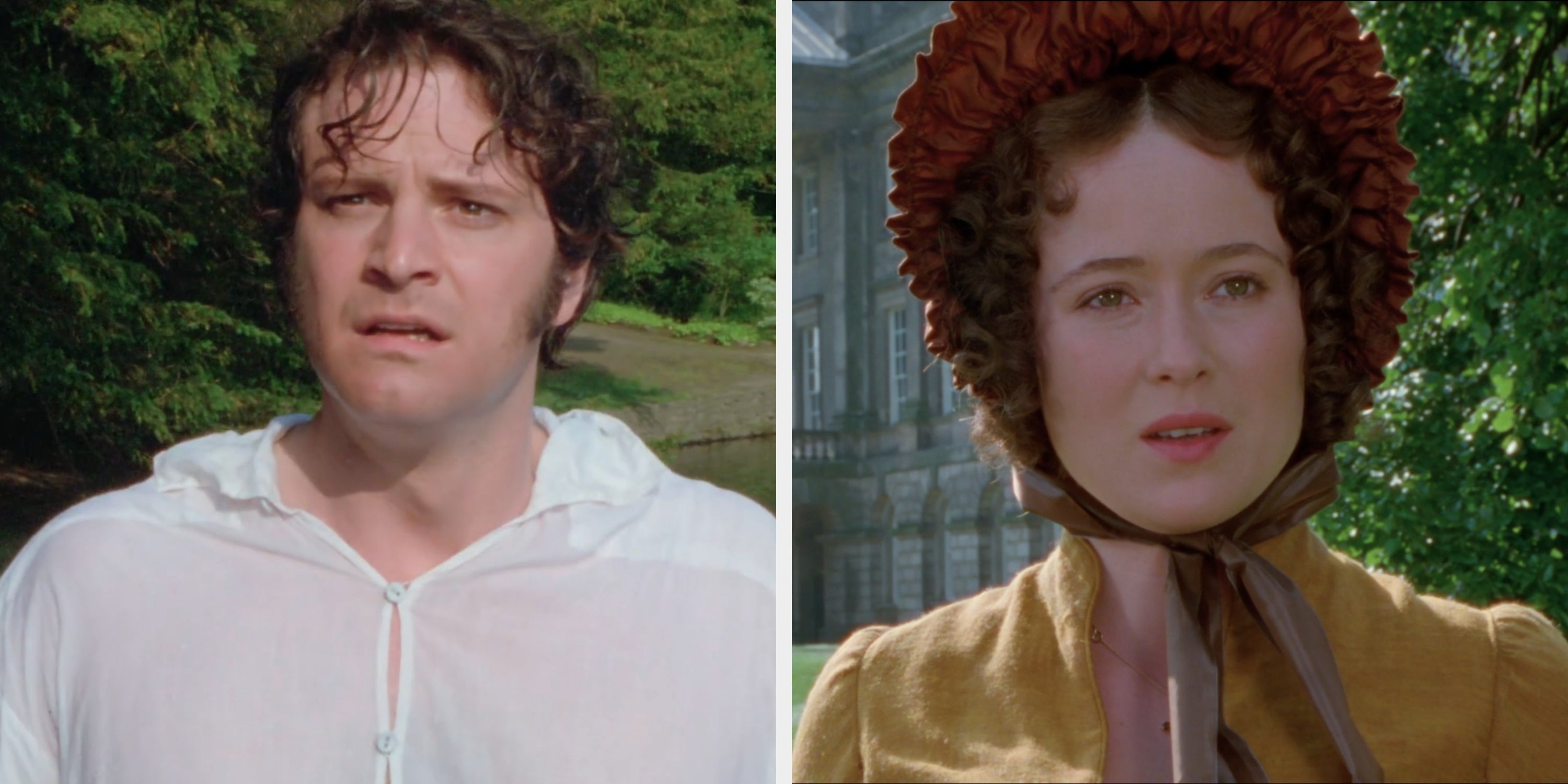
It's a truth universally acknowledged that well-loved Austenian novels must be in want of a BBC adaptation. And I personally vow to devour each and every one of them.
From Sense and Sensibility toThe Gilded Age, if it's got corsets and heroines who bravely rally against the confines of their rigid societies, I'm there. Which brings me to The Other Bennet Sister: the Pride and Prejudice spinoff series that's had a chokehold on my algorithm for months, and (because I live in the US and don't have a VPN) I have only recently had the pleasure of finishing.
The Other Bennet Sister is a BBC One series based on the 2020 novel by Janice Hadlow. It follows Mary, Lizzy's oft-overlooked middle sister, whose story was left primarily unwritten by the end of Austen's seminal text.
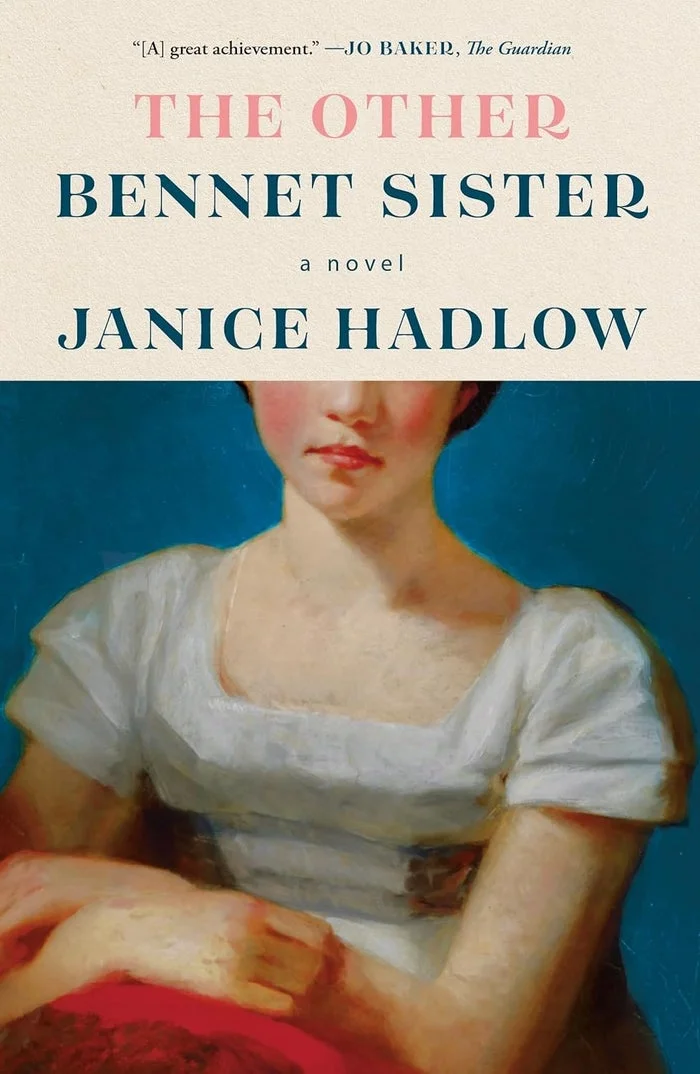
I loved the show so much that I read the book to see how showrunner Sarah Quintrell transformed Mary's story from book to small screen.
The Other Bennet Sister is a love letter to Pride and Prejudice and has been extremely well received by Austen fans. It's packed with allusions to Austen's other works and the beloved BBC One Pride and Prejudice (1995) series.
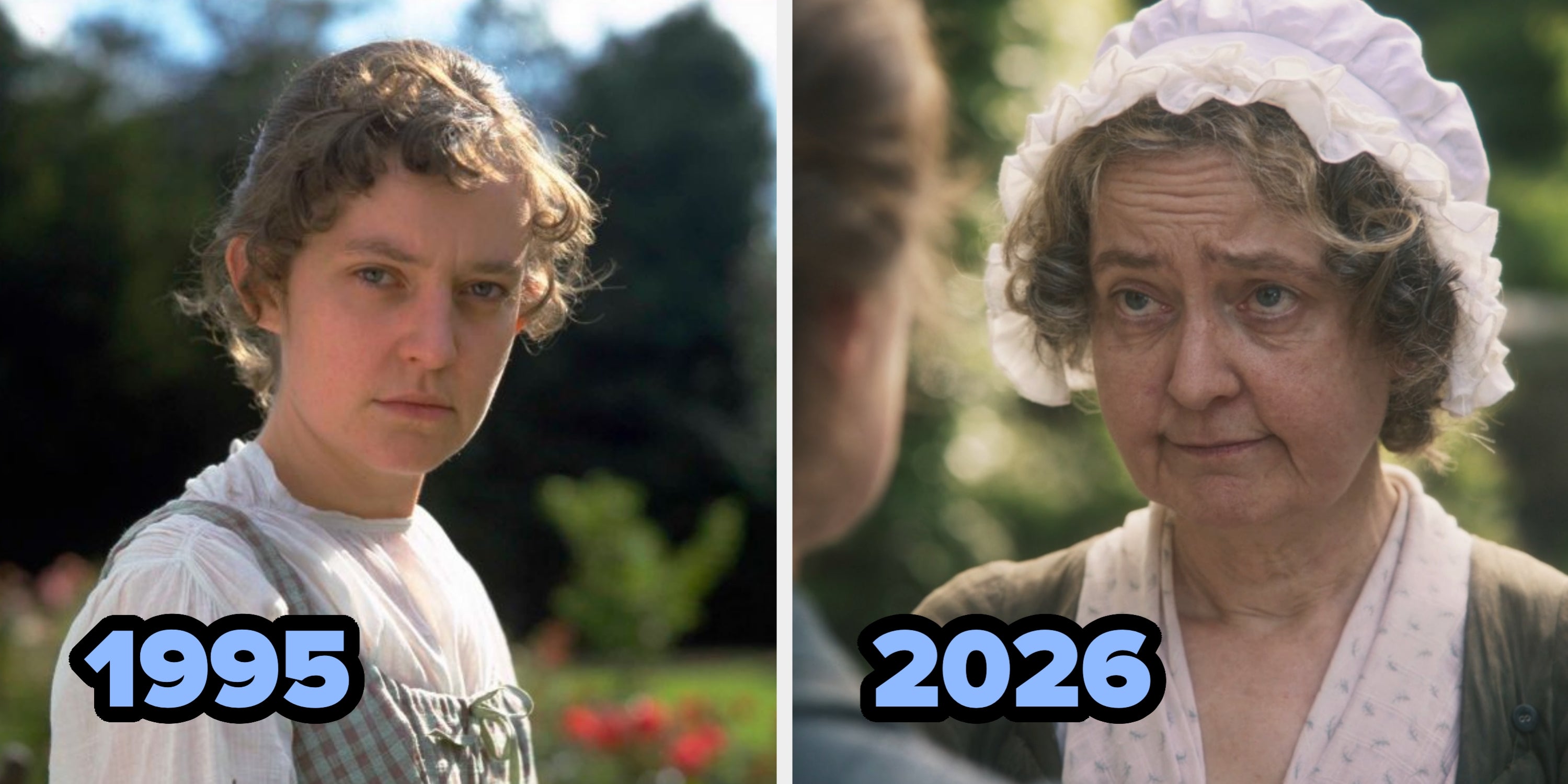
Lucy Briers, the actress who played Mary in the 1995 adaptation, even plays Mrs. Hill in The Other Bennet Sister, the family's housekeeper and one of the few who is kind to Mary as she grows up at Longbourn.
As someone who's read the book, I can attest that the series captures its feelings and character development. But I will say that the series made some sweeping changes to the story that I think all fans need to be made aware of, and I wouldn't dream of keeping them from you. Here they are:
🚨 Note: Spoilers ahead!
1. Mr. Bennet's relationship to Mary is highlighted more in the book.
When it comes to Mary's parents, the series focuses on Mary's strained relationship with her mother, and for good reason: Mrs. Bennet is the source of so much of Mary's fears and insecurities.
Mr. Bennet plays a smaller part in Mary's story, but there are key scenes in the first part of the novel with Mr. Bennet that help us understand Mary's overwhelming desire to please and search for belonging.
Mary works hard to win her father's respect and affection, the way Lizzy has. To connect over their mutual love for reading, Mary makes a book of quotes she's gathered while reading in his study. He dies before she has the chance to give it to him, and it makes the scene of his death even more heartbreaking in the book.
2. Charlotte isn't as big of a b-word in the book.
I was really surprised that in the series, Charlotte is a quasi-rival to Mary and a somewhat conniving opportunist (at least how I viewed it). That is not her role in the book. In both Austen's novel and this re-telling, we see Charlotte as ultra-pragmatic. Still, her actions in the book are entirely motivated by self-preservation, not selfishness. In the book, Mary respects Charlotte's frankness and considers Charlotte a friend.
After she and Mr. Collins announce their engagement in chapter 29, Mary defends Charlotte's actions to her mother, saying, "It seems very unfair to blame her for her good fortune" (p. 147). The depiction of Charlotte in the series struck me as less empathetic.
3. Mary spends weeks at Longbourn staying with the Collinses in the book.
In the novel, before finding a place in London with the Gardiners, Mary spends weeks with Charlotte at Longbourn. She goes there after her father's death, both for Charlotte's company and to escape her overbearing mother.
This visit opens her eyes to the realities of married life after being told that educated, genteel women have only one choice: "marriage or misery." Some of the events that take place during this visit — like Mary seeing how unhappy the Collinses are in their marriage — eventually occur in episode 7 at Pemberley — but a lot is left out of the series...
4. In the novel, Mr. Collins confesses that he wished he'd proposed to Mary when he had the chance (and that he taught her Greek).
I KNOW. When I read the scene, I was gobsmacked!
During her time at Longbourn, Mary forges a friendship with Mr. Collins. Seeing that Mary is eager to study philosophy, Mr. Collins begins giving her Greek lessons so she can better understand Aristotle. During these study sessions, Mary learns not only that Mr. Collins has a more down-to-earth side but that he's also lonely in his marriage.
Mr. Collins says this to Mary about regretting his engagement to Charlotte: "If I had not been so thoughtless or so hasty, I might have chosen someone who, in time, could perhaps have learned to love me. I might have chosen you" (p. 199). Okay, suddenly I'm rooting for a man I never expected to root for.
In lieu of Greek lessons and romantic declarations, the two connect in episode 7 of the series, where he gives her a book of Aristotle with a note encouraging her to forge her own path towards happiness!
5. In the book, Mary asks to go stay with the Gardiners; in the show, Mrs. Gardiner invites her.
In episode 3, Mrs. Bennet tells Mary that Mary will go to the Gardiners' London house to help educate their children while they are between governesses.
In the novel, however, Mary is the one who instigates her life in London, following in the footsteps of her sisters Lizzy and Jane, who both spent time with the Gardiners during difficult times in their premarital lives. In Pride and Prejudice, we learn that the Gardiners are happy and polite, and The Other Bennet Sister goes even further, depicting their life in London as a kind of marital "ideal."
I liked that in the novel, Mary sought out people who lived differently from how she had grown up. It was a brave choice. That's our Mary!
6. Mary is never a governess in the book. In fact, she explicitly says she doesn't want to be one.
In episode 3 of the series, Mary is invited to the Gardiners' home to be a governess. Becoming a governess supports Mary's character development because it helps her learn to let loose with her pupils, and even more so because it gives her a sense of agency — she knows that through her intellect, she can always make a living for herself, independent of her family or marriage.
This is a big shift from the novel, however, where she actually states that she has no desire to become a governess. During a visit to Longbourn, Lady Catherine De Bourgh insists on finding Mary a position as a governess in a home, but Mary adamantly refuses. The moment shows us that Mary knows what she wants and how to assert herself when necessary.
7. Once she is in London, Mary buys new dresses — the first she gets to pick out without her mother's input. In the series, she gets an allowance for clothes from her governess position, but in the novel, Lizzy pays for Mary's new wardrobe.
I read Mary's first trip to the linen-draper's shop as a symbol for her reclaiming her autonomy — she is deciding how she will present herself to the world without her mother's input for the first time. Mary also has a memorable interaction with Mr. Hayward in the fabric shop, so this scene was key to include in the series.
In the series, Mary's position as governess explains her ability to buy new clothes; in the book, her dress allowance actually comes from her sister. Lizzy secretly pays for Mary's new wardrobe — Mrs. Gardiner came up with the idea — to make amends for not being the greatest sister to her in the past. The dress allowance is Lizzy's quiet way of building Mary's confidence and supporting her journey of self-discovery.
With sisters of my own, I found Lizzy's gesture in the book incredibly touching, but I understand why it had to be cut for time.
8. Ann Baxter doesn't exist in the book. A shock, I know.
Why would they make Mary's life even harder by giving Mr. Hayward a girlfriend? I read Ann's role as representing Mary's internal development in two ways.
First, Mary's genuine friendship with Ann feels like an embodiment of the belonging Mary has always craved. Ann gives her the kind of female companionship she longed for from her sisters but never fully got.
In the book, Mary finds that same sense of belonging, but only through Mrs. Gardiner — an older, more maternal figure. The show gives Mary a peer for it instead, which satisfies her desire for a "bosom buddy" in a way that goes beyond her bond with Mrs. Gardiner or her male friendships.
Second, Ann is a literal obstacle to Mary's feelings for Mr. Hayward, standing in for the self-doubt Mary wrestles with internally in the book. The novel's close narration lets us sit inside Mary's head as she second-guesses herself — something a TV series can't fully replicate. So the show externalizes that doubt: Ms. Baxter's presence creates a real, visible tension between Mary and Mr. Hayward, doing on screen what internal narration does on the page.
Mr. Hayward's "love triangle" with Mary and Ms. Baxter emulates a central conflict in Austen's other beloved novel, Sense and Sensibility, in which Mr. Ferrars is prevented from sharing his true feelings for the protagonist Elinor Dashwood because of his secret engagement to a young woman he met while a student.
9. The Game of Graces scenes were not in the novel.
I loved the scene in episode 3 where Mr. Hayward finds Mary practicing Graces by herself in the Gardiners' parlor, but it wasn't in the novel.
Instead, the two get to know each other through dinner, teatime conversations, and a book swap, where he offers a book of Wordsworth's Lyrical Ballads and she shares Macaulay's The History of England.
10. The triumphant game night where Mary shows off her intellect and meets Mr. Ryder does not happen in the book.
The game night held at the Gardiners' was also not in the book. I read this invented scene as a reflection of the gradual shift in the novel from Mary's demeanor being driven by self-doubt and insecurity to one guided by self-knowledge — a shift she earns through her experiences in London: meeting people in society on her own and spending time with the Gardiners. It also shows just how much Mr. and Mrs. Gardiner wanted Mary to feel seen and adored — they threw an entire party where she could shine brightest. How sweet!
In the show, this is also where Mary meets Mr. Ryder — she woos him with her aptitude for solving riddles! In the novel, however, Mr. Ryder is introduced to Mary and the Gardiner party at the Vauxhall Pleasure Gardens (how posh).
11. Mary does not return to Pemberley in the novel.
The dialogue in the scenes at Pemberley feels very true to Hadlow's writing, but the family reunion that takes place in episodes 6 and 7 of the series does not happen in the novel.
These episodes streamline the important plot points from the middle of the novel, such as Mary discussing happiness and Aristotle with Mr. Collins, Lizzy making amends with Mary, and Mr. Ryder wooing Mary. In the book, Mr. Ryder visits Mary repeatedly at the Gardiners' while Mr. Hayward is busy with a legal case.
12. In the novel, Mr. Ryder's indecent proposal to Mary doesn't come until after they return to London from the Lake District.
In the series, while visiting her at Pemberley, Mr. Ryder proposes that Mary should live in Italy with him without getting married. While this does happen in the novel, Mr. Ryder waits to ask her to become his (for lack of a better word) mistress until after they return from the lakes, almost at the end of the novel.
13. The boat scene at the lakes, while hilarious, does not happen in the book.
In episode 8 of the series, Mr. Hayward takes Mary on a rowboat ride in the Lakes District and gets close to admitting his feelings for her, but is interrupted by Mr. Ryder, who swims over to their boat and ultimately knocks Mr. Hayward into the water. The scene is romantic and awkward, reflecting the novel in that Mr. Ryder repeatedly obstructs Mr. Hayward's pursuit of Mary.
It's also a nod to an iconic scene in the BBC's 1995 Pride & Prejudice in which Lizzy catches Mr. Darcy looking shmexy in a wet shirt (butt naked's Regency era equivalent) after a swim in his pond at Pemberley.
14. In the novel, Mr. Ryder tells Mr. Hayward about his inheritance before their trip to Scafell.
In the book, Mr. Hayward learns about Mr. Ryder's inheritance days before the climb, and his behavior toward Mary noticeably cools in the days that follow. Confused by Mr. Hayward's sudden distance, Mary spends that time spiraling over where she stands with him.
In the series, that reveal is compressed into the hike itself — Mr. Ryder tells Mr. Hayward about his new fortune while they're already on the mountain, rather than days in advance.
This timing shift changes how Mary's arc lands. In episode 9, Mr. Hayward implies he plans to propose to Mary at the summit, but in the book, he keeps his distance rather than moving toward her. Knowing that Mr. Hayward has been withdrawn for days — not just an hour — makes it easier to understand why Mary sides with Mr. Ryder in the argument over whether to descend the mountain due to the storm.
Basically, the series condenses the slow, days-long emotional unraveling of Mr. Hayward and Mary in the novel into the hike itself.
15. Mary does not get grievously ill after their Scafell hike in the novel.
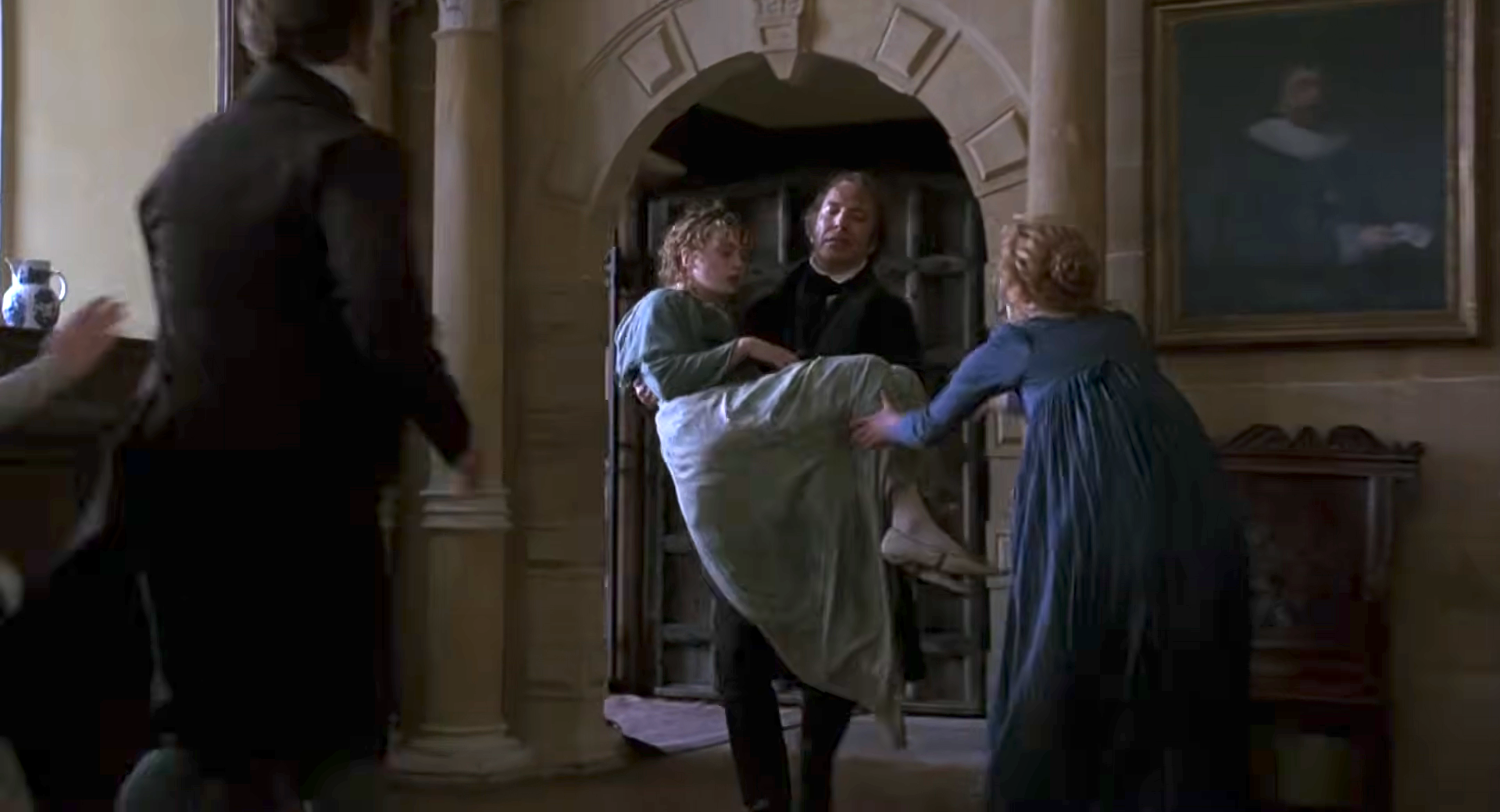
This choice certainly added melodrama, and carrying Mary into the inn presents Mr. Hayward as the hero we all want him to be. And, we get to see how much he really cares for her as he agonizes outside her bedroom. SO romantic.
In the book, however, Mary is totally fine after their perilous trek in the storm. Still, in both the series and the novel, when she wakes up after the journey, Mr. Hayward is inexplicably gone — and Mary is totally bewildered!
This change in the series is also a sneaky nod to Colonel Brandon rescuing Marianne after her treacherous walk in Austen's Sense and Sensibility.
16. When he proposes, Mr. Ryder doesn't tell Mary that he's inherited Lady Catherine De Bourgh's fortune in the novel, but he does say some other things.
In the final episode of the series, Mr. Ryder proposes — this time with marriage — to Mary, and confides that he's recently become a very rich man as Lady Catherine De Bourgh's heir.
In the novel, however, he keeps that bit of information to himself, which does him some credit. Instead of persuading Mary with money, Mr. Ryder chooses a different tactic: he tries to convince her that it's her "duty" to marry him. Mr. Ryder claims in the novel that because she is so thoughtful and wonderful, she would temper his frivolities and make him a better man. Yikes. I know.
Despite appealing to her virtuous sensibilities, Mary refuses Mr. Ryder all the same. She does, however, take more time to think it through in the novel, and Mrs. Gardiner even encourages her to consider him.
17. Mary's final conversation with her mother is far more confrontational and empowering for Mary in the series than in the novel.
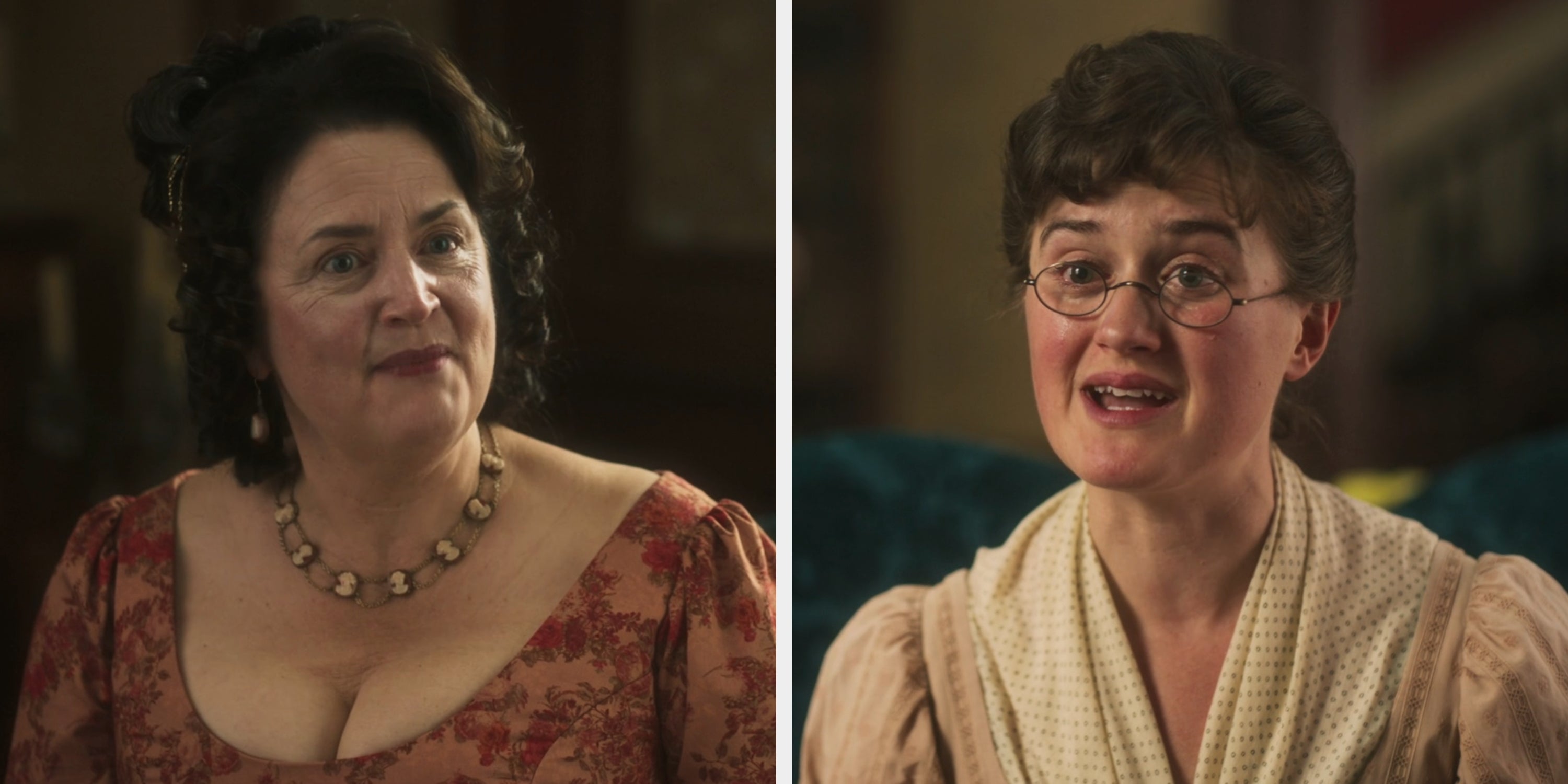
In the final episode of the series, in the wake of her rejection of Mr. Ryder, Mary and her mother have a climactic exchange. Mary bravely stands up to Mrs. Bennet, trying to get her mother to finally see her with compassion.
She tells her mother that she cannot marry a man she does not love, even though she once considered marrying Mr. Collins. "I have changed!" she exclaims, explaining that growing up, she had always wanted to please her mother — but now she has to stay true to herself, even if that means refusing Mr. Ryder's offer.
The scene gives dramatic shape to an internal shift that's only narrated in the novel's final pages. It also delivers real catharsis to Mary and Mrs. Bennet's relationship, offering the kind of satisfaction we all crave from finally telling someone how they've hurt us, how we've grown, or how we wish they could be. Though we rarely get the chance to actually say those things.
By contrast, Mrs. Bennet's final interaction with Mary in the novel is stifled and one-sided — much like their relationship throughout the book.
18. With Mr. Hayward gone, Mary allows herself to wallow, at least a bit, in the novel.
Without the prospect of becoming a full-time governess, book-version Mary spends a good deal of time wandering around London, thinking about what went wrong with Mr. Hayward and where he is. She, as we all must do at some point or another, wallows.
In the series, Mary is resolved not to dwell on love-lost. A part of me said "more power to her!" as I watched Mary start to build a fulfilling single life in episode 10, but most of me missed the honesty of being heartbroken and acting accordingly. (Book-Mary would've loved Olivia Rodrigo's new album.) Mary's personality in the series is ever-so slightly different from the book Mary, and this is, to me, a curious example of that.
19. Mr. Hayward reunites with Mary at the Gardiners' home, not in a public garden, in the book.
A small but meaningful change. In the series' conclusion, Mr. Hayward calls to Mary from afar in a London garden and rushes to her.
In the novel, their reunion takes place in the Gardiners' parlor rather than a garden, which, to me, makes more sense. In Regency-era London, two people, even two newly engaged people, would never, ever be permitted to kiss in public. Well, maybe Mr. Ryder would! Rake!
In the novel, Mr. Hayward (or should I say, Tom) and Mary do share kisses during this climactic encounter, but it's in the privacy of the Gardiners' home, which is also where they fell in love, so that feels very fitting.
20. In the book, Mary is the first to speak when she finally sees Mr. Hayward again. Not the other way around.
Having spent months mulling over the perils of their separation in the Lake District, Mary knows her heart and is determined to share it when she sees Mr. Hayward again. When she finally gets the opportunity to do so — to tell Mr. Hayward how much she loves him — she takes it.
In the book, she says: "'I know it is not usual,' she said, surprised at the steadiness of her voice, 'for a woman to put herself forward in this way, but I hope on this occasion you will allow me to speak first…'" She goes on to confess her feelings for Mr. Hayward, without knowing if those feelings are returned, saying, "'You are the only man who could ever make me happy, and I have missed you — oh, I have missed you so very, very much'" (p. 451).
SWOON. In the series, however, instead of confessing her feelings right away, Mary begins their reunion by expressing her anger with Mr. Hayward, immediately demanding an explanation for his disappearance, which he gives.
21. In the novel, Mr. Hayward had already made his mind up to go to Mary when he got Ms. Bingley's letter.
In the final moments of both the novel and the series, Ms. Bingley meddles in Mary's life once more, this time in her favor. She writes a letter to Mr. Hayward divulging that Mary is both single and in love with him.
In the series, Mary asks Tom what made him come back, and he says he received a letter from Caroline Bingley that made him realize he was being "ridiculous," and the two of them marvel at the kindness that Ms. Bingley has shown them after treating them with so much disdain.
In the novel, the sentiments are mostly the same, but Mr. Hayward tells Mary he had already determined to return to London and confess his feelings for her before he got Ms. Bingley's letter. Her message only confirmed that his path was the right one, and encouraged him to get a move on!
I liked that in the novel Mr. Hayward had come to his own conclusion about proposing to Mary, without outside influence. Still, most of us do need a push to do the brave thing, so I understand the screenwriters' slight adjustment for the series.
22. And finally, in the novel, there's no three-episode holiday special.
The book's final chapter concludes with her making a home in London with her husband (!!!), but in the series, it seems Mary's story does not end there.
If there is a Mary-Bennet-sized hole in your life (as there is in mine), the series is bringing back The Other Bennet Sister for a three-part holiday special. Though a premiere date has not yet been set, this is maybe the greatest unexpected period drama reprisal since Sanditon's uncancellation in 2021.

Comments