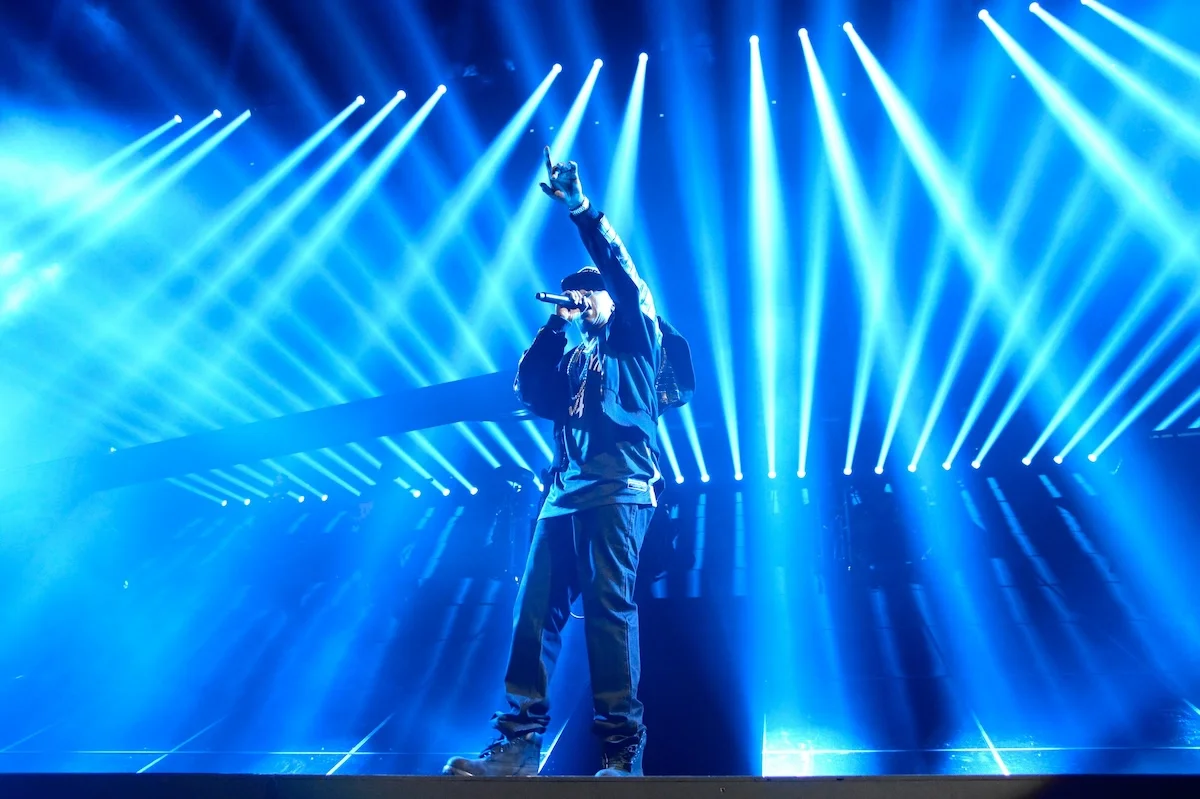
You may know him as Shawn Carter, Jay-Z, Hova, or simply one of the best rappers alive. Born in New York in 1969, Jay-Z spent his early adulthood on the wrong side of the law, making good money in the illicit drug trade but watching with envy as other Brooklyn rappers of his generation like Big Daddy Kane and the Notorious B.I.G. ascended to fame much more quickly. After co-founding Roc-A-Fella Records and releasing his sleeper hit debut Reasonable Doubt in 1996, though, Jay-Z gained a reputation as a razor sharp emcee with an ear for hits, releasing multiplatinum albums like 1998’s Vol. 2… Hard Knock Life and 2001’s The Blueprint.
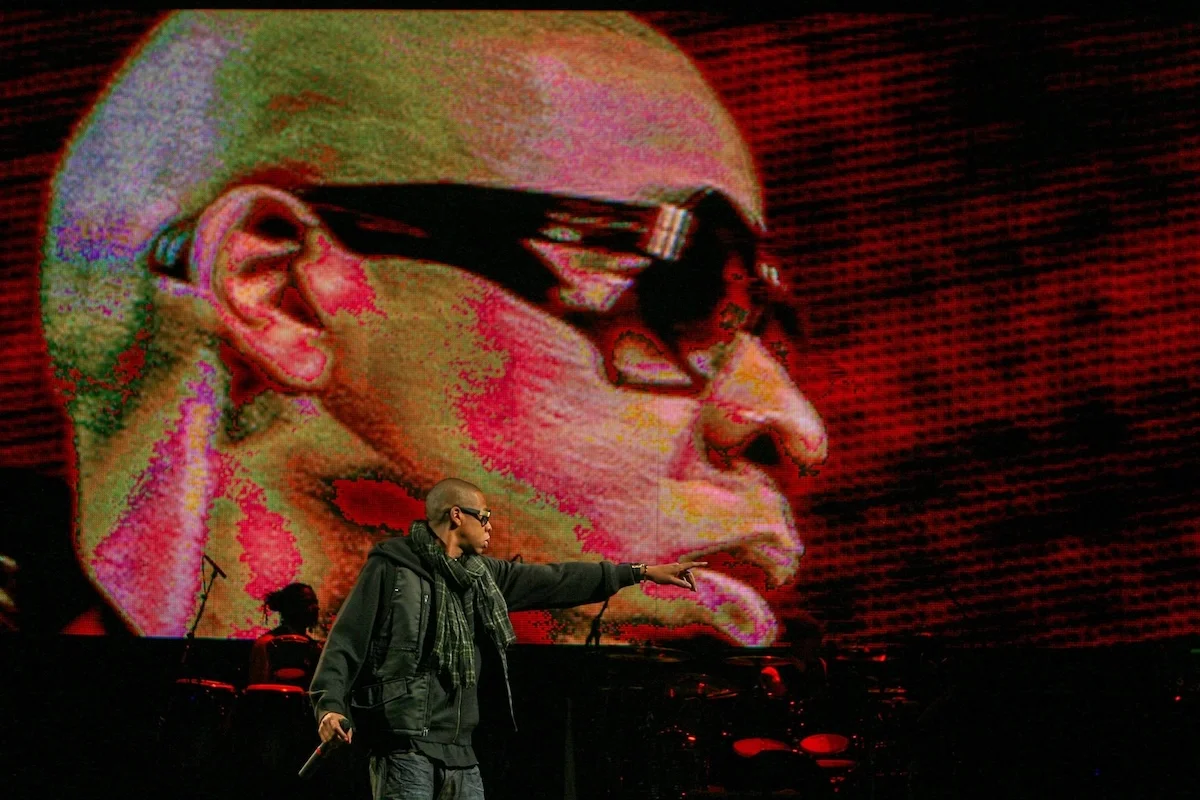
After teasing his retirement from recording for years, Jay-Z released 2003’s The Black Album as his supposed swan song, and then resumed releasing more albums just three years later. In 2008, Jay-Z married R&B superstar Beyoncé Knowles, with whom he now has three children, and has wielded enormous cultural influence with ventures like the entertainment conglomerate Roc Nation. With a net worth of over $2 billion, he’s the wealthiest musician in the world, but his musical legacy still feels more impactful than whatever headline-making deal he’s about to cut next.
More from Spin:
- Queens Of The Stone Age Make It Look ‘Easy’
- Iron Maiden, Pophouse Partner For Future Projects
- SUMMA WUZZON: Tours + Festivals
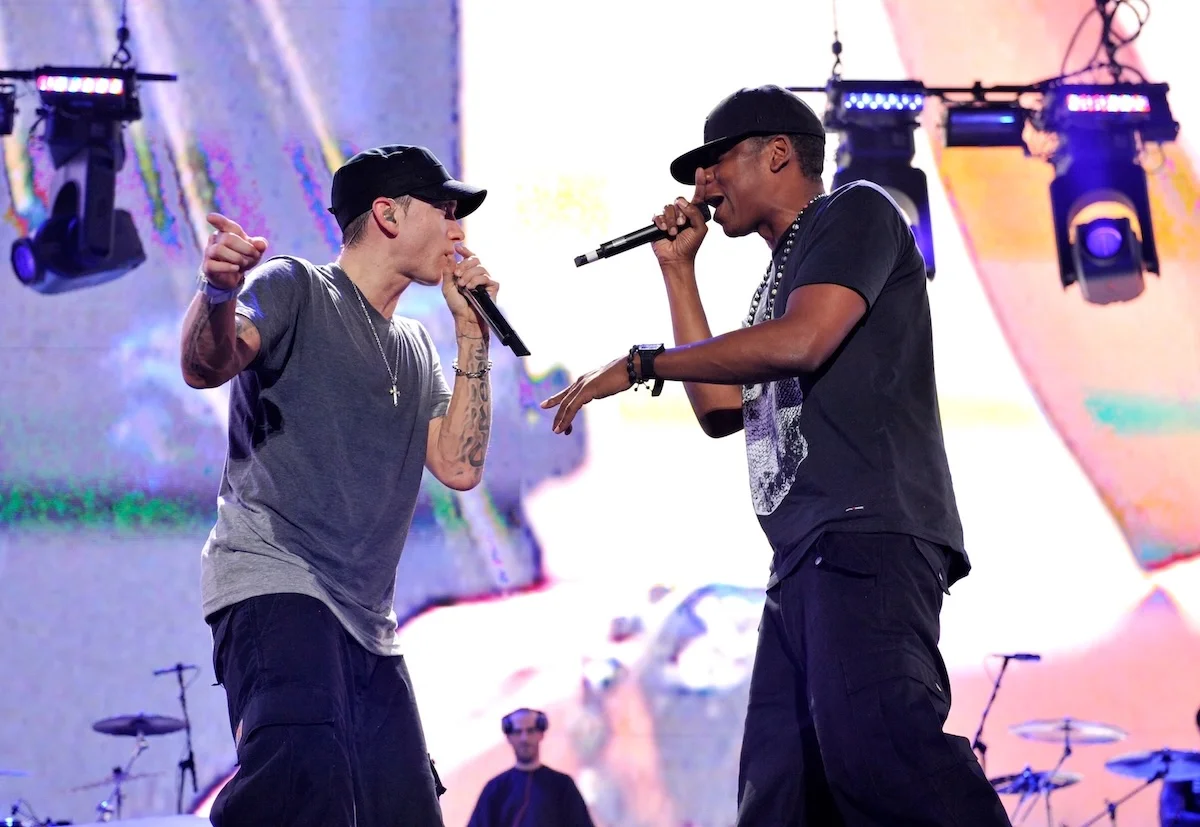
From 1996 to 2018, Jay-Z released 13 solo albums and four collaborative albums, amassing a catalog that has sold over 100 million units and winning 25 Grammys. Aside from his unbilled appearances on most of the songs on Jay Electronica’s 2020 album A Written Testimony, Jay-Z’s musical output has been sporadic and rare in recent years. In May, however, he performed at the Roots Picnic in Philadelphia, his first headlining concert in five years, as a warmup for a series of stadium shows celebrating the 30th anniversary of his debut album. At Yankee Stadium, he’ll revisit his two of his most revered classics, Reasonable Doubt and The Blueprint, on July 10 and July 11, respectively. But which is his greatest album?
17. Unfinished Business with R. Kelly (2004)
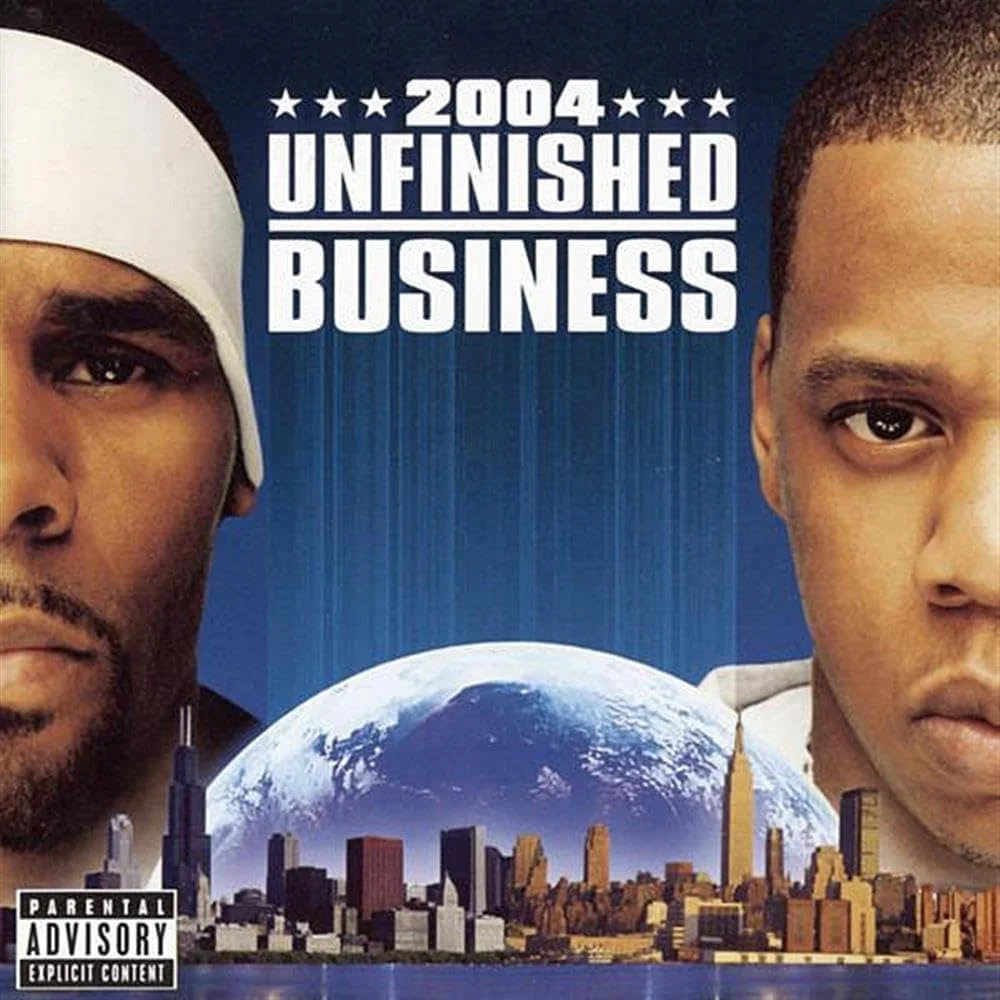
You can at least give Jay-Z the benefit of the doubt that he was blindsided by the controversy around Chicago R&B star R. Kelly that broke just before they released their first album together as a duo, 2002’s Best of Both Worlds. But those unseemly allegations of Kelly’s sexual misconduct with minors hadn’t gone away when the semi-retired Jay decided to reunite with the singer two years later, turn some leftovers into another album, and set off on an ill-fated tour. There’s a few nice flows on Unfinished Business—remixers could easily rescue bars from “We Got ’Em Goin’” or “Stop”—but the music surrounding Jay’s contributions is pretty uninspired, and the context around them is disturbing.
16. The Blueprint 3 (2009)
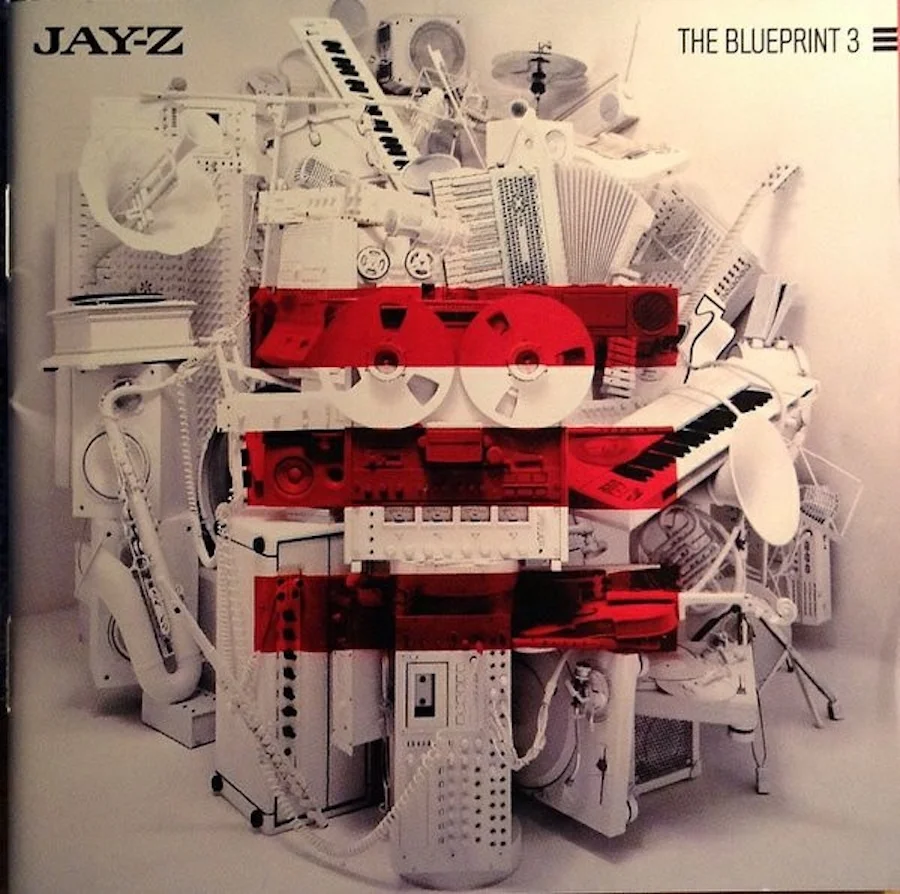
Although a few songs he’d guested on had topped the Hot 100, The Blueprint 3 finally gave Jay-Z one of the only career milestones that had eluded him up to that point, a No. 1 single of his own. “Empire State of Mind” featuring Alicia Keys feels oppressively overplayed at this point, a New York tourism jingle, but in 2009 it felt he’d finally regained his post-retirement hitmaking instincts. On paper, the massively successful Blueprint 3 is an unqualified triumph. On record, it’s dull and whiny, with Jay-Z commenting constantly on the widening age gap between himself and younger generations. He grumbles lines like “No I’m not a Jonas brother, I’m a grownup,” and tries unsuccessfully to kill a vocal effect that’s still ubiquitous today on “D.O.A. (Death of Auto-Tune).” And there’s zero chemistry between Jay and the rising stars like Drake, J. Cole, and Kid Cudi that parade through the second half of the album. “The Blueprint 3 is so certainly Jay-Z’s weakest solo album, you’ll be tempted to wonder if Kingdom Come was somehow underrated,” Ian Cohen wrote in the Pitchfork review.
15. The Best of Both Worlds with R. Kelly (2002)
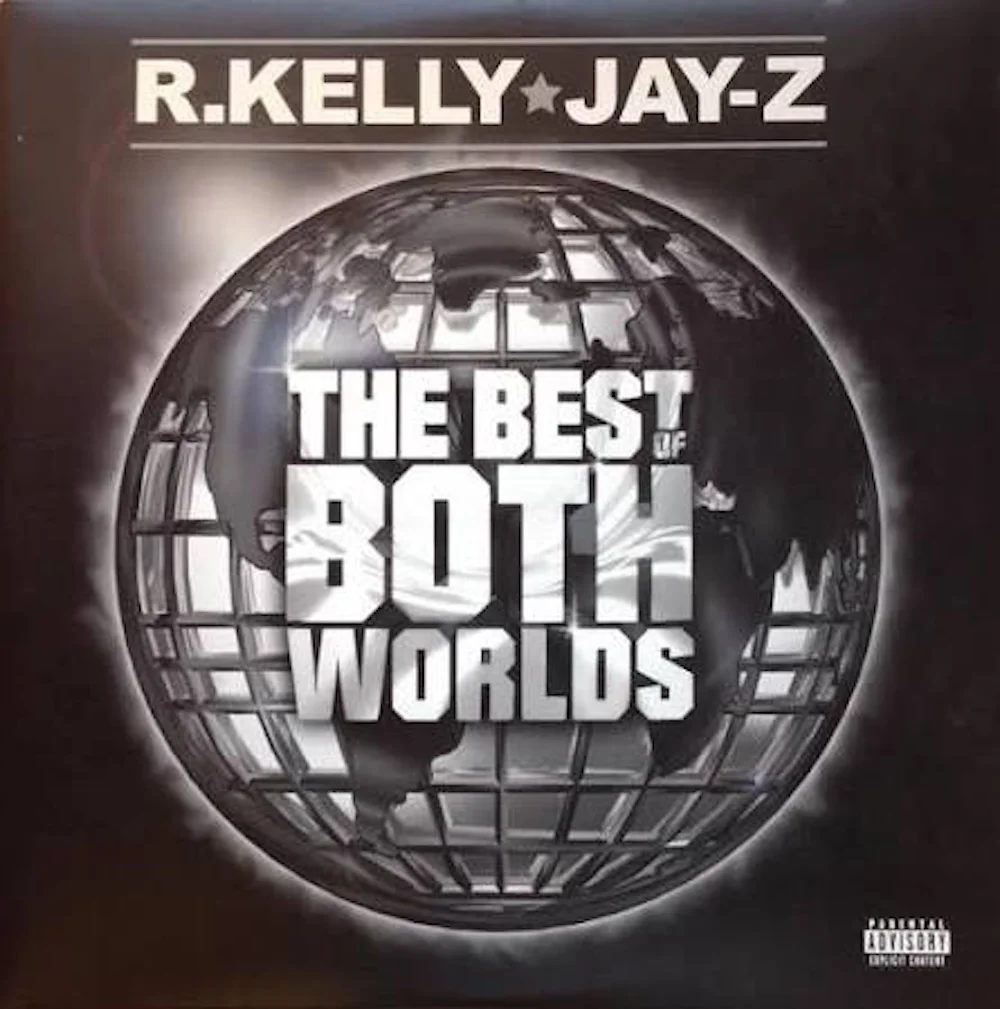
You had to be there, I suppose. We didn’t know all the awful things we know now about R. Kelly, and an A-list rapper and R&B singer had never made an entire album together, so The Best of Both Worlds felt like a genuine event. Fresh off the highs and lows of The Blueprint and Nas’s “Ether,” Jay-Z sounded like he was enjoying making the lightest, most relentlessly club-oriented record of his career. He darts in and out of songs in “60-second assassin” mode, and even gets caught up in the melodies and hits some rare high notes of his own over a Bee Gees sample on “Honey.”
14. Magna Carta Holy Grail (2013)
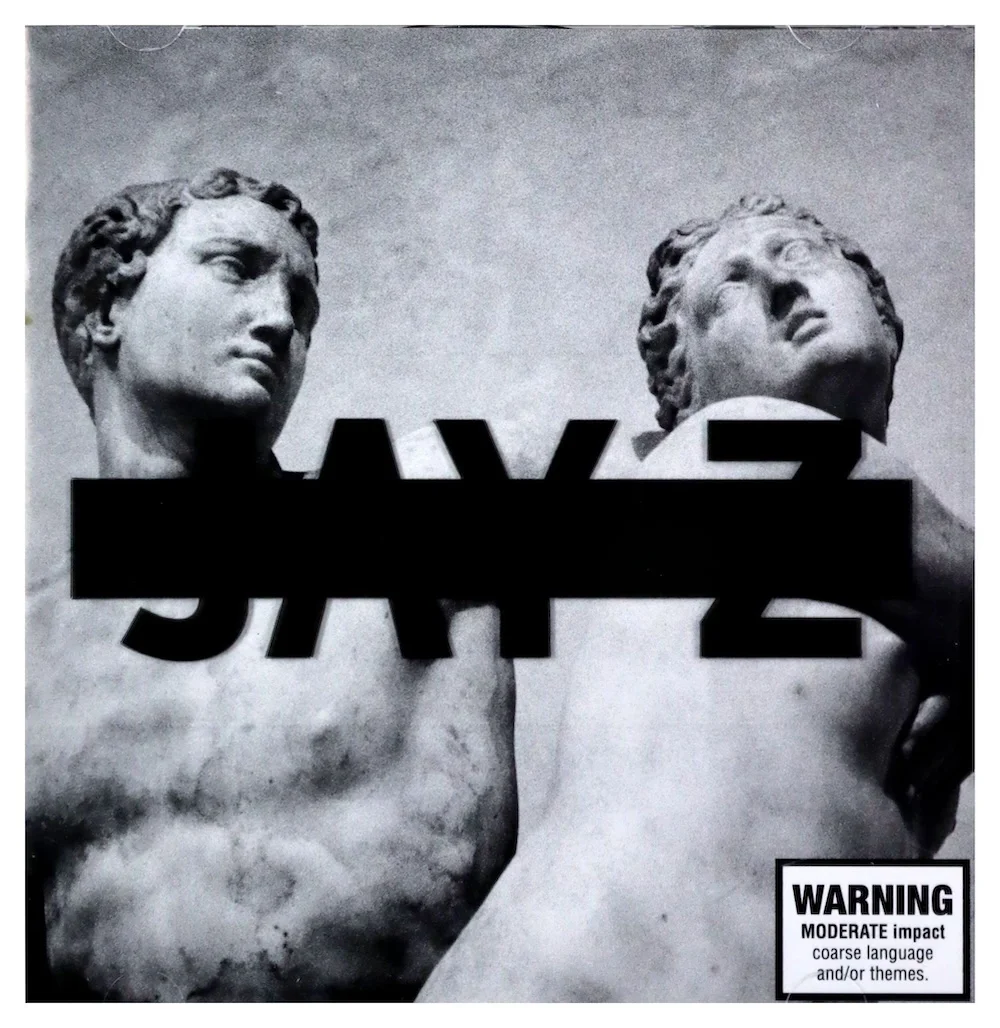
The only time I’ve seen Jay-Z live was on his co-headlining 2013 tour with Justin Timberlake. It was a great show, a testament to their gifts as consummate performers, considering that both were promoting subpar albums. As with any Jay-Z album, there are still quotables on Magna Carta Holy Grail—“The only Christopher we acknowledge is Wallace” is his memorable aside bigging up Biggie over Christopher Columbus on “Oceans.” But he just can’t help being a cranky old man, muttering “Fuck hashtags and retweets,” or “Might crash your internet, and I ain’t even into that” over expensively boring production. With Timbaland credited on 12 of 16 tracks, it’s the closest the Virginia genius has come to making a whole Jay-Z album, but only the moody and cinematic “Part II (On the Run)” featuring Beyoncé is particularly memorable.
13. Everything is Love with Beyoncée as the Carters (2018)
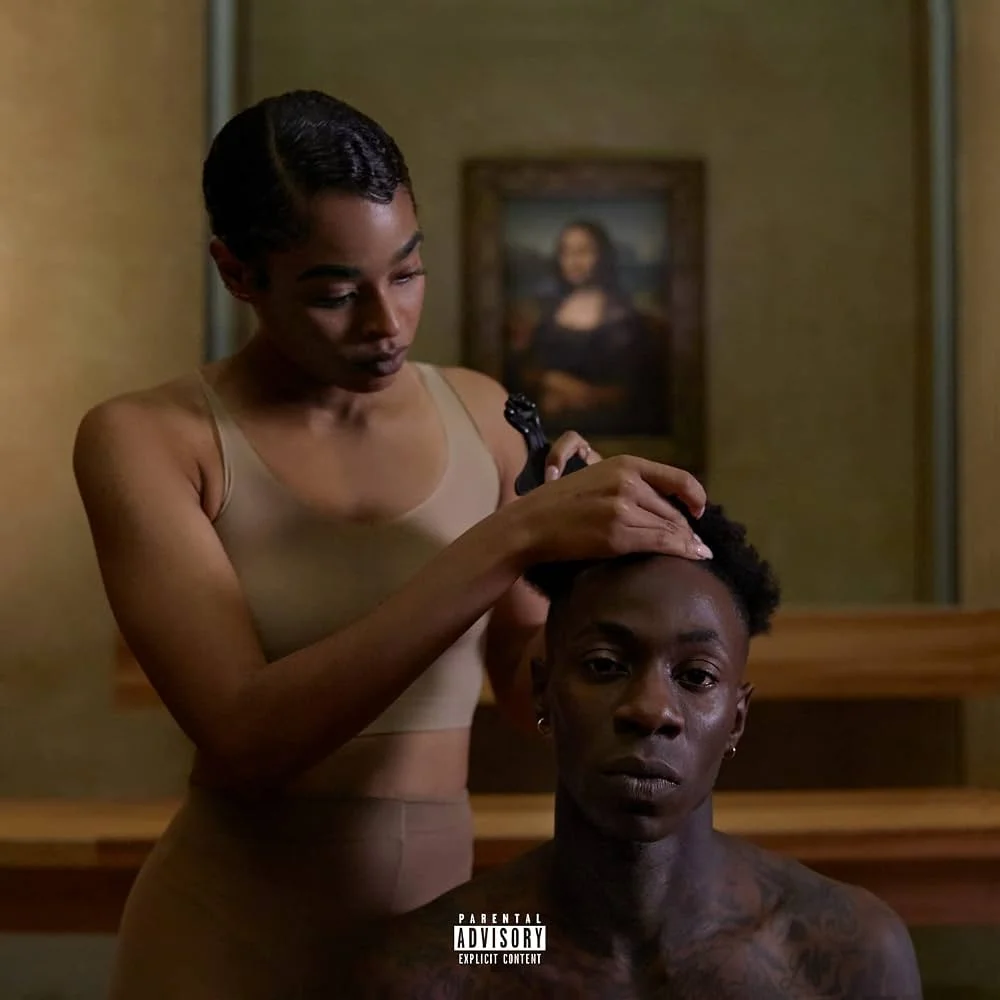
Jay-Z and Beyoncé were in the middle of their On The Run Tour when the power couple’s only album as a duo, Everything is Love, was surprise-released on a Saturday afternoon (well, it was afternoon in America when they announced the album onstage in London). The concise nine-song set, credited to the Carters, feels more like a tour souvenir, a casually virtuosic collection from two titans with nothing left to prove. On the heels of her Lemonade and his 4:44, both emotionally complex opuses that were partly about a period in which the strength of their marriage was tested, Everything is Love is a statement of renewed solidarity. All of Jay-Z’s collaborative albums feel like he deferred to the other party to shape the sound and mood of the songs, and Bey even upstages her husband with her growing rapping prowess on songs like “Nice” and “Heard About Us.”
12. Kingdom Come (2006)
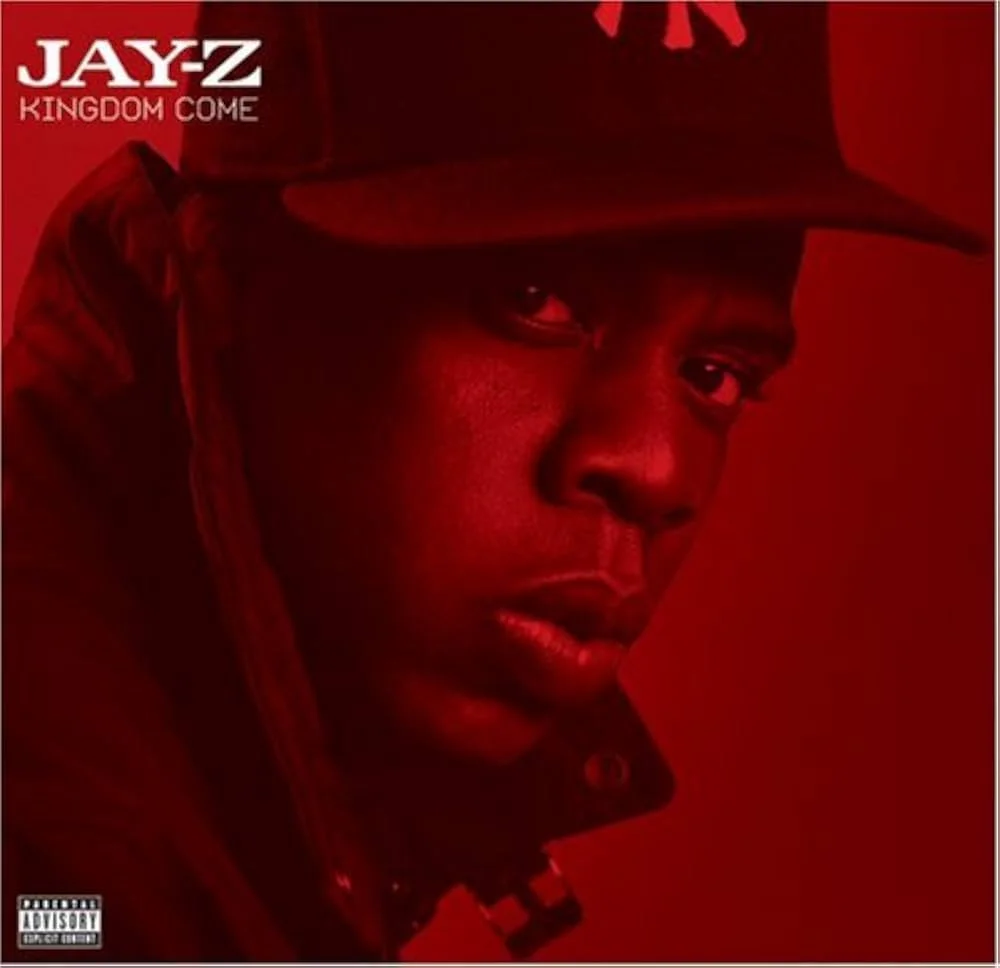
“My nephew died in the car I bought / So I’m under the belief it’s partly my fault,” Jay-Z rapped on “Lost One,” referencing the 2005 death of Colleek D. Luckie, the nephew he’d previously written about affectionately on songs like “Anything.” There are a few disarming moments of vulnerability like that on Kingdom Come, but Jay’s post-retirement comeback album stumbles often as he positions himself unconvincingly as “hip-hop’s savior.” He could still get fired up on busy, bombastic Just Blaze tracks like the lead single “Show Me What You Got,” but Lil Wayne sounded even better on his mixtape version of the track. “The album alternates between brash displays of braggadocio and paranoid acknowledgments that mo’ money leads to mo’ problems,” Nathan Rabin wrote in the AV Club review of Kingdom Come.
11. American Gangster (2007)
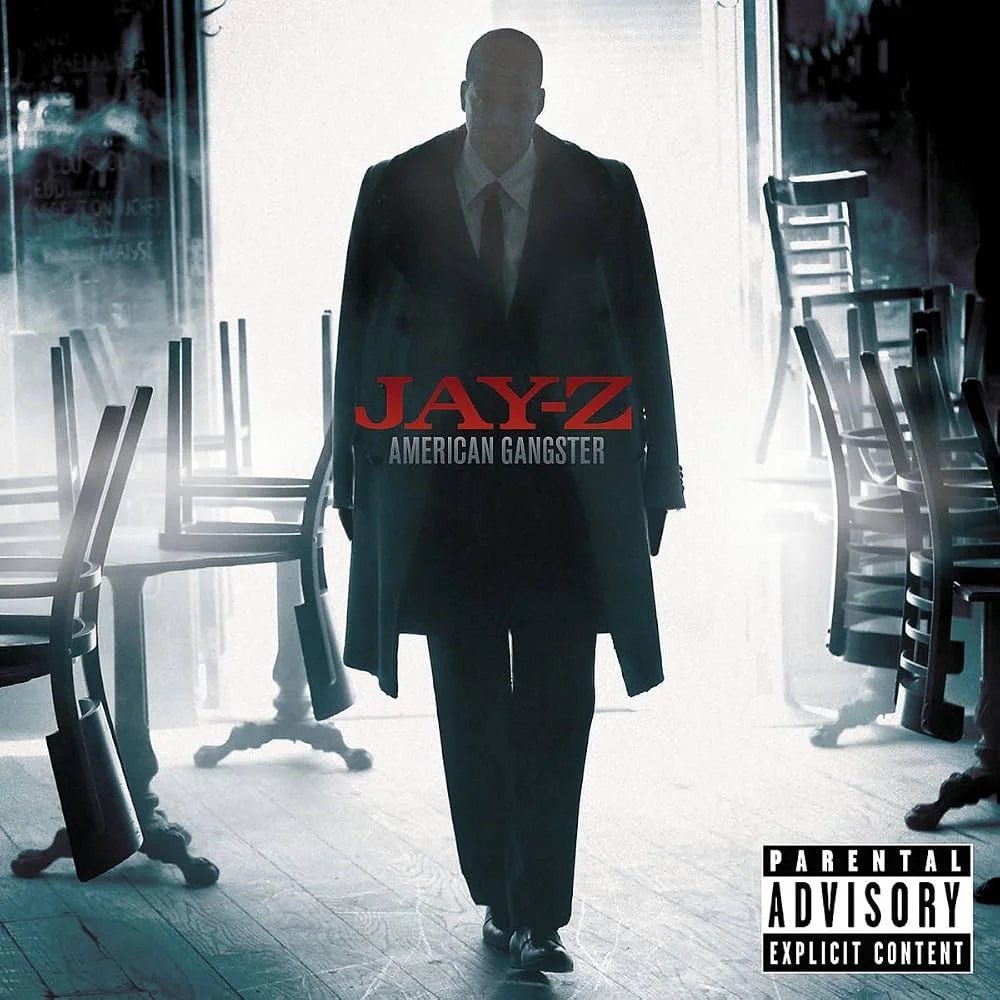
An album inspired by American Gangster, Ridley Scott’s biopic of legendary Harlem drug lord Frank Lucas, gave Jay-Z a chance to step away from the superstar bombast of Kingdom Come and go back to Reasonable Doubt-style dope game tales. And sometimes American Gangster does sound more like a canny career move than an artistic statement, with Jay leaning on cocaine puns like Clipse or Jeezy instead of sharing secrets of his hustling days. The album’s first 15 minutes are pretty sleepy and uneventful, but once American Gangster picks up steam it gets pretty good, especially on “Success,” Jay’s only great song with former rival Nas.
10. Watch the Throne with Kanye West (2011)
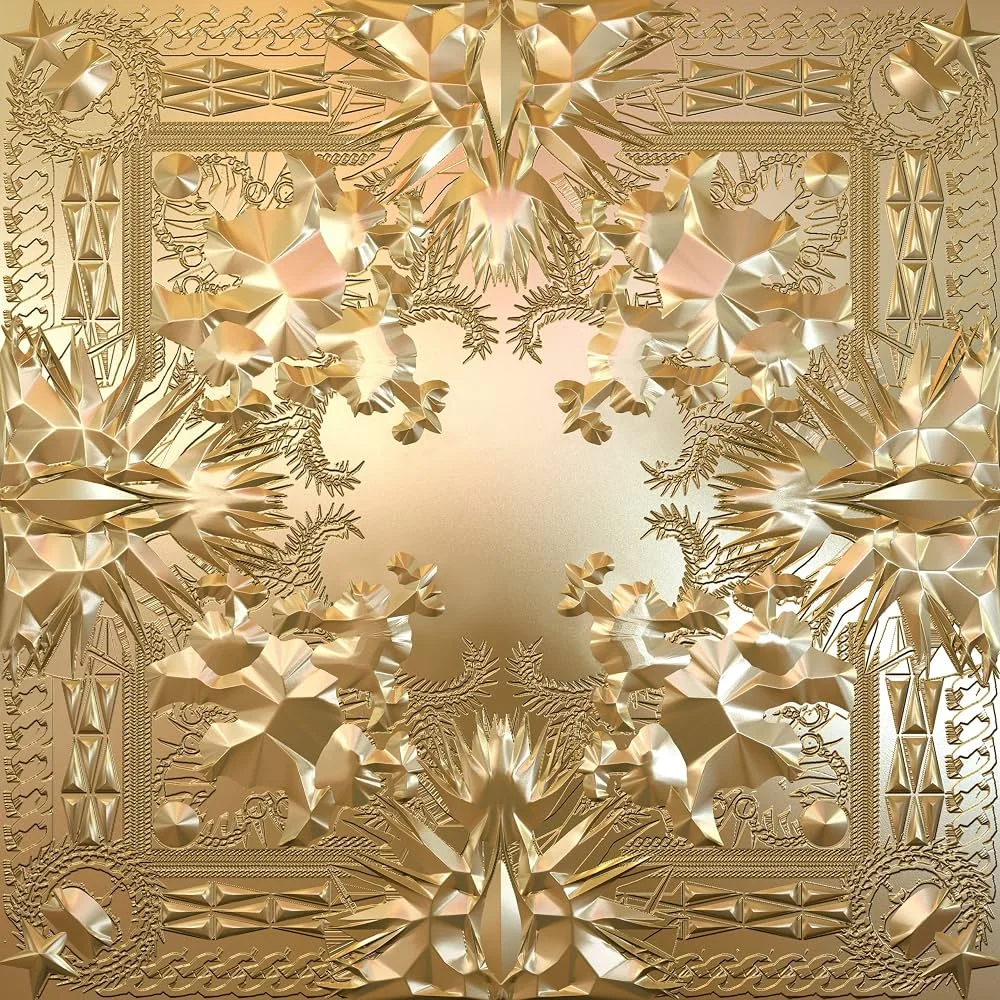
Kanye West had produced some of Jay-Z’s greatest songs for over a decade, and in that time also became a multi-platinum rap star in his own right. The prospect of a collab album was exciting, but it took the two Roc-A-Fella emcees a couple tries to figure out exactly what it should sound like, and the early single “H.A.M.,” relegated to a bonus track on the deluxe edition, is a glimpse at that uninspired first draft. Jay-Z and West have never had similar rap styles, but they trade rhymes fluidly on “Otis” and “Gotta Have It,” ruminate on future fatherhood on “New Day,” and figure out a more compelling version of The Blueprint 3’s stadium rap opulence.
9. 4:44 (2017)
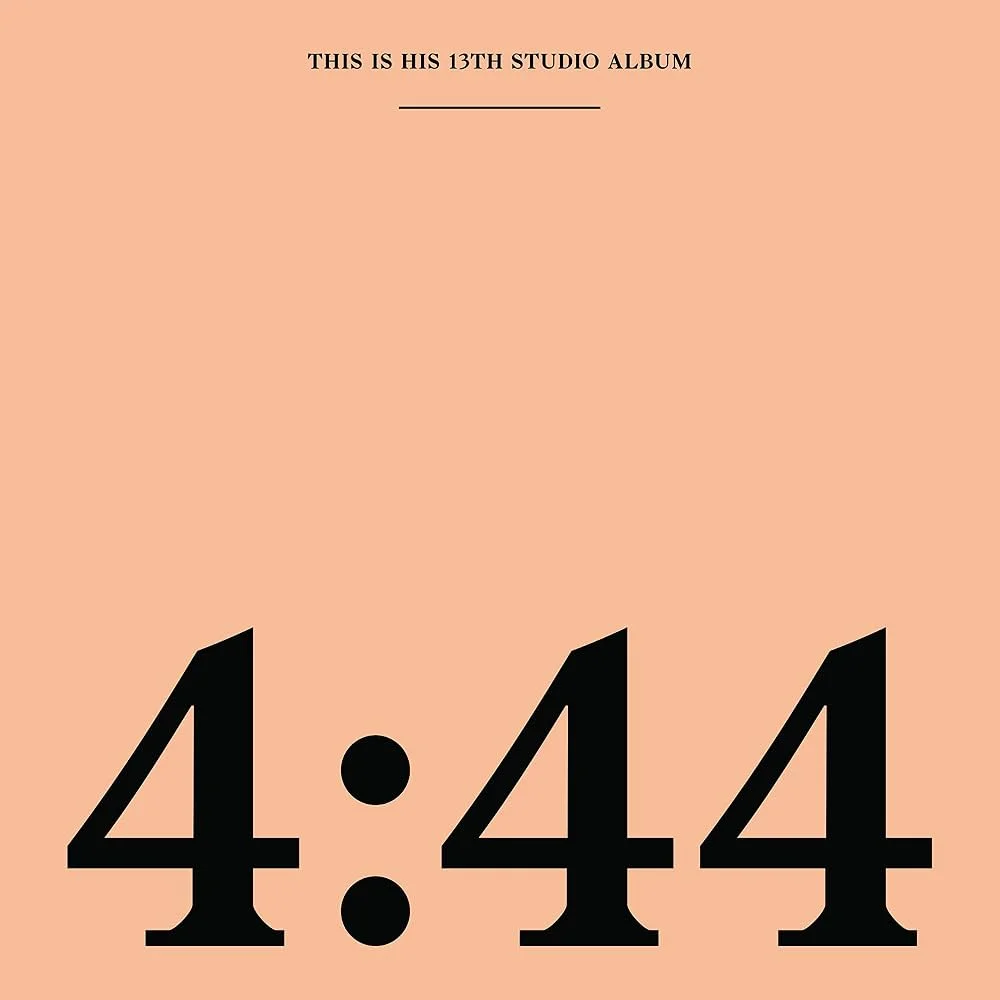
Journeyman Chicago producer Ernest Dion “No ID” Wilson was best known for crafting Common’s early albums and mentoring a young Kanye West. No ID had made occasional contributions to Jay-Z albums since 2002, but his profile received a major boost in 2017 when he became the only person to produce every track on a Jay-Z solo album. 4:44 is intimate in a way that Jay-Z’s previous work had only occasionally hinted he was capable of, writing about his mother, his infidelity, and race with humor and vulnerability as No ID found fresh new ways to chop familiar samples. “It’s a 36-minute confessional that attempts to bring Jay-Z’s narrative full circle,” Brian Josephs wrote in the SPIN review of 4:44.
8. The Blueprint 2: The Gift & The Curse (2002)
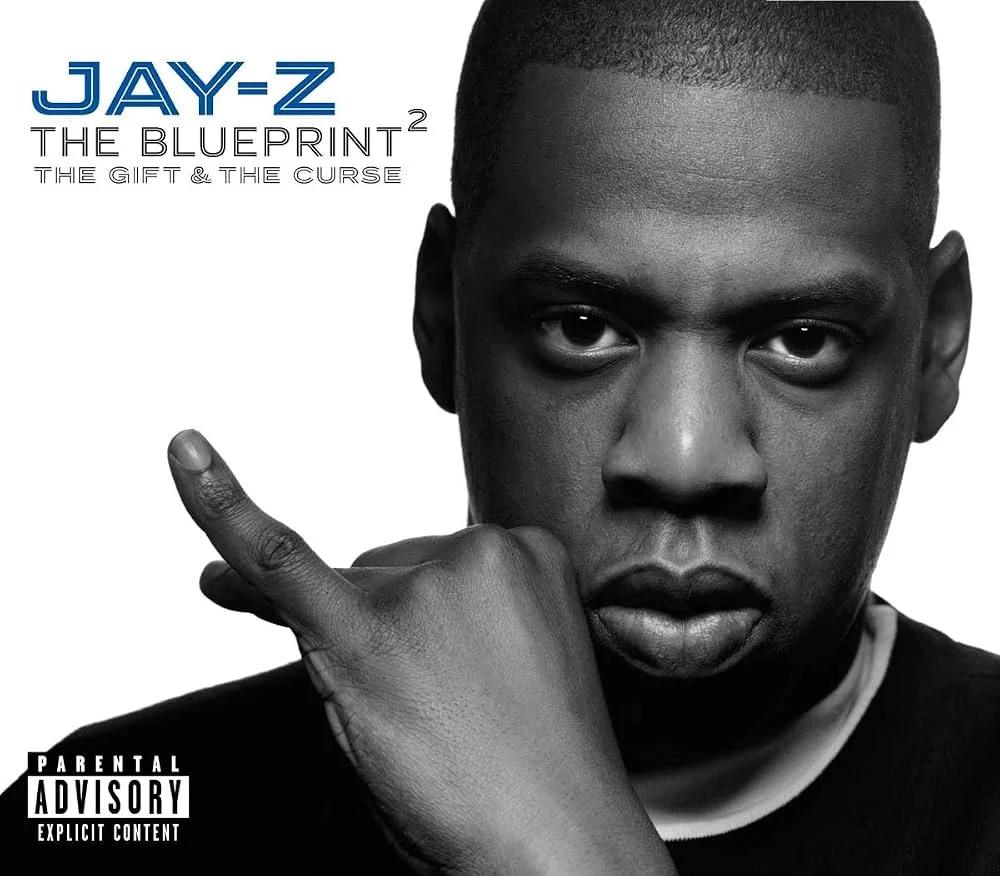
2Pac’s All Eyez on Me and the Notorious B.I.G.’s Life After Death set a high standard for double albums from rap superstars. Jay-Z sounds painfully aware of that on The Blueprint 2, which opens with a virtual duet with Biggie, and interpolates Pac on the lead single “’03 Bonnie & Clyde.” Once you come to terms with how far Jay-Z falls short of that standard, though, there’s plenty to enjoy within the album’s filler-heavy sprawl. There may be no other place to hear Jay-Z go toe-to-toe with so many other great emcees, including Rakim, Scarface, M.O.P., Big Boi, Twista, and just about the entire Roc-A-Fella roster circa 2002.
7. The Black Album (2003)
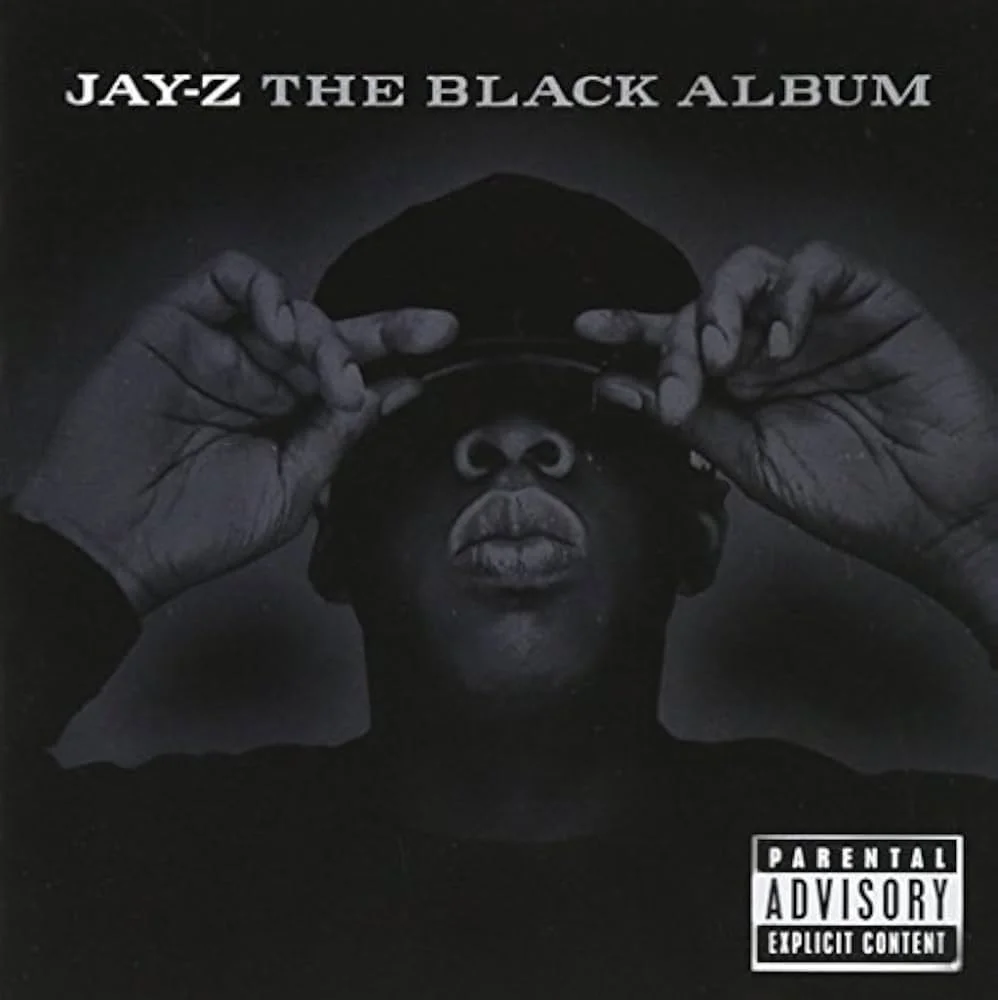
So much of the emotional resonance of tracks like “Encore” and “My 1st Song” has been sapped by the fact that Jay-Z’s retirement wound up being so brief. And The Black Album’s aim to be a concise, focused statement after The Blueprint 2 is undermined by plodding duds like “Moment of Clarity” and “Justify My Thug,” some of the worst songs to ever appear on a Jay-Z album. Still, explosive songs like “Public Service Announcement” and “99 Problems” went far to make The Black Album feel like the kind of rousing curtain call for a legendary career that Roc Nation star J. Cole’s recent farewell The Fall-Off attempted to be with more mixed results.
6. Vol. 3… Life and Times of S. Carter (1999)
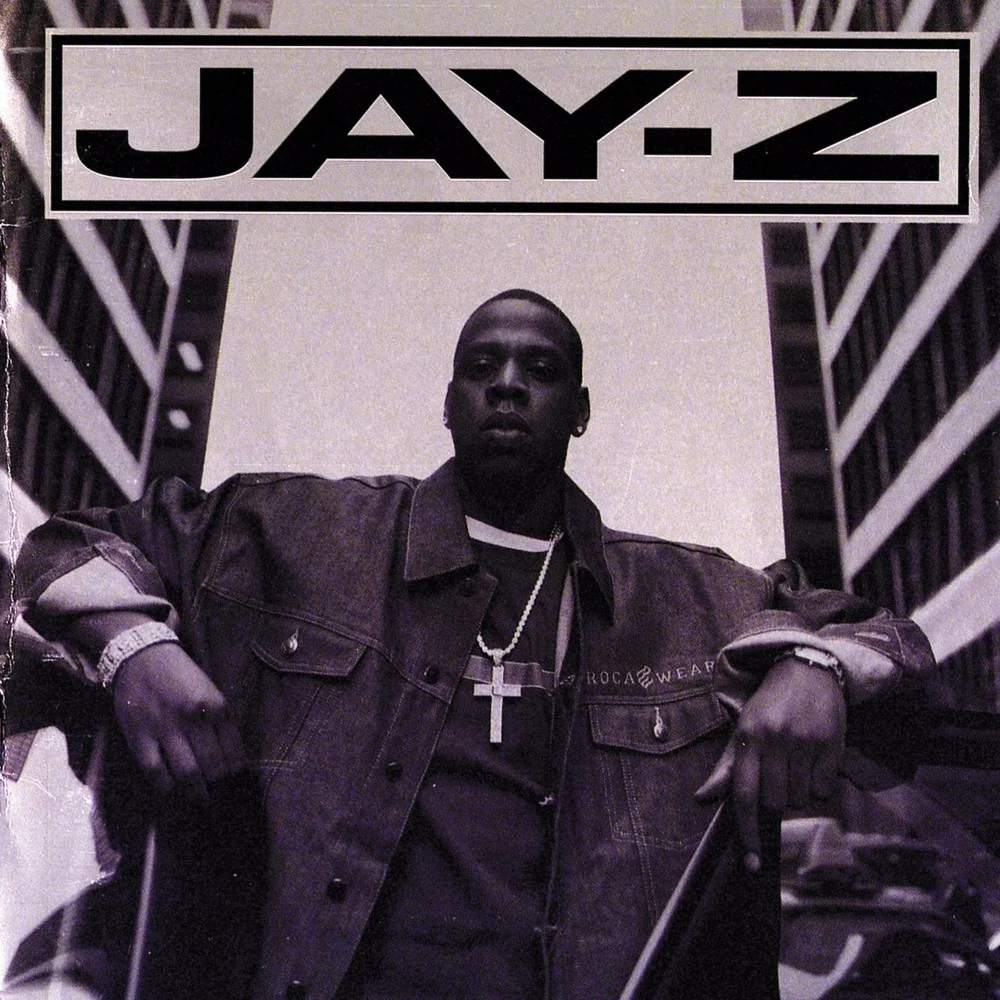
The four songs produced by Timbaland on Jay-Z’s fourth album represent the pinnacle of their work together, and “Snoopy Track” and the tempo-shifting six-minute epic “Come and Get Me” are futuristic street rap at its finest. I thought “Big Pimpin’” was the weak link of those songs when the album first dropped, the sample of Egyptian percussionist Hossam Ramzy’s 1994 recording of “Khusara Khusara” sounding absurd next to the album’s more stoic material. But the single mix of “Big Pimpin’,” with an additional verse Jay-Z recorded to avoid being upstaged by UGK’s Bun B and Pimp C, became the smash hit the album needed. Outside of the Timbo tracks, though, Jay sometimes goes autopilot on bland synth-heavy beats by Swizz Beatz, DJ Clue, and Duro. “He goes for a rugged, expansive vigor, nailing both come-fly-with-me cosmopolitanism and the hunger for excitement that’s turned gangster hangouts into musical hotbeds from Buenos Aires to Kansas City,” Robert Christgau wrote in the Village Voice review of Vol. 3.
5. The Dynasty: Roc La Familia (2000)
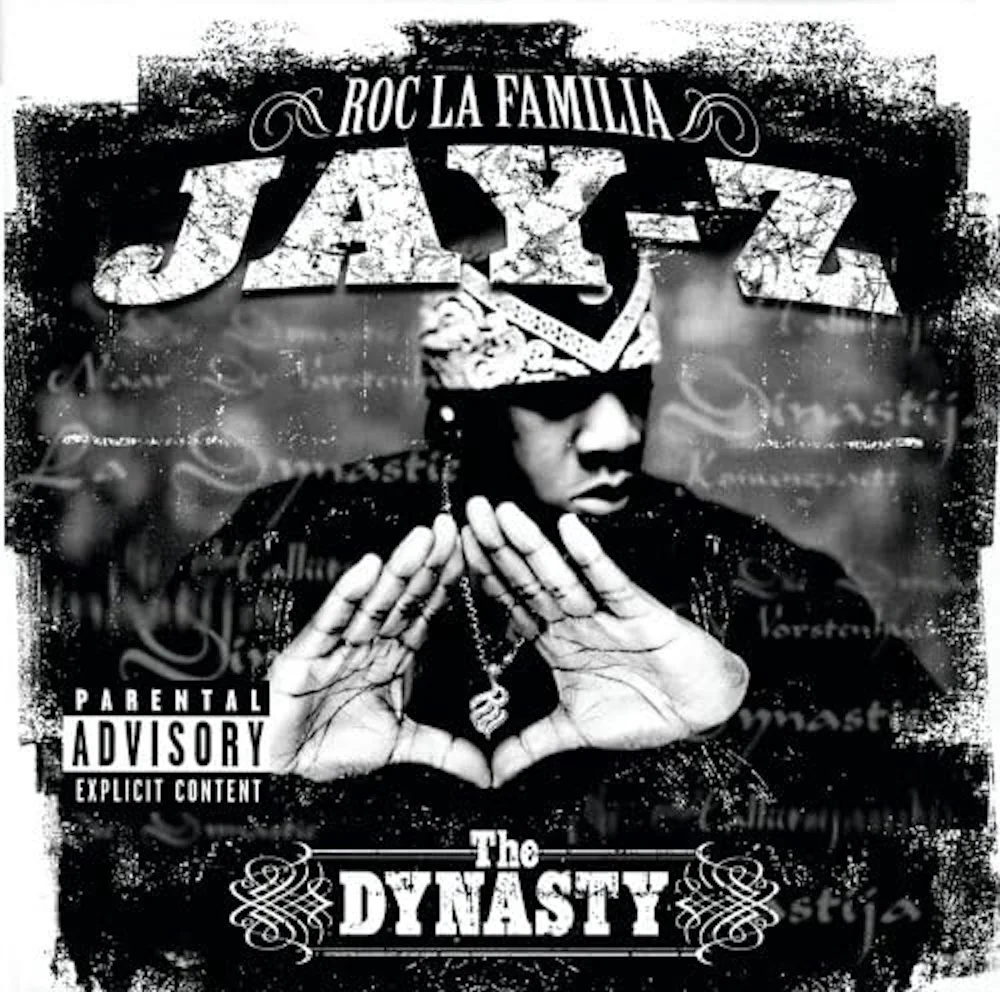
The Dynasty: Roc La Familia was initially conceived as a Roc-A-Fella compilation, but Jay-Z recorded enough material to repurpose the project as a solo album. And it wound up being the refreshing sonic reboot he needed after Vol. 3, with Jay’s first collaborations with several producers that would loom large over his 21st century output. The Neptunes made the anthemic single “I Just Wanna Love U (Give It 2 Me),” and a trio of relatively unknown beatmakers who had worked on Beanie Sigel’s debut album turned up with splashy, sample-heavy tracks: Kanye West, Just Blaze, and Bink Dog. The Dynasty contains some vestiges of its label showcase origins, including two clunky Memphis Bleek tracks with no Jay-Z verses. But “Intro” may be his greatest album opener, “1-900-Hustler” introduced Freeway to the world, and “This Can’t Be Life” is a heartbreaker that features Jay-Z, Sigel, and Scarface all baring their souls.
4. In My Lifetime, Vol. 1 (1997)
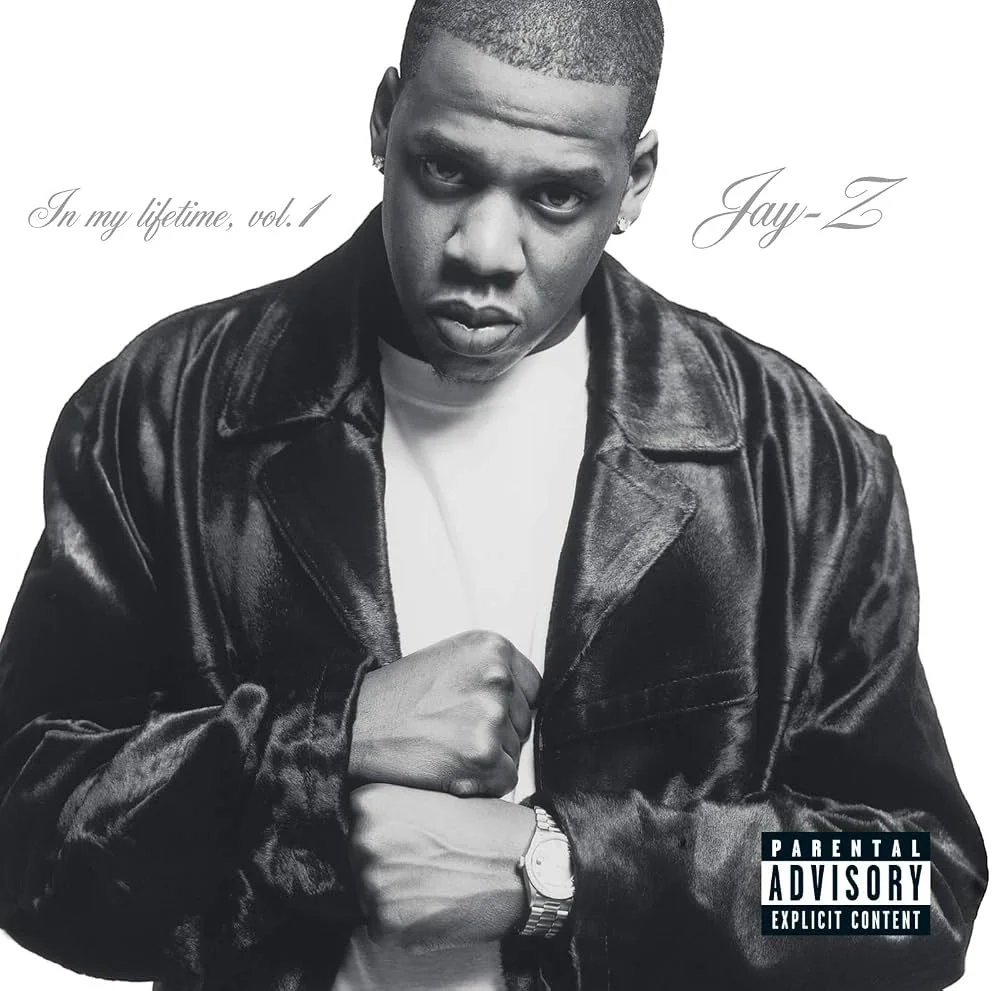
“Who’s the best emcee? Biggie, Jay-Z, or Nas?” In 1997, Jay-Z was still climbing the ladder of success, and had sold only a fraction as many records as his fallen friend the Notorious B.I.G. and his future nemesis Nas. So tying their names together as New York’s big three on “Where I’m From” was a little premature, especially when Jay’s attempt to emulate the slick Bad Boy sound on the singles “Sunshine” and “The City is Mine” failed to bring his sophomore album crossover success. In My Lifetime, Vol. 1 is brimming over with some of his most dazzling verses, though, and fan favorites like “Streets is Watching,” “Imaginary Players,” and “A Million and One Questions/Rhyme No More” made it obvious that he was on the cusp of greatness.
3. Vol. 2… Hard Knock Life (1998)
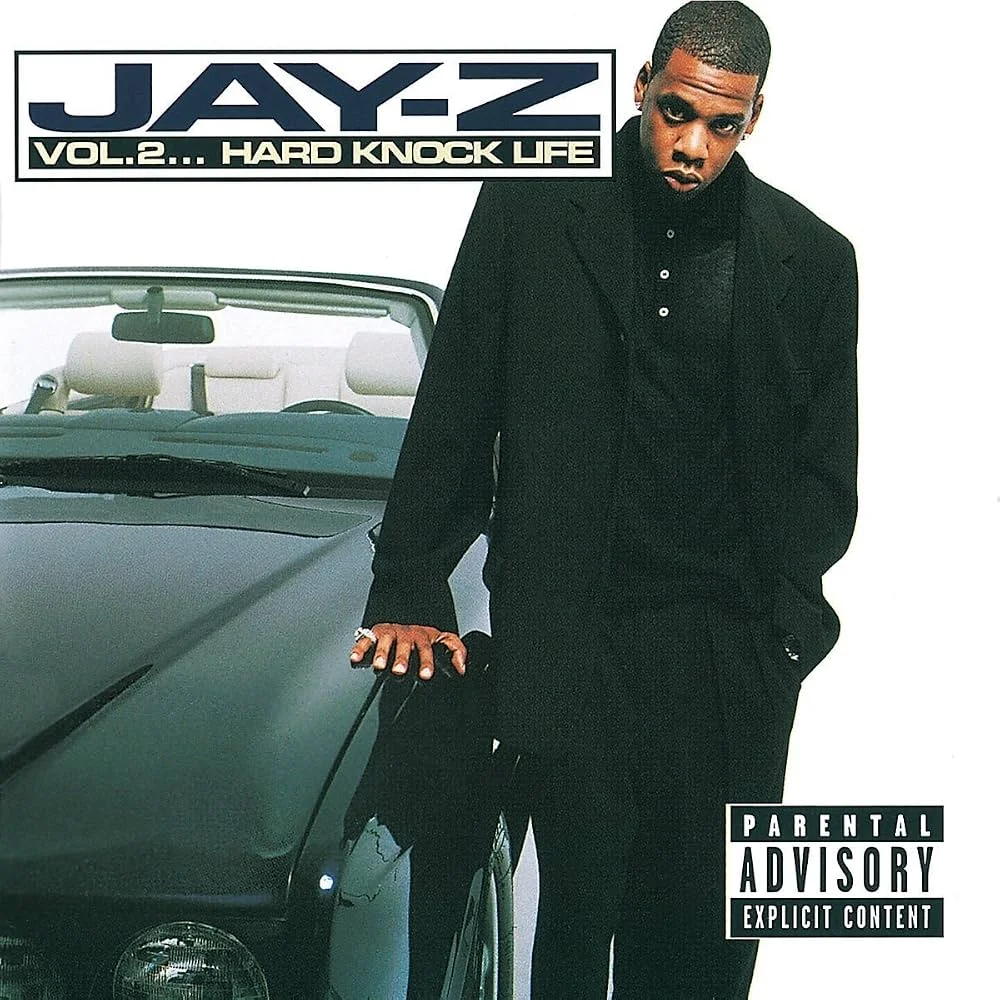
Over the course of 1998, the stars quickly aligned for Jay-Z’s first blockbuster album. His home video release Streets is Watching, less a film than an extended music video for Vol. 1’s more substantial deep cuts, coincided with DMX’s gritty debut moving New York past the jiggy era. Jay’s appearances on Jermaine Dupri’s “Money Ain’t a Thang” and the Rush Hour soundtrack single “Can I Get A…” sent his buzz into the stratosphere, and Vol. 2… Hard Knock Life remains his best-selling album, certified platinum six times over. And even on an album where nearly half the tracks were hits, Vol. 2 also contains gems like the Too Short collaboration “A Week Ago” and the killer posse cut “Reservoir Dogs.”
2. The Blueprint (2001)
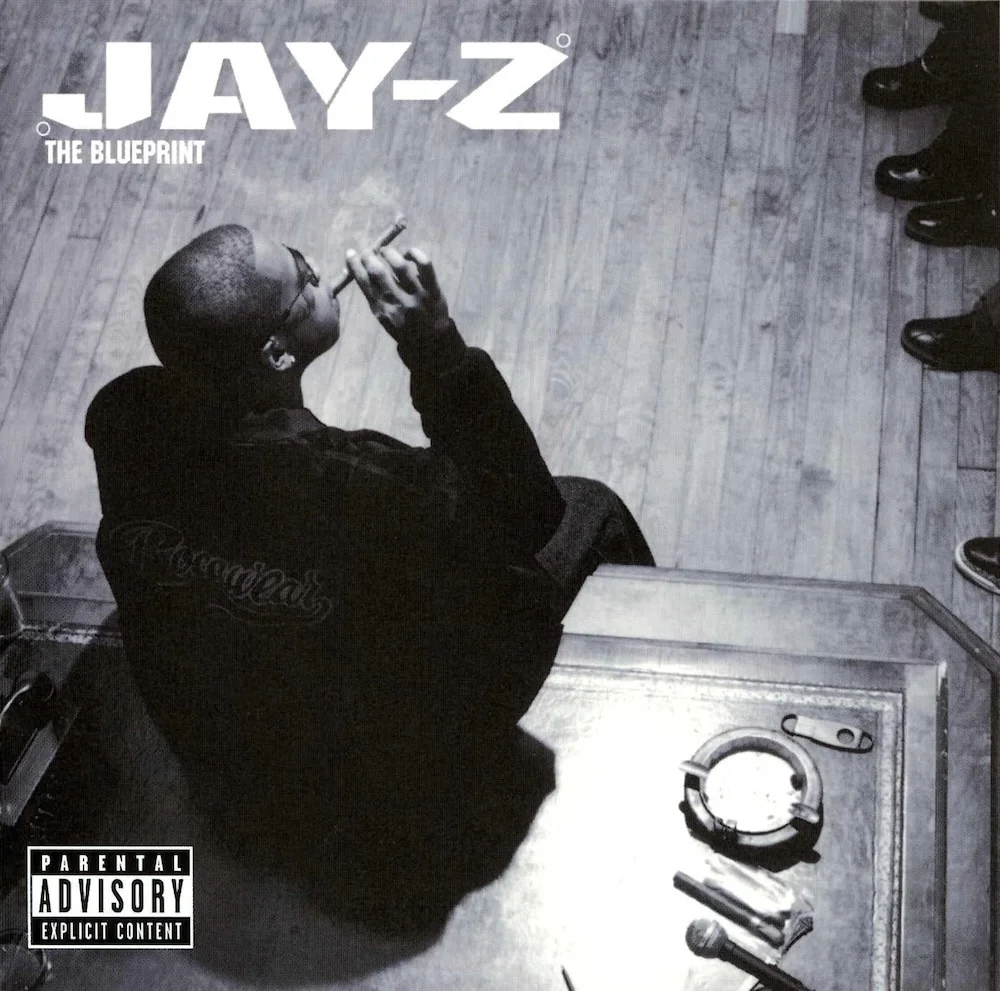
Before 2001, most hip-hop producers aside from the Wu-Tang Clan’s RZA would search out instrumental passages from records to sample, avoiding vocal loops that might clash with rappers’ voices. But on The Blueprint, Kanye West, Just Blaze, and Bink made a habit of letting the singers from old R&B records wail away beneath Jay-Z’s verses, or croon refrains that Jay would talk back to and thread into his rhymes. Some samples were even sped up to make soul shouters sound like chipmunks. The songs produced by the Trackmasters and Timbaland deviated from that formula, but The Blueprint stamped that soul sample aesthetic that Jay had flirted with on The Dynasty as the sound of Roc-A-Fella Records and, increasingly, East coast hip-hop in general. And over those nostalgic grooves, Jay took aim at Nas and Mobb Deep, wrote about childhood and lost love, and made his most convincing argument that he was the king of New York. “It’s no longer enough to be the godfather he portrayed on Reasonable Doubt; he must now be God himself. Jay-Z makes earlier rap megalomaniacs pale in comparison as he identifies with Jehovah (nicknaming himself J-Hova, H.O.V.A. and, on this album’s hits, Hovito and H-to-the-izzoh V-to-the-izzay),” Neil Strauss wrote in the Rolling Stone review of The Blueprint.
1. Reasonable Doubt (1996)
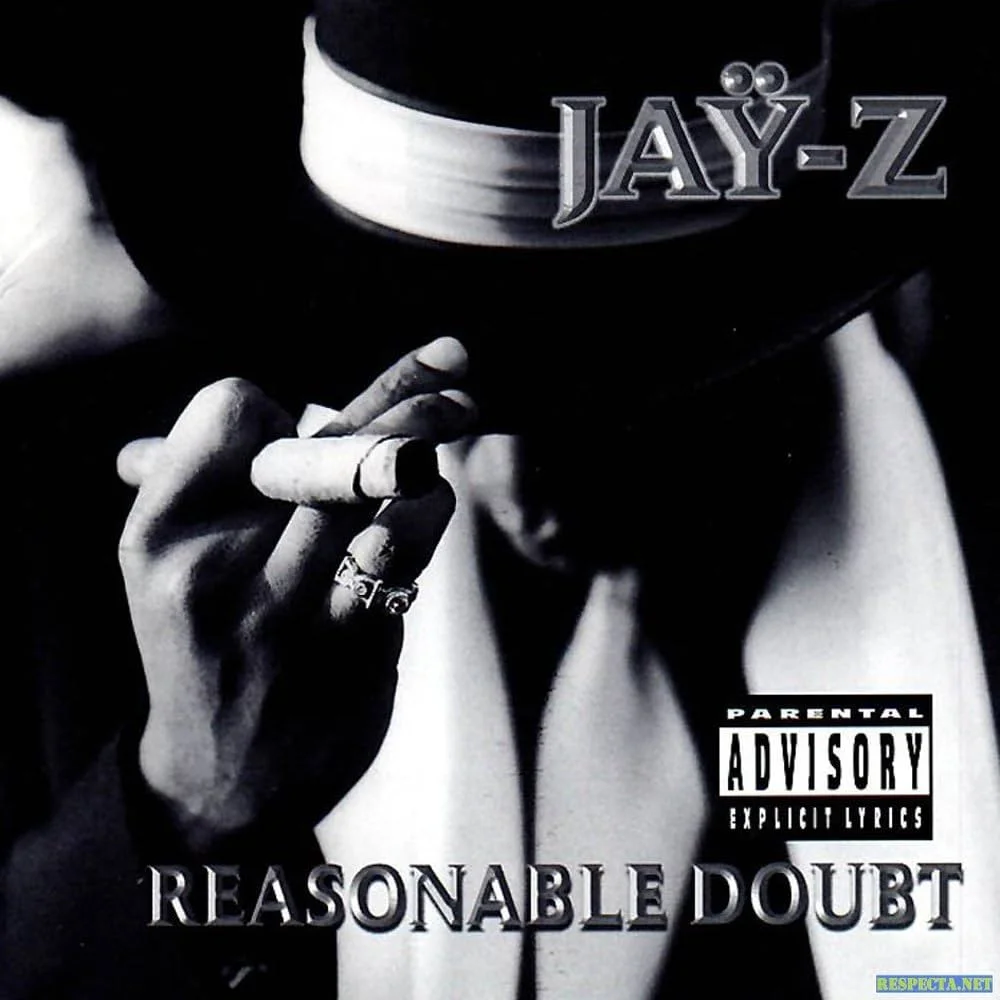
Jay-Z was 26 when he made Reasonable Doubt, and had already lived enough to make one of the most worldly and writerly debut albums in hip-hop history. He also had the ambition, connections, and commercial instincts to pull together established stars like the Notorious B.I.G. and Mary J. Blige to appear on the album even after several major labels passed. From the conceptual experiments like the DJ Premier-produced “Friend or Foe” to the charismatic bravado of “Can I Live” and the muted, subtle closer “Regrets,” Reasonable Doubt is a lyrical tour de force that remains the crown jewel of Jay-Z’s catalog, even after he surpassed its modest sales a hundred times over.
To see our running list of the top 100 greatest rock stars of all time, click here.