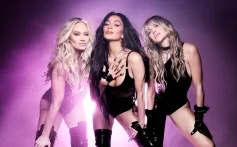
The fall 2026 runways showcase the striking return of skinny jeans, demonstrating their renewed popularity.
Skinny Jeans Make a Comeback
Get ready, Millennials: the era of skinny jeans is returning with a force that many thought was long gone. Recent runway shows, especially those for Fall 2026, signal that this once-beloved style isn't merely a fleeting trend; it's back to reshape our wardrobes. The spectacle of this revival unfolds not only on high-profile runways but also through designs that nod nostalgically to the late 2000s and early 2010s.
Fashion veteran Jonathan Anderson at Dior, for instance, showcased slim denim paired with glitzy tanks, while Demna at Gucci presented daringly snug black trousers complemented by unbuttoned shirts. However, the most striking evidence of this resurgence comes from Seven For All Mankind. Under the creative direction of Nicola Brognano, the collection offered provocative reinterpretations of the skinny jean, channeling the essence of 2008 but with a modern twist. From studded options elegantly worn over sweaters to tight leather forms paired with sheer tops, Brognano's designs evoke a blend of nostalgia and contemporary flair.
Brognano himself emphasizes the importance of this style in today’s context: “Skinny jeans felt instinctive to me because they belong to a very specific visual memory that still feels relevant today. I kept thinking about the energy of the mid-2000s — Kate Moss, Mary-Kate Olsen — and the effortless way they wore them. It was never just about the pants, but about confidence, sensuality and attitude." He also alluded to the historical significance of Seven For All Mankind in popularizing the skinny silhouette in America.
This comeback isn’t just an act of nostalgia; it’s a reaction against the popular oversized silhouettes that have dominated fashion narratives in recent years. As Brognano points out, there's a growing appetite for sharper, body-conscious cuts. “After years of oversize silhouettes, people are craving something sharper, more sensual and body-conscious again,” he noted. This sentiment suggests that once people grow too accustomed to a certain style, they inevitably seek the polar opposite.
The Impact of Nostalgia
What's particularly intriguing about this resurgence is how it encapsulates a desire for glamour mixed with the freedom of expression we once associated with the skinny jean craze. Brognano captures this blend perfectly: “It’s not about recreating the 2000s literally, but about translating the confidence and freedom of that era into today,” he states. This perspective steers the narrative away from mere imitation to a more nuanced interpretation that embraces the spirit of the past while firmly planting its feet in the present.
If you’re in the fashion industry, it’s vital to pay attention to this shift. The balance between nostalgic styles and contemporary sensibilities could redefine retail strategies as brands gauge consumer interest and adapt their offerings accordingly. Expect to see more of these tighter cuts take center stage, influencing how we approach casual and formal wear alike.
So, whether you’re an ardent devotee of skinny jeans or cautiously optimistic about their return, one thing is clear: the conversation surrounding denim is set to get a lot more interesting in the coming seasons.
Spotlight on Recent Events
Ciara and Russell Wilson were among the notable faces at the Outstanding Mother Awards, showcasing the event's celebrity draw. This year's gathering not only celebrates motherhood but also highlights the impact these figures have on family dynamics and community engagement. Recognition events like this often serve as platforms to remind the public of the social and cultural contributions made by honorees.
Shifting gears, Erin Walsh's book launch for *The Art of Intentional Dressing* drew attention as Anne Hathaway joined in to celebrate. The presence of a star like Hathaway indicates a calculated move to appeal to a fashionable audience—one that values both appearance and the underlying messages of confidence and purpose through wardrobe choices. It's a reminder that fashion is not just about clothing; it's about self-expression and identity.
Both events reflect how the intersection of celebrity and personal storytelling can galvanize public interest. As someone in this industry, you'll want to consider how these moments influence broader cultural conversations around motherhood and fashion sensibilities.
Moreover, events like these aren't just social occasions; they have the power to shape trends and create narratives that resonate with audiences. Whether it’s highlighting the virtues of motherhood or redefining style, these initiatives hold significant weight in our evolving societal discourse.
Reflections on Fashion's Future
As we wrap up this exploration of the current trends and influential figures in fashion, it’s clear that the industry is both a reflection and a driver of cultural evolution. The emergence of style-savvy celebrities and designers like Beyoncé and LaQuan Smith is reshaping how we view fashion, blurring the lines between art and commerce. Their work is not just about aesthetics; it's setting the tone for upcoming generations and challenging traditional norms.
What’s particularly fascinating is how platforms are adapting to these shifts. The proliferation of video content, as demonstrated in several pieces featured here—including insights into wardrobe transitions and design processes—highlights an industry that’s increasingly engaging with its audience through visual storytelling. [For an intimate look at this year’s trends, check out the discussion on wardrobe transitions](https://wwd.com/video/head-to-toe-transitioning-wardrobe/).
However, there's also a cautionary note. With fashion's rapid pivot to encompass broader and more inclusive narratives, it’s vital to ask whether these changes will have lasting impact or simply be fleeting trends. Below the surface glitz and glam, the question lingers: Are we witnessing a genuine transformation, or just a rebranding of old concepts dressed in new attire?
As we look ahead, it’s crucial for industry players to remain vigilant. They'll need to balance innovation with authenticity. For those working in this space, various voices and flavors should inspire not just individual creativity but also collective progress. The evolution of fashion shouldn’t merely mirror societal trends but push the boundaries of what’s possible in style, expression, and inclusivity.
Ultimately, it’s not just about the latest collection or collaboration; it’s about how these influences will reshape personal identities and cultural landscapes in the years to come. Fashion is at a crossroads, and it’s up to everyone involved—from designers to consumers—to champion the kind of evolution that enriches the fabric of society itself.